
Everywhere you look these days, people are turning away from alcohol. First there was Dry January. Now there’s Sober October. Who knows what month the rhyme scheme will come for next? Parched March? Modest August?
I admire these teetotalers. I too have abstained from liquor for extended periods and felt the clean poise and composure that replaces the low-grade hum of constant alcohol in the system. I met my wife during one such cleareyed abstention, so I know its value.
But I will not be joining the abstainers. I’m unwilling to part with wine.

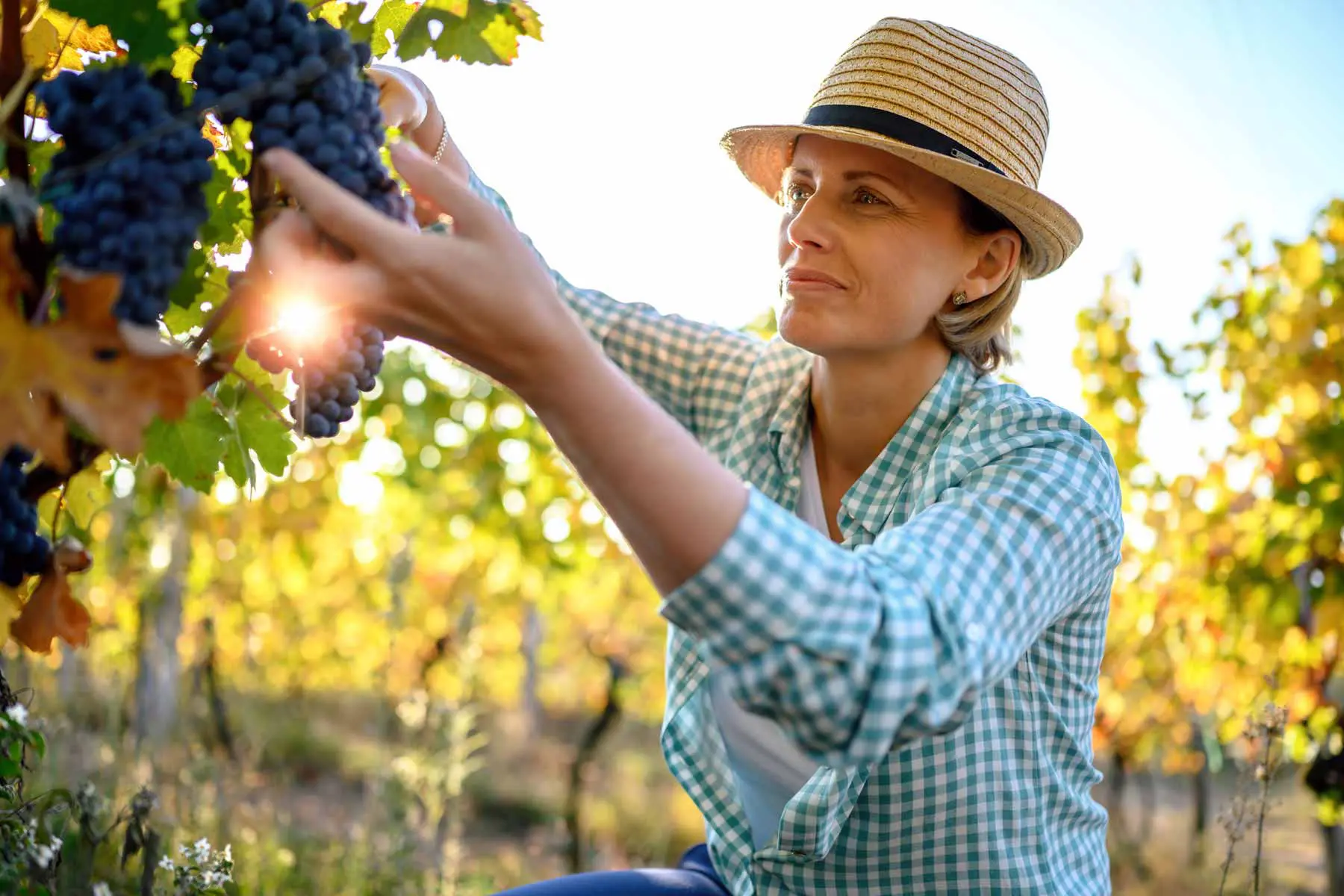
It’s not because I’m chasing tipsiness — as someone who writes about wine, I often taste 50 to 60 glasses in a day, though I always spit them out and, in six years of drinking wine seriously, I haven’t once been drunk on it. But in a life that too often feels stripped of magic — whether because of our political hostility, the radical inequality in our society or the instantaneity required of everything — wine is a passport to transcendence. If water is life-giving, wine is psychedelic.
Sometimes, the aroma alone is enough to kick off the time travel. Last summer, my wife and I took our daughter to Istanbul. We visited Wayana, a wine bar that focuses on indigenous Turkish grapes, and I asked for a glass of Kalecik Karasi, the country’s flagship red varietal, which makes light-bodied, red-fruited reds sometimes compared with pinot noir. When I stuck my nose in the glass, however, I wasn’t in Burgundy. I wasn’t even in Istanbul. I was 6 years old, in my grandmother’s kitchen in Soviet Minsk, smelling the tart sweetness of her raspberry jam, made from berries we’d picked in the countryside, as it bubbled away on the stove, the sunlight streaming through the window. Then, necessarily, the transport was over — miraculous for being so fleeting.
For me, wine will always be a connection to a Europe I lost as a child and to a time when things moved as slowly as an aging bottle of wine. Jorge Rosas, the head of the venerable port producer Ramos Pinto, told me that he has in his cellar a bottle from 1815, known as the Waterloo vintage. “When do you open it?” he asked. “Who do you open it with?” That a bottle of wine can survive for more than 200 years fills me with faith about what else can endure as our lives change so relentlessly.
Wine is also a merciless fastener to the present. Two bottles of the same wine, if well made, have never tasted the same. Recently asked which of his wines was his favorite, the winemaker Rodolphe de Pins, of Château de Montfaucon in France’s southern Rhône Valley, said, “It depends on the day, the meal, the friend, the occasion.” The thrill of every discovery comes with a sacrifice: It will never happen exactly like this again.
Research has shown that consuming even small amounts of alcohol can be bad for one’s health and everyone from ordinary consumers to influencers seems to be listening. A neighbor of mine with a 6,500-bottle cellar that used to make connoisseurs drool has just sold off most of it and gone off the sauce. Family wineries are closing and big growers in California’s Central Valley are ripping out hundreds of acres. And the wine world, sometimes divided between the militant natural-wine geeks on one side and the high-nosed classicists on the other, too often forgets to remind drinkers that either can be a path to enchantment.
When the news gets grim, I turn to winemakers like Louis Barruol of Château de Saint Cosme in Gigondas, whose family has made wine for 15 generations. Just imagine: 15 consecutive times throughout history, a new descendant of his family has decided to yoke himself to a monastic life that’s equal parts science and art, experiment and alchemy. Winemakers like Mr. Barruol venerate the land that his family has farmed in the southern Rhône Valley since 1490, the animals and plants that live in symbiosis with it, and the communities that do the same. As Mr. Barruol recently wrote, his aim is to “make things more beautiful and show ever greater respect.” How many people in your life are talking about beauty and respect for tradition these days? Listening to someone like Mr. Barruol, words like “sacredness” lose any edge of irony.
As I grow older, this is the profound feeling I long to experience most. I want my children to experience it too. No glass of wine is ever drunk in my home without first being passed beneath their noses. And if reaching this kind of transcendence means sacrificing a few years of my life, I can think of no nobler lesson to teach them about what truly matters in the end.
Related Reading from WAYANA
Boris Fishman's article reminds us that wine is more than just a beverage. It is an experience that connects us with our memories, our senses, and our cultural heritage. You may also enjoy these WAYANA articles, which explore these connections from different perspectives. Please note that the articles linked below are available in Turkish.
Understanding Balance in Wine: The Interplay of Acidity, Alcohol, and Tannins
How acidity, alcohol, and tannins contribute to a wine's overall sensory balance.
The Enological Secrets of Authenticity and Uniqueness in Wine
How winemaking choices, indigenous yeasts, and production methods shape a wine's distinctive character.
[…] Bu deneyimlerden biri bizde derin bir iz bıraktı. Ailesiyle birlikte İstanbul’u ziyaret eden Amerikalı bir konuğumuzun tadım menüsündeki Kalecikkarası onu çocukluğuna, babaannesinin reçellerine götürdü. Koku ve tatların geçmişteki anıları canlandırmasıyla ilişkili, literatürde “Proust etkisi” olarak bilinen bu deneyimin konuğumuzu ne kadar etkilediğini, daha sonra The New York Times’ta yayımlanan yazısından öğrendik.Boris Fishman’ın bu deneyimine yer verdiği yazısıyla ilgili daha geniş bilgiye buradan ulaşabilirsiniz. […]
Comments are closed.