
TÜRKİYE:
THE WORLD’S LARGEST OPEN-AIR WINE MUSEUM
We trace thousands of years of wine history across Anatolia. From ancient grape seeds to drinking vessels, from harbours to vineyards, discover a living museum shaped by wine.
Imagine a museum without walls.
Türkiye’s viticultural and wine heritage is not contained within a single building. Spanning thousands of years, it survives in archaeological sites, ancient cities, museums, harbours, vineyards, grape varieties and a winemaking culture that is still alive today.
Turkey: The World's Largest Open-Air Wine Museum.invites us to see these scattered traces as parts of a single story. Rather than creating a new collection, it seeks to make an extraordinary collection that already exists visible.
Explore the Museum
Discover places across Anatolia that open windows onto the history of wine. Each belongs to a different period, a different landscape, a different story.
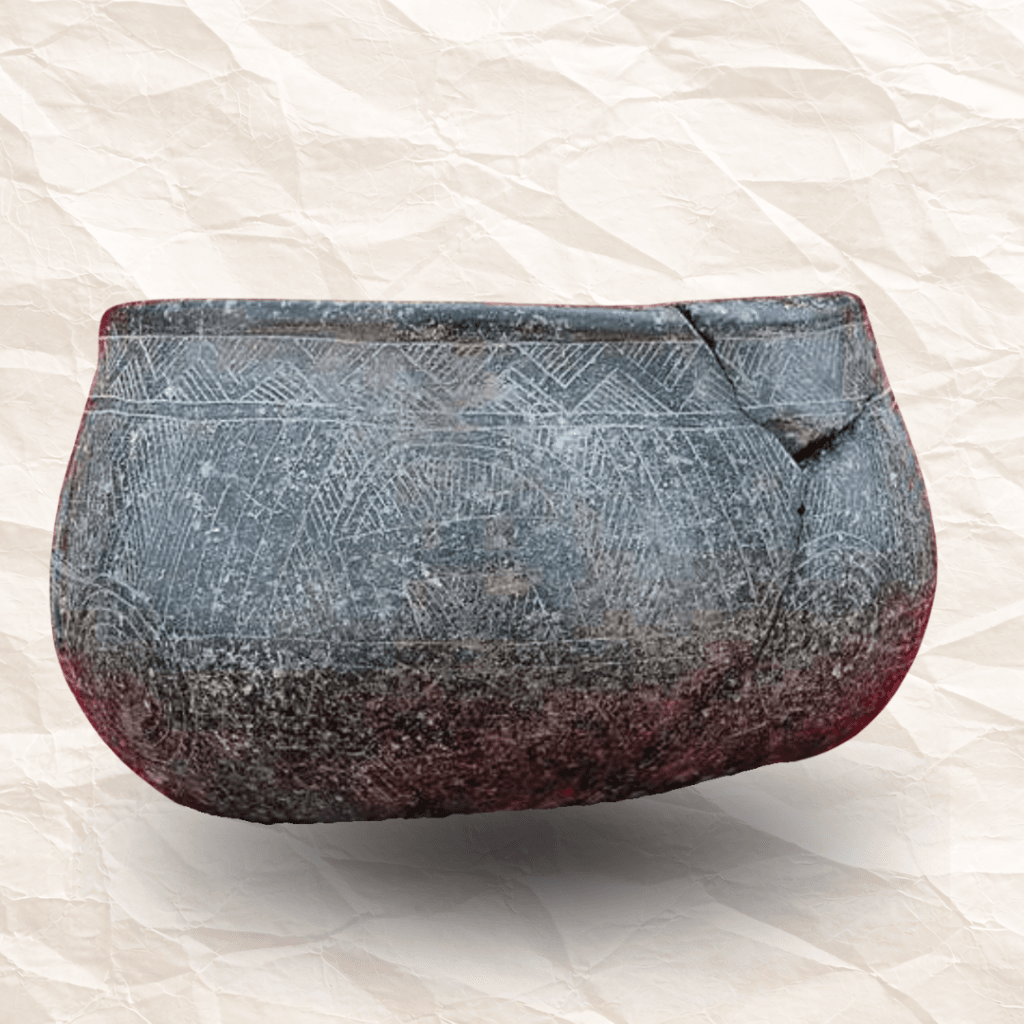
Körtik Tepe
On the Trail of Wine 12,000 Years Ago
Stone vessels discovered at Körtik Tepe on the banks of the Tigris offer very early clues to the use of wild grapes. Anatolia invites us to rethink the story of wine’s origins.
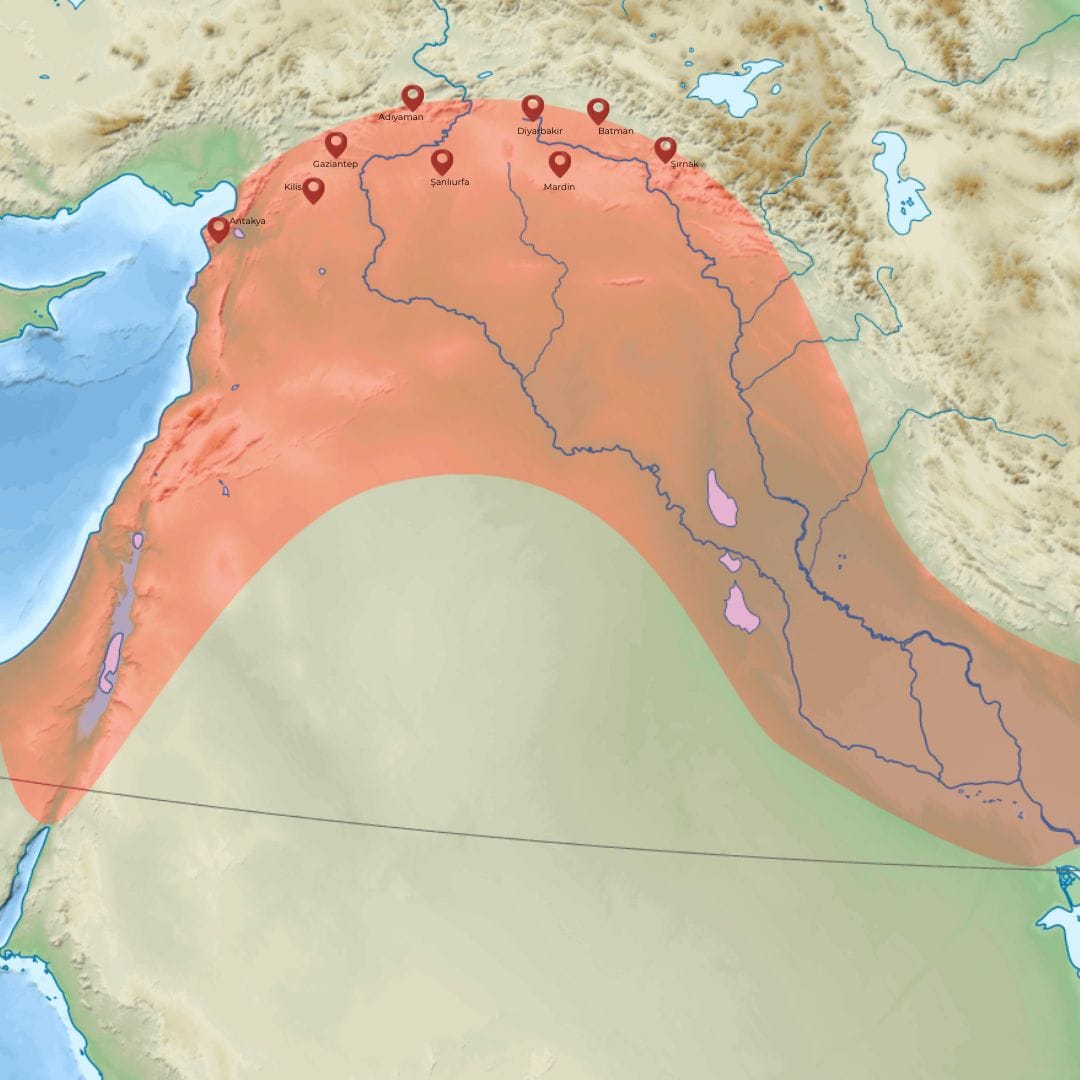
The Fertile Crescent
Where Wine Was Born
From the domestication of wild vines to the earliest traces of wine, the Fertile Crescent marks the geography where the thousands-year-old relationship between people and grapes began.
Ancient DNA
The Vine’s 8,000-Year Journey
Genetic evidence recovered from ancient grape seeds allows us to trace the vine’s journey from Anatolia to Europe across thousands of years. This time, the past is preserved in DNA.
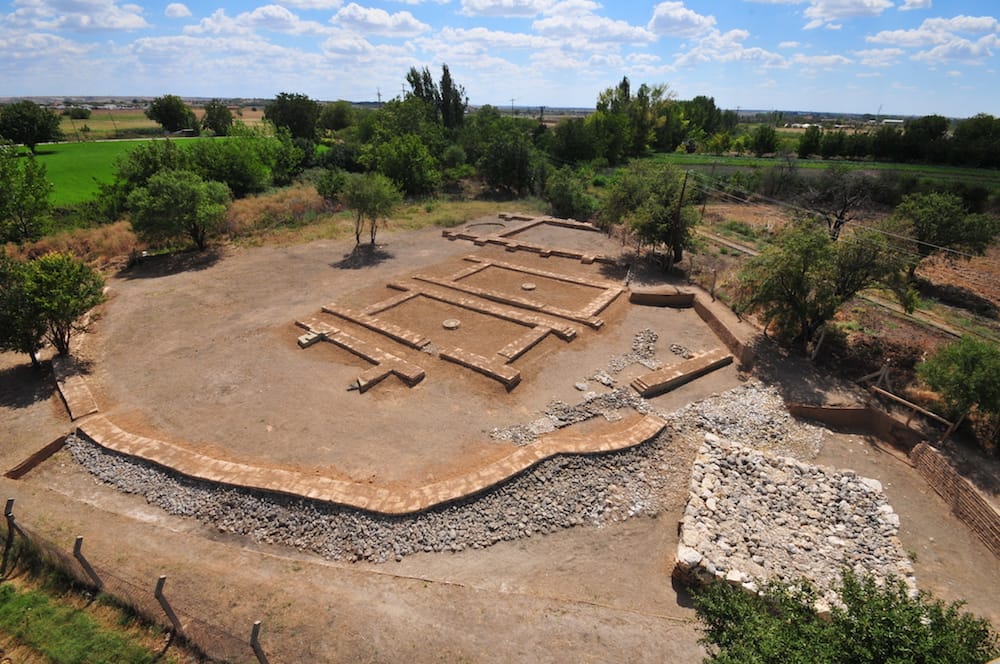
Aşağı Pınar & Kanlıgeçit
From Wild Grapes to the Depas Cup
These two important archaeological sites in Thrace preserve traces of a story spanning thousands of years, from the use of wild grapes to distinctive drinking vessels.
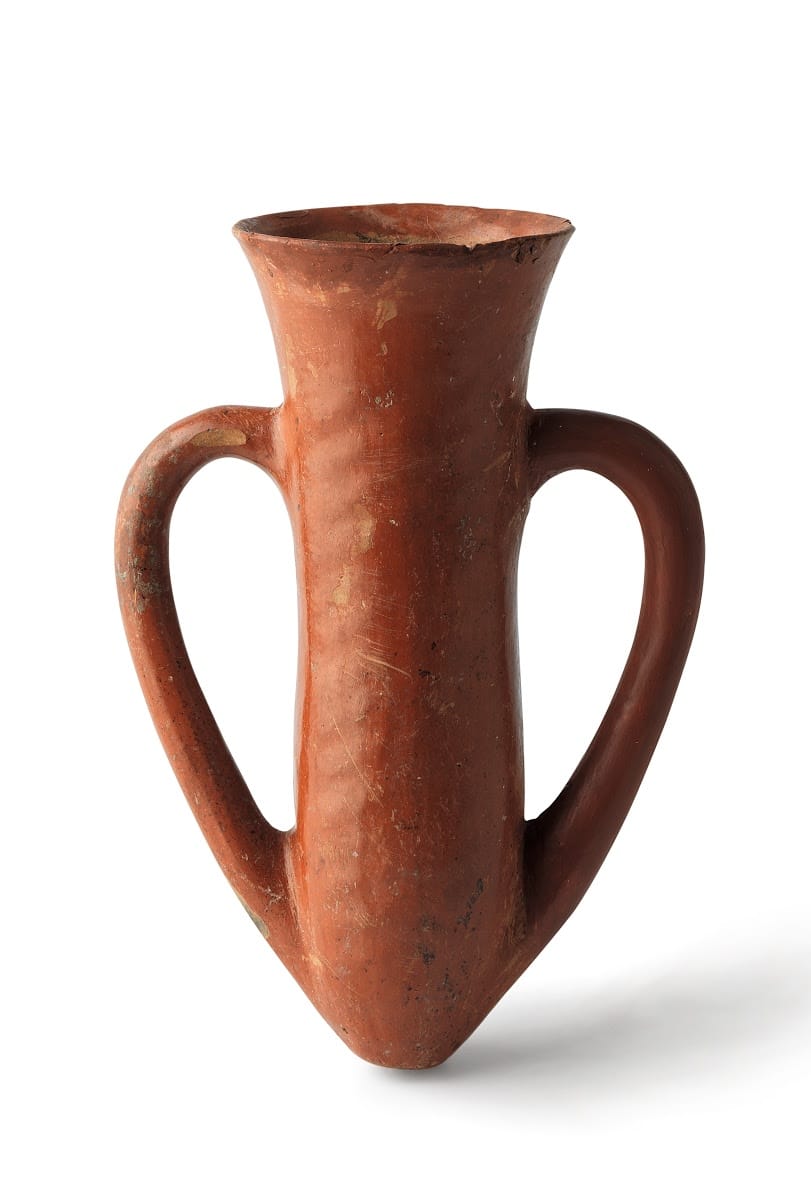
Troy
What Do the Drinking Vessels Tell Us?
From depas cups to drinking rituals, finds from Troy and its surroundings show that wine was more than something to drink. It was part of social life.
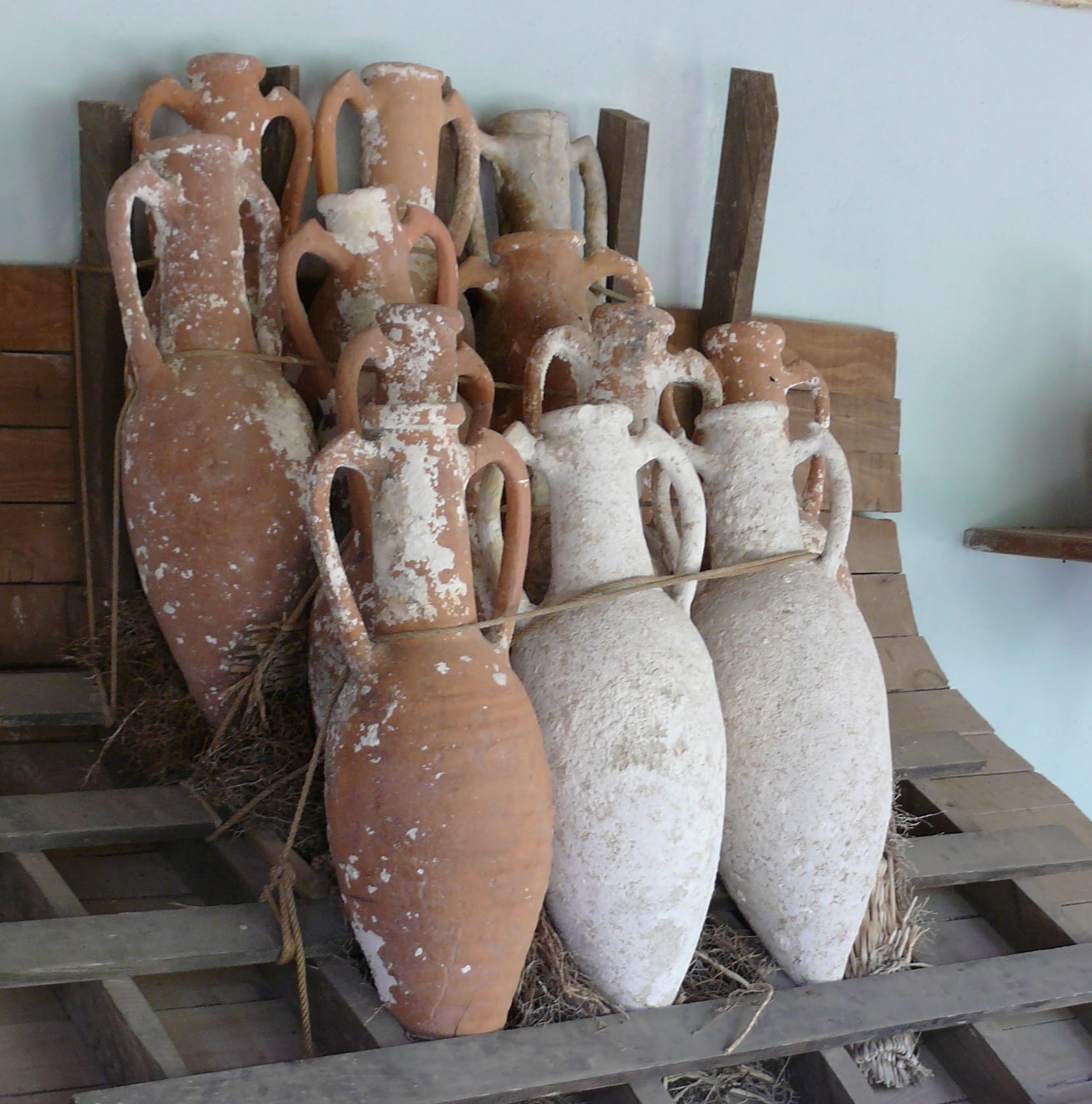
Phokaia
The City That Carried Wine into the Mediterranean
Phokaian seafarers reached from the Aegean to the western Mediterranean through their colonies and trading networks. Wine and amphorae were among the important travellers on these maritime routes.
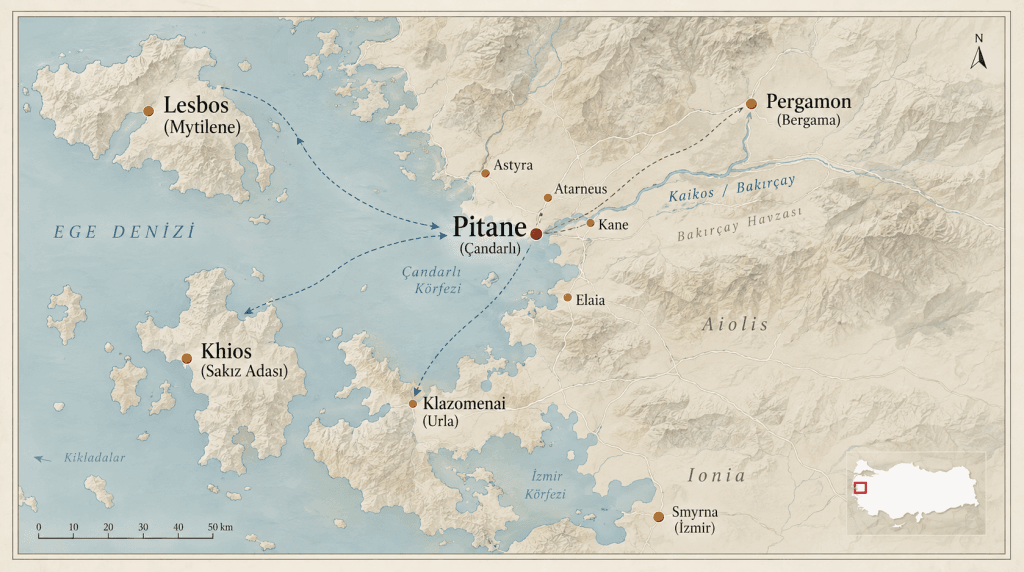
Pitane
A Wine Route Opening onto the Sea
On the shores of Çandarlı Bay, a wine story unfolds from the harbour world of Aeolis to the trade routes of the Aegean.
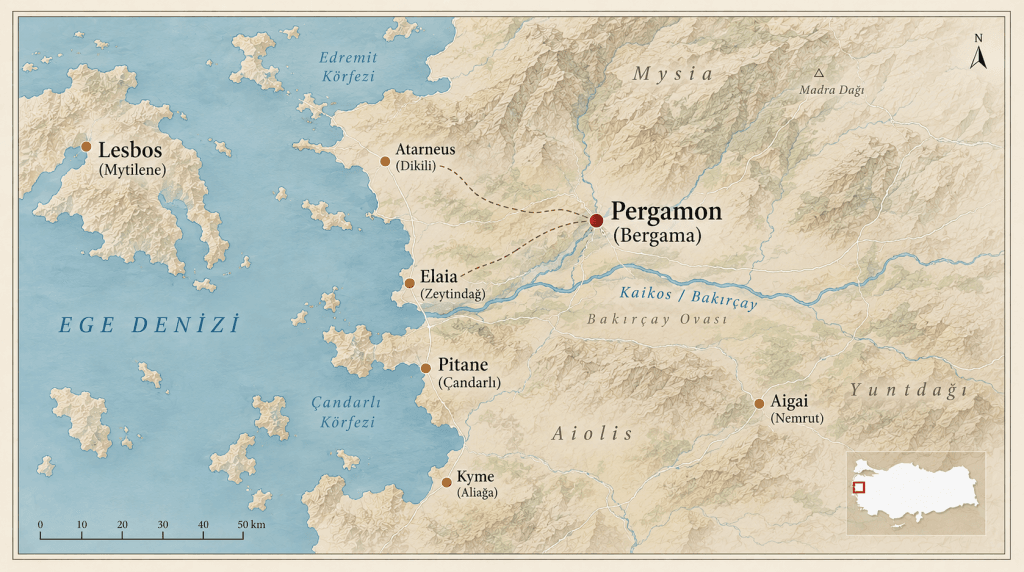
Pergamon
The Sacred and Medicinal Faces of Wine
From the Kaikos Valley to the cult of Dionysos, from Galen to the Aegean amphora trade, Pergamon reveals a multilayered wine heritage.
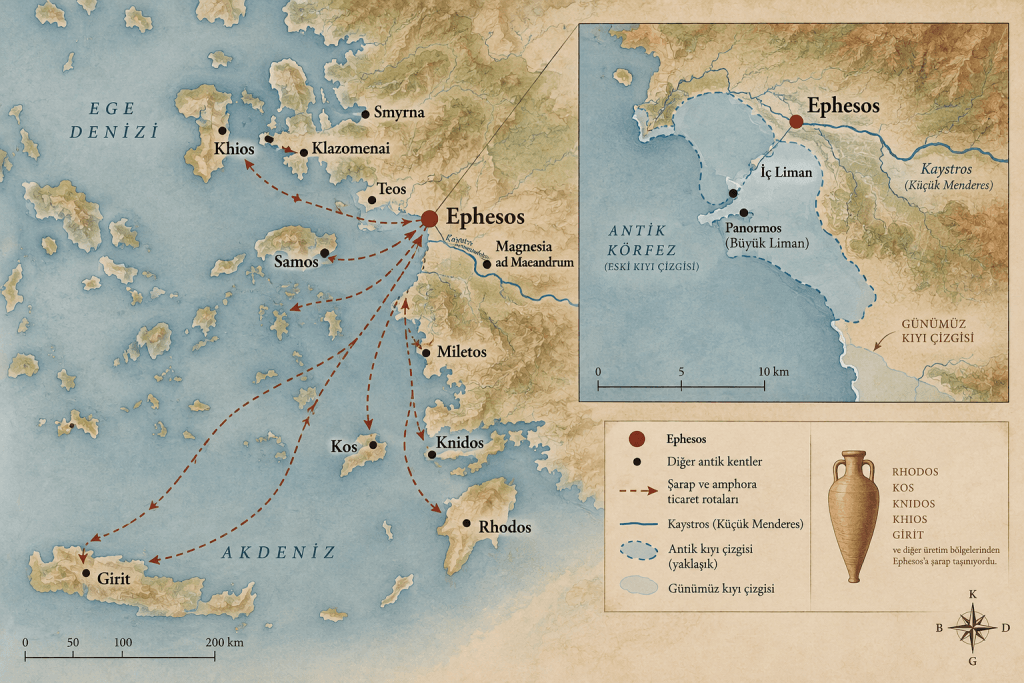
Ephesos.
A Gateway for Wine to the Mediterranean
Shaped by the Kaystros River, Ephesos was one of the great centres connecting the Aegean to the Mediterranean world of wine through its productive hinterland, harbour and amphora trade.

Gal Gestin
The World’s First Master of Wine?
In the Hittite world, traces of specialised roles and expertise related to wine appear in the title GAL GESTIN. How were wine production and management organised thousands of years ago?
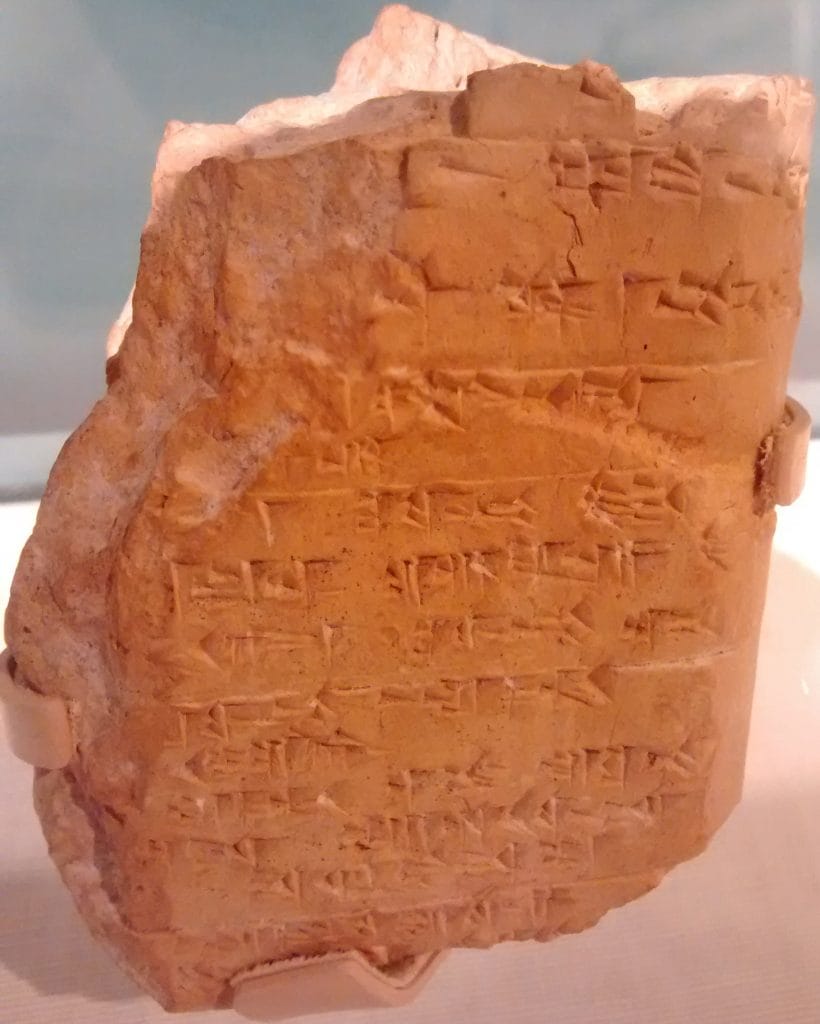
Hittite Laws
Viticulture and Law 3,500 Years Ago
Hittite laws reveal the place of viticulture in everyday life and the legal system, from the protection of vineyards to compensation for crop losses. This time, we explore Anatolia's wine history through the evidence preserved on clay tablets.
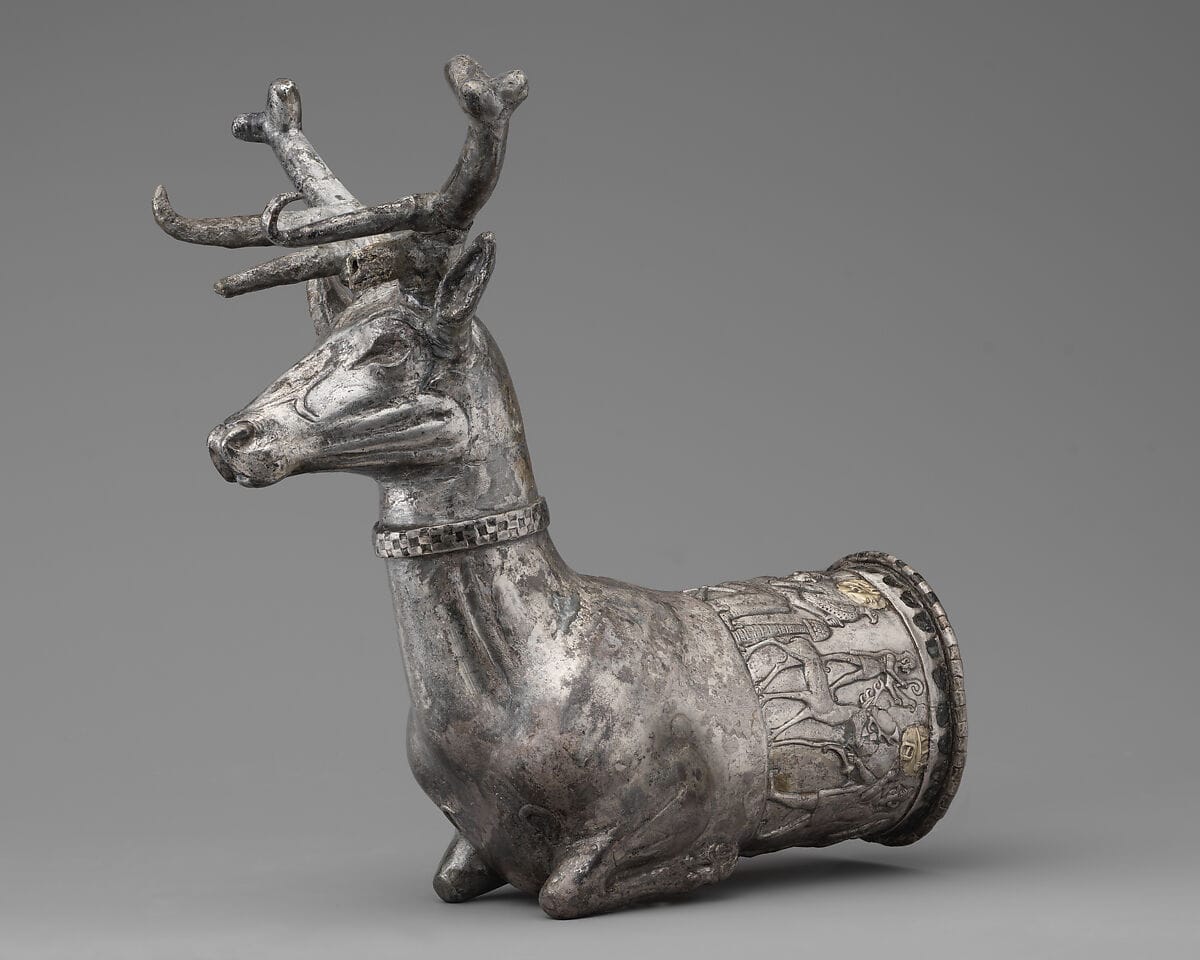
Rhytons and the Cups of the Gods
Ceremonial Drinking Vessels in Anatolia
From Kültepe's animal-shaped vessels to the silver stag of the Hittites, explore the ceremonial drinking traditions of ancient Anatolia.
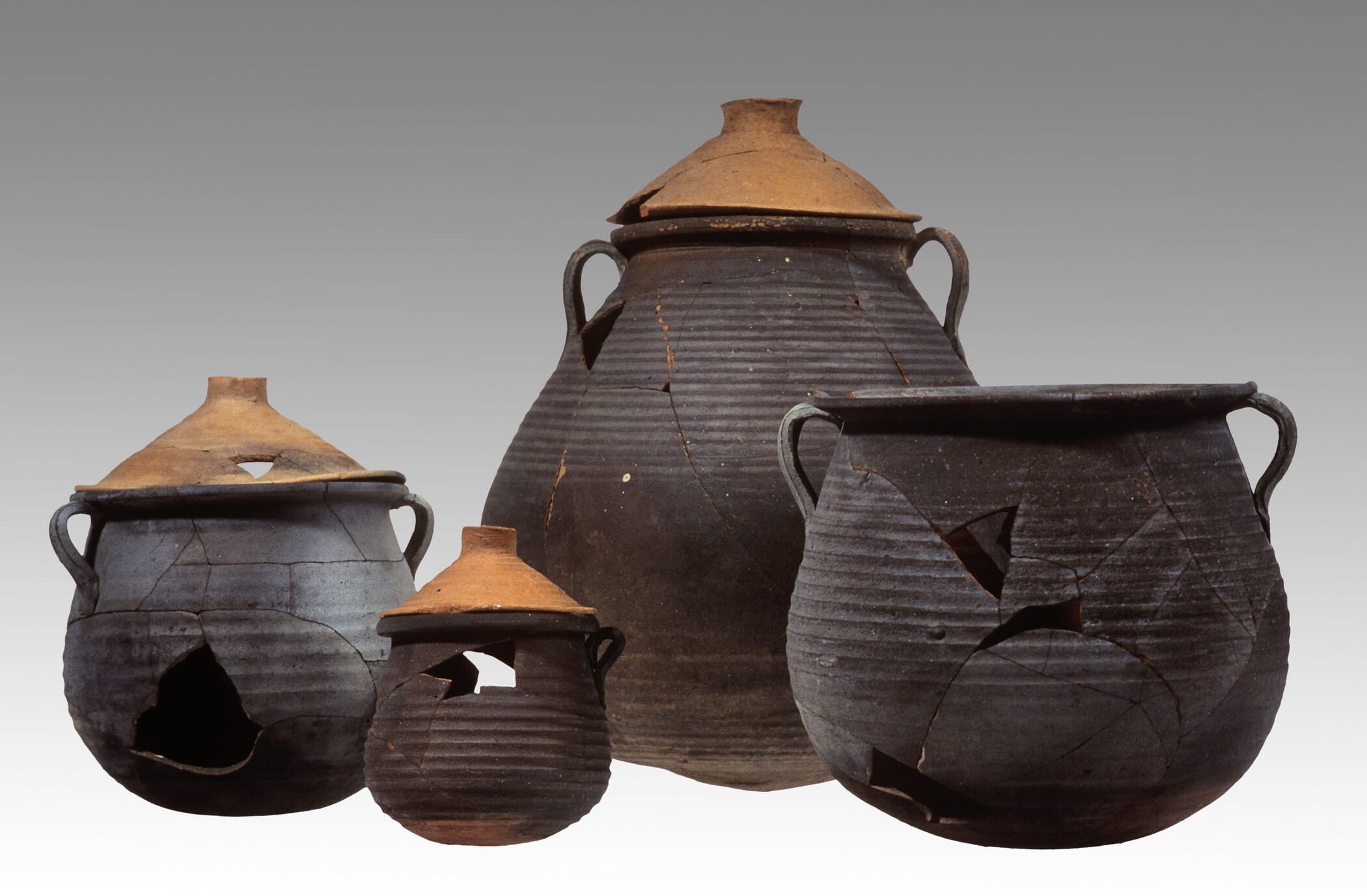
What Was Cooking in the Kitchens of Ephesos?
CULINARY ARCHAEOLOGY OF ANATOLIA 01
We explore the table of an ancient port city through archaeological evidence. From grains and seafood to cooking vessels and dining customs, we follow the traces of everyday life.
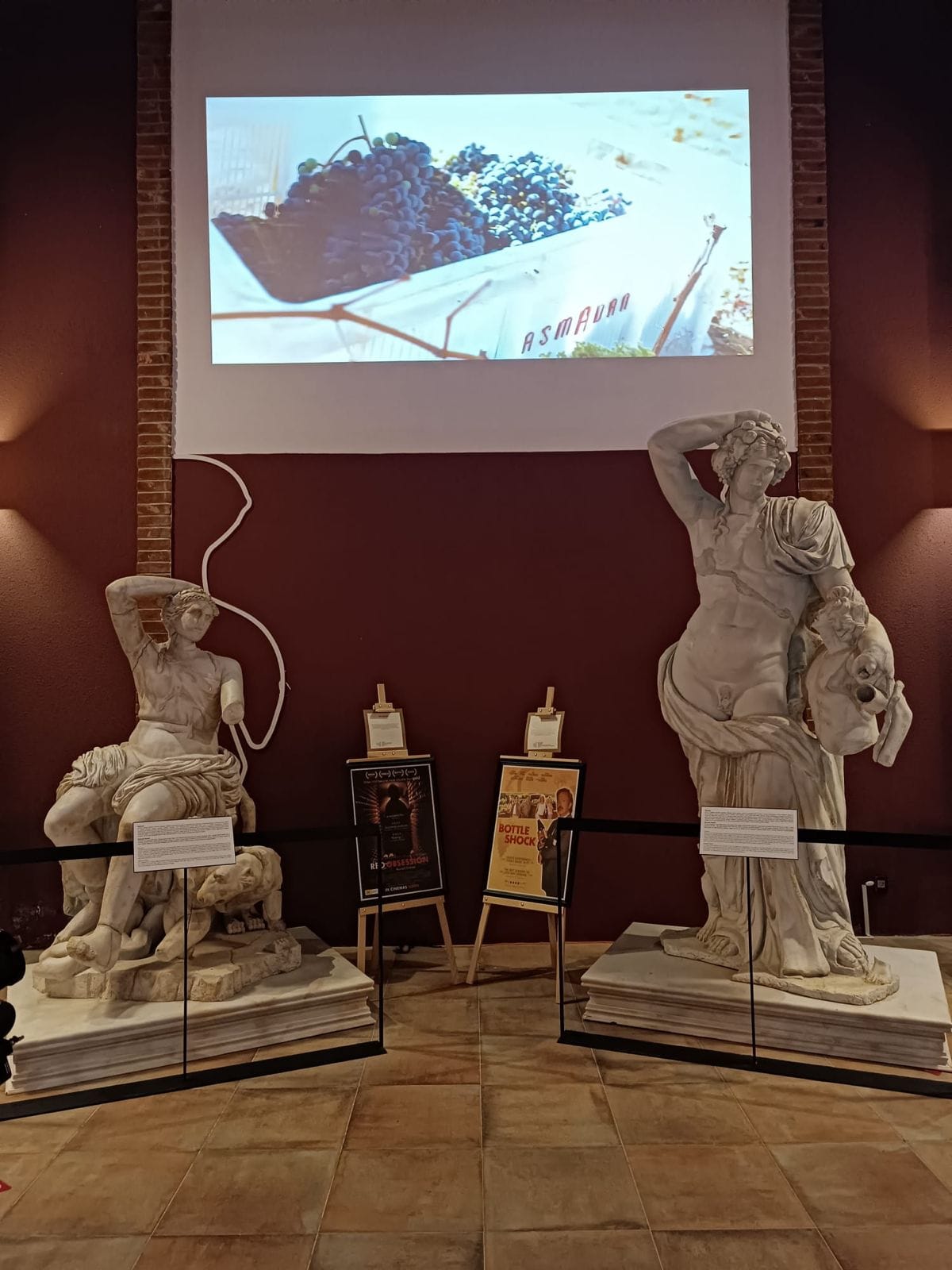
Asmadan Museum of Viticulture History
The Memory of the Soil
Located in Eceabat, the Asmadan Museum of Viticulture History explores the past of viticulture not only through wine, but also through the everyday lives of those who cultivated the land. Vineyard tools, production equipment and historical documents bring together traces of a culture passed down through generations. Here, Anatolia's millennia-old viticultural heritage comes to life through tangible objects.
The Museum Doesn’t End Here.
We continue to trace Türkiye’s viticultural and wine heritage. As new sites, new discoveries and new stories emerge, this open-air museum will continue to grow.