
Küresel şarap endüstrisinde üreticileri korumak ve standartları sabitlemek için kurulan geleneksel apelasyon modelleri, bugün sektörün dev isimleri için birer sınırlama haline gelebiliyor. 24 Ağustos 2025’te Guinaudeau ailesi, Château Lafleur ve grubun diğer beş şarabının 2025 hasadından itibaren artık Pomerol ya da Bordeaux AOC etiketini taşımayacağını, tümünün “Vin de France” olarak şişeleneceğini duyurdu. Mektupta temel gerekçe net: iklim değişikliği hızlandı ve AOC kuralları bu hıza ayak uyduramıyor. Ailenin ifadesiyle “Düşünmeli, yeniden uyarlamalı, harekete geçmeliyiz.”
Bunda iki hafta önceki bültenimizin haberlerinden birini apelasyona ayırmıştık. Yazının son bölümünü apelasyon sistemine yönelik eleştirilere ayırmış, konmuş olan kurallara yüklenen gücün, kuralların sağlamayı hedeflediği ürün kalitesini korumanın önüne geçtiği konusundaki tespitlere değinmiştik. Yazımızın zamanlaması büyük bir tesadüfle Château Lafleur’ün bayrak açmasıyla paralellik gösterdi.
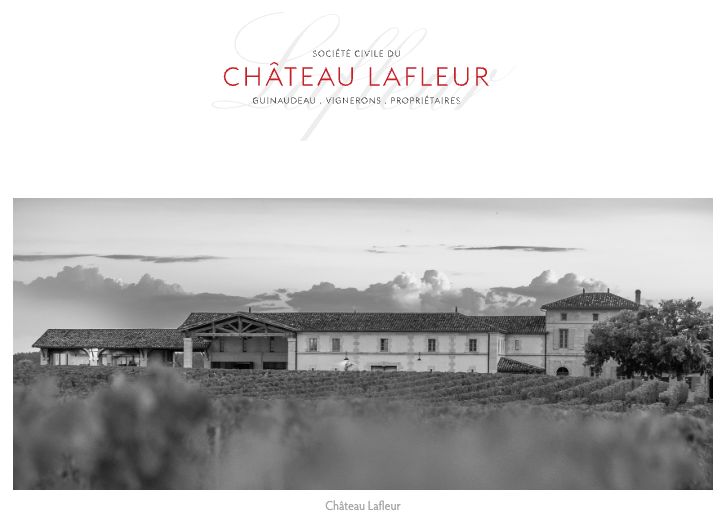
The gravity of the Lafleur case can be read in two ways. First, Lafleur is one of the most revered names in Pomerol. For an estate of this caliber to step outside the AOC is an unprecedented fracture in Bordeaux. Second, the scope of the decision: it is not only Lafleur, but also Les Pensées, Les Perrières, Château Grand Village (both red and white), and Les Champs Libres that will move under the Vin de France umbrella. This is not an isolated “experimental cuvée,” but an entire portfolio strategy.
The Reasons: Rapid Climate, Slow Rules
2015, 2019, and especially 2022 exposed Bordeaux to heat, drought, and uneven ripening on a scale not seen before. The family describes 2025 as “a step further.” In such extreme years, quick decisions in the vineyard and cellar are essential: when to irrigate, how high or dense to leave the canopy, shading leaves to prevent sunburn, or adjusting the harvest to balance alcohol and acidity. Yet AOC regulations remain slow and incremental on these very issues: irrigation permissions, planting density, authorized varieties, and timelines. Lafleur’s letter emphasized exactly this point: “Our decision-making processes and practices are evolving faster than the AOC system allows.”
Pratiğe tercüme edersek: Vin de France çerçevesi, üreticiye bağcılık ve şarap yapımında daha esnek bir hareket alanı tanıyor. Örneğin, olağanüstü kuraklıkta erken ve hedefli sulama ya da yaprak duvarının planlı bir biçimde “kısaltılması” gibi müdahalelerde, AOC’nin izin/zamanlama rejimini beklemek zorunda kalmamak, bu esnekliklerden bazıları. Sektör yorumlarında, 2025’te acil sulama yetkilerinin çok geç geldiğine dair eleştiriler vardı; böyle bir ortamda “iklimle eşzamanlı karar” imkânı üretici için hayati.
“Changing to Stay the Same”: Identity and Terroir
The Guinaudeau family sums up its stance in a paradoxical phrase: “We are changing to stay the same.” The aim is to preserve Lafleur’s style and the continuity of its vineyards. If that balance cannot be maintained under the AOC’s constraints, then sacrificing the word “Pomerol” on the label is, in their view, the price of keeping the wine’s soul intact. This choice lays bare the tension in Bordeaux between tradition and adaptation.
Naturally, a “Vin de France” label carries marketing risks. Without an appellation name, explaining origin to consumers—especially in the mid-market—can be difficult. But for an icon like Lafleur, where demand already far outstrips supply, the risk is minimal. For collectors and investors, the 2025 release will likely attract even greater interest, with scarcity narratives fueling both attention and secondary market dynamics.
Çarpan etkisi olur mu?
Elsewhere in Bordeaux’s fringes and across France, cult producers have chosen to step outside AOCs. But never before has Pomerol witnessed such a move at this scale. Lafleur’s departure could accelerate the debate on reform: irrigation, climate adaptation tools, even micro-regional flexibility will need to be revisited with more urgency.
A wave of high-profile defections is unlikely in the short term—most châteaux still depend on appellation names as their marketing backbone. More probable is a gradual shift, with small experimental cuvées testing the waters outside AOC boundaries. At the same time, Lafleur’s decision reopens the question: is it the appellation or the producer’s brand that anchors identity? A handful of estates—Lafleur among them—can now craft a terroir narrative without leaning on the AOC stamp. This isn’t an assault on the historical legitimacy of the system; rather, it is a strong flare shot into the sky, warning that the framework must evolve if it is to remain relevant in the climate age.
Tüketici ve piyasa için ne beklemeli?
Even without “Pomerol” on the label, the vineyard is the same, the team is the same, the obsession with quality unchanged. Early impressions of the 2025 harvest point to an “extraordinarily powerful” profile. In essence, what changes is a name; what remains is the drive for sustainability and finesse. Over time, this may lead Bordeaux consumers to focus less on appellations and more on producers, while institutions adapt to give them back both.
Closing Thoughts
Lafleur’s step flips the old equation: in the age of climate disruption, protecting quality may demand loosening the grip of rules. If the system cannot adapt quickly, more estates may choose this path. If it can, Lafleur’s move will be remembered as the moment that forced AOC into the twenty-first century.
Prensiplere bağlılık, sürekliliği sağlayan en önemli dinamolardan birisi. Apelasyonun neredeyse iki yüz yıla ulaşan geçmişi, Fransa’yı şarap dünyasının tartışmasız lideri konumuna taşıdı. Bugün Grand Cru, Premier Cru gibi unvanları elinde bulunduran üreticiler, apelasyonun sağlamış olduğu kimlikleriyle bütün dünyanın aradığı şarapları üretmeyi başardılar. Ama bugün, zamanında apelasyonun çizdiği çerçevenin yeniden tarif edilmesi zorunluluğu olduğunu söylüyor uzmanlar. Burada değişen koşulların sadece bir güç çatışmasına zemin mi hazırlayacağını, yoksa apelasyonun dolayısıyla da ürünün geleceğine odaklanan bir ortak hedef için mi mücadele edileceğini önümüzdeki günlerde göreceğiz.
Château Lafleur’ün ezber bozan bu kararı, küresel apelasyon sistemlerinin yaşadığı dönüşüm ve geleneksel kuralların geleceği ilginizi çekiyorsa, blogumuzdaki diğer stratejik analizlerimize da göz atabilirsiniz:
Bordeaux’da yaşanan bu krizin küresel çaptaki izdüşümlerini, coğrafi tescil ve kural prangalarını felsefi olarak tartıştığımız Tradition or Constraint? The Appellation System at a Crossroads başyapıtımızı inceleyebilirsiniz.
İtalya’dan çıkıp coğrafi sınırları yıkarak toprağın jeolojik kökenine odaklanan yepyeni, modern bir tescil hareketini okumak için A Kind of New Appellation: Volcanic Origin makalemize göz atabilirsiniz.
Katı endüstriyel standartları, bürokratik elitizmi ve güvenli ticari yolları reddederek 500’den fazla yerel şarapla özgürlükçü bir alternatif sunan felsefemizi anlamak için Şarabın Sorunu Ne, Nasıl Çözülür? and Güvenli Ticari Alanı Reddetmek: WAYANA’nın 500 Şaraplık Bir Menüyle Tek Tipleşmeye Direnişi analizlerimizi okuyabilirsiniz.
Küresel pazardaki kusursuz kalite algısıyla sıfırdan kendi ulaşılamaz lüks kültünü yaratan butik başarı hikâyelerini incelemek için The Birth of a Cult: Screaming Eagle and Reflections on Turkish Winemaking and From Cult Brand to Roadmap: Lessons from The Prisoner Wine Company içeriklerimizi ziyaret edebilirsiniz.