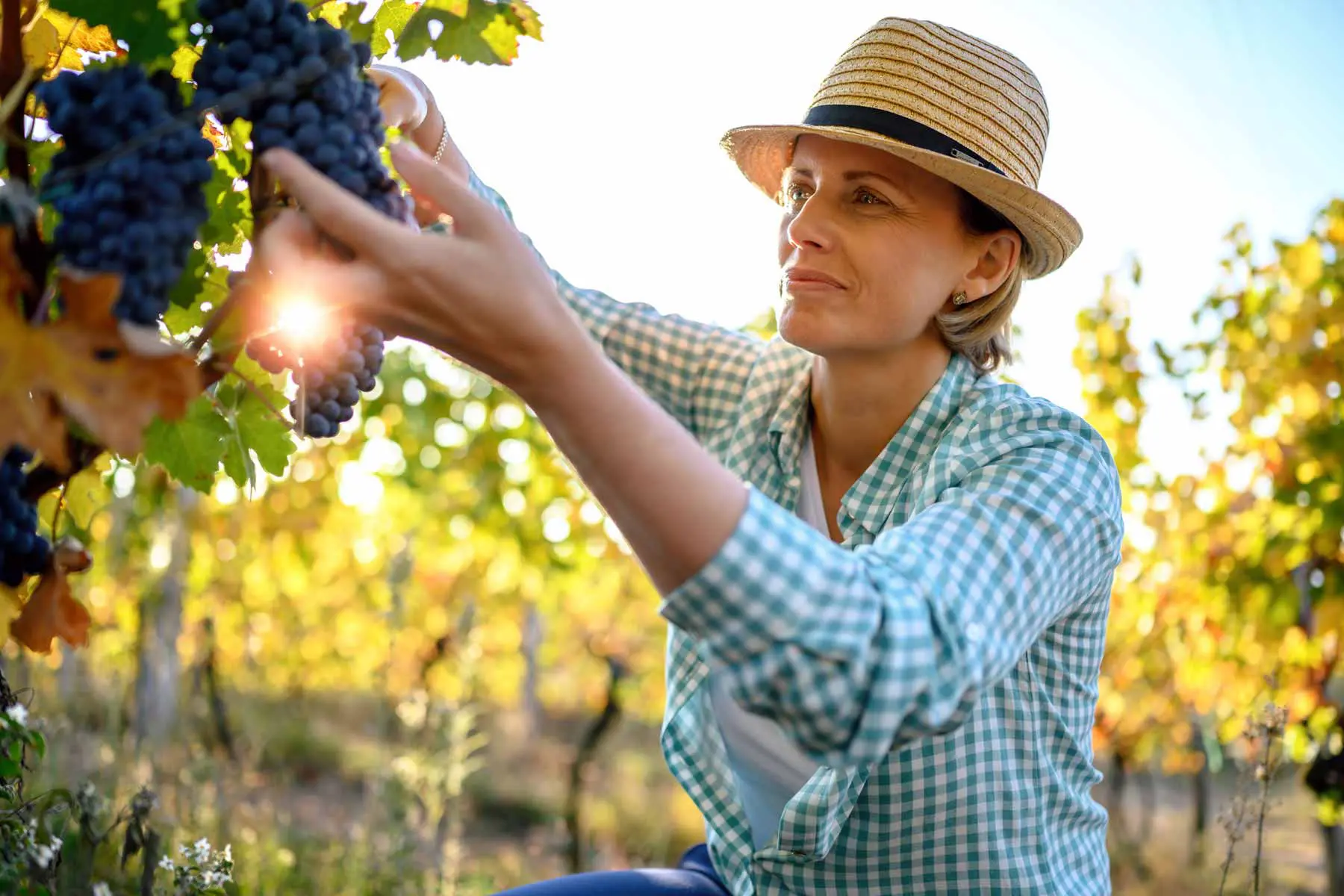
What does it take to become a Master of Wine? As 20 MWs prepare to visit Türkiye, we explore the history of this international community, its demanding qualification process, and its longstanding connections with Turkish wine. From Türkiye's first Master of Wine to the next generation of aspiring candidates, this is a story of knowledge, dedication, and discovery. READ THE ARTICLE →
In the coming days, Türkiye will welcome a distinguished group of visitors from the wine world. Twenty Masters of Wine will visit our country from 30 October to 6 November 2026 as part of a programme organised by the Wine Producers’ Association’s Wines of Türkiye initiative in collaboration with the Institute of Masters of Wine. The programme, covering İstanbul, Kırklareli and Nevşehir, will include visits to vineyards and wineries, tastings and meetings to exchange knowledge.
The visit also offers a welcome opportunity to take a closer look at a community we often talk about but do not know well enough: the Masters of Wine.
A Story Stretching from 1953 to the Present
Master of Wine, or MW for short, is one of the most demanding professional titles to earn in the wine world. Its story begins with the first examination, held in England in 1953. Of the 21 candidates who sat the examination that year, only six passed. Founded two years later, the Institute of Masters of Wine (IMW) gradually grew beyond the British wine trade to become an international professional body.
According to the IMW’s September 2026 announcement, there are 427 active Masters of Wine in 31 countries around the world. A total of 528 people have earned the title since the first examination. For a history spanning more than seventy years, this is a remarkably small community.
So why do these two letters matter so much?
What Does a Master of Wine Need to Know?
The Master of Wine title is not awarded simply for being able to identify wines, distinguish grape varieties or perform well in blind tastings.
An MW is expected to have knowledge across a broad spectrum, from viticulture and winemaking to wine handling and preservation, and international trade. The effects of climate change on viticulture, production technologies, wine faults, consumer behaviour, pricing, marketing and the current challenges facing the industry are all part of this field of knowledge.
Nor is memorising this information enough. Candidates must compare different production methods, assess the factors that influence quality, discuss economic and environmental consequences, and justify their conclusions.
The blind tasting examination is an important illustration of this approach. Candidates assess a total of 36 wines across three separate sessions. Alongside grape variety and geographical origin, they are expected to make evidence-based judgements about production method, style, quality and market positioning.
The final stage of the programme involves an original research paper of 6,000–10,000 words. Its subject is not restricted to viticulture or oenology; it may also encompass economics, history, sociology and other disciplines.
The Master of Wine title thus requires more than possessing knowledge: it also demands the ability to produce new knowledge and communicate it to others.
Türkiye Is Familiar Territory for the MW Community
Although next week’s visit is important, it will not be the Master of Wine community’s first encounter with Turkish wine.
International wine writer Jancis Robinson MWMW is among those who have written about tastings they have attended in Türkiye over the years. In her article Wine in Türkiye Today, on the positive changes in Turkish wine, she compares her tastings in 2009 with wines she has assessed more recently. She draws particular attention to the increase in the number of indigenous grape varieties represented. This comparison reveals how Türkiye has changed, both in production quality and in making use of its diversity of grapes.
Jancis Robinson’s speech at the 2024 Kök-Köken-Toprak event was particularly meaningful. Through the examples she gave, she underlined that a country’s wine sector can progress only through collective effort. We hope this MW group’s visit in 2026 is a sign that this collaborative approach is growing stronger.
Tim Atkin MWexplored the potential of Turkish wines in international markets. While highlighting the distinctive characteristics of indigenous varieties such as Öküzgözü, Boğazkere, Kalecik Karası, Emir, and Narince, he also drew attention to Türkiye’s challenges in promotion, distribution, and exports in articles written in the early 2010s.
Sarah Abbott MWis another expert with a longstanding interest in Turkish wine. Abbott, who serves as a judge in international wine competitions, focuses particularly on the potential of indigenous varieties, advances in production and the preservation of old vineyards. At the IWSC judging held in İstanbul in 2023, she noted that Turkish wines had made substantial progress in quality, consistency and diversity compared with her previous visits.
Another professional, Alistair Cooper MW who took part in the same judging, said that he found the indigenous grape varieties particularly interesting. The potential of Kalecik Karası, Narince and other Anatolian varieties to produce different wine styles was among the subjects attracting international experts’ attention.
Julia Harding MW also follows Türkiye’s development closely. In two extensive articles published in August and September 2026, she assesses more than 100 wines, most made from indigenous grape varieties, and examines the preservation of viticultural heritage, diversity in production, economic sustainability and access to international markets. Harding’s comparison of her observations from 2010 with the situation today is especially valuable in understanding the changes in Turkish wine.
Julia Harding’s observations at the 2026 Kök-Köken-Toprak event also pointed to our diversity of grape varieties as our most distinctive strength.
To these names we can add experts such as Caro Maurer MW, Peter McCombie MW and Christy Canterbury MW, who have taken part in tastings, education or international promotional work in Türkiye.
All this work tells us something important: Turkish wine is not a field that international experts are only now beginning to discover. In recent years, however, indigenous varieties, old vines, and regional identities in particular appear to have been attracting greater attention.
Türkiye’s First Master of Wine
There is also a name of particular significance to Türkiye in this story: Dilek Caner MW.
Dilek Caner, who earned the Master of Wine title in 2013, was the first Turkish person to do so. Working in wine education in the United States, Caner is an important example of what an expert from Türkiye can achieve in the international wine world.
Her success shows that the Master of Wine journey is an attainable goal for professionals trained in Türkiye, too.
Those Embarking on the Journey
Alongside the MW community is an international group of candidates studying towards the title. In 2025–2026, 320 candidates from 46 countries were taking part in this demanding course of study. The programme takes at least three years; for many candidates, it takes longer. Success requires professional experience, disciplined study, continuous tasting practice and research skills. It is particularly meaningful to us that there are also professionals from Türkiye who hope to embark on this journey, are preparing for it or are progressing through different stages of the programme. We want to encourage everyone who undertakes this long journey. Whether or not they ultimately attain the MW title, the effort to learn contributes both to personal development and to the wine culture of which they are a part. We wish every success to İrem Eren, Evren Evrim Kalkan and Fatih Sağnak, who have formally embarked on the long Master of Wine journey, and to friends who are also in the process but whose participation we may not be aware of. Let us reiterate that we at WAYANA are ready to support this journey as far as our resources allow.
Anatolia Has Many More Stories to Tell
Türkiye’s viticultural heritage extends beyond the wines produced today. Indigenous grape varieties growing across Anatolia’s diverse landscapes, production methods used for centuries, old vineyards and genetic resources that have yet to be adequately researched are all part of this heritage.
Climate change, biodiversity, old vines and the preservation of indigenous grape varieties are becoming increasingly important in the international wine world. Türkiye has a substantial body of knowledge to contribute in these areas.
Yet international experts cannot get to know Türkiye simply by tasting good wines. They also need to understand the geography, accumulated history and grape varieties behind those wines, as well as the difficulties producers face.
This is why we see the forthcoming MW visit as more than a programme of tastings and assessments. We see it as an opportunity to build new relationships between Türkiye’s viticultural heritage and the international wine world.
We hope the visit will open the door to new articles, research, international collaborations and fresh curiosity about Anatolia’s lesser-known grape varieties.
Welcome, esteemed members of the Master of Wine community.
Anatolia has many more stories to tell.