Culinary Archaeology of Anatolia 03
When we think of Troy, alongside the wooden horse, the names that come to mind are Hector, Achilles, Paris, and Helen, legendary figures familiar to us from epic poetry who have become part of history and mythology. We rarely think of the city's inhabitants whose names we do not even know, people who might have been called Piyama, Walmu or Alaksandu. Yet Troy was also home to people who worked, started families, and raised children. They were ordinary Trojans who bought vegetables and meat to cook in their kitchens and grew some of their own food. Taking inspiration from the Turkish poet Nâzım Hikmet, let us make room for their adventures in our story too.
Food, in fact, occupies an important place in Homer's epics. Meat roasted over fires, bread, wine and feasts are all part of the world of heroes. But to what extent do the meals described in these epics reflect the everyday eating habits of ordinary people living in Troy? To answer this question, we need to move from the world of literature into the world of archaeology.
The Troy we visit today on Hisarlık Hill in Çanakkale is actually a succession of settlements built upon one another over many centuries. When exploring Troy's culinary culture, we must therefore remember that we are not dealing with a single city or a single period. People lived here long before the Late Bronze Age settlements associated with the war described by Homer, and meals continued to be prepared and shared in the same landscape long afterwards.

From Field to Table
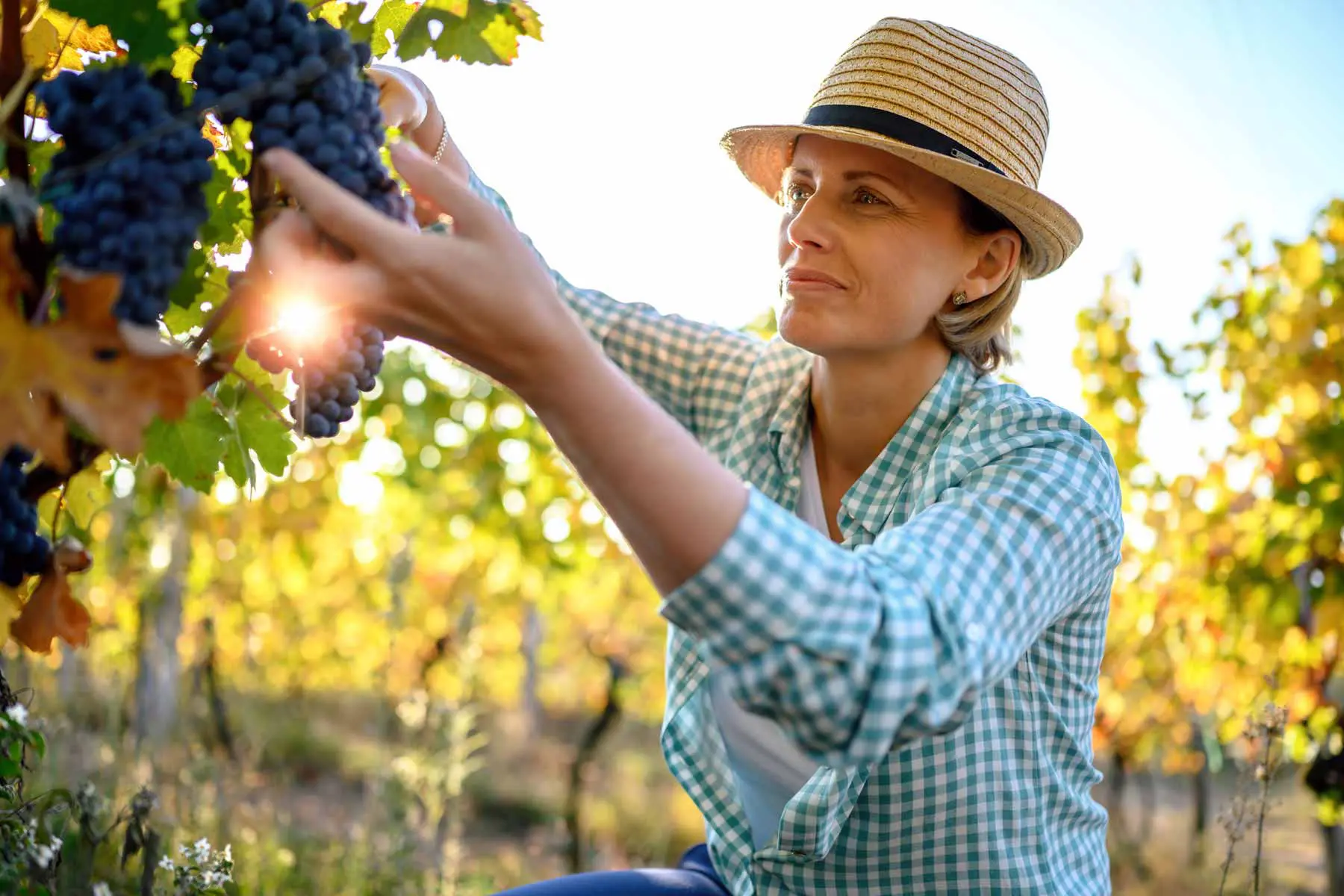
One of the most important studies helping us understand Troy's dietary habits is the research conducted by archaeobotanist Simone Riehl on plant remains recovered at Troy and Kumtepe. Seeds discovered during excavations, many of which survived to the present day after being charred in fires, provide valuable information about the agricultural activities of Troy's inhabitants. What is particularly interesting is that different crops came to prominence at different times. Towards the end of the Late Bronze Age, the period associated with the Trojan War, hulled wheats gained importance, while barley became more prominent during the Early Iron Age. Among pulses, chickpeas, which had once occupied an important place, appear to have gradually given way to peas.
We should not assume that all these crops were grown for human consumption. Bitter vetch, found in considerable quantities at Troy, was probably used largely as animal fodder. Remains of figs, grapes and olives offer insights into the variety of fruits available at Troy. The presence of these crops, which remain important elements of the northern Aegean's agricultural identity today, tells us much about the agricultural history of this region. We should remember, however, that further evidence is needed before we can conclude that olive oil and wine were produced from them.
Meat on the Trojan Table
Animal bones recovered during excavations, together with Can Yümni Gündem's research into the livestock economy of Early Bronze Age Troy, reveal that sheep, goats, cattle and pigs were among the settlement's principal animal resources. Sheep and goats provided not only meat but also milk and wool, while cattle could supply meat and milk as well as provide draught power for agricultural activities. The importance of pig husbandry at Troy appears to have varied from one period to another.
In addition to domesticated animals, bones belonging to wild animals, particularly deer, have also been discovered at Troy. Research by archaeozoologist Canan Çakırlar suggests that deer consumption should be considered not only in nutritional terms but also in its social and ceremonial dimensions. Hunting, sharing game and consuming particular animals at special gatherings could carry meanings that extended well beyond satisfying hunger in ancient societies.
Studies of animal bones from later periods, particularly the Iron Age, have identified cut marks and traces of meat removal that help us understand how animals were butchered. Evidence of exposure to high temperatures on some of these bones can also be associated with cooking activities.
From Sea to Table
Like many ancient settlements along the Aegean coast, Troy once stood close to the sea. The importance of the sea to Troy extended beyond transport and trade. It was also a significant source of food. Another study by Canan Çakırlar, examining more than 54,000 mollusc remains recovered at Troy, reveals the details of this relationship.
Tunç Çağı katmanlarında lagün ortamlarına uyumlu çift kabuklu yumuşakçaların (Cerastoderma glaucumBivalve molluscs adapted to lagoon environments, particularly the lagoon cockle (Cerastoderma glaucum), were prominent in Bronze Age layers, while oysters gained importance in later periods. Through these changes, we can trace not only people's consumption preferences but also transformations in the environment in which they lived. We should also remember that certain marine snails were used to produce purple dye. A fire installation discovered at Troy, surrounded by concentrations of broken marine snail shells, has been associated with this production activity.
Research on fish bones also indicates that various species of fish were consumed at Troy. Taken together, these findings allow us to speak with confidence of a remarkably diverse range of food resources available to the city's inhabitants.
Stepping Inside a Trojan Kitchen
A doctoral thesis completed in 2025 at the University of Pavia by Italian researcher Giacomo Casucci provides an important source for understanding food preparation at Troy. Casucci investigated food preparation and cooking techniques across different regions of Anatolia between 1650 and 650 BCE. By examining 954 fire installations and 9,295 items of kitchen equipment from 110 archaeological sites, he produced a comprehensive assessment of Anatolian culinary technologies. Troy was one of the settlements included in his research.
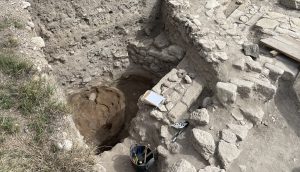
Among the findings documented by Casucci are domed ovens measuring more than one metre in diameter, discovered in the Late Bronze Age lower town of Troy. The floors of some of these ovens were constructed by arranging different materials in layers to create a heat-resistant surface.
One of the impressive buildings of Troy VI, known in excavation reports as the Pillar House underwent alterations during a later phase of its existence. A new section, interpreted as a possible kitchen, contained a domed oven with a circular stone foundation measuring approximately two metres in diameter. The presence of enclosed ovens alongside open hearths demonstrates that the inhabitants of Troy employed different cooking techniques.
Building 700, dating to Troy VIIa, is particularly valuable because it allows us to observe evidence of several activities associated with a kitchen within the same structure. The building contained a hearth covered with ash and charred material, an installation thought to have been used for grinding, two small grinding stones, and charred remains of wheat and bitter vetch. Another installation adjoining the building's outer wall has been interpreted as the possible remains of the lower sections of two domed ovens. Carl Blegen and his excavation team suggested that the building may have served as a kitchen or been associated with bread production. What we are looking at, therefore, are traces of food preparation, grinding, and cooking activities similar to those carried out in our kitchens today, all taking place within the same space thousands of years ago.
How Did the Trojans Make Their Bread?
Casucci's comparative research on western Anatolian settlements includes a particularly interesting observation. Although domed ovens were identified among the Late Bronze Age and Iron Age findings examined, no tandoor-type ovens were recorded. The researcher suggests that this difference may be related to a preference in western Anatolia for leavened bread baked in domed ovens.
Although this does not constitute definitive evidence that leavened bread was baked at Troy, it offers an important clue for investigating the relationship between oven technology and bread-making traditions. Broad, circular, flat-bottomed ceramic vessels interpreted as baking trays have also been discovered at Troy. One published example dating to Troy VIIa measures approximately 45 centimetres in diameter.
The presence of such equipment suggests that cereals may have been prepared not only by boiling them in vessels but also by making dough and cooking it on heated surfaces or in ovens. This provides an intriguing starting point for exploring the history of the different bread-making traditions that continue to coexist in Anatolian cuisine today.
Troy's Unusual Stew
A cooking vessel encountered during Carl Blegen's excavations at Troy brought a smile to the archaeologists' faces. Alongside charred organic material, the vessel contained small fragments of pig or cattle bones, tuna vertebrae, gill remains from another large fish, a horse's ankle bone, and the shell of a marine snail. In his excavation report published in 1953, Blegen remarked that, if these were indeed the remains of a single meal, they were dealing with a rather unusual stew. It is also possible, however, that the vessel had been used to collect waste.
The possibility that stew-like dishes were prepared at Troy is supported by other archaeological findings. A considerable proportion of Late Bronze Age cooking vessels have rounded bodies, considerable depth and short necks. Such vessels are well suited to cooking food in liquid and keeping it warm for extended periods.
In the later Early Iron Age layers, small, single-handled cooking jugs have been identified. Casucci suggests that these vessels may have been used to prepare small portions of liquid or semi-liquid dishes, such as stews. When we consider Troy's cereals, pulses and animal food resources together, meat stews, cereal porridges and dishes made with pulses emerge as plausible possibilities.
Life Stored in Jars
Large storage jars recovered during excavations at Troy shed light on food preservation and storage practices. Particularly striking are the large jars known as pithos partially embedded in the floors of houses dating to Troy VIIa, towards the end of the Late Bronze Age. Embedding these jars in the ground may have allowed more efficient use of space while also providing some protection against temperature fluctuations for the products stored within them.
During the earlier phases of archaeological research at Troy, the intensive storage activities observed in Troy VIIa were sometimes interpreted as preparations for an impending war or siege. For an archaeologist searching for traces of the war described by Homer, it would have been all too easy to find such an explanation appealing. More recent research, however, suggests that changes in the settlement's population, the organisation of agricultural production in the surrounding countryside and the accumulation of produce within the city may also have played a role in this development.
The Cups of Heroes, the Cups of Ordinary People
Let us now turn to the place of wine in research into Troy's food and dining culture. A study published in 2025 by Stephan W. E. Blum, Maxime Rageot and Tobias Mühlenbruch examined organic residues preserved in drinking vessels used in Early Bronze Age Troy, revealing important evidence of wine consumption. One of the most striking findings was that chemical traces associated with wine were detected not only in Troy's famous two-handled drinking vessels, known as depas amphikypellon but also in simpler drinking cups.
This suggests that wine may not have been reserved exclusively for the special gatherings of the period's elite. We should remember, however, that this research concerns a period approximately a thousand years earlier than the Late Bronze Age Troy associated with Homer's heroes. Troy's relationship with wine is sufficiently rich to warrant a study of its own, encompassing grape cultivation, drinking vessels, amphorae, trade and ceremonial gatherings. We will explore this subject in a separate article.
What Can Kitchen Utensils Tell Us?
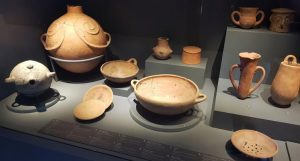
Significant changes can be observed in the kitchen equipment used at Troy following the end of the Late Bronze Age. Alongside cooking vessels that had been made on the potter's wheel for centuries, handmade vessels with different shapes and surface characteristics began to appear. Some of these bear similarities to examples from the Balkans.
These changes did not occur simultaneously across all categories of tableware. According to the research discussed by Casucci, while vessels used for cooking and storage changed during Troy VIIb1, a considerable proportion of the vessels used for eating and drinking continued the traditions of the preceding period. Initially, these changes were thought to be associated with the arrival of new groups of people at Troy. Chemical analyses aimed at determining the origins of the pottery, however, have shown that some of these new forms were also produced locally.
We should therefore regard kitchen utensils as more than objects used to prepare food. They are also witnesses to the relationships that societies established with one another.
Those Who Remained in the Shadow of Heroes
When we visit Troy, we try to find traces of the stories we have heard and read in the ruins around us. This time, let us try stopping in front of a grinding stone, an oven, or a fragment of a cooking vessel. Someone once ground wheat on that stone. Someone lit the oven and prepared it for the food they were about to cook. Someone cleaned the fish they had brought from the sea. Someone hoped that the grain stored in their jars would be enough to feed their family until the next harvest.
Perhaps some of the dishes they prepared bore no resemblance to the food we serve at our tables today. Others, despite the thousands of years separating us, might not seem unfamiliar at all. We cannot reconstruct a complete recipe from Troy's kitchens. But through the evidence provided by archaeology, we can come a little closer to the everyday lives of the people who once inhabited this city.
While Homer tells us who fought at Troy, archaeology seeks to tell us who lived there.
Because Troy was not merely a city where heroes fought. It was a place where ordinary people gathered around their tables, day after day.
References:
- Blegen, C. W. vd. (1953). Troy III: The Sixth Settlement. Princeton University Press.
- Blegen, C. W. vd. (1958). Troy IV: Settlements VIIa, VIIb and VIII. Princeton University Press.
- Casucci, G. (2025). Foodways and Cooking Practices in Anatolia Between the 2nd and 1st Millennium BCE. Doktora tezi, Università degli Studi di Pavia. Özellikle s. 97–111 ve 464–477. https://hdl.handle.net/11571/1521875
- Riehl, S. (1999). Bronze Age Environment and Economy in the Troad: The Archaeobotany of Kumtepe and Troy.
- Riehl, S. ve Marinova, E. (2016). “The Interplay of Environmental Change, Socio-political Stress and Human Resilience at Early to Middle Bronze Age Troy.” Early Bronze Age Troy, s. 319–336.
- Gündem, C. Y. (2010). Animal Based Economy in Troia and the Troas During the Maritime Troy Culture. Doktora tezi, Tübingen Üniversitesi.
- Çakırlar, C. (2016). “Early Bronze Age Foodways in the Aegean: Social Archaeozoology on the Eastern Side.” Early Bronze Age Troy, s. 291–303.
- Çakırlar, C. (2009). “To the Shore, Back and Again: Archaeomalacology of Troia.” Studia Troica, 18, s. 59–86.
- Van Neer, W. and Uerpmann, H.-P. (1998). Archaeozoological research on fish remains from Troy. Archaeozoology of the Near East III.
- Thumm-Doğrayan, D., Pavúk, P. ve Pieniążek, M. “Economy and Storage Strategies at Troy.”
- Pavúk, P. (2020). The Pottery of Troy VI: Early and Middle.
- Aslan, C., Kealhofer, L. ve Grave, P. (2014). “The Early Iron Age at Troy Reconsidered.” Oxford Journal of Archaeology, 33(3), s. 275–312. https://doi.org/10.1111/ojoa.12038
- Blum, S. W. E., Rageot, M. and Mühlenbruch, T. (2025). Research on wine consumption in Early Bronze Age Troy. American Journal of Archaeology, 129(2), s. 263–279. https://doi.org/10.1086/734061