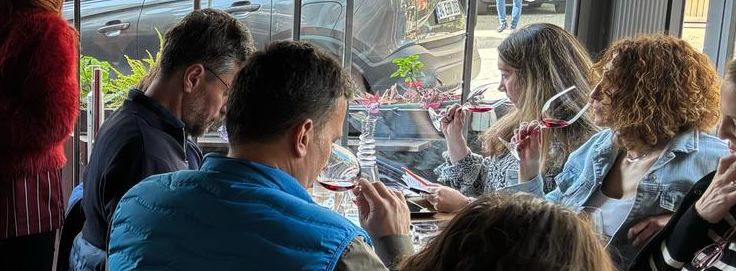
WAYANA 101 Kimler İçin Hazırlandı?
Bir şarabı gerçekten anlamak için yalnızca onu tatmak yeterli midir? Yoksa üzüm tanesinin bağda başlayan yolculuğunu da bilmek gerekir mi? O zaman soru şöyle sorulmalı: Herkes şarap eğitimi almalı mı? Şarap eğitimi, herkes için uygun ve gerekli değil. Şarap sever olarak adlandırdığımız ve WAYANA’nın konuklarını oluşturan profil, kendi içinde farklı gruplardan oluşuyor. Bu gruplar arasında en büyük orana sahip olan, damaklarına uygun şaraba sevdalı ve bu şarabın farklı çeşitleriyle mutlu olan şarap severlerden meydana geliyor. Bu gruptaki konukların beklentileri arasında şarap eğitimi yer almıyor.
Kimisi yoğun, gövdeli şarapları, kimisi aromatik, hafif şarapları, kimisi ağırlıklı olarak beyazları veya kırmızıları kendi damaklarına uygun bularak ana seçimlerini yapıyor. Sonrasında da bu ana seçimlerine uygun olarak bizim geniş seçkimizin sunduğu alternatifler arasında geziniyorlar.
Bazı konuklarımızınsa üretim metodunu birinci sıraya koyan seçimler yaptığını görüyoruz. Örneğin, natürel şarap onların önceliği. Bu durumda da karşılarına bizim Natürel Menümüzün sunduğu neredeyse 100 şaraplık bir yelpaze çıkıyor.
Bu yazımıza konu olan şarap severlerin ise önceliği farklı. Onlar, şarabın arkasında ne olup bittiğini öğrenmenin peşindeler. Üzümün bağda başlayan ve kadehe kadar devam eden yolculuğunun her aşamasında olup bitenleri öğrenmek, onların esas ilgi alanlarıdır.
For them, we designed an experience that answers exactly those questions: WAYANA 101.
WAYANA 101 ile Temel Şarap Eğitimi ve Atölye İçeriği
WAYANA 101 sheds light on the journey of the grape, exploring the three core elements that make wine what it is:
- The Grape and the Vine
- Teruar
- The Human Element
The program concludes with two final parts: The Winemaking Process and The Components of Wine.
The Grape and the Vine
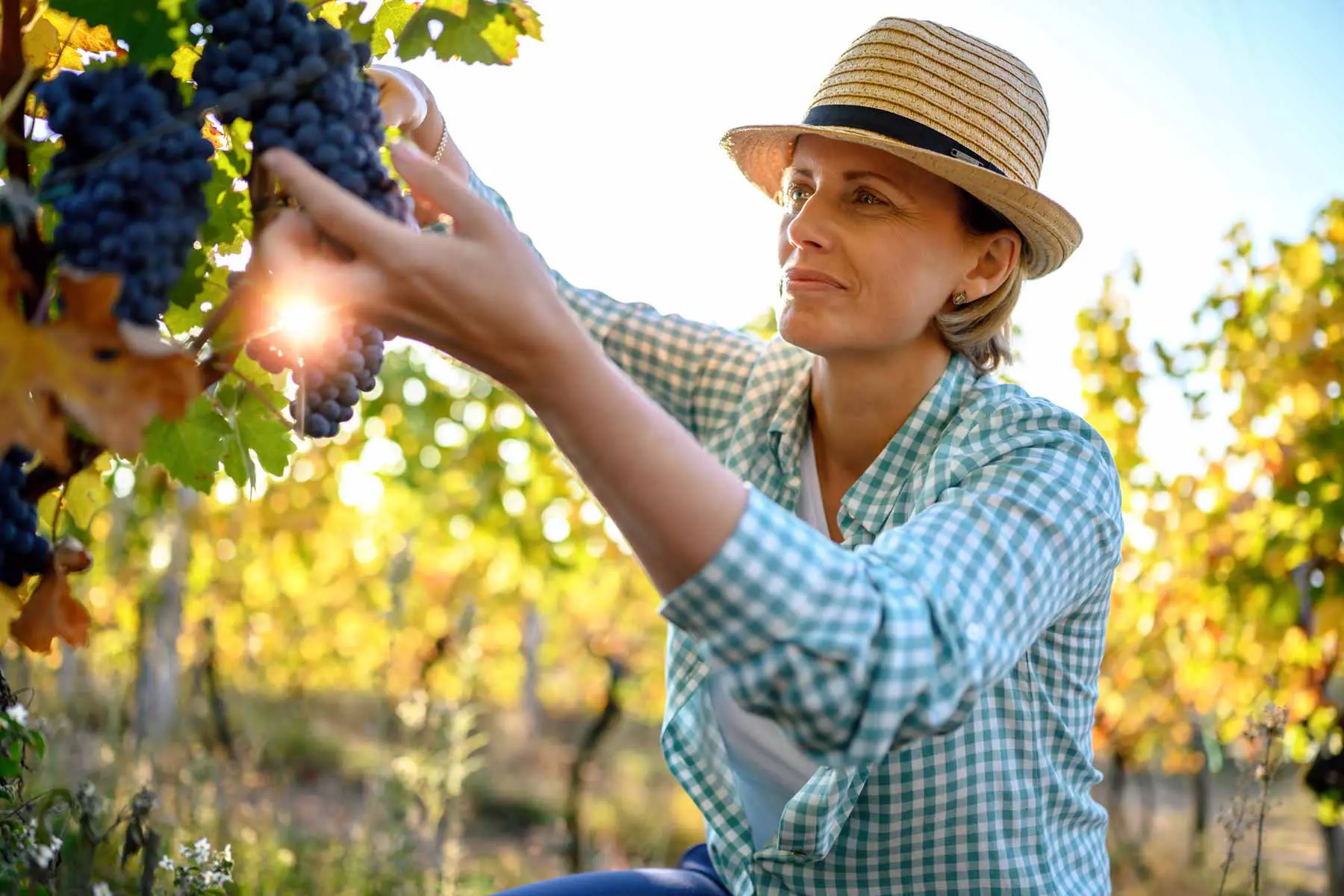
Asmanın dünyadaki varlığının 60 milyon yıl olduğunu hatırlatan giriş sonrasında yabani asmaların günümüzün kültür asmalarına evrilmesi sürecine ve şaraplık üzümlerin hangi yönleriyle farklı olduklarına değineceğiz. Dünyada kabul gören şaraplık üzüm çeşitlerine göz atıp, Türkiye’nin üzüm çeşitliliği açısından konumunu inceleyeceğiz. Şaraplık Türk üzümü çeşitlerinden öne çıkanları kısaca anımsatarak bu bölümü tamamlayacağız.
Teruar
Üzüm kadar önem taşıyan teruvar ikinci ana başlığımız olacak. Teruvar dediğimizde, bu kavramı oluşturan bileşenlerin ne denli büyük bir çeşitlilik gösterdiğini, her bir bileşenin üzüme ve şaraba etkisinin neler olduğunu sezdirerek konuyu işleyeceğiz.
The Human Element
Modern bağcılığın sağlamış olduğu gerek donanım gerek bilişim olanaklarının üretim sürecine olumlu katkılarını başlıklar halinde inceleyeceğiz ve sonunda bütün bunların ancak yetkin ellerde seçkin ürünlere dönüşebileceğini örneklerle anlatacağız. İyi şarap yapımında insanın rolünün ne olduğu bu başlığın ana konusu olacak.
Üretim Süreci
From planting and yearly vineyard care to harvest and bottling, this section walks participants step by step through production.
Beyaz ve kırmızı şarap üretiminin natürel ve klasik şarap üretiminden hangi yönlerden farklılık gösterdiği ve üretim sürecinde gözetilen fiziksel ve kimyasal süreçler de bu bölümün başlıkları arasında.
Şarabın Bileşenleri
Şarabın değerlendirmesinde esas aldığımız asit, tatlılık, alkol ve tanen ile bunların bileşimi olarak ortaya çıkan gövdenin temel özelliklerini anlatıp her birinin duyu organlarımız üzerindeki etkilerini uygulamalı olarak göstermek bu bölümün ana fikri.
Tadımın Akışı
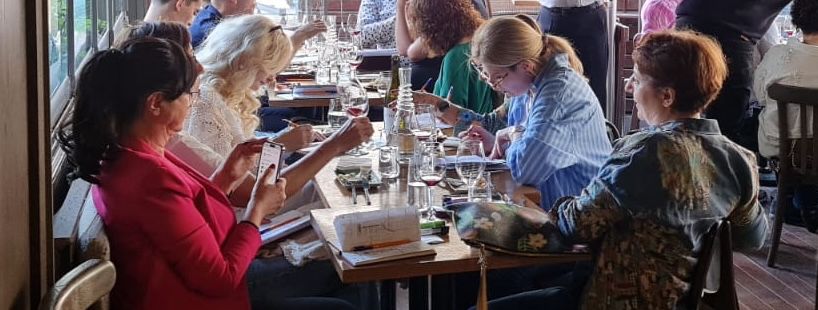
WAYANA 101 blends storytelling and tasting into a single experience. We taste twelve wines selected to illustrate specific traits: one highlights acidity, another tannin, another sweetness, another alcohol or texture.
Each pour becomes a lesson in how a single component can define a wine’s identity. In the second half, we move to an open tasting format. The questions that naturally form in participants’ minds during the first part turn into the conversation topics of the second. Some of those questions even find their own answers in the glasses that follow.
Of course, wine is a vast and endless subject. Every concept we touch on in WAYANA 101 could be a field of study on its own — one that dedicated professionals spend years mastering. That’s why we describe WAYANA 101 not as a destination, but as a beginning.
Son Söz Yine WAYANA 101 Şarap Eğitiminde:
WAYANA 101, bu serinin birinci etkinliği. Artık şarap eğitiminin birinci durağı tamamlandığına göre, şarap dünyasının katmanlı, oya gibi işlenmesi gereken süreçlerini tanımaya başladığımız yolculuğun ikinci durağı WAYANA 102 olacak.
WAYANA 102 will explore areas such as sparkling, sweet, and fortified wines; the evolution of barrel aging; and the impact of changing climate on vineyards and winemaking.
Şarabı tanıma virüsü çok tehlikeli bir virüs. İnsana bir kez bulaştığında kolay kolay çıkmıyor. Ama bu tatlı bir virüs— yaşamınıza derinlik katacağından şüpheniz olmasın. WAYANA 101’den sonra sırada işin ikinci etabı var: WAYANA 102.
Şarap kültürü, tadım teknikleri ve damağınızı geliştirecek pratik tüolar ilginizi çekiyorsa, blogumuzdaki diğer rehber içeriklerimize de göz atabilirsiniz:
Eğitimde öğreneceğiniz o meşhur damak adaptasyonu kuralını derinlemesine incelediğimiz Şaraba Şans Vermek İçin “İkinci Yudum” Kuralı makalemizi okuyabilirsiniz.
Kadehteki tat dengelerini mikro düzeyde değiştiren bir diğer unsuru keşfetmek için Şarap ve Yemek Uyumu: Tuz Kristallerinin Gizli Rolü yazımıza göz atabilirsiniz.
Şarapta algıladığımız gövde ve yapının kimyasal arka planı için The Molecular Signature of Wine: A New Era in Tannin and Acid Analysis and Şarapta Asidite Nedir? Asidite Şarabın Tadını Nasıl Etkiler? rehberlerimizi inceleyebilirsiniz.
WAYANA’nın bu eğitim felsefesini destekleyen 500’den fazla yerel şaraplık geniş menüsünün ardındaki hikâye için Güvenli Ticari Alanı Reddetmek: WAYANA’nın 500 Şaraplık Bir Menüyle Tek Tipleşmeye Direnişi içeriğimizi ziyaret edebilirsiniz.