Wine Culture and Science

Wine is more than a beverage produced in vineyards and cellars. It is a cultural heritage shaped by science, art, and social life.

At WAYANA, we explore wine's connections with chemistry, biology and sensory perception, as well as its place in literature, art, history and everyday life, drawing on research and diverse perspectives.

Şarap tüketimi düşünce boş kalan masalar

Şarap Sofradan Kalkıyor mu?

Türkiye’de daralan bütçeler, restoran alışkanlıklarını ve şarap tüketimini değiştiriyor. Şarabın sofradaki yeri neden giderek zorlaşıyor? Ekonomik koşulların keşfetme merakımıza etkisini ve şarap kültürünün geleceğine ilişkin yeni arayışları ele alıyoruz.
Butük ve endüstriyel şarap

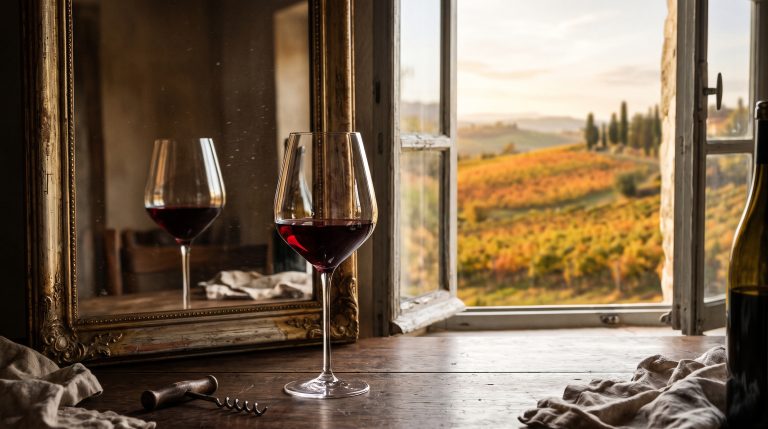
Boutique vs. Industrial Wine: Mirror or Window?

Is finding the same taste every time you open a bottle a reassuring promise? Or could we see variations in the glass not as flaws, but as expressions of nature and the character of a particular vintage? A personal reflection on the predictability of industrial winemaking and the surprising world of boutique production.
READ THE ARTICLE →

Master of Wİne Türkiye gezisi

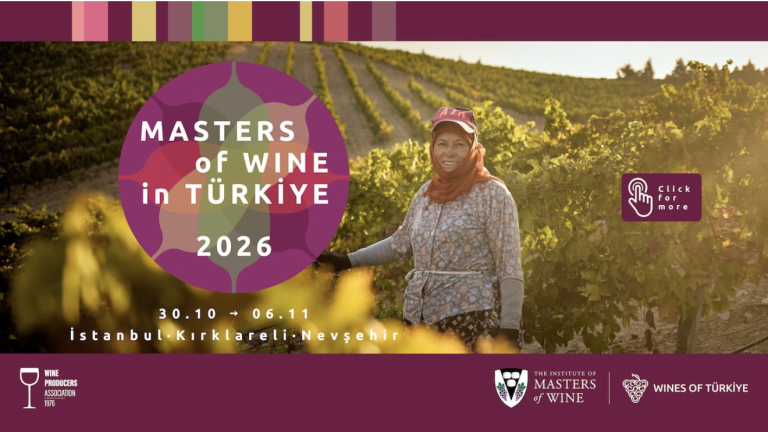
Master of Wine: More Than Two Letters

Şarap dünyasının uluslararası uzmanlık topluluğu, Türkiye ile ilişkileri ve bu unvana uzanan zorlu yolculuk Önümüzdeki günlerde Türkiye, şarap dünyasının dikkat

şarap dünyasının geleceği

The Next 10 Years in Wine: What Lies Ahead?

Global wine consumption is declining, vineyards are being pulled up and inventories are growing. But this is not the end of wine. The industry is rebalancing. Which regions, styles and ideas are likely to shape the decade ahead? This article is currently available in Turkish.

şarap terimleri

Terminology Minefields 2: Using Terms Correctly

Some of the terms we commonly use in the world of wine are not as straightforward as they may seem. From grape species and varieties to terroir, old vines and ancient grapes, and from organic and biodynamic practices to natural wine, we examine what these concepts actually mean.

şarap kalitesi

Is There Such a Thing as Good Wine?

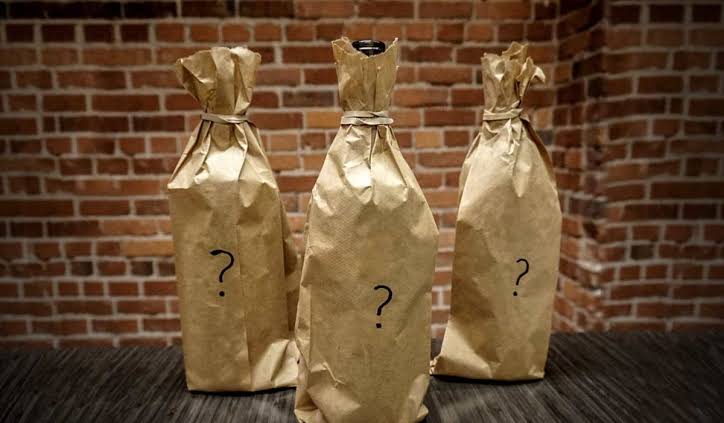
Can people who experience the same wine differently still reach a shared judgement about its quality? In the third article of our series inspired by John Dilworth, we distinguish between perception, preference and judgements of quality, following a question that leads from blind tasting to intersubjectivity: how much of what we call good wine lies in the wine itself, and how much in the shared language we have developed to evaluate it?