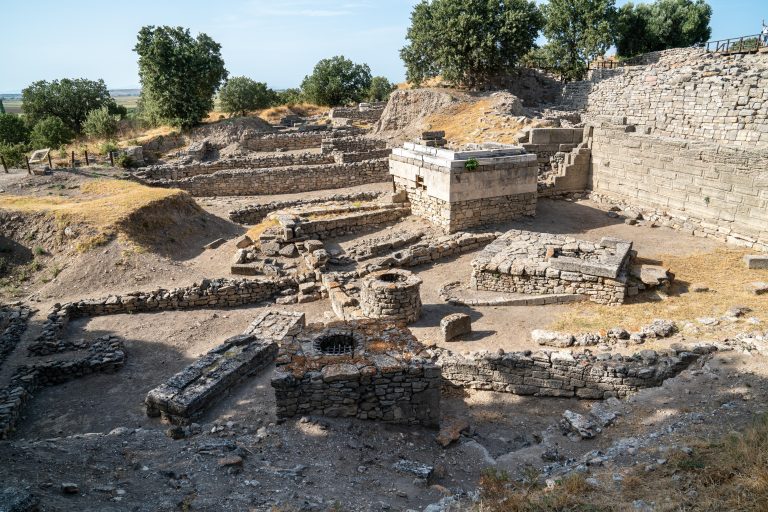
Troy: Real Tables in the Shadow of Heroes
Homeros’un kahramanlarının gölgesinde kalan sıradan Troyalılar ne yiyorlardı? Arkeolojik bulgulardan hareketle Troya’nın tarlalarına, mutfaklarına, fırınlarına ve sofralarına uzanan bir yolculuğa çıkıyoruz.

Homeros’un kahramanlarının gölgesinde kalan sıradan Troyalılar ne yiyorlardı? Arkeolojik bulgulardan hareketle Troya’nın tarlalarına, mutfaklarına, fırınlarına ve sofralarına uzanan bir yolculuğa çıkıyoruz.
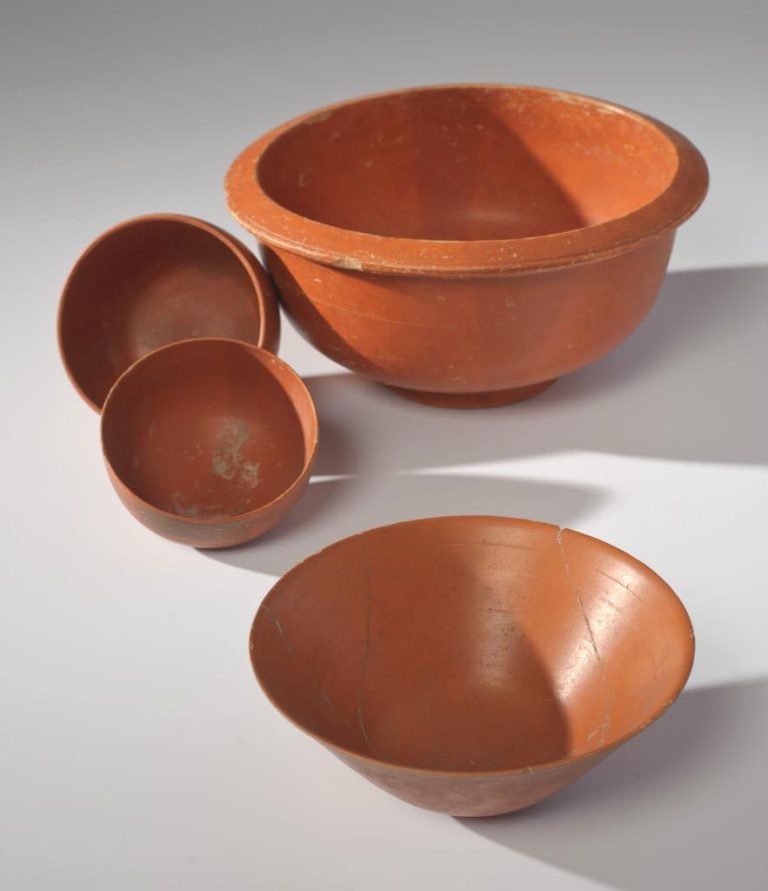
What was cooking in the kitchens of Sagalassos, high in the Western Taurus Mountains? From grains and fish brought from distant lands to traces of fats preserved in ceramic vessels, archaeological discoveries offer a glimpse into the dining habits of two thousand years ago.
READ THE ARTICLE →
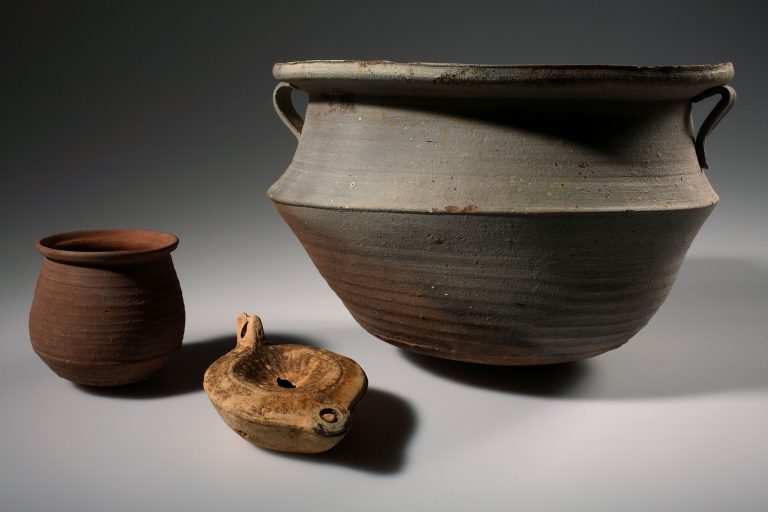
What did people eat in Ephesos two thousand years ago? From Roman banquets to Byzantine cookshops, archaeological discoveries reveal the changing food culture of this ancient city and its connections with the wider Mediterranean world.
READ THE ARTICLE →
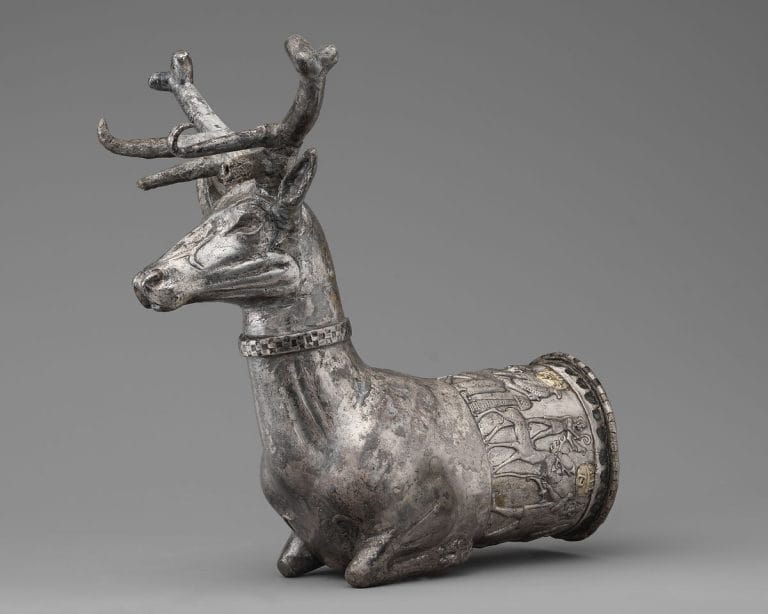
From animal-shaped vessels discovered at Kültepe to the silver stags of the Hittites, we explore the role of rhytons in Anatolia's ancient drinking and offering rituals, and their connections to wine culture.
READ THE ARTICLE →
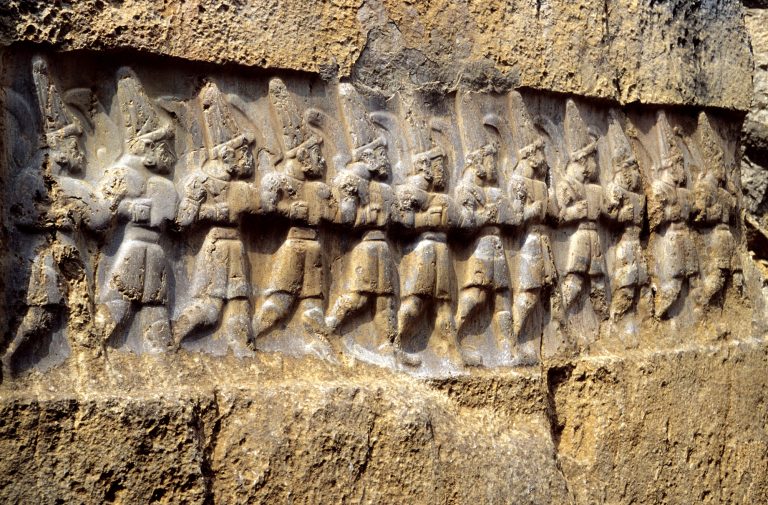
Some 3,500 years ago, the Hittites had laws governing damage to vineyards. From the value of vines and the price of wine to royal correspondence, ancient records offer a fascinating glimpse into Anatolia's long history of viticulture and wine.
READ THE ARTICLE →
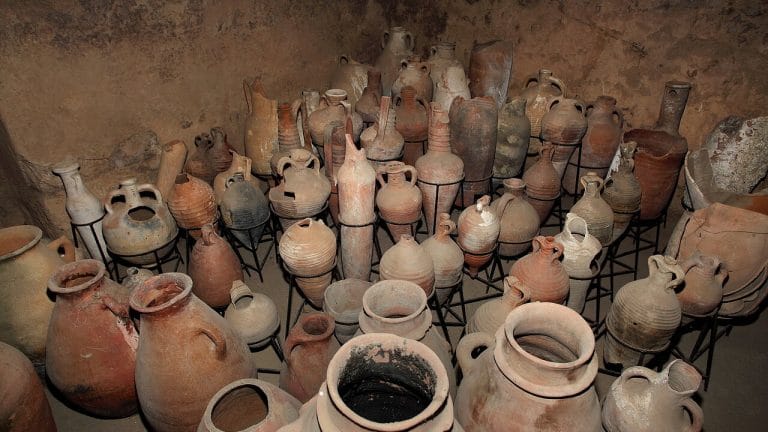
Ephesos, one of the most celebrated cities of the ancient world, was an important centre for the circulation of wine thanks to its location near the sea. In antiquity, this major port city played a significant role not primarily as a centre of viticulture and wine production, but as a hub of wine trade.
READ THE ARTICLE →
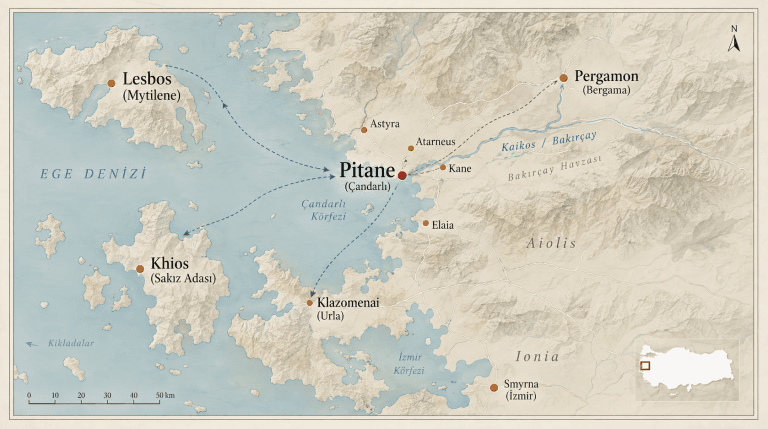
We do not yet know whether Pitane produced wine of its own. But amphorae from Chios and Klazomenai, its connections with Lesbos, and its hinterland extending towards the Bakırçay valley show that ancient Çandarlı was part of an Aegean world in which wine circulated widely.
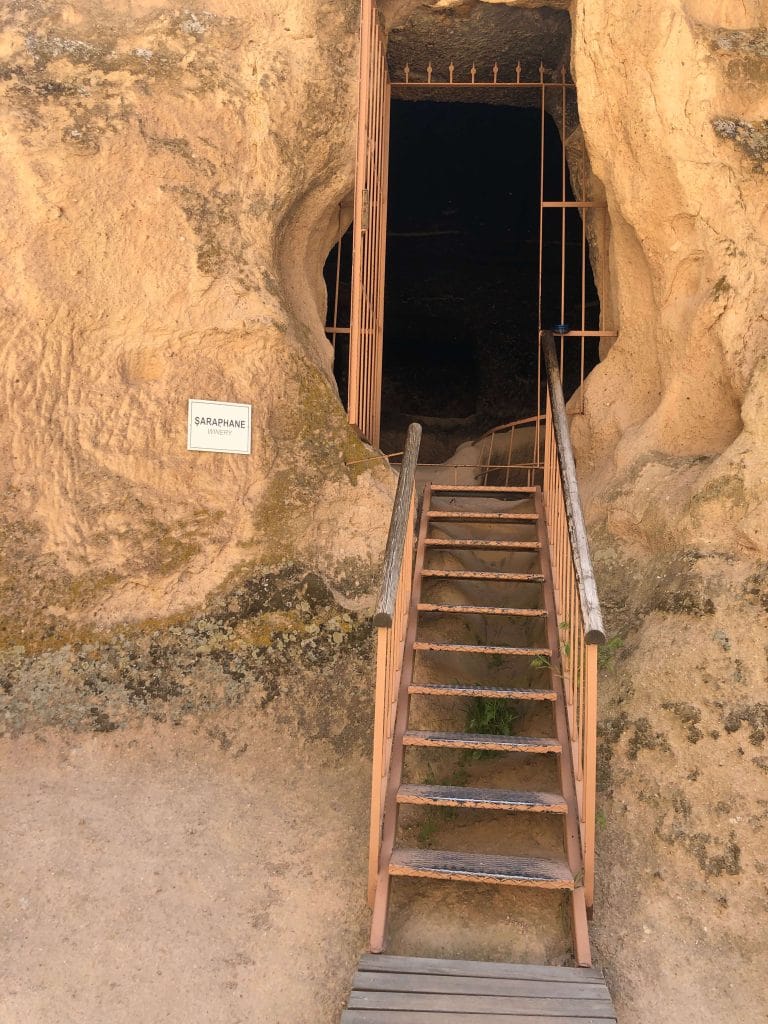
Türkiye’s ancient cities, historic vineyards and museums offer countless places to explore the history of wine. We tell the story of how WAYANA’s idea of “The World’s Largest Open-Air Wine Museum” came to life, and introduce the journey we are about to embark on together.
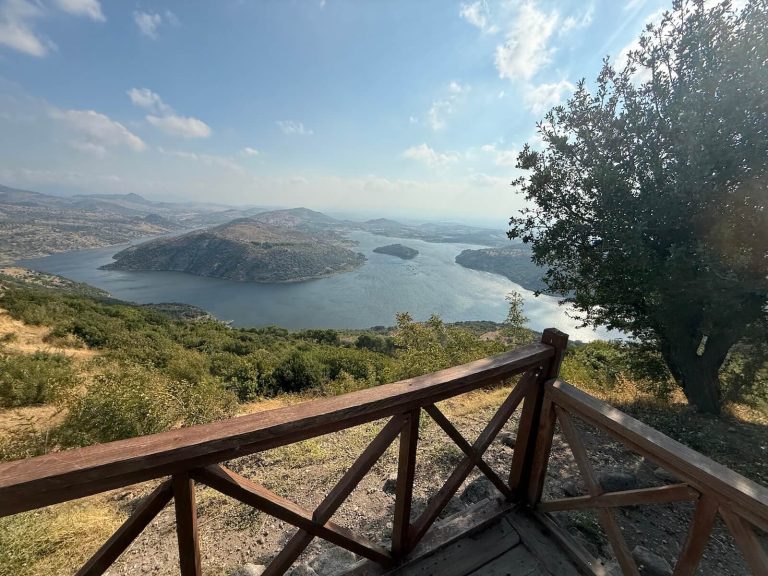
From the fertile alluvial plains of the Bakırçay Valley to the steep slopes of the Acropolis and the healing tunnels of the Asclepion, we trace thousands of years of viticultural and wine heritage in Bergama.
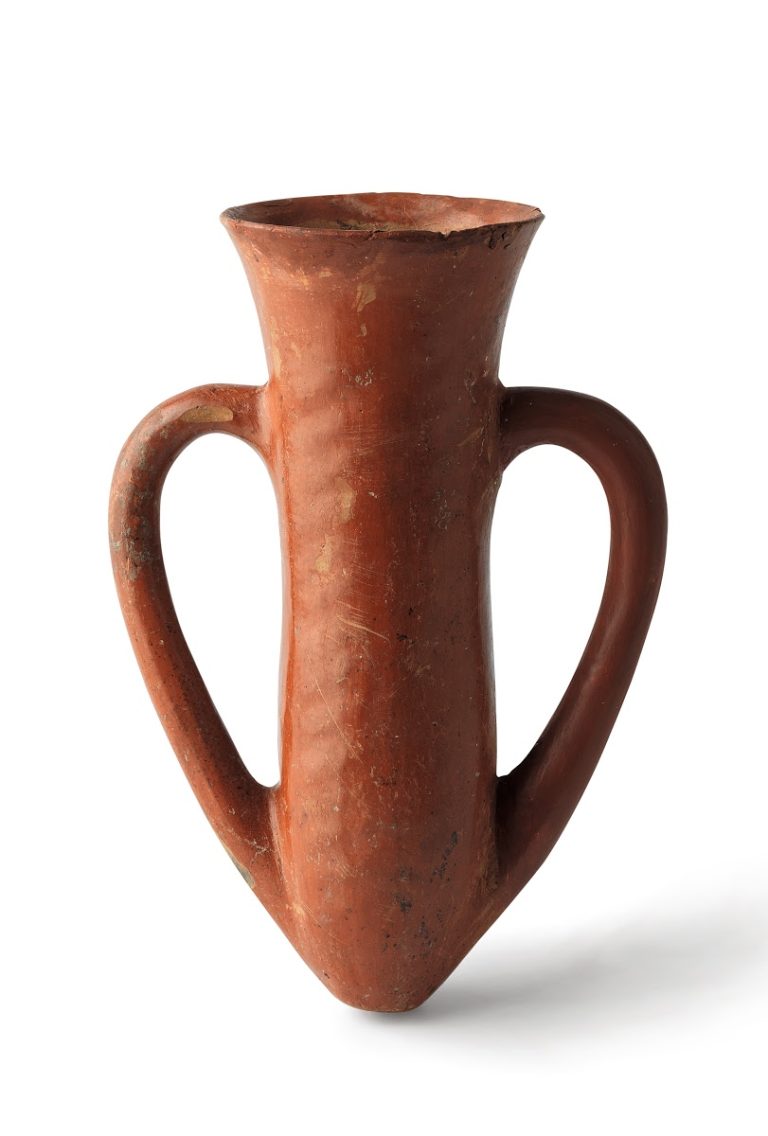
The Depas Cup, a Symbol of Troy, and the Wine History of Thrace:
If your travels take you to ancient cities and archaeological excavation sites, you may encounter...