Geleneksel bağcılık yöntemlerini modern ekolojiyle harmanladığımızda, asmanın diğer bitki türleriyle kurduğu o sessiz izdivaç ilişkisinin ardındaki derin tarımsal deha gün yüzüne çıkar. Bilim insanlarının asma fosillerini inceleyip varlıklarını 60 milyon yıl öncesine götürdüklerini görünce afallamıştım. Ama sonra düşünüp asmanın bitki türlerinin pek çoğundan farklı olarak neredeyse her cinsin toprakta yaşama kabiliyetini hatırlayınca aslında şaşırmamak gerektiğini idrak ettim. Onların, yaşanan bütün jeolojik zaman değişimlerine uyum sağlayarak varlıklarını sürdürmeleri zaten bunun canlı kanıtıydı.
Asmanın tarihini hatırlayalım:
Paleontologların yaptıkları araştırmalarda ortaya çıkan fosiller, yaklaşık 60 milyon önce gezegenimizin iki ayrı bölgesinde asmanın hayat bulduğunu gösteriyor. Bunlardan Hindistan’daki daha erken fark edildi; Orta Amerika’dakilerin bulunmasıysa çok yeni; geçtiğimiz yıl yayınlanan bir makaleyle öğrendik.
Bu bulgu jeolojik dönemler açısından bir başka önemli dönüm noktasıyla yakından ilişkili. Dünyamıza çarparak bir dönemin kapanmasına ve dinozorların yok olmasına sebep olan olay 66 milyon yıl önce gerçekleşti. Dünya’nın girdiği karanlık dönemi geride bıraktıktan sonra ortaya çıkıp serpilen türler arasında asma da var.
Asmanın geride kalan 60 milyon yıl içinde hem varlığını sürdürmesi hem de dünyaya yayılması, zaten ne kadar esnek ve değişimlere uyum sağlayan bir yapısı olduğunu gösteriyor. Asmanın atalarından bugüne kadar, yaklaşık 80 farklı ana başlıkta derlenen Vitis aileleri ortaya çıkmış. Bunlardan birisi de bizim kendimize en yakın hissettiğimiz Vitis vinifera ailesi.
Asmanın Yaşam Yolculuğu
Over the course of its long life, the vine had two indispensable companions: birds and trees.
Birds—descendants of dinosaurs—were among the few species to adapt to the planet’s post-extinction environment. They’ve always been drawn to grapes, and in return, helped the vine spread by carrying seeds far and wide.
Trees, on the other hand, offered vines a ladder to the sun. With their climbing, tendril-rich nature, vines used trees as scaffolding to access the light they needed to turn water and nutrients into life force.
And this very partnership brings us to our subject today:
Vite Maritata – Married Vines
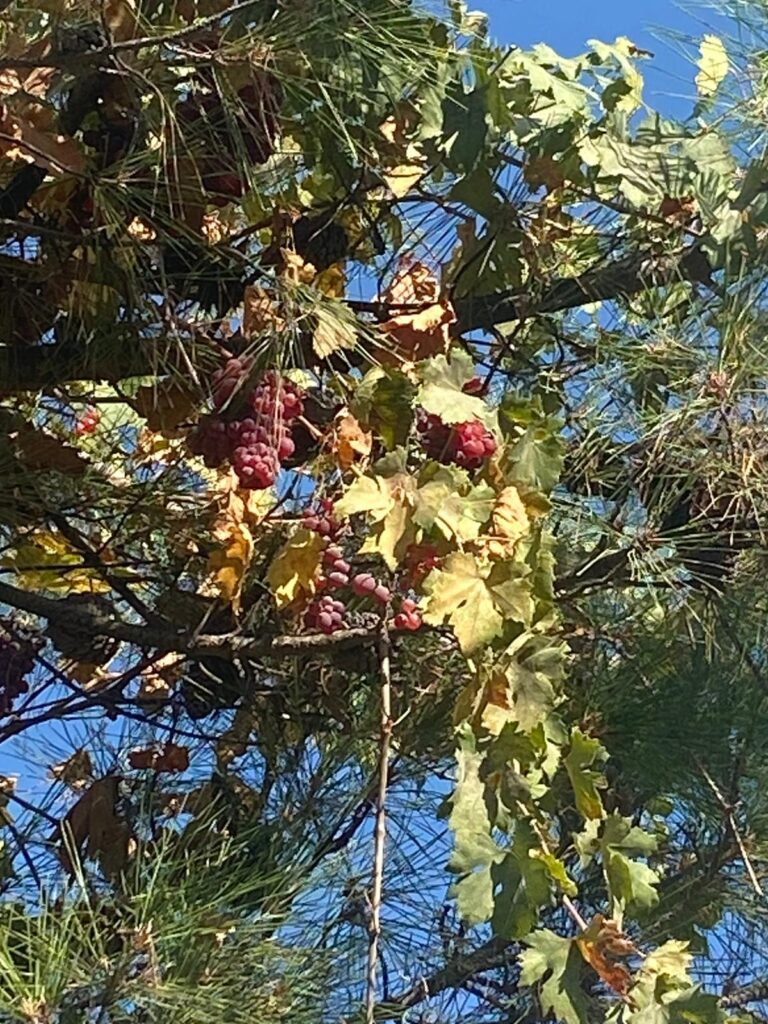
Biology has a word for co-existence: symbiosis. It refers to the mutually dependent relationship between different species. While this term entered scientific vocabulary only 150 years ago, the concept itself has existed for millions of years—and may have been practiced by humans since the dawn of agriculture.In fact, we still see living examples today: vines intentionally planted next to trees, climbing and wrapping themselves around their trunks.
There’s also a protective logic to this. A vine wrapped around a tree is likely to live as long as the tree itself isn’t cut down. While people may prune or remove a vine with little hesitation, cutting down a tree is a more serious decision. And for the vine, this offers a greater chance of survival.
Kadim Tarım Kültüründe Asma ve Ekolojik İzdivaç
Historical records show that tree-climbing vines were widespread during the Etruscan period in Italy. Today, we tend to associate vineyards with neatly ordered rows. Those with a more traditional background might recall “gobelet” vines, trained low to the ground.
But the Etruscans—who ruled pre-Roman Italy for nearly a thousand years—gave viticulture its roots in the Mediterranean. And this was also the time when married vines thrived.
We owe the global spread of vine and wine to the Romans, who inherited and internalized Etruscan practices. Grapes from vines entwined around trees were turned into wine and continued to fill glasses for centuries.
Later in the Roman era, we begin to see vines trained not on trees, but on stakes driven into the ground. This shift allowed viticulture to expand across larger areas, and ushered in the beginnings of modern vineyard practices: regular spacing, structured rows, and controlled pruning.
After the fall of Rome, it was monasteries that carried the vine’s legacy forward. Married vines became more symbolic than practical. Controlled production techniques—low-wire systems, short pruning methods, and bush-trained vines—took center stage.
Günümüzde Married Vines
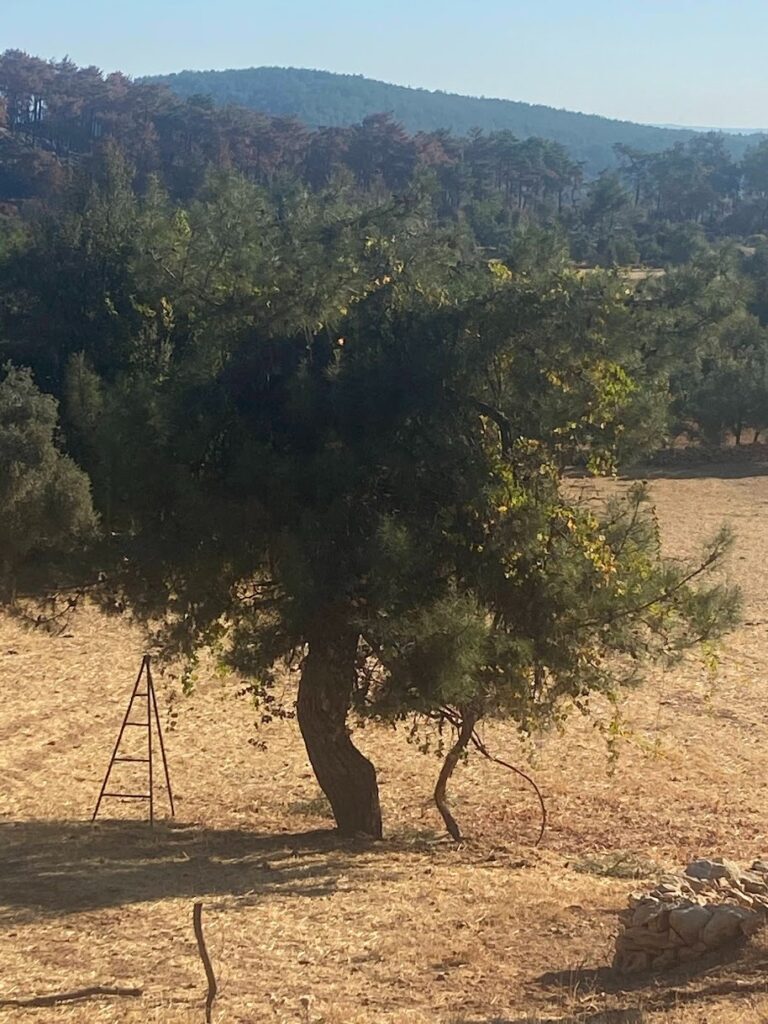
In Italy, married vines are preserved as part of cultural heritage. In the Campania region, the local grape variety Aspirinio is still grown this way. Harvesting requires tall ladders resting against the trees.
In the Caucasus—across Georgia, Armenia, Iran, and Azerbaijan—viticulture took root and evolved. While documentation is scarce, we may yet encounter living examples of tree-trained vines in these regions.
And what about Anatolia? This land is where wild grapevines were first domesticated. It has played a central role in every major milestone of viticulture and winemaking. That holds true for married vines as well—we do have living examples right here.
Married Vines’a gönül veren iki üretici: NEFERİYE ve KERASUS
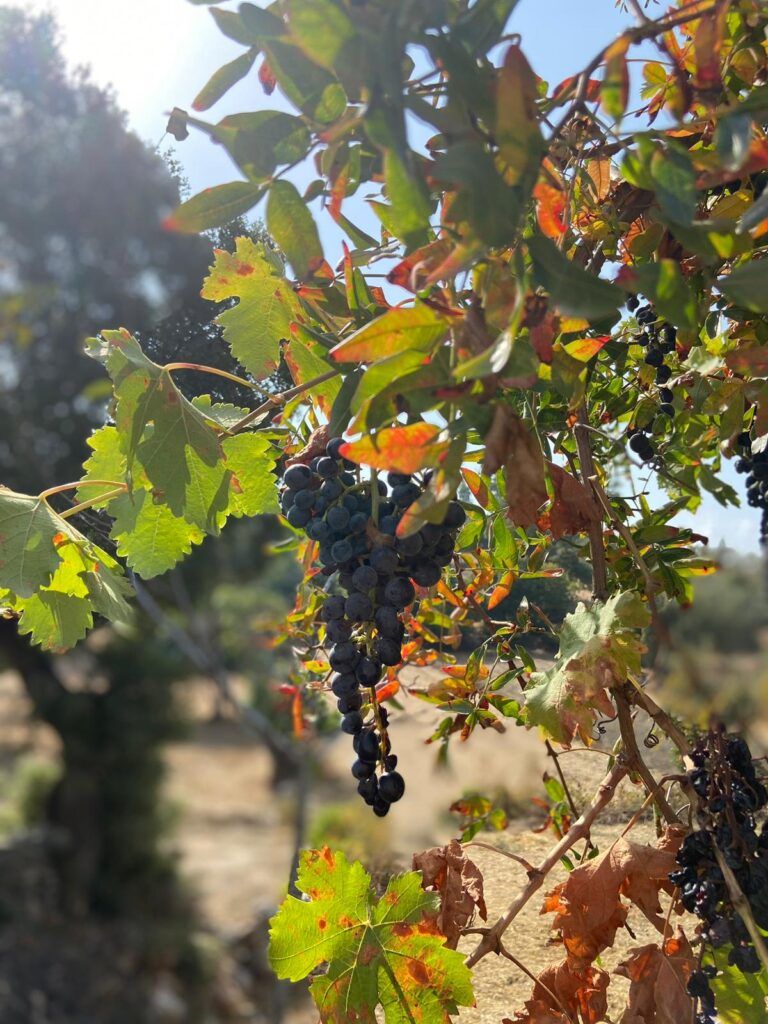
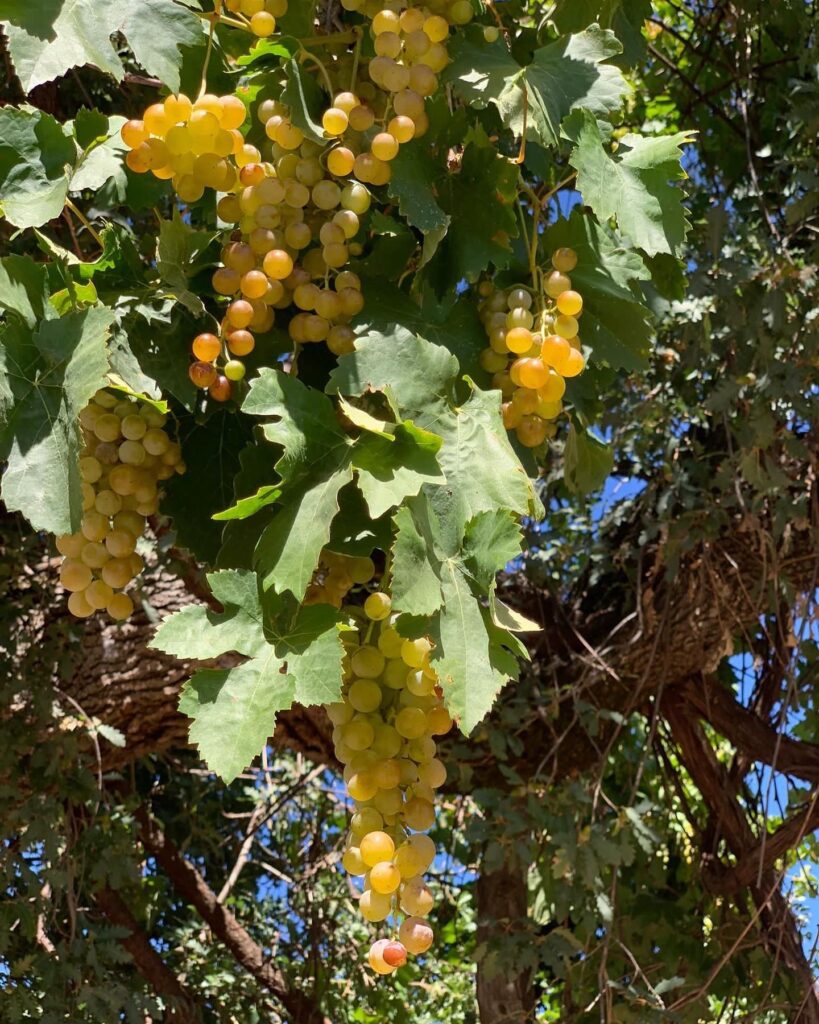
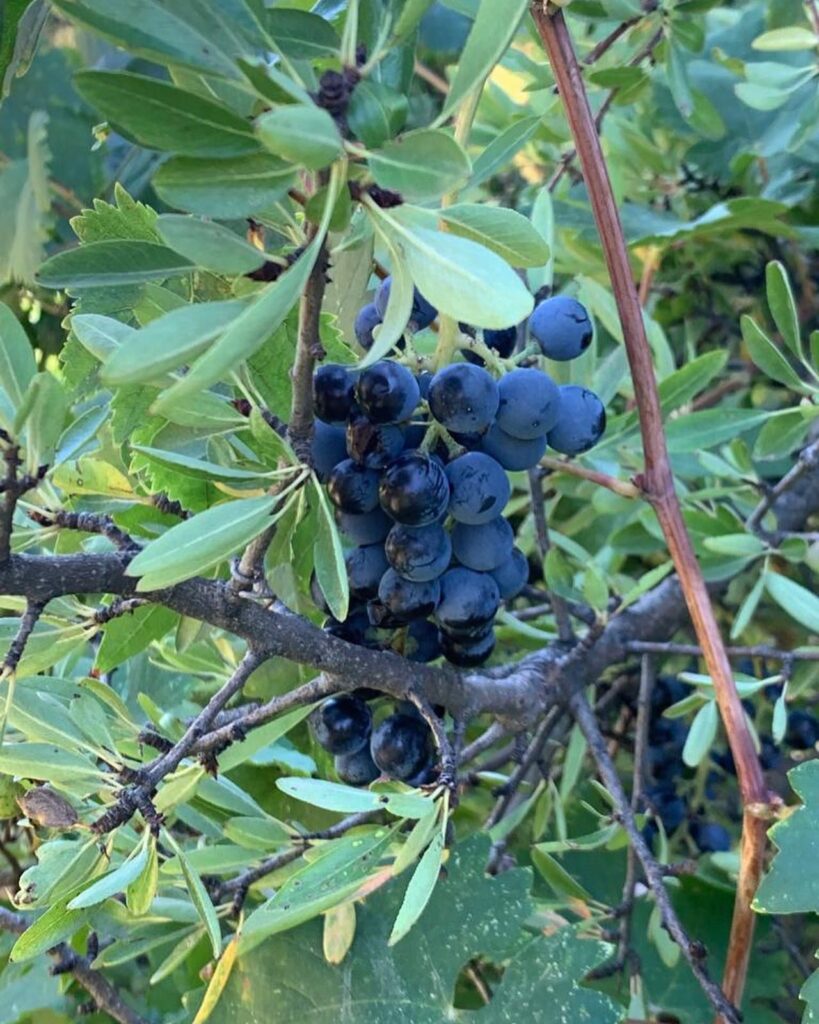
Neferiye is a small-scale producer based in Muğla. Çağlar works with the grapes Panık and Kanlıkara, harvested from married vines still growing in high villages near Köyceğiz.
Kerasus, benzer bir işi Karadeniz Bölgesi’nde yapıyor. Gizem’in takip ettiği örnekler arasında İsabella ve Narince örneklerini görüyoruz. İsabella üzümünün farklı bir asma ailesi olan Vitis labrusca türünün bir parçası olduğunu da hatırlatalım.
Final Word
Viticulture is an act of devotion, and devotion begins in the vineyard. Over the last 10,000 years, viticulture has gone through many transformations before arriving at its modern form. Married vines may be a part of our cultural heritage, but we are only now beginning to recognize it as such.
To Gizem and Çağlar—our heartfelt thanks for continuing this labor of love and sharing it with us through their remarkable wines.
Asmanın doğayla kurduğu bu ekolojik ortaklık, polikültür tarım modelleri ve sürdürülebilir bağ yönetiminin felsefi boyutları ilginizi çekiyorsa, blogumuzdaki diğer nitelikli araştırmalarımıza da göz atabilirsiniz:
Doğanın kendi iç dengesine saygı duyarak, bağda ve mahzende minimum müdahaleyle yürütülen o zorlu ama saf mücadeleyi tüm çıplaklığıyla okumak için Vineyard Naturalness: Principles and Challenges analizimizi inceleyebilirsiniz.
Küresel iklim krizinin, kuraklığın ve yükselen sıcaklıkların bağ ekosistemleri üzerindeki sarsıcı etkilerine karşı yerel ve doğal adaptasyon modellerini tartıştığımız Tekirdağ’da paneldeydik: İklim Krizi, Yerel Üzüm Çeşitleri ve Yerel Maya Geliştirmeyi konuştuk saha günlüğümüze göz atabilirsiniz.
Çevresel dengelerin bozulmasının, tarımsal yıpranmanın ve doğayla kavga etmenin antik çağlardaki koca bir medeniyeti nasıl trajik bir çöküşe sürüklediğini okumak için Truva: Çevresel Yıpranma, Çöküş ve Çıkarılacak Dersler tarihsel çalışmamızı ziyaret edebilirsiniz.
İklim krizinin en yakıcı yüzü olan orman yangınlarının, duman molekülleri aracılığıyla bu hassas bağ ekosistemlerine ve üzümün kimyasına nasıl etki ettiğini anlamak için Wildfires, Vineyards, and Wine kriz analizimizi inceleyebilirsiniz.