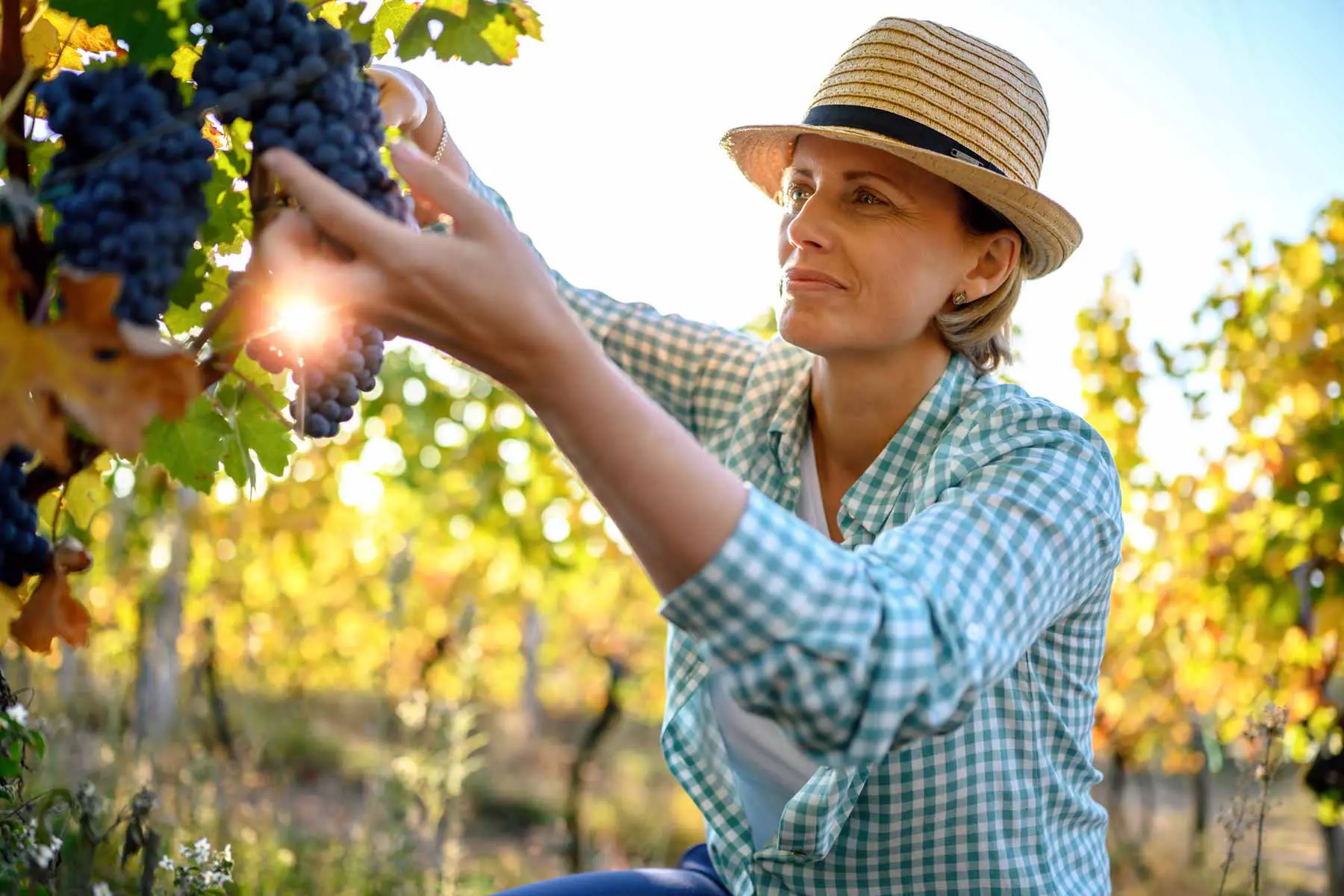
Doğallık, bağcılık dünyasında giderek daha çok tartışılan, ama tanımı hâlâ muğlak kalan bir kavram. Makale, “naturalness” (doğallık) fikrinin nasıl algılandığını, ölçülebilir olup olmadığını ve bağcılıkta uygulanırken ne tür güçlükler doğurduğunu tartışıyor. Meraklı okurlar makaleye buradan erişebilirler.
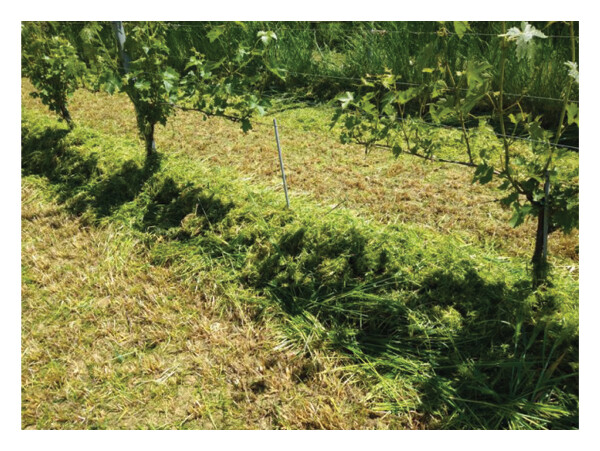
The Idea and Perception of Naturalness
In viticulture, naturalness is often understood as “producing with minimal intervention.” Yet the perception is subjective: for one grower it may mean returning to traditional methods, while for another it could involve using modern technologies that reduce environmental impact. This discrepancy creates a gap between consumer expectations and producer practices.
From a marketing standpoint, naturalness is a powerful claim. Wine lovers are drawn to ethical farming, environmentally friendly vineyards, and authentic taste profiles. But what lies behind the “natural” label is often vague.
Can Naturalness Be Measured?
The article asks whether naturalness is truly measurable. Certifications like organic, biodynamic, or sustainability standards provide frameworks, but none alone can fully define naturalness.
Ecological dimension:
preserving biodiversity, keeping soils alive, and minimizing external inputs.
Philosophical dimension:
expressing the relationship between grower and land, respect for soil, and continuity.
Economic dimension:
natural practices may increase costs in the short term but can enhance sustainability in the long run.
Guiding Principles
The authors highlight five principles that shape vineyard naturalness:
Minimal intervention
Kimyasal gübre, pestisit, herbisit gibi dış girdilerin sınırlandırılması.
Biodiversity
Bağın tek ürün değil, ekosistem olarak ele alınması. Örneğin örtü bitkileri, böcek çeşitliliği, doğal düşmanların kullanımı.
Soil health
Organik maddeyi zenginleştirmek, erozyonu önlemek, toprağın karbon depolama kapasitesini artırmak.
Climate adaptation
Kuraklık, sıcaklık artışı ve iklim krizinin diğer etkilerine karşı bağların direncini yükseltmek.
Cultural heritage
Geleneksel yöntemleri korumak, yerel üzüm çeşitlerini yaşatmak.
These principles show that naturalness is not only technical but also cultural and social.
The Challenges
Producers face obstacles when pursuing naturalness:
Technical:
controlling pests and diseases without synthetic tools is difficult and labor-intensive.
Climatic:
drought, frost, and heat extremes are harder to manage naturally.
Marketing:
consumers love the label but may not understand its meaning, which leaves room for confusion or misuse.
Naturalness and Sustainability
The article emphasizes that naturalness and sustainability intersect, but they are not the same.
- Sustainability covers environmental, economic, and social dimensions within a broader framework.
- Naturalness focuses more on production methods and the degree of intervention in nature.
Their combination may well shape the future of viticulture.
Consumer Expectations
Research shows consumers often perceive “natural” wines as healthier, more authentic, and eco-friendly — yet are less forgiving on price. This creates a difficult balance for producers: staying true to natural methods while keeping the wines accessible.
Conclusion: A Crossroads
The article concludes that naturalness is both an opportunity and a challenge for viticulture.
- Opportunity: it aligns with modern consumers’ demand for environmentally responsible and ethical values.
- Challenge: turning these ideals into practice is full of technical, climatic, and economic hurdles.
About the Authors
The article is the work of three respected figures in Italian viticulture: Stefano Poni, Tommaso Frioni, and Matteo Gatti.
Stefano Poni
İtalya’nın en saygın bağcılık akademisyenlerinden biri olarak tanınıyor. Piacenza’daki Università Cattolica del Sacro Cuore’da uzun yıllardır ders veren Poni, özellikle asma yaprak örtüsünün (canopy) yönetimi, bağ mimarisi ve sürdürülebilir üretim teknikleri üzerine yaptığı çalışmalarla uluslararası alanda güçlü bir itibara sahip. Onun araştırmaları, modern bağcılıkta doğallık ile verimlilik arasındaki hassas dengeyi anlamak için bir pusula işlevi görüyor.
Tommaso Frioni
Daha genç bir kuşaktan gelen ancak aynı derecede etkili bir araştırmacı. Çalışmalarını iklim değişikliğinin bağcılığa etkileri, su yönetimi ve hassas bağcılık uygulamaları üzerine yoğunlaştıran Frioni, Poni’nin açtığı yolda bağcılığın geleceğine dair yenilikçi bir bakış açısı getiriyor.
Matteo Gatti
Asma fizyolojisi ve bağ yönetim sistemleri konularındaki uzmanlığıyla dikkat çekiyor. Özellikle çevresel koşulların üzüm kalitesi üzerindeki etkilerini araştıran Gatti, hem akademik hem de uygulamalı projelerde doğallık kavramını merkezine alan çalışmalarıyla öne çıkıyor.
Together, they provide a multi-dimensional view that combines technical, ecological, and cultural aspects of naturalness in viticulture.
Final Word
Naturalness is not just a passing trend but a concept that will shape the future of vineyards. Still, the sector needs a shared language to define, practice, and communicate what naturalness truly means. With growers facing shrinking incomes, generational shifts, labor shortages, and even vineyard abandonment, rethinking the idea of naturalness may give viticulture new energy.
Curious readers can explore the full article here:
Bağcılıkta doğallık felsefesi, minimum müdahale ilkeleri ve sürdürülebilir üretimin küresel zorlukları ilginizi çekiyorsa, blogumuzdaki diğer vizyoner araştırmalarımıza da göz atabilirsiniz:
Doğal üretimin ve bölgesel karakter korumasının, katı geleneksel kurallarla nasıl bir yol ayrımına girdiğini okumak için Tradition or Constraint? The Appellation System at a Crossroads analizimizi inceleyebilirsiniz.
İklim krizinin bağlardaki bu doğallık mücadelesini nasıl zorlaştırdığını ve yerel çeşitlerle maya geliştirme çözümlerini tartıştığımız Tekirdağ’da paneldeydik: İklim Krizi, Yerel Üzüm Çeşitleri ve Yerel Maya Geliştirmeyi konuştuk ve Kök Köken Toprak 2026 Konferansı saha günlüklerimize göz atabilirsiniz.
Antik dünyada, binlerce yıl önce asmanın doğayla kurduğu o ilk ilkel ve saf bağları biyomoleküler verilerle incelemek için Patrick E. McGovern: A Life in the Footsteps of Wine Archaeology ve Şarabın Doğduğu Yer: Bereketli Hilal ve Şarap Tarihi makalelerimizi okuyabilirsiniz.
Bu doğal ve sürdürülebilir bağ felsefesini, yerel kalkınma ve kolektif bir turizm rotasına dönüştüren başarılı bir saha örneği için Çal Bağ Yolu Rehberi içeriğimizi ziyaret edebilirsiniz.