
Georgia became the “Cradle of Wine” with 6000 BC. Körtik Tepe in Diyarbakır fell silent in 9300 BC.
To be frank, I am not one of those who believe that international competitions over who has the “oldest” of something are particularly meaningful. Finding the world’s oldest bread or oldest wheel in a country is exciting, of course. After all, such a discovery is less an achievement than a gift that the past has bestowed upon that country. But the oldest of anything can never become a shining treasure if its significance has not been understood, embraced and given the value it deserves.
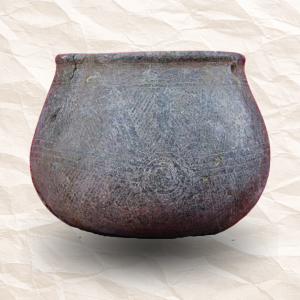
Körtik Tepe, the subject of today’s article, is a very good example. According to laboratory analyses, chlorite vessels excavated at Körtik Tepe, made from what is also known as “green stone”, contain tartaric acid residues associated with grape juice or wine. Settlement at Körtik Tepe stretches back some 11,300 years.
Tartaric acid has also been identified in pottery excavated at the archaeological site of Gadachrili Gora in neighbouring Georgia. Settlement there dates back approximately 8,000 years.
Our neighbour embraced its 8,000-year-old evidence of wine wholeheartedly. It placed wine tourism at the heart of its tourism policy. And it gave itself a title: the Cradle of Wine.
When the people of Körtik Tepe, near Bismil in Diyarbakır, were alive, even the shaping and firing of clay vessels had yet to be discovered. Their vessels therefore had to be carved from stone.
Unless we are making a mistake in basic arithmetic, the evidence associated with wine at Körtik Tepe predates Georgia’s by 3,300 years. So where should we look for the reason why today’s reality has made Georgia the “Cradle of Wine” while Türkiye remains largely absent from the story?
Probably in our cultural and tourism policies.
First, Let Us Take a Closer Look at Körtik Tepe
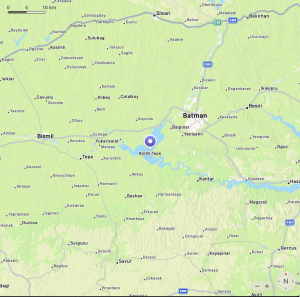
Körtik Tepe is located at Pınarbaşı, near the village of Ağıl in the Bismil district of Diyarbakır, west of the confluence of the Tigris River and Batman Creek. It was first documented in 1989 during the “Tigris-Euphrates Archaeological Survey Project”. In the following years, as plans for the Ilısu Dam took shape, it became clear that the site would be submerged, and rescue excavations began in 2000.
The main settlement phase at Körtik Tepe belongs to what archaeologists call the Pre-Pottery Neolithic, a period before ceramic vessels had come into use. Radiocarbon (C14) analyses of the finds have shown that life at the settlement stretches back some 11,300 years. Among the most important finds to have survived from Körtik Tepe are vessels carved from green stone known as chlorite and from marble-like stone.
And it is precisely the discovery of tartaric acid during laboratory analyses of these vessels that makes Körtik Tepe the subject of this article.
What Does the Presence of Tartaric Acid Mean?
Tartaric acid occurs naturally in particularly high concentrations in grapes, the fruit of Vitis vinifera. As archaeology has increasingly incorporated laboratory methods, residue analysis has allowed us to understand what substances ancient vessels once contained. The presence of tartaric acid indicates that products derived from grapes were stored in these vessels. Leave grape juice on its own for a few days and natural fermentation can begin. In archaeological research, tartaric acid is widely used as an important biomarker when investigating the history of wine.
What Was Happening 11,300 Years Ago?
The beginning of the 10th millennium BC was a major turning point in human history. As the Ice Age came to an end, the arc-shaped fertile zone between the Taurus and Zagros Mountains, the region we know as the Fertile Crescent, became the setting for some of humanity’s earliest great experiments.
Agriculture as we know it had not yet begun. But human communities had begun to identify, gather and process wild cereals and the wild grapevines that grew abundantly around them. The domestication of the grapevine and humanity’s early strategic engagement with grapes form one of the most fascinating chapters of the Neolithic Revolution.
(For our detailed examination of the domestication of the grapevine and the unique role of the Fertile Crescent in this process, see The Birthplace of Wine: The Fertile Crescent and the History of Wine .)
What Did Georgia Do?
What our neighbour Georgia did was not really a marketing miracle. It was the strategic result of recognising, embracing and correctly interpreting its cultural heritage.
Excavations at Gadachrili Gora and Shulaveris Gora, approximately 50 kilometres south of Tbilisi, uncovered fragments of clay pottery dating to around 6000 BC, roughly 8,000 years ago. Prof. Patrick McGovern, one of the leading figures in biomolecular archaeology, and his team chemically analysed residues preserved in the pores of these fired clay vessels and identified tartaric acid.
Georgia did not allow this scientific finding to remain buried in academic papers and eventually be forgotten. Through a carefully constructed communication and tourism strategy, it took several steps:
- Global communication through the international press: It presented the finding as the “earliest evidence of grape wine and viniculture from ceramic vessels” and built international communication around the idea of Georgia as the birthplace of wine, “Cradle of Wine.”
- Guinness World Records: It used the archaeological finding to reinforce the country’s international claim and give its cultural narrative greater global visibility.
- It connected archaeology with living tradition: Georgia secured the inscription of the traditional Qvevri winemaking method, using large earthenware vessels buried in the ground, on UNESCO’s Representative List of the Intangible Cultural Heritage of Humanity. In doing so, it created a powerful bridge between archaeological evidence and a tradition that remains alive today.
- It placed wine tourism at the centre of its tourism identity: Georgia developed a substantial wine-tourism ecosystem capable of attracting international food and wine professionals, journalists and higher-spending travellers.
In short, Georgia embraced its evidence from 6000 BC, turned it into a story, institutionalised it and transformed it into a tourism brand that creates value for the country.
So What Can We Do?
While our neighbour uses pottery dating to 6000 BC to tell the world that it is the “cradle”, why are we sitting silently in front of the chlorite stone vessels from Körtik Tepe in Diyarbakır, 3,300 years older? We have vessels excavated at Körtik Tepe, analytical results and scientific references discussing those findings. We are all aware that trying to make them heard with our own modest voice will have almost no impact.
(For a comparative look at Türkiye’s wine-tourism potential alongside neighbouring countries, see our article Wine Tourism in Türkiye and the Role of Tourism in Changing Global Perceptions of Turkish Wine) .
A Call to the Ministry of Culture and Tourism and the Wine Sector
Türkiye has an opportunity to bring gastronomy, archaeology and vineyard tourism together and turn Southeastern Anatolia, and ultimately Anatolia as a whole, into a destination of international interest. Realising this potential would require a number of steps at the level of the Ministry of Culture and Tourism:
- Create “Anatolian Routes of Vineyard and Fermentation Archaeology” in the region: International thematic tourism routes could begin at Körtik Tepe in Diyarbakır and continue through Nevali Çori in Şanlıurfa, Hallan Çemi in Batman, Elazığ, Cappadocia and the vineyards of Western Anatolia.
- Develop an international presentation centred on museums: The exceptional chlorite vessels displayed at the Diyarbakır Archaeology Museum and Hasankeyf Museum, together with the tartaric-acid findings, could be presented prominently at international archaeology and gastronomy events as part of the story of Anatolia’s early relationship with grapes.
- Publish a national wine-tourism strategy: The Ministry could treat viticultural heritage and the gastronomy tourism associated with it as part of a high-value tourism policy, as countries such as Spain and Italy have done.
A Final Thought
History has been extraordinarily generous to the lands on which we live, far too generous for this heritage simply to be documented and left in archives. What we do with that past is shaped by our own decisions and policies.
If we do not tell the world the story of these lands, where humans were processing grapes and placing their products in vessels thousands of years ago, others will continue to present their own incomplete stories as the “world’s first”.
It is time to give Anatolia’s immense 11,300-year-old heritage the value it deserves.
We invite you to embrace this remarkable heritage of Türkiye and to join us in calling for the Ministry of Culture and Tourism to take a leading role in bringing it to wider international attention.
Sources We Drew Upon for This Article
- Özkaya, V. & Coşkun, A. (2009). Körtik Tepe, a new Pre-Pottery Neolithic A site in south-eastern Anatolia. Antiquity, 83(320). (A key international reference for the chronology of Körtik Tepe).
- Özkaya, V. & San, O. (2007). Körtik Tepe: Bulgular Işığında Kültürel Doku Üzerine İlk Gözlemler. Türkiye'de Neolitik Dönem, Arkeoloji ve Sanat Yayınları, pp. 21–36. (Stone vessels and settlement stratigraphy.).
- Taskesenlioglu, M. Y., Ercisli, S., Kupe, M., & Ercisli, N. (2022). History of Grape in Anatolia and Historical Sustainable Grape Production in Erzincan Agroecological Conditions in Turkey. Sustainability, 14(3), 1496. (Reference to tartaric acid in chlorite vessels from Körtik Tepe and evidence relating to grapes/fermentation.).
- McGovern, P. E., et al. (2017). Early Neolithic wine of Georgia in the South Caucasus. PNAS, 114(48), E10309-E10318. (Comparative reference for the analysis of pottery dating to c. 6000 BC from Gadachrili Gora, Georgia.).
İlginizi çekebilir:
Yazının içinde verdiğimiz linklere kolayca erişebilmeniz için aşağıda sıraladık.

Merci beaucoup pour cet article et votre appel aux autorités pour des politiques de mise en avant du patrimoine historique viticole du pays.
Néanmoins, si je peux me permettre d’apporter quelques nuances pour expliquer les différences entre les découvertes archéologiques en Géorgie et celles près de Diyarbakır.
En Géorgie, les archéobotanistes ont identifié des pépins dont la morphologie montre que la plante avait été domestiquée par l’homme. C’est le passage d’une cueillette fortuite à la naissance de la viticulture. Vitis vinifera vinifera est cultivé volontairement. A Körtik Tepe il s’agissait de
Vignes sauvages (Vitis vinifera sylvestris) cueillie dans la nature.
En Géorgie, la découverte de Gadachrili Gora ne montre pas seulement du jus fermenté, elle révèle un système de vinification complet. Les jarres en terre cuite étaient enterrées pour contrôler la température de fermentation.
À l’époque de Körtik Tepe, la poterie n’existait pas encore. Il est extrêmement difficile de stocker de grands volumes de liquide fermenté dans des cuves en pierre perméables ou trop lourdes à déplacer. Il s’agissait très probablement de préparations consommées immédiatement ou transformées par réduction (pekmez).
Körtik Tepe ne montre pas encore une “viticulture” organisée avec des vignobles cultivés, mais il apporte la preuve matérielle que dès 10 000 av. J.-C., les humains du bassin du Tigre cueillaient des raisins sauvages, les écrasaient dans des récipients en pierre et en consommaient le jus (très probablement fermenté).
Cette découverte, même si elle ne permet pas de nommer la Turquie comme le berceau de la viticulture, est très importante. Elle doit être exploitée, pour mettre en avant l’histoire et l’héritage de cette région à travers l’oenotoursime
Değerli okurumuz,
Bu bilgi dolu ve entelektüel yorumunuz için size ne kadar teşekkür etsek az. Tespitleriniz ve arkeobotanik ve enolojik ayrım üzerine getirdiğiniz detaylar son derece yerinde. Şarabın ve bağcılığın tam olarak ilk kez nerede ortaya çıktığını belki de hiçbir zaman tek bir noktaya indirgeyerek bilemeyeceğiz. Ancak henüz asmanın evcilleşme süreci devam ederken bile şarabın yaşamın içinde yer aldığını görmek, insanoğlunun yabani üzümleri işleyip fermente ettiğini bilmek bile son derece heyecan verici. Böyle bir tarihsel deneyimin yaşandığı coğrafyalardan birinin ülkemizde bulunması ve bu gerçeğe bürokratik ve turistik düzeyde kayıtsız kalınmasının, ülkemiz ve enoturizm potansiyelimiz açısından büyük bir kayıp olduğuna inanıyoruz. Bu açıdan yazımız aslında tam da ifade ettiğiniz gibi bir farkındalık ve sahiplenme çağrısı.Sizin bu değerli ve derinlikli yorumunuz da bu girişimimize en önemli ve kıymetli desteklerden biri oldu.
Katkınız için çok teşekkür ederiz.
(Veuillez m’excuser de ne pas pouvoir répondre à votre commentaire dans votre propre langue ; j’ai donc fait appel à l’aide de Gemini, que je vous transmets ci-dessous.)
Chers lecteur, nous ne saurions trop vous remercier pour ce commentaire si riche en informations et d’un si grand niveau intellectuel. Vos remarques et nuances sont extrêmement pertinentes.
Nous ne saurons peut-être jamais exactement où le vin est apparu pour la première fois. Cependant, constater que le vin faisait déjà partie de la vie alors même que le processus de domestication de la vigne était encore en cours, et savoir que l’on produisait du jus fermenté à partir de raisins sauvages est en soi passionnant.
Le fait qu’une telle expérience se soit déroulée en Turquie et que l’on reste indifférent à cette réalité constitue une grande perte pour notre pays et pour le tourisme viticole. En ce sens, notre article est avant tout un appel à la réappropriation de ce patrimoine. Votre aimable commentaire sera l’un des soutiens les plus précieux à cette initiative. Merci infiniment pour votre contribution.
Comments are closed.