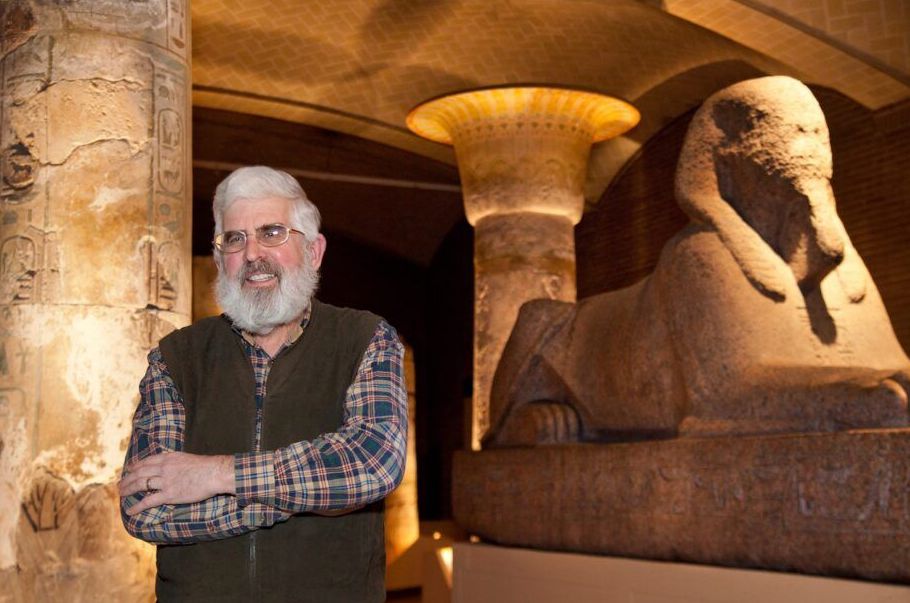
İnsanlık tarihinin ve kadim içeceklerin kökenlerine inmek, sadece kazı alanlarında değil, laboratuvardan laboratuvara gezen disiplinlerarası bir arkeoloji vizyonuyla mümkündür. 2025 yılının Ağustos ayında aramızdan ayrılan Patrick Edward McGovern, arkeoloji ile kimyayı birleştirerek insanlık tarihine bambaşka bir pencere açan öncü bir bilim insanıydı. “Antik İçeceklerin Indiana Jones’u” olarak bilinen McGovern, fermente içeceklerin izini sürerek sadece geçmişin mutfak kültürünü değil, aynı zamanda toplumsal yaşamın, ritüellerin ve ticaretin de yeniden yorumlanmasına katkıda bulundu.
Just as C. W. Ceram’s Gods, Graves, and Scholars became a turning point in bringing archaeology to the wider public, McGovern’s books marked a similar milestone in the study of wine and fermented beverages.
The Birth of a Discipline: Biomolecular Archaeology
One of McGovern’s greatest contributions was to institutionalize the field of “biomolecular archaeology.” By analyzing microscopic organic residues left on the surfaces of ancient jars, amphorae, and vessels with modern chemical techniques, he was able to reconstruct the beverages of millennia past. Using infrared spectroscopy, chromatography, and DNA analysis, he could identify tartaric acid from grapes or the chemical signature of honey.
This approach made it possible to read the culinary habits of history far beyond written sources, directly through material culture. Thanks to McGovern, we now have a much clearer understanding of what was drunk at ancient banquets, what ingredients were blended, and in which rituals they were consumed.
The World’s First Cups
McGovern’s research illuminated humanity’s earliest encounters with fermentation:
Iran, Hajji Firuz Tepe (5400 BCE):
Here he discovered the traces of a grape-based fermented beverage, one of the earliest known examples of “wine.”
China, Jiahu (7000–6000 BCE):
Evidence of a fermented mixture of honey, rice, and grapes was documented. This showed that different cultures discovered fermentation independently.
Mexico, Honduras, Egypt:
His investigations went well beyond wine, covering a broad spectrum from cacao-based drinks to honey meads.
These discoveries once again revealed that “fermented beverages” are a universal human bond.
Bringing Science to Life: Recreated Ancient Drinks
Among McGovern’s most popular initiatives was translating chemical findings into practice by collaborating with modern producers to recreate ancient beverages. His partnership with Dogfish Head Brewery gave rise to the celebrated “Ancient Ales” series:
Midas Touch:
Inspired by vessels from the tomb of Midas at Gordion, a drink made from grapes, barley, and honey.
Chateau Jiahu:
Based on the remains of the Neolithic Jiahu brew from China.
Theobroma:
A modern interpretation of a cacao-based recipe from Central America.
Through these projects, academic discoveries reached broader audiences. Even those who never opened one of McGovern’s books could quite literally taste his research.
A Gateway to Anatolia: From the Euphrates to Gordion
Among McGovern’s global contributions, Anatolia held a special place. Located at the heart of the Fertile Crescent, these lands were central both to the domestication of the grape and to the diversification of fermented beverages.
Gordion and the Funeral of Midas
The best-known Anatolian connection was his work on the tomb of Midas near Ankara. Analyses of the drinking vessels found there revealed a blend of grapes, barley, and honey. This proved that the funeral feast of Midas included not only wine but a ritual mixture of different ingredients.
This discovery brought Gordion back into the global spotlight. The “Midas Touch” project later revived this ancient drink for the modern world.
Vessel Residues and Traces of Grapes
Analyses of ancient Anatolian vessels confirmed that grapes and wine had been produced here since very early times. In Ancient Wine, McGovern referred to Anatolia as the “lands of Dionysus,” pointing to the cultural continuity between Western Anatolia and the Greek world.
DNA and Genetic Studies
Working with Turkish academics, McGovern also contributed to DNA studies of local grape varieties. These revealed the kinship of Anatolian vines with those in the Caucasus and the Levant. In this sense, McGovern became an international voice emphasizing the need to preserve Anatolia’s genetic diversity.
His Writings and Legacy
Two of McGovern’s books remain cornerstones of wine archaeology:
Ancient Wine: The Search for the Origins of Viniculture (2003):
A scientific panorama of the history of wine, from the domestication of the grape to Mediterranean civilizations.
Uncorking the Past (2009):
A broader narrative encompassing not only wine but beer, mead, cacao, and other fermented drinks.
These works not only popularized archaeology but also provided winemakers and vintners with a vital historical perspective.
McGovern from an Anatolian Perspective
McGovern’s work on Anatolia directly enriches viticultural and oenological research in Turkey today:
Archaeological Dimension:
The residue analyses strengthened the argument that Turkey is one of the world’s oldest wine-producing geographies.
Cultural Dimension:
The Midas example at Gordion demonstrated the diversity of Anatolia’s drinking rituals.
Scientific Dimension:
DNA research made Anatolia’s grape diversity visible in a global context.
Without McGovern, it is doubtful that this evidence for Anatolia’s viticultural past would have resonated so strongly on the world stage.
A Farewell, A Legacy
The death of Patrick E. McGovern leaves a deep void in the academic world. But his legacy lives on not only in scholarly texts but also in the glass. He brought the flavors of the past into the present, making the shared cultural DNA of humanity visible from Anatolia to China, from Egypt to Central America.
Anatolia, with its richness and diversity, was one of his most cherished fields of study. Thanks to his scientific rigor and his creative interpretation of surviving clues, examples of ancient wine and gastronomy were brought back to life. What might otherwise have remained confined to limited academic circles found its way to the wider public. The cultural identity and power of wine were made much clearer through his work.
Today, when we raise a glass, if we can connect not only with what we drink but with its ancient roots, it is in no small part thanks to McGovern. His legacy is one of the most beautiful bridges ever built between science and life.
Patrick E. McGovern’ın izini sürdüğü o antik şarap arkeolojisi, Bereketli Hilal’in gizemleri ve asmanın binlerce yıllık tarihsel yolculuğu ilginizi çekiyorsa, blogumuzdaki diğer köklü araştırmalarımıza da göz atabilirsiniz:
McGovern’ın laboratuvar analizleriyle doğruladığı o ilk kıvılcımın coğrafi öyküsünü okumak için Şarabın Doğduğu Yer: Bereketli Hilal ve Şarap Tarihi makalemizi inceleyebilirsiniz.
İtalya’da yeniden hayata dönürülen Pompeii bağlarını incelediğimiz Küllerinden Doğan Bağlar: Pompeii’nin Şarap Kimliğini Yeniden İnşa Etmek yazımıza göz atabilirsiniz.
Bu tarihi toprakların yedi farklı bölgesindeki o devasa mikro-klimatik ve coğrafi gen mirasını kuş bakışı görmek için Anadolu’nun Teruar Haritası: Türkiye’nin Bağ Bölgeleri analizimizi okuyabilirsiniz.
Asmanın Anadolu topraklarından Avrupa içlerine yaptığı yolculuğun ayak izlerini sürmek için Genlerin Hafızası: Anadolu’dan Galya’ya Asmanın 8000 Yıllık Yolculuğu içeriğimizi ziyaret edebilirsiniz.