Toprağın derinliklerindeki asırlık bilgeliği kadehlerimize taşıyan her yaşlı asma endüstriyel tarımın yüksek verim hırsına karşı dürüst birer doğa anıtıdır. Şarap dünyası içinde yaşlı asmalara gösterilen ilginin her geçen gün arttığını gözlüyoruz. Bu konudaki ilginin somut örneklerinden birisi olan Old Vine Registry girişimini de bir süre önce WAYANA Bülten’de duyurmuştuk. Bu yazıda eskilerin sözlerinden birisi olan “Eskiye rağbet olsaydı Bit Pazarı’na nur yağardı” deyişinin tamamen tersyüz olması anlamına gelen bu ilginin nelerden kaynaklandığına ve yansımalarının neler olduğuna yakından bakacağız, ama önce biraz ansiklopedik bilgi paylaşalım.
Hidrolik Dengesi ve Yaşlı Asma Kök Derinliği
Bir asmanın yaşlanması, onun toprak altındaki dünyasını doğrusal sınırların ötesine taşıyarak dikey bir hidrolik şahesere dönüştürür. Genç asmaların kökleri toprağın ilk birkaç metrelik yüzeysel katmanlarında tutunmaya çalışırken, otuz, elli ya da yüz yaşını aşmış asırlık asmaların kök sistemleri toprağın onlarca metre altındaki sarp anakaya yarıklarına kadar dikey olarak süzülür. Bu derin kök yapısı, asmayı küresel iklim krizinin getirdiği ani kuraklık şoklarına veya aşırı yağış dengesizliklerine karşı muazzam bir biyolojik kalkan altına alır. Yüzeydeki hava sıcaklığı ne kadar yüksek olursa olsun, yeraltındaki o derin ve serin tabakalardan dürüstçe su ve mineral çeken yaşlı asmalar, rekolte yılları arasında çarpıcı lezzet kırılmaları yaşamaz. Bu dikey hidrolik dengesi, asırlık salkımların her yıl sarsılmaz bir kararlılıkla paha biçilemez bir asidite omurgası inşa etmesini sağlar.
Doğal Verim Regülasyonu ve Kendiliğinden Konsantrasyon
Endüstriyel tarım zihniyeti, genç asmalardan maksimum salkım hacmi alabilmek adına yapay gübreleme ve yoğun sulama dopinglerine başvururken, yaşlı asmalar yaşlandıkça kendi içsel enerjilerini derinlere doğru ilerleyerek dengeler. Yaşlı bir asma genç bir hemcinsine oranla neredeyse dörtte bir oranında daha az salkım verir. Ancak asmanın toprağın derinliklerinden çektiği tüm o narin iz elementler, mineraller ve güneşten topladığı karbonhidratlar bu sınırlı sayıdaki az salkıma pompalanır. Bu durum, tanelerin içindeki aromatik bileşenlerin, polifenollerin ve şeker dengesinin yapay hiçbir müdahale olmadan, doğallıkla konsantre (yoğun) hale gelmesini sağlar. Yaşlı asmalardan süzülen şarapların damakta yarattığı o muazzam gövde, ipeksi dokusal zenginlik ve upuzun bitiş performansı, asmanın asırlık tecrübesiyle kendi verimini dürüstçe sınırlamasının birer enolojik hediyesidir.
Old Vine – Yaşlı Asma tanımında belirlenmiş resmî bir standart yok. Ama yaşlarına göre asmaların dört başlıkta toplanması konusunda fikir birliği oluşmuş:
- - Old Vines – over 35 years old
- - Survivor Vines – Over 70 years old
- - Centenarian Vines – over 100 years old
- - Ancestor Vines – over 125 years old
Of course, placing productivity first in generating income from viticulture is an understandable priority. Increasing productivity means increasing the yield and increasing earnings. When the vine's most productive period, which varies between 25-40 years, is completed, it is a common practice to rejuvenate the vineyard by removing old vines, with the pressure of renewing the saplings and maintaining productivity.
But old vines also stand out with some distinctive features they have developed over the years. For example, their nutritional reserves are stronger thanks to their vegetative structure consisting of trunks and branches that have grown into trees and have gained strength over many years. The time spent on mandatory operations such as pruning, thinning of leaves and clusters in young vines is much less in older vines. In addition, old vines, whose roots extend deeper over the years, can resist dry periods more easily. Another advantage of old vines is their resistance to diseases; the decrease in the number of leaves over the following years gives an advantage to old vines.
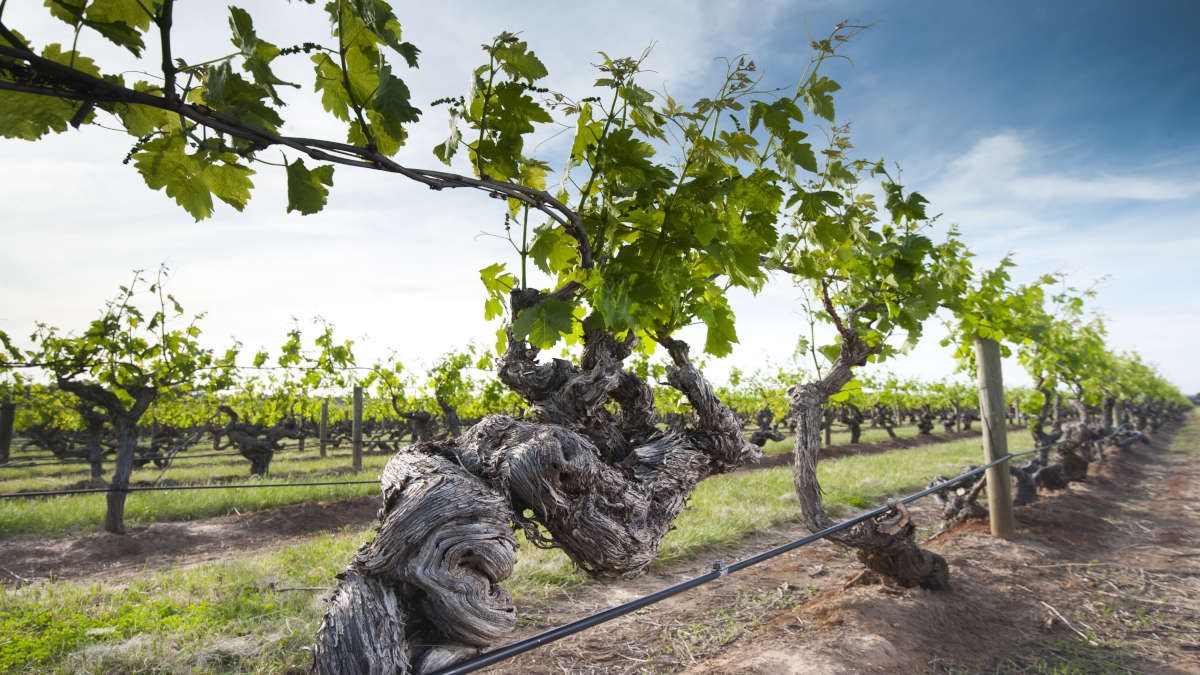
Artılarına ve eksilerine baktığımız zaman, yaşlı asmalardan daha iyi şaraplar yapılır diyebilir miyiz? Bu sorunun kolay bir cevabı yok. Her şeyden önce, bugün yaşlı kabul ettiğimiz asmaların dikim koşulları ve büyürken görmüş olduğu bakım titizliği konusunda çok iyimser olmamakta fayda var. Yıllar içinde denenerek geliştirilen bağcılık tekniklerinin pek çoğu eski asmaların dikim zamanlarında büyük olasılıkla uygulanmamış. Eski bağlarda asmalar arasındaki mesafelere özen gösterilmediğini, dikildikleri dönemde ürün verimliliğinden başka bir faktörün dikkate alınmadığını görüyoruz.
Ama yeni nesil şarapçıların kendi ürünlerine bakışında daha büyük bir hassasiyet olduğunu, yaşlı asmalara sevdalarının arttığını görüyoruz. Eskiden umarsızca sökülüp atılan asma kütüklerine daha sevecen yaklaşan bağ sahipleri ve şarap üreticileri olduğunu, bu yaklaşımla ürettikleri şaraplara şarap severlerin de saygıyla yaklaştıklarını görüyoruz. İçimizi ısıtan bu gözlemler bile yarın için sönen umutlarımızı tekrar canlandırıyor.
Artık üreticilerin yaşlı asmaların üzümlerinden yaptıkları şarapları etiket üzerinde belirtmelerine daha sık rastlıyoruz. WAYANA’nın şarap menüsünde yaşlı asmaların üzümleriyle yapılan şarap sayısı gitgide artıyor. Elbette bu şarapları da hem şişe hem kadehle servis ediyoruz. Bir sonraki ziyaretinizde ekip arkadaşlarımıza yaşlı asmaların şarapları konusunda danışın, sizi mutlaka damağınıza uygun, denemeye değer örneklerle buluşturacaklarından kuşkunuz olmasın.
Yaşlı asmaların o onlarca metre derine inen hidrolik mucizeleri, asırlık köklerin kararlı teruar bilgelikleri ve doğaya tam bir teslimiyetle şekillenen bağcılık felsefeleri ilginizi çekiyorsa, blogumuzdaki diğer nitelikli teknik ve ekolojik araştırmalarımıza da göz atabilirsiniz:
Asırlık asmaların bu köklü dikey mukavemet alarmlarını rasyonel birer ekolojik gösterge olarak okuyup, bağ ekosistemlerinin neden küresel iklim krizinde maden ocağındaki o narin organizma olduğunu anlamak için Bağlar Tarımsal Üretimin Kanaryası mı? tarım felsefesi manifestomuza bakabilirsiniz.
Yaşlı asmaların endüstriyel dopingleri reddeden o dürüst, müdahalesiz ve az veren doğası gibi; mahzende de hiçbir yapay maya, steril filtre veya kimyasal berraklaştırıcı kullanmadan sıvıyı kendi çıplak hakikatiyle şişeleyen o asil başkaldırıyı keşfetmek için Natürel Şaraplar – Bölüm 1: Giriş ve Felsefi Temeller yazı dizimizi inceleyebilirsiniz.
Anadolu’nun bu tarz asırlık saklı genetik kalelerini korumak; Karadeniz ile iç bölgelerin o sarp iklim geçişlerinde yüzyıllardır tek başına ayakta kalmayı başarmış o nadide unutturulmuş salkımın hikayesine şahit olmak için Kayıp Genetiğin Peşinde: Osmanca Üzümü ve Biyoçeşitlilik çeşit monografimize göz atabilirsiniz.
Van Gölü Havzası’nın o dondurucu kış soğuklarına karşı, tıpkı yaşlı asmaların derin kökleri gibi gölün o devasa su kütlesinin termal gücüyle dikey birer sığınak inşa eden o diğer kadim Urartu mirası çeşidi incelemek için Ercişkarası teruar çalışmamızı ziyaret edebilirsiniz.