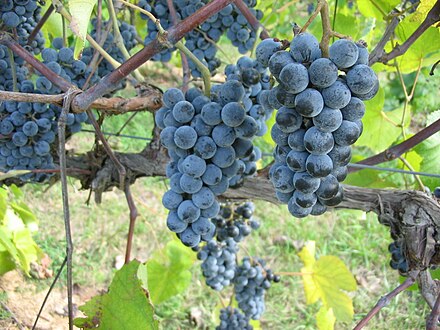
Şarap dünyasının o asil hükümdarı Vitis vinifera’nın ötesine geçtiğimizde, asmanın diğer dirençli türleri ve botanik aileleri bizi şaşırtıcı bir çeşitlilikle karşılar. Şarap dünyasının içine adım atanlar, şarap yolculuklarının bir yerinde ‘vitis vinifera’ ifadesiyle karşılaşırlar. Vitis vinifera, bizlerin ortak zevki olan şarabı borçlu olduğumuz şaraplık üzüm asmasının bilim dünyasındaki adıdır. Aklınıza gelen bütün şaraplık üzüm çeşitleri bir çeşit ailenin binlerce çeşidinden ibarettir. Bu denli geniş bir portföy ile karşılaşınca insan ister istemez Vitis vinifera dışında bir çeşit olacağını aklına getirmez. Ama gerçek öyle değildir. Bu yazıda sizleri çok yormadan işin gerçeğine birlikte bakmaya çalışacağız.
Açık kaynak kimliğiyle artık ilk başvuru kaynağımız olan Wikipedia, vitis başlığı altında kayıtlı 81 aile bulunduğunu belirtiyor. Hepsi Kuzey Yarıküre’de hayat bulan bu ailelerden bir tanesi bizim bildiğimiz şaraplık üzüm, yani ‘Vitis vinifera’. Ama biz şarap severler için bunun dışında kalan Vitis ailelerinden birkaç tanesine daha yakından bakmak ilginç olabilir. Gelin, Vitis ailelerinden tamamı Kuzey Amerika kökenli olan altı tanesine göz atalım.
Vitis Labrusca
Bu ailenin üyeleri arasında adı en çok öne çıkan üzüm ‘ConcordeThe most prominent grape among the members of this family is called 'Concorde'. If you've spent time in the United States, you've probably seen the grape marmalade they serve in their 'continental breakfast'. When the taste of this marmalade made from Concorde grapes was later adopted by the chewing gum industry, it became the standard taste that comes to mind when grapes are mentioned. The Vitis Labrusca family also has vines that produce white grapes named Antoinette and Cayuga, and red grapes named Catawba and Niagara. There is also a wine of Vitis Labrusca family in WAYANA Wine Menu. The name of the grape is Isabella and the wine is produced by Kerasus Winery.
Vitis labrusca ailesinin ayrıca Antoinette ve Cayuga adlı beyaz, Catawba ve Niagara adlı kırmızı üzüm veren asmaları da var. WAYANA portföyünde servis edilen bir şarapta Vitis labrusca ailesinin İsabella adlı bir örneğinin olduğunu ekleyelim.
Vitis Riparia
Bu aile, Avrupa bağlarının en büyük sorunu olan filoksera hastalığının hem sorumlusu hem de kurtarıcısı olmuş. 1800’lü yıllarda büyük bir heyecanla Amerika’dan Avrupa’ya getirilen asma fidanları, beraberlerinde getirdikleri filoksera hastalığıyla eski kıtadaki bağların neredeyse tümünün yok olmasına sebep olmuş. Daha sonra bilim insanları yine aynı Vitis riparia asmalarının kök-gövde sistemlerine bildiğimiz şaraplık üzüm asmalarını aşılamışlar ve böylelikle Avrupa bağları hayata dönmüş. Filoksera hastalığına hâlâ çare bulunamadığını da hatırlatalım.
Vitis riparia ailesinin Elvira adlı beyaz, Bacchus, Baco Noir, Frontenac, Marechal Foch, Triomphe d’Alsace adlarını taşıyan kırmızı üzüm veren asmaları var.
Vitis Rontundifolia
Obeziteyle mücadele açısından kritik önem taşıyan özel bir asidin doğal taşıyıcısı olan bu asma türünün, Amerika’nın obezite oranı en yüksek eyaletlerinde yetişmesi herhalde doğanın bir ironisi olsa gerektir. Vitis rotundifolia ailesinin kayıtlarda yer alan tek üyesi Muscadine adıyla bilinir. Görüntüsü alıştığımız üzüm tanelerine kıyasla çok daha büyük olan bu azman üzüm, yetiştiği güney eyaletlerinde tatlı şarap yapımında kullanılır. Herhalde obeziteyle mücadelede etkisinin düşük olmasının sebeplerinin başında tatlı şaraptaki şeker içeriği olsa gerek.
Vitis Aestivalis
Bu ailenin vinifera melezi olan Norton A member of this family, called Norton, is widely used in winemaking in America today. Although it was first recorded as Virginia, it is mostly grown in vineyards in Missouri today. Tasting professionals state that Norton wine is highly acidic, low in tannins, and reflects blackberry, chocolate, vanilla and earthy flavors.
Vitis Rupestris
Kumlu topraklarda çok iyi sonuç verdiği için ‘Kum Üzümü’ adıyla da tanınan bu aile, asma hastalıklarına gösterdiği dirençle bilinir. Bu dirençli kimlikler 1800’lü yıllarda Fransız şarap dünyasında büyük heyecan yaratmış ve yapılan çalışmalarla Rupestris ve Vinifera ailelerinden melez üzümler elde edilmiş. Ancak Fransızlar apelasyon sisteminde melez üzüm kullanımına izin vermeyen bir düzenleme yapınca, bu çalışmalarla ortaya çıkan üzümlerin kaderi değişmiş.
The hybrids developed during that period, Chancellor, DeChaunac, Aurore, Vidal Blanc and Vignoles are known for their black-grained grapes and are still grown in the eastern and mid-eastern states of The U.S.A. Chancellor, DeChaunac, Aurore, Vidal Blanc ve Vignoles siyah taneli üzümleriyle tanınıyor ve hâlen Amerika’nın doğu ve orta doğu eyaletlerinde yetiştiriliyor.
Vitis Mustangensis
The vines belonging to this family, grown in the southern states of America, produce grapes with many seeds that are not easy to eat and with high acidity where the bitterness of the tannins is prominent. Considering these characteristics, the most well-known example of this family, which gives the impression that wines suitable for aging can be obtained, is known as Mustang. Mustang wines are mentioned in records dating back to the American Civil War. Today, it continues its existence with wines made by Texas enthusiasts from grapes harvested from Mustang vines that are not grown in vineyards but grow naturally in nature.
Bu Vitis ailelerinin dünya bağcılığıyla olan ilişkisine ve Vitis vinifera’dan nasıl lezzet ve içerik farklılıkları gösterdiğine göz atalım.
Filoksera Kalkanı: Vitis Riparia ve Rupestris’in Kök Anatomisi
19. yüzyılın ikinci yarısında Avrupa bağcılığını ve asil Vitis vinifera varyetelerini yok olmanın eşiğine getiren filoksera (phylloxera vastatrix) salgınına karşı bulunan kurtuluş reçetesi, botanik dünyasının en radikal aşı dâhiliğini doğurmuştur. Kuzey Amerika kökenli Vitis riparia ve Vitis rupestris gibi vahşi asma türleri, doğdukları coğrafyadaki bu kök bitkisine karşı milyonlarca yıllık bir evrimsel bağışıklık geliştirmiştir. Bu Amerikan türlerinin kök kabukları, filokseranın salgıladığı toksik enzimlere karşı hızla mantarlaşan kalın hücresel duvarlar örerek parazitin kök derinliklerine sızıp asmayı kurutmasını engeller. Günümüzde dünya şarapçılığının %95’inden fazlası, bu dirençli Vitis türlerinin anaç olarak toprağa salındığı ve üzerine asil Vitis vinifera gözlerinin aşılandığı bu jeobotanik kalkan sayesinde ayakta durmaktadır.
Vitis Labrusca ve Foxy Aromaların Kimyasal Anatomisi
Kuzey Amerika’nın nemli ve soğuk iklimlerine mükemmel uyum sağlamış bir diğer ünlü Vitis ailesi olan Vitis labrusca (özellikle Concord ve Isabella gibi varyetelerle bilinir), enoloji dünyasında kendine has frapan duyusal profiliyle radikal bir ayrışma yaşar. Labrusca türlerinden üretilen şaraplar, enoloji literatüründe “foxy” diye adlandırılan ve tilki kokulu/yabani olarak tanımlanan, taze üzüm jölesi, çilek esansı ve hafif tatlımsı-parfümsü aromatik bileşiklerle karakterize edilir. Bu aromatik imzanın arkasında yatan kimyasal gerçek, meyvenin kabuğunda ve şırada yoğun olarak sentezlenen “metil antranilat” adlı organik ester bileşiğidir. Vitis vinifera’nın o ağırbaşlı, tanenli ve asitli yapısına alışkın olan klasik Avrupa damağı için bu foxy karakter sıra dışı bir yabancılık taşısa da, Vitis labrusca ailesi nemli teruarlardaki yüksek mantar direnci ve dikey adaptasyon yeteneğiyle botanik enolojinin en renkli alternatif kalelerinden biridir.
Final Word
Şarabın Kafkasya topraklarında başladığı tahmin edilen binlerce yıllık yolculuğunun temelinde, asmaların evcilleştirilmesi yatar. Neolitik dönemle birlikte yerleşik yaşamın giderek yaygınlaşması, insanın kendi yaşam alanına yakın yerlerde yerleşik tarım yapma eğilimini güçlendirmiş. Temel gıda maddeleri olarak kullandığımız tahılların, meyvelerin ve çiftlik hayvanlarının evcilleşmesi bu dönemde gerçekleşmiş. Yabani asmanın, Kafkasya’yı da içine alan bu geniş coğrafyada zengin bir çeşitlilikle bulunması, Vitis vinifera’nın bugün dünya şarapçılığının merkezinde yer almasını sağlamış. Bu ailenin üyeleri binlerce yıl süren seleksiyon ve iyileştirmelerle bugünkü güçlü konumlarını elde etmişler. Bunun sonucu olarak diğer üzüm aileleriyle ilgili çalışmalar, bu konularla bilimsel olarak ilgilenen akademik dünyanın üyeleri ve birkaç şarap meraklısından oluşan bir grupla sınırlı kalmış ve benzer geliştirme çalışmalarından mahrum kalmışlar.
Bugünün entelektüel kültür anlayışında, farklılıkların aynı zamanda zenginlik olduğunun kabul edildiğini görüyoruz. Bugüne kadar gölgede kalmış asma ailelerinin de bu zenginliğin parçası olduğu bir gerçek. Şarap dünyasındaki maceraperest üreticilerin bu örneklerden yapacakları şaraplarla gelecekte karşılaşmayı ümit ediyoruz.
Klasik Vitis vinifera’nın o asil sınırlarını aşan alternatif Vitis türleri, filokseraya geçit vermeyen o dirençli Amerikan anaçları ve botanik enoloji dünyası ilginizi çekiyorsa, blogumuzdaki diğer nitelikli teknik ve jeolojik araştırmalarımıza da göz atabilirsiniz:
Amerikan asma anaçlarının o süzek, akışkan ve ince taneli volkanik topraklarda filokseraya karşı nasıl doğal ve fiziksel bir zırh oluşturduğunu; aşısız “Franc de Pied” asırlık bağların jeolojik sırlarını okumak için Kapadokya’nın Volkanik Toprağı ve Bağcılık Üzerindeki Etkileri teruar analizimizi ziyaret edebilirsiniz.
İklim krizinin getirdiği o kuraklık ve su streslerine karşı, farklı Vitis türlerinin ve melezlerinin geliştirdiği o dirençli kök mimarilerinin gelecekteki küresel adaptasyon stratejilerini incelemek için Yeni İklim Koşullarına Uygun Üzümler ve Bağcılıkta Adaptasyon klimatoloji monografimizi inceleyebilirsiniz.
Vahşi Vitis türlerinin sunduğu o kural tanımaz ve saf “sıfır müdahale” karakterinin mahzendeki felsefi izdüşümünü; ticari laboratuvar girdilerinin tektipleştirici etkisine yerel yabani suşlarla meydan okuyan felsefeyi keşfetmek için Şarapta Özgünlük ve Benzersizlik Kavramının Enolojik Sırları şarap manifestomuza göz atabilirsiniz.
Farklı Vitis ailelerinin kadehlerde yarattığı o frapan aroma moleküllerinin ve kokuların, beynimizin mantıksal süzgeçlerini tamamen pas geçerek amigdala ve hipokampusa sızıp insan zihninde nasıl zamansız bir bellek yolculuğu başlattığını okumak için Proust Fenomeni: Şarapta Koku Hafızası ve Belleğin Gücü derin kılavuzumuza bakabilirsiniz.