
Modern tıp dünyasında ezberleri bozan yeni bir ilaç teknolojisi, tüketicilerin beslenme alışkanlıklarını değiştirirken alkol tüketim ritüellerini de kökten etkiliyor. Şarabınızı yudumlarken aklınızdan geçen son şey muhtemelen bir diyabet ilacıdır. Ama son zamanlarda gündem öyle bir yerden dönüyor ki, adını sağlık sayfalarından tanıdığımız bazı ilaçlar artık bar menülerinin de konuşulan konuları arasında.
Over the past year, Ozempic and similar semaglutide-based medications (like Wegovy and Rybelus) have become some of the most talked-about names in health and weight loss. Originally developed for type 2 diabetes, these GLP-1 receptor agonists are now being quietly linked to another shift: a surprising drop in alcohol consumption. And the effects are being felt far beyond the pharmacy.
There hasn’t been any focused research on the use of weight-loss medications in Turkey yet. But in the U.S., the topic is already at the top of the public health conversation — from medical journals to bar counters. We’ve prepared this piece as an early reflection, knowing that the discussion will likely grow louder here, too, in the near future.
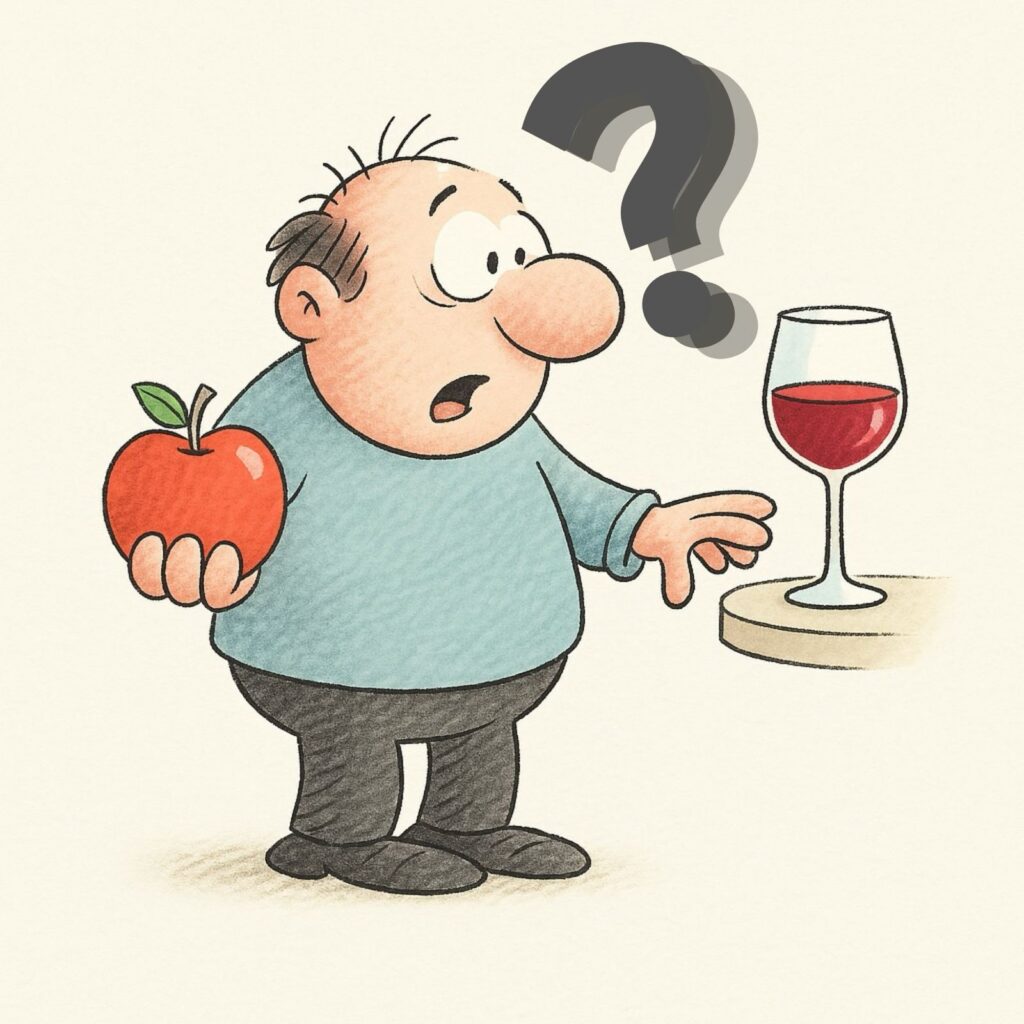
İştahı azaltan bir ilaç ve şarap arasında nasıl bir ilişki olabilir?
GLP-1 drugs mimic a hormone that slows digestion, reduces appetite, and signals satiety. But the appetite they suppress isn’t just for food.
Across the board, users are reporting strong aversions to alcohol — sometimes just days or weeks after starting the drug. For some, it’s an uncomfortable nausea. For others, it’s a fading desire. Red wine seems to be the most common trigger. But the shift isn’t limited to type or taste — it’s about the experience itself.
Less Sugar, Less Wine, Less Buzz
One of the clearest changes? Sugar cravings drop. And with that, the natural bridge to wine — especially sweet or high-alcohol reds — starts to collapse. Some users say even one glass is too much. Others mention a change in how alcohol feels, physically and mentally. The appeal simply… fades. Even those who previously enjoyed wine regularly are pausing, cutting back, or reaching for something lighter — or alcohol-free altogether.
A Quiet Shift in Bars and Bottles
Bu bireysel deneyimler, içecek endüstrisinde hissedilir etkilere dönüşmeye başlamış durumda. ABD’de bazı doğal şarap kulüplerinde üyelik iptalleri %50’lere ulaşmış. Bar sahipleri akşam saatlerindeki satışlarda düşüş, öğleden sonra saatlerinde ise artış gözlemlediklerini aktarıyorlar. Alkol tercihleri de değişiyor: Tatlı kokteyller yerine düşük şekerli içkiler, hatta alkolsüz alternatifler tercih ediliyor.
Nörolojik Kırılma: Dopamin Döngüsü ve Alkol Tüketimi
Bu bölümde biraz teknik terim kullanacağız ama gözünüzü korkutmasın. Zayıflama ilaçlarının (özellikle semaglutid etken maddesinin) alkol tüketimi üzerindeki baskılayıcı etkisi, yalnızca midenin geç boşalmasıyla açıklanamayacak kadar derin bir nörolojik süreçtir. Bu ilaçlar, beyindeki hipotalamus bölgesini etkilemenin yanı sıra, doğrudan ödül ve bağımlılık mekanizmalarının yönetildiği mezolimbik dopamin yolunu hedef alır. Normal şartlarda nitelikli bir kadeh şarap tüketildiğinde beyinde salgılanan dopamin (mutluluk ve tatmin hissi), bu moleküllerin reseptörleri bloke etmesiyle açığa çıkamaz. Birey, şaraptan veya alkolden aldığı o eski duyusal “ödülü” alamadığını fark ettiğinde, tüketim arzusu nörolojik düzeyde sönümlenir. Tıp dünyasında bağımlılık tedavileri için yepyeni bir sayfa açan bu durum, şarap dünyasında ise tüketicinin kadehle kurduğu o keyif ve ritüel ilişkisini tamamen biyokimyasal bir düzleme indirgemektedir.
Küresel Şarap Endüstrisinde “Hacim Daralması” Riski
GLP-1 tabanlı bu ilaçların kullanım oranlarının geometrik bir hızla artması, küresel alkollü içecek ve gastronomi pazarı için ciddi bir makroekonomik tehdit unsuru haline gelmektedir. Özellikle premium şarap segmenti, alkolü sarhoş olmak için değil, duyusal bir keşif ve gurme bir eşleşme ritüeli olarak tüketen bir kitleye hitap eder. Ancak bu ilaçları kullanan bireylerin yalnızca alkol iştahı değil, porsiyonları da küçülmekte ve yemek tercihleri kökten değişmektedir. Restoran ve şaraphane gelirlerinde “kişi başı harcama” oranlarının düşmesi, üreticileri ve işletmeleri daha düşük alkollü, kalorisiz veya sıfır alkollü alternatif ürün tasarımlarına yöneltmektedir. İlaç endüstrisinin yarattığı bu biyolojik müdahale, yakın gelecekte bağcıların ve şarap yapımcılarının asmadaki alkol-şeker dengesini bile yeniden kurgulamak zorunda kalacağı sarsıcı bir pazar daralmasını tetiklemektedir.
Bu sadece bir ilacın etkisi mi, yoksa yeni bir dönemin başlangıcı mı?
Some believe this is less about Ozempic alone and more about a larger shift in behavior. People are choosing wellness. The pandemic reset habits. Younger generations are drinking less. Cannabis, CBD, and zero-proof options are on the rise. And now, GLP-1 medications are pushing things further.
What was once a regular glass of wine is becoming a more intentional choice.
So What Now? Ozempic doesn’t tell us to stop drinking. But it asks us new questions:
Do we still enjoy it? When? How much? And why?
These aren’t bad questions to ask — for the drinker, or for the industry. Whether you run a wine bar or pour a single glass at home, this isn’t just about what’s on the menu. It’s about the way we relate to pleasure, choice, and what we crave. ne kadar?
And right now, all of it is evolving.
Zayıflama ilaçlarının dopamin mekanizmaları üzerinden kadehlerde yarattığı bu sarsıcı hacim daralması, değişen iştahlar ve küresel gastronomi pazarlarının geleceği ilginizi çekiyorsa, blogumuzdaki diğer nitelikli kriz ve trend analizlerimize da göz atabilirsiniz:
İlaç endüstrisinin yarattığı bu biyolojik baskılanmaya benzer bir biçimde, özellikle yeni nesil tüketicilerin (Gen Z) sağlıklı yaşam trendleri doğrultusunda alkolsüz şaraplara yönelmesini ve üreticilerin bu krize karşı geliştirdiği avangart stratejileri okumak için Tüketici Eğilimlerindeki Değişiklikler ve Alkolsüz Şarap makalemizi inceleyebilirsiniz.
Sağlıklı yaşam, kalori kontrolü ve değişen tüketici iştahları ekseninde, alkollü içeceklerin tanıtım ve tüketimini sınırlandırmak adına yürürlüğe giren hukuki düzenlemeleri ve Türkiye pazarının kayıplarını ele aldığımız kurumsal analizimiz için Genişletilmiş Alkol Yasakları Kanunlaştı: Türkiye Neler Kaybediyor? çalışmamıza göz atabilirsiniz.
Tüketicilerin porsiyonları ve kadehleri küçülttüğü bu modern kriz ortamlarının tam aksine; antik çağlarda üretimin, zenginliğin ve ticaretin kalbi olan o muazzam bir bağ rotasının duyusal haritasını keşfetmek için Lidya Antik Bağ Rotası Tadımı: Manisa ve Salihli Bağları gezi yazımızı ziyaret edebilirsiniz.
Mahzenlerde veya bağ sıralarında insan emeğinin ve maliyetlerin bu pazar daralmalarına karşı nasıl teknolojik bir zırhla otonomlaştırıldığını, yapay zekalı akıllı robotların geleceğini okumak için The Future Has Arrived in the Vineyard: Robots Among the Vines teknik monografimize bakabilirsiniz.