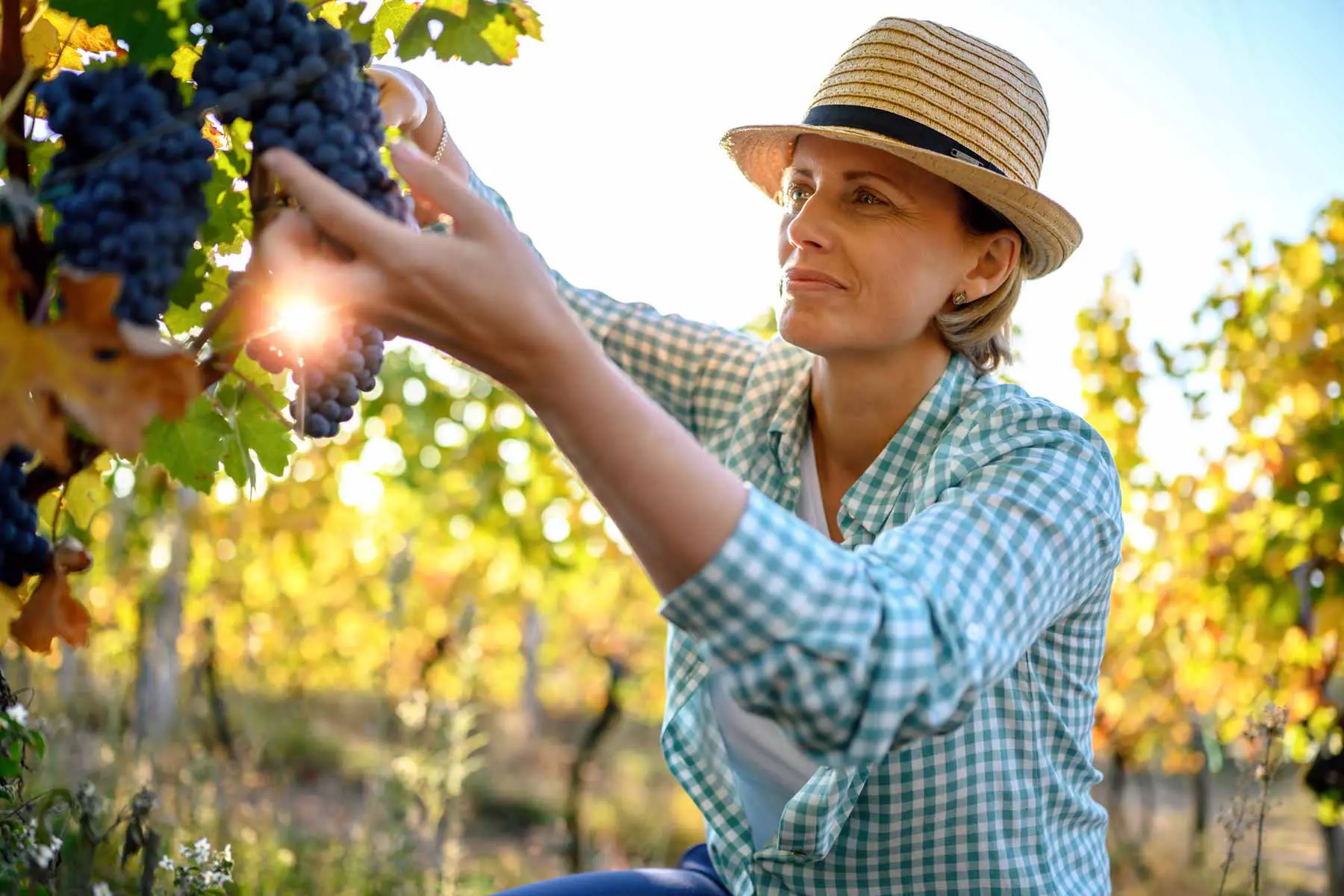
WAYANA’yı hayata geçirmeye ilk karar verdiğimizde heyecanımız doruktaydı elbette. Bir yol haritası da yapmıştık ve o haritanın gerektirdiği bütün hazırlıkları tamamlayıp kapılarımızı öyle açmıştık. Başlangıçta işimizin turizm ile bir ilgisi olduğu fikri çok belirgin değildi, doğrusu. Ama yol haritamızın yolculuk esnasında değişime uğrayacağını içten içe tahmin ediyorduk. Aradan üç yılı aşkın bir süre sonra geriye dönüp baktığımızda yol haritamızda nasıl değişiklikler olduğunu daha iyi görüyoruz. Bu değişikliklerden bir tanesinin başlığı ülkemizdeki şaraplık üzüm çeşidinde meydana gelen artış. Bu artışın WAYANA’da yarattığı değişim ve bu mikro göstergeden yola çıkarak Türk şarap ve turizm sektörleri açısından yaratabileceği avantajlar da bu yazının konusu. Ve artık WAYANA bir şarap turizmi destinasyonu.
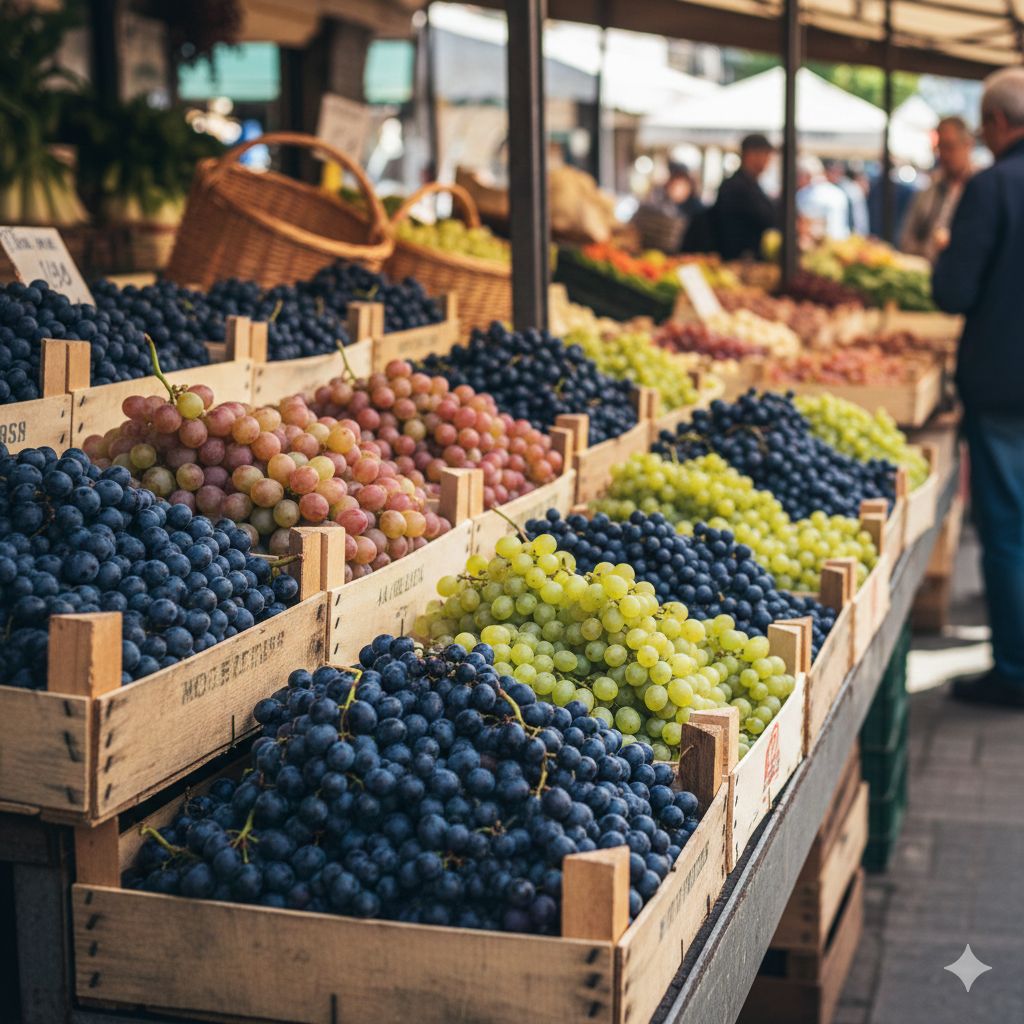
How Tourism in Turkey Has Changed
“Güneş-Deniz-Kumsal” üçlemesiyle kendisine turizm destinasyonu kapılarını aralayan Türkiye, bu başlığın gerektirdiği turizm yatırımlarını hayata geçirmeyi başardı. Ülkemizde turizm alanında meydana gelen değişimi on yıllık periyotlarla pandemiye kadar bir tabloda toplarsak, nasıl baş döndüren bir değişim yaşandığını görürüz.
| Year | Year Tourism Revenue (USD billion) Total Visitors (million) | Year Tourism Revenue (USD billion) Total Visitors (million) |
| 1980 | 0,33 | 1,3 |
| 1990 | 3,23 | 5,4 |
| 2000 | 7,64 | 10,4 |
| 2005 | 18,23 | 21,2 |
| 2010 | 24,93 | 31,4 |
| 2015 | 31,46 | 41,2 |
| 2019 | 42,85 | 51,75 |
After the pandemic struck in 2020, Turkish tourism stalled like everywhere else. But the rebound that followed was astonishing:
| Year | Year Tourism Revenue (USD billion) Total Visitors (million) | Year Tourism Revenue (USD billion) Total Visitors (million) |
| 2021 | 30,31 | 29,81 |
| 2022 | 49,36 | 51,37 |
| 2023 | 54,3 | 56,7 |
| 2024 | 61,1 | 62,2 |
1980 yılını baz kabul edersek, gelen turist sayısı 50 kat artmış. Turizm sayesinde elde edilen gelir de 180 kat artmış. Bu sayılara bakıp da “Vay canına” dememek zor.
Bilgi Kutusu: Yerel Üzümler Turizme Ne Kazandırır?
- Destinasyonu benzersiz kılar.
- Gastronomi deneyimini zenginleştirir.
- Bağ rotalarının temelini oluşturur.
- Kültürel mirası görünür hâle getirir.
- Yerel ekonomiyi destekler.
- Kırsal kalkınmaya katkı sağlar.
Şarap Turizminin Genel Turizm İçindeki Yeri
Realistically, wine has never held a meaningful place in Turkey’s tourism strategy. Even before the government’s political priorities became this pronounced, wine tourism was nowhere on the agenda. After the Trakya Vineyard Route project (notably avoiding the word “wine”), the subject quickly disappeared from public policy. Today, when you visit museums, you won’t find a single artifact label using the word “wine,” even when the objects clearly relate to it.
Ama Türk turizmi açısından gastronominin öneminin fark edildiği bir dönemdeyiz. Devletin özendirmesiyle Michelin gibi örgütlerin son birkaç yıldır Türkiye için hareket etmeye başladığını ve etki alanlarının genişlediğini görüyoruz. Gastronominin ayrılmaz bir parçası olan şarabın içki değil, yemeğin bir parçası olarak kabulü konusunda belirgin bir değişim olduğunu da gözlüyoruz. Nitekim Avrupa Konseyi Kültür Rotalarından birisi olan Iter Vitis Avrupa Şarap ve Bağ Rotaları Örgütü, artık ülkemizde Kültür ve Turizm Bakanlığı tarafından destekleniyor.
Trakya Bağ Rotası’ndan sonra sivil inisiyatiflerle kurulan Urla, Çal ve Lidya ile dörde ulaşan bağ rotalarının sayısı, üzerinde çalışılan Kapadokya ve Truva ile daha da çoğalacak. Üstelik bu rotalarda yeniden Kalkınma Ajanslarının işin bir parçası olmaya başladığını görüyoruz ki bu önemli bir değişimin habercisi. Yani, Türk şarapçılığı açısından bu yeni dönemde turizmin paydaşı olarak yer almak için asgari şartlar ortaya çıkıyor.
Anadolu Bağ Mirası ve Küresel Gastronomi Turizmi
WAYANA was built on a realization: the globally accepted service model in the wine world no longer meets the expectations of wine lovers. We rejected the long-standing assumption that wine must be served by the bottle and that only a few wines may be offered by the glass.
That model didn’t serve wine lovers. It frustrated us personally, so we assumed others felt the same. We made a principled decision: every wine on our menu should be available by the glass. We hoped people would embrace it. They did, though not as quickly as we imagined. Two years after opening, we started to see how this approach repositioned WAYANA as something distinct.
Our second major conviction came from recognizing a peculiarly Turkish irony: Turkey is a world leader in grape diversity. Our collection vineyards hold 1,459 registered varieties. Yet we still don’t know how many are suitable for winemaking. What looks like a shortcoming today became an opportunity for WAYANA. Not long ago, in 2022, Turkey had roughly 50–60 winemaking grapes. Today the number is 83. At WAYANA, we serve wines from 75 of these grapes (the missing ones simply have no current vintage). This alone reveals a massive untapped opportunity for Turkish tourism.
A Changing Profile: Wine Lovers and Travelers
Everyone has heard the story by now: wine consumption is declining globally. Poorly managed supply-demand balances are seeking a new equilibrium. When that stabilizes, the gloom will lift. But the preferences of wine drinkers are also evolving: lower consumption, lower alcohol, more intention, more curiosity. Tourism trends mirror this shift. The older generation’s instinct to run straight into the sea is giving way to a desire to discover cultural value.
The New Focus: Not Drinking Wine, but Discovering Grapes and Stories
Geçen haftaki bültende iki sınır komşumuzun, Yunanistan ve Gürcistan’ın şarap ihracat rakamlarını paylaşmıştık. Onların şarap sektörü deneyimleri elbette bizim için bir ders kitabı değeri taşıyor. Ama bizde onlarda olmayan başka bir zenginlik var: kimsenin bilmediği yüzlerce keşfedilmeyi bekleyen üzüm ve bunlardan her yıl önümüze çıkan yepyeni şaraplar.
Turkey has exactly what today’s experience-driven, discovery-oriented generation seeks. These travelers—digital nomads, culinary explorers, curious wanderers—see wine not as alcohol but as an essential companion to food. For them, Turkish wines are a magnet.
Bunu, WAYANA olarak biz, yaşadık ve yaşamaya devam ediyoruz. Turistik bir bölgede olmadığımız halde bu deneyimi önemseyerek plan yapan, karşılarına çıkan üzüm ve şaraplarla şaşkına dönen konuklarla neredeyse her gün karşılaşıyoruz. Bunun hakkını vermek için çok çalışıyoruz ama bundan hiç pişmanlık duymuyoruz.
Final Word
Türkiye, bugüne kadar kıymetini bilmediği, önemsemediği bir üzüm ve şarap ülkesi. Ama bu işe gönül veren üreticileri var. Bu üreticiler yeni üzümleri ortaya çıkarmanın hem kendi işletmeleri için hem de ülkenin zenginliği için önemli olduğuna inanıyorlar.
Dünyadaki değişimin yarattığı bu fırsatı Türk şarapçılığı ve şarap turizmi için kullanabiliriz.
We can use it to strengthen both Turkish winemaking and Turkish tourism. Will we?
Şarap turizmi, yerel üzüm çeşitlerinin korunması ve Türk bağcılığının küresel stratejileri ilginizi çekiyorsa, blogumuzdaki diğer vizyoner yazılarımıza da göz atabilirsiniz:
Yerel bağcılık potansiyelimizi ve bu alandaki akademik kurtarma adımlarını okumak için Tekirdağ’da paneldeydik: İklim Krizi, Yerel Üzüm Çeşitleri ve Yerel Maya Geliştirmeyi konuştu] makalemizi inceleyebilirsiniz.
Bu toprakların turizme can verecek o saklı gen haritasını keşfetmek için Nadir Anadolu Üzümleri: İlk Kez Ticari Şarap Olan 11 Kayıp Çeşit and Likya’nın Kayıp Üzümler Macerası: Bulmak Zor, Kayıt Altına Almak Daha Zor! araştırmalarımıza göz atabilirsiniz.
WAYANA’nın bu zengin mirası tek tipleşmeye karşı koruma misyonunu incelemek için Güvenli Ticari Alanı Reddetmek: WAYANA’nın 500 Şaraplık Bir Menüyle Tek Tipleşmeye Direnişi içeriğimizi ziyaret edebilirsiniz.