Ülkemizde şarap sektörünün durumu malum. Ağır kayıplarla geride bıraktığımız 2025 yılından farklı olmayacağını hissettiren 2026’nın da ilk ayını geride bıraktık. Ülkemizin çok küçük olan şarap sektörünün en büyük eksiğinin pazarlamada olduğu görülüyor. Pazarlamayı en geniş anlamıyla ele alarak baktığımızda, üreticilerin stratejik hedeflerle ilgili saptamalarının kristalize olmadığını söylemek herhalde yanlış olmaz. Üreticilerin büyük bir bölümünün birbirleriyle kolayca yer değiştirebilecek segmentleri ve şarapları var. Pazar zaten çok küçük ve büyüme özelliği taşımıyor. Bu defa rekabet çok keskinleşiyor. Üstelik şarap üretiminde diyelim ki farklılaşma kararı aldınız. Bu defa da sonuçların ürün gamına yansıması yıllar gerektiriyor. Karşılaştırmak için Amerikalı bir küçük üreticiyi ele aldık: Xander Soren Wines.
A large proportion of producers operate in segments and with wines that could easily be swapped with one another. The market is already small and shows little potential for growth, which sharpens competition even further. Moreover, even if a producer decides to differentiate, the impact of that decision on the product portfolio often takes years to materialize. In order to expand the range of possibilities within this landscape, we share examples from around the world, particularly those that stand out through distinctive positioning. We hope that one of these cases might spark an idea, or even a small flame, among our producers. Today’s example is the American producer Xander Soren Wines.
Who Is Xander Soren?
Xander Soren was part of Steve Jobs’ team during Apple’s rise as a design-driven company. At a time when both the structure and hardware of the industry were being fundamentally reshaped, Soren was a member and manager of the team behind some of Apple’s most successful products, including GarageBand, iTunes, and the iPod. We all know how meticulous those processes were. Importantly, that rigor extended not only to the products and systems themselves, but also to how they were presented and delivered to users. As we will see, this experience deeply influenced Soren’s journey into wine.
Strategies Built for Precision Targets
From concept to blending, Soren’s wines are designed at every step to shine alongside Japanese cuisine.
He focuses on cooler vineyard regions, particularly Santa Rita Hills, where terroir yields fruit with Burgundian-level nuance. His grapes are sourced exclusively from vineyards in this area.
Why Pinot Noir? “I think I agree with the community of sommeliers and chefs who consider Pinot Noir one of the most versatile wines for food pairing,” Soren explains.
Santa Rita Hills fruit, in particular, fits this purpose perfectly. “People always talk about salty sea spray, nori, umami notes,” he says. These characteristics make the wines ideal for sukiyaki, wagyu, tempura, and even raw tuna. “You can drink Pinot Noir with raw tuna.”
The wines are intentionally produced with high acidity, brightness, lower alcohol levels, and a strong emphasis on balance, all essential qualities for delicate and complex dishes.
Minimal Intervention, Maximum Precision
Soren’s winemaker is Shalini Sekhar, who has worked at renowned wineries such as Williams Selyem and Stag’s Leap, and who also founded her own label, Ottavino.
At Xander Soren Wines, Sekhar oversees a non-interventionist yet labor-intensive approach. Not only vineyard parcels but even clone selections are fermented and aged separately in carefully chosen French oak before final blending. Because the process demands it, production volumes remain deliberately small.
Soren describes their collaboration as follows: “I see myself more as a creative director, while Shalini is a master, award-winning winemaker.”
Blending is where they meet. “We sit down together and try many different combinations. It’s always done blind. We ask each other what we think about A versus B.”
Design as Experience: Boxes, Logos, and the Apple Touch
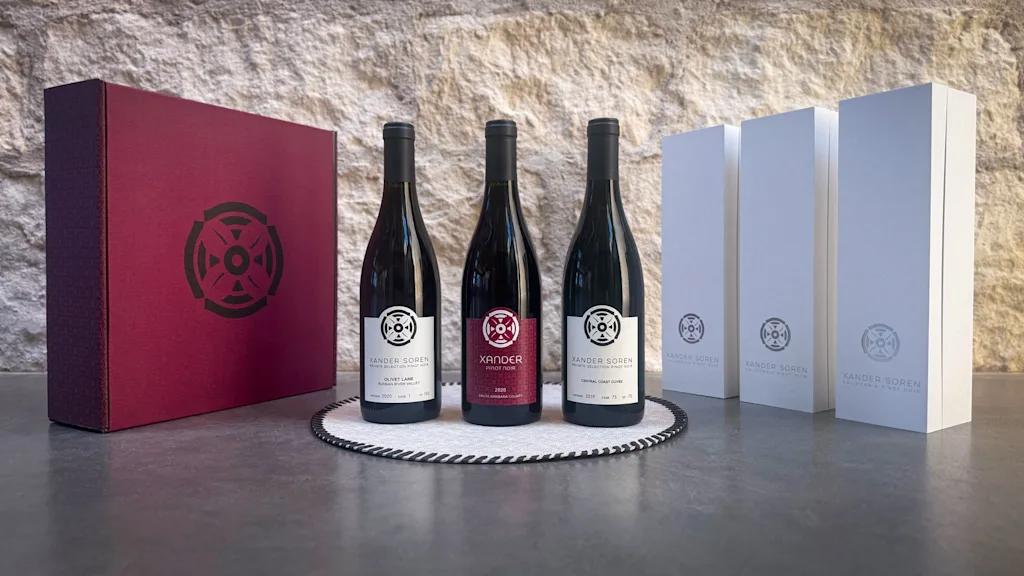
Soren’s Apple design background becomes apparent the moment you open a box of Xander Soren wine. The packaging is intentionally minimalist and tactile, designed to create a sense of anticipation similar to lifting the lid of a new Mac or iPhone.
Soren, “Her şey kutu açma deneyiminin çok özel olmasını istemekle başladı… Güzel ama basit, aynı zamanda daha çevre dostu olduğunu hissettiğim bir kartondan yapıldı,” diyor. Ambalaj fikri, temiz hatlara, ölçülü malzemelere sahip olan ve içeriğini sessiz bir seremoniyle ortaya çıkarmak için hafif bir sürtünmeyle açılan, neredeyse imkânsız derecede zarif bulduğu bir sake paketiyle karşılaştığında netleşmiş.
Bu sadelik Japon hissi veriyordu ama aynı zamanda adını koyamadığı bir şekilde tanıdıktı. Tasarımcıları bulduğunda cevabını aldı. “Tamamen tesadüf eseri, aşık olduğum o sake kutusunun orijinal iPhone ambalajından ilham aldığını söylediler. Yani bu, bir nevi başladığı yere dönen bir hikâye gibi hissettirdi.”
For Soren, the connection was not merely aesthetic. Both Apple and traditional Japanese design value containers that elevate rather than overshadow what they hold. His wine packaging follows the same logic: restrained materials, intentional geometry, and nothing unnecessary. The experience begins before the cork is pulled.
This attention to micro-details sits at the heart of the brand. “Small, tiny things matter,” he says.
Like the wine itself, the box is not designed to shout, but to reveal itself slowly through weight, texture, proportion, and a subtle refinement that reflects both Soren’s Apple past and his respect for Japanese craftsmanship.
After decades of building software at breathtaking speed, Soren had to adapt to a new rhythm in wine. When changes are made in the vineyard or in a blend, “we won’t truly know the impact of that decision for four or even five years,” he explains. Slightly slower than launching an iPod.
This patience also shapes the scale of the brand. Current production stands at approximately 800 cases per year.
A Logo with Symbolism and Storytelling
Soren’s logo blends Japanese symbolism with deeply personal references. Inspired by traditional kamon family crests used by samurai clans, the mark embraces simplicity and iconic geometry. At its center sits an X-shaped Frasera wildflower, chosen for its four petals that subtly evoke the first letter of his name. The circular form offers a quiet reference to musical elements, the appearance of a speaker, reel-to-reel tape, or vintage record inserts.
The final touch came from Soren’s father, Leon Soren, an industrial designer, who broke the upper edge of the outer ring to echo the silhouette of a Japanese temple roof. The result is a layered emblem that slowly reveals itself, rewarding close inspection and reflecting the Japanese appreciation for small, deliberate details that unfold over time.
Soren admits that even though his products now grow on vines, he still thinks like a product designer. In technology, momentum is everything. In wine, momentum is measured in rainfall, ripeness, and the passage of seasons.
He welcomes this reversal. What matters now is not speed, but the satisfaction of work that reveals itself at its own pace.
Xander Soren Wines Örneğini Özetleyelim:
Xander Soren Wines, bizde de örneklerini gördüğümüz, farklı sektörlerdeki kariyerleri sonrasında şarap üretmeye karar veren girişimcilerin yatırımlarına güzel bir örnek. Girişimcinin geçmişinde Apple’ın yer aldığını görünce, bu deneyimin şaraba nasıl yansıyacağını ister istemez merak ediyor insan. Soren’in girişiminin ayrıntılarında bu etkiyi çok yönlü görüyoruz. Kusursuz üretim yapma konusundaki kararlılık, ürün kadar ürünün dış tasarımına verilen önem, spesifik bir amaca odaklanan ürün gamı bunlar arasında hemen göze çarpıyor.
Soren’in üretim miktarı yıllık 5000 şişe civarında. Apple’ın geniş tüketicilerle buluşma konusundaki gücüyle bu üretim miktarının uzaktan yakından bir alakası yok. Ama butik ölçekte bile olsa teknolojik ürün kullanımı ve tasarımında çığır açan Apple’ın kullanıcı odaklı yaklaşımının, Soren’in şaraplarının hedeflediği Japon mutfağı eşleşmelerinde çok iyi sonuç verdiğini görüyoruz.
The Takeaway
A production volume of 5,000 bottles is, of course, symbolic. But we also have producers in our own country operating at similar scales. The question is whether any have embarked on their journey with a focus as sharply defined as that of Xander Soren Wines.
Or let us frame the question differently. Beyond a personal affinity with Japanese culture, Soren has no direct engagement with Japan. His wines are made in the United States, yet his target market is Japan.
Türkiye’de ise gastronomi turizmi konusu giderek ivme kazanıyor. Bizim şarap üreticilerimiz arasında Türk mutfağına odaklanmış şarap üretimi yapmayı hedefleyenler varsa da, en azından bizim haberimiz yok. Peki, böyle bir yaklaşımın karşılığı olabilir mi? Bu soruya olumlu cevap vermek de zor. Ama bizim görevimiz, emsallerden kendi pazarımız için seçenekler türetmek için çalışmak. Belki bu yazıklarımız bambaşka bir stratejik yaklaşımın tohumunu atmaya yardım eder.