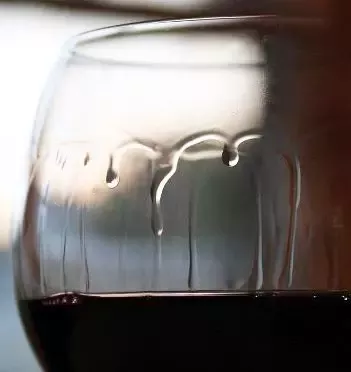
Şarap severlerin duyusal analizlerinde en çok ilgisini çeken estetik anlardan biri, çevrilen bir kadeh kenarında süzülen o narin sıvı bacaklarıdır. Şarapla haşır neşir olmaya başlayan herkesin dile getirdiği soruların başlarında şarap kadehinden iç yüzünden süzülerek aşağıya doğru akan inceli kalınlı su kanalları gelir. Başlıkta yer alan iki deyiş de kullanılır bu kanallar için: şarabın bacakları veya şarabın gözyaşları. Bu konudaki sohbetlerin hepsinin amacı görülen bu akıntının şarabın niteliğiyle ilgili olup olmadığını anlamaktır. Acaba nasıl olursa bu akıntılar şarabın kaliteli olduğunu gösterir?
Let's first try to understand the fundamental physical reality behind these flows and then evaluate whether there are sufficient conditions for making a judgment. The flows we see in the glass are shaped by the chemical composition of the wine, temperature, humidity, and the shape of the container. Let's explore how this process occurs.
Akışkanlar Mekaniği ve Marangoni Etkisinin Kimyasal Sırrı
Kadehi hafifçe çevirdiğimizde çeperlerde yükselen ve ardından ince damlalar halinde süzülen “şarabın bacakları”, sanılanın aksine şarabın kalitesine, asaletine ya da zanaatkârlığına dair hiçbir duyusal referans sunmaz. Bu görsel şölen, fizik literatüründe “Marangoni etkisi” (veya Gibbs-Marangoni etkisi) olarak adlandırılan, iki farklı sıvı arasındaki yüzey gerilimi gradyanlarından kaynaklanan bir akışkanlar mekaniği mucizesidir. Şarap, temelde su ve etil alkol olmak üzere iki farklı uçuculuğa sahip sıvıdan oluşur. Alkolün buharlaşma hızı ve yüzey gerilimi, suyunkinden çok daha düşüktür. Kadehin çeperine tırmanan ince şarap tabakasındaki alkol, havayla temas ettiği anda sudan çok daha hızlı buharlaşır. Alkol oranı aniden düşen bu bölgede yüzey gerilimi hızla tırmanır; gerilimi yüksek olan su, aşağıdaki alkollü şarabı yukarıya doğru çeker. Kadehin çeperinde biriken bu sıvı kütlesi, yerçekimine daha fazla direnemeyecek bir ağırlığa ulaştığında yerçekiminin etkisiyle süzülerek kadehin bacaklarını oluşturur.
Alkol Yoğunluğu ve Viskozite: Bacaklar Bize Ne Anlatır?
Bacakların kalınlığı, süzülme hızı ve sıklığı şarabın kalitesini tescillemese de, o kadehteki sıvıya dair en rasyonel iki enolojik parametreyi —şarabın alkol derecesini ve gövde yapısını etkileyen akışkanlığını (yani viskozitesini)— çıplak gözle analiz etmemizi sağlar. Alkol oranı yüksek şaraplarda (özellikle %14 ve üzeri gövdeli kırmızılarda veya geç hasat tatlı şaraplarda) buharlaşma farkı çok daha keskin olacağı için, oluşan bacaklar çok daha belirgin, sık ve yavaş süzülen birer gözyaşı patikası oluşturur. Şarapta alkolle birlikte “gliserol” (fermentasyon sırasında mayaların ürettiği doğal bir yan ürün) ve kuru madde özütü arttıkça, sıvının viskozitesi (akışkanlığa karşı gösterdiği direnç) de tırmanır. Dolayısıyla, kadehte sabırla süzülen o narin bacaklar, önoloğa şarabın mahzendeki gövde inşası, alkol potansiyeli ve olgunlaşma yoğunluğu hakkında rasyonel, kimyasal ve fiziksel birer ön bilgi sunmaktadır.
Kadehimizin içindeki şarabı çevirerek karıştırdığımızda, kadehin iç yüzünü ince bir sıvı film tabakası kaplar. Bu ince örtünün içinde hem alkol hem de su molekülleri vardır. Uçucu olan alkol hızla havaya karışınca hem su molekülleri hem de daha ağır yapıdaki tanen ve şeker molekülleri bardağın iç yüzünde damlalar oluştururlar. İşte bu damlalar yerçekimi etkisiyle aşağıya doğru süzülerek şarabın gözyaşlarını veya bacaklarını meydana getirirler.
Meraklılar için tekrar edelim: Bu olay fizikte, yukarıda ayrıntılı biçimde anlattığımız gibi Gibbs-Marangoni etkisi olarak adlandırılır; adını da teoremi geliştiren bilim insanlarının soyadlarından alır. Özetleyecek olursak, akıntıların oluşumu sıvıların yüzey gerilimleri arasındaki farktan ileri gelir.
Gelelim esas merak ettiğimiz kısma: Bu akıntılara bakarak şarap hakkında bir fikir yürütmek mümkün müdür? Hiç hata payı olmadan bu akıntıların şarabın alkol içerdiğinin kanıtı olduğunu söyleyebilirsiniz. İyi de, bunu zaten hepimiz biliyoruz; bacaklara veya gözyaşlarına ihtiyacımız yok bu sonuca varmak için.
Biraz daha fikir yürütecek olursak, damlaların su, şeker ve tanen moleküllerinden meydana geldiğini ve bu durumda bacağın ya da gözyaşının bu özelliklerin daha yoğun olduğu (mesela kırmızı şarap veya tatlı şarap gibi) şarapları işaret ettiğini söyleyebiliriz. Ama bu söylediklerimizin bize şarabın iyi, kötü, nitelikli, vs. olduğu konusunda güçlü dayanaklar sağlamadığını da unutmamak gerekir. Akıntıların kadehin formundan da etkileneceğini akılda tutmamızda fayda var. Aynı şarabı farklı oval açılara sahip kadehlere koyduğumuzda, akıntılar farklılıklar gösterir.
Sözün özü, kadeh karşımıza çıkardığı şarabın gözyaşlarıyla bize şarabın yapısal özellikleriyle ilgili fikir yürütme olanağı sağlar, ama şarabın kalitesiyle ilgili bir şey söylemez.
Kadehin çeperinde süzülen o Marangoni fizik kuralları, alkol-su dengelerinin duyusal analizleri ve enoloji dünyasının rasyonel gerçekleri ilginizi çekiyorsa, blogumuzdaki diğer nitelikli teknik araştırmalarımıza da göz atabilirsiniz:
Kadehlerin bacak kalınlığını belirleyen o alkol yoğunluğunun; asmanın kendi bünyesindeki dikey asidite ve tanenlerle kadehte kurduğu o evrensel duyusal dengenin matematiksel analizini okumak için Şarapta Denge Kavramı: Asidite, Alkol ve Tanen Matrisi derin başvuru kılavuzumuzu ziyaret edebilirsiniz.
Bacakların ve gözyaşlarının arkasındaki o gövdeli, yüksek alkollü ve yoğun yapıyı asmada inşa eden o ilk adımı; kabuk-su oranının şaraba sunduğu o yüksek özüt ve kuru madde zenginliğini öğrenmek için Şaraplık ve Sofralık Üzümlerin Farkı: Enolojik Analiz karşılaştırmalı botanik yazımızı inceleyebilirsiniz.
Kadehlerin duruşundan veya etiket fiyatlarının yarattığı o plasebo illüzyonlarından sıyrılarak, kadehteki sıvıya her zaman önyargısız, dürüst ve tamamen çıplak duyusal parametrelerle yaklaşmanın nöro-gastronomik formüllerini keşfetmek için How Price Influences Wine Perception: Are We Being Tricked? nöro-bilim çalışmamıza göz atabilirsiniz.
Farklı meşe fıçılarda yıllandırılarak gövdesi, alkol bütünlüğü ve viskozitesi (bacakların sıklığı) tasarlanan şarapların; o sık dokulu Fransız ormanlarından süzülen enolojik etkilerini görmek için Her Meşe Aynı Değil: Şarapta Fıçı Seçimi ve Enoloji fıçı analizimize bakabilirsiniz.