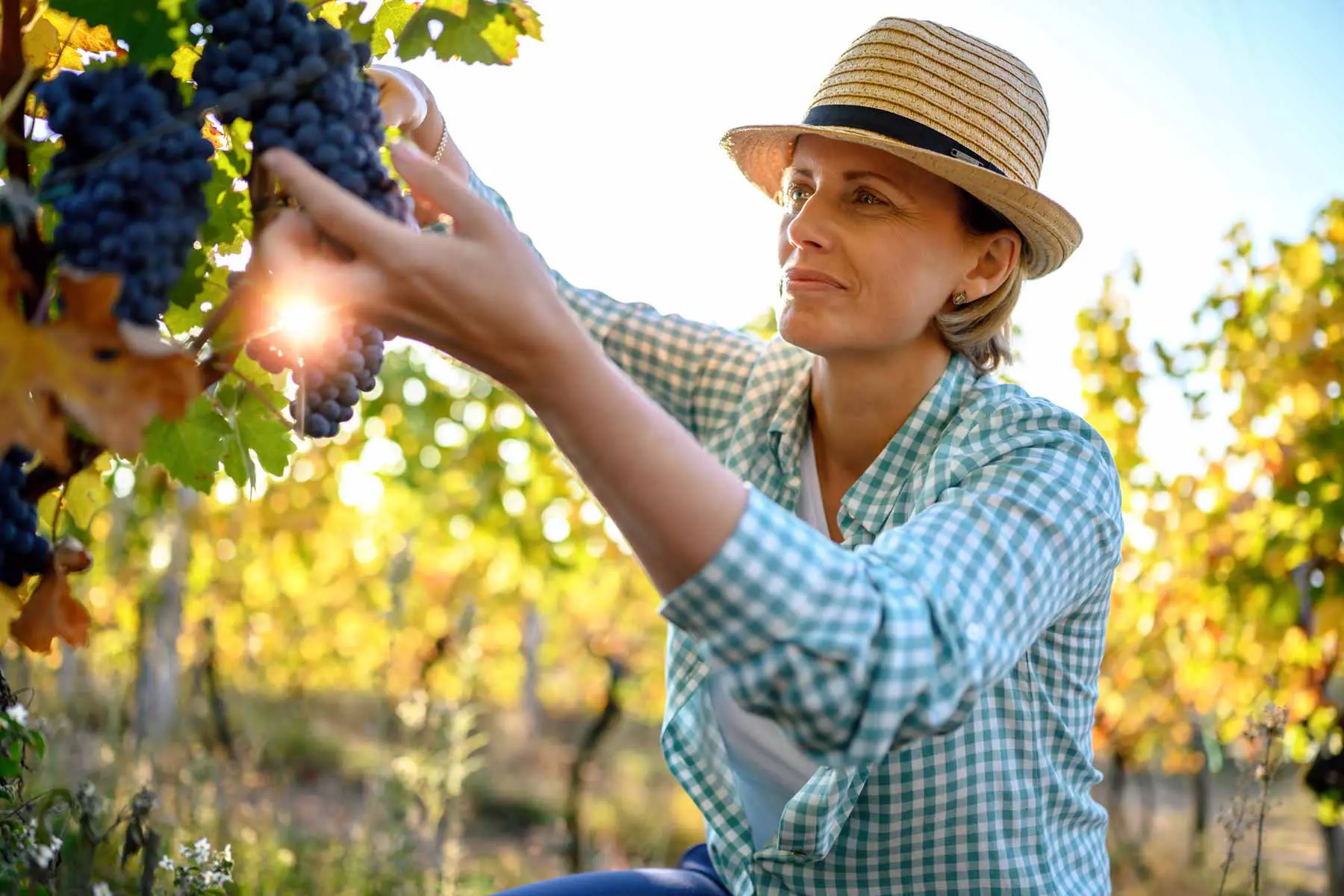
Ülkemizin zengin üzüm portföyünün bize sunduğu şaraplık üzümler arasında Bozcaada doğumlu olan dört tanesi hemen akla gelir. Bunlar arasında Vasilaki ve Sıdalan beyaz şarap yapımında, Kuntra ve Karalahna kırmızı şarap yapımında kullanılır. Bozcaada’da Vasilaki olarak tanınan üzüm anakarada Altıntaş, Kuntra da Karasakız olarak adlandırılır. Bu yazımızda ele alacağımız Karasakız üzümünün, karşınıza gelen Kuntra ile aynı üzüm olduğunu unutmayın.
Troas Teruarında Karasakız’ın Mikro-Klimatik Karakteri
Karasakız’ın asıl duyusal mucizesi, Çanakkale’nin Bayramiç ve Kazdağları eteklerinde, Kuzey Ege’nin o sert ve serinletici rüzgârlarıyla şekillenen Troas mikroklimasında saklıdır. Bu coğrafyadaki süzek, taşlı ve mineral açısından zengin toprak yapısı, Karasakız asmalarının köklerini derinlere salmaya zorlar. Sıcak yaz günlerinde Kazdağları’ndan vadiye süzülen gece serinlikleri, üzüm tanesindeki doğal malik ve tartarik asitlerin korunmasını sağlayarak fenolik olgunlaşmayı yavaşlatır ve dengeler. Sonuç olarak ortaya; alkol oranı kontrollü, dikey asiditesi diri ve kadehten yükselen o meşhur taze kızılcık, yabani çilek, nar ve hafif tütün yaprağı aromalarıyla bezenmiş, Akdeniz esintili fevkalade zarif ve gevrek kırmızı şarap profilleri çıkar.
Monosepaj Devrimi: Harmanların Gizli Kahramanından Sahne Işıklarına
Uzun yıllar boyunca Karasakız (Kuntra), endüstriyel şarap üretim tesisleri tarafından renginin açık, gövdesinin ise görece narin olması sebebiyle sadece kupajlara asidite ve hacim kazandırmak amacıyla ikincil birer dolgu malzemesi olarak kullanılmıştır. Oysa zanaatkâr enoloji felsefesiyle hareket eden yeni nesil butik üreticiler bu üzüme hak ettiği o asil ve çıplak monosepaj (tek varyete) kimliğini iade etmiştir. Karasakız, meşe fıçının o sık dokulu gözenekleriyle doğru şekilde buluştuğunda veya nötr tanklarda minimum müdahaleyle işlendiğinde, Pinot Noir ile Gamay arasında konumlanan o inanılmaz narin tanen yapısını ve yüksek içim kolaylığını (drinkability) sergiler. Bu monosepaj devrimi, Anadolu’nun kendi yerel değerleriyle küresel şarap literatürüne nasıl taze ve rekabetçi bir soluk getirebileceğinin en somut ve rasyonel kanıtıdır.
Kısaca Geçmişten Bugüne Karasakız
Karasakız has been a grape widely cultivated in large areas of Balıkesir and Çanakkale. Due to its characteristic suitability for brandy production, TEKEL promoted the cultivation of Karasakız, but after privatization and the closure of the brandy factory, producers found themselves unable to sell their grapes. The closure of the TEKEL factory in 2007 took the heaviest toll on the Karasakız grape. Vineyards were either uprooted and replaced mainly with fruit trees or abandoned.

Kuntra viticulture in Bozcaada was less affected by this. The island’s long-established producers such as Çamlıbağ and Talay, as well as the more recent Corvus winery, have continued Kuntra viticulture and wine production. These wineries still produce Kuntra wines today.
Returning to the Anatolian side, we observe that the resentment towards Karasakız began to change a few years ago. This shift is largely due to the observed changes in Turkish winemaking. Despite the negative impacts of the current government's wine policy, there is tremendous dynamism in the wine sector. This movement is particularly evident in more niche areas related to wine. For example, the adoption and rehabilitation of old vines and the increasing interest in natural wine production are surprising developments that add significant dynamism to the sector.
Karasakız Bugün Daha Güçlü
Karasakız bağları yukarıdaki iki niş alanın ikisinden de olumlu etkilendi ve kârlı çıktı. Yaşlı asmalarla ilgili, özellikle Yaban Kolektif’in üstlendiği inisiyatif, bölgedeki bir kısım bağların makus kaderlerini değiştirdi. Bu girişimlerin daha geniş bir üretici kitlesiyle buluşması için de hasat edilen üzümler, farklı üreticilerle paylaşılarak geniş bir payda edinilmesi sağlandı. Böylelikle son üç yıl içinde birdenbire cıvıl cıvıl hareketlenmiş bir Karasakız pazarı ortaya çıkıverdi. Her üreticinin kendi yaklaşımıyla ürettiği Karasakız şarapları, ülkemizde görmeye alışık olduğumuz ortalama Karasakız örneklerinden daha farklı bir düzleme yerleşti. Bu üreticiler arasında hem geniş ürün yelpazesine sahip olan 7Bilgeler gibi üreticilerin hem de Yaban Kolektif, Canavar gibi daha genç girişimlerin yer aldığını görüyoruz.
Ortaya çıkan şaraplar Karasakızın kanyak üretimine sıkışmış kimliğini geride bırakıp yetkin bir şaraplık üzüme evrilmesinin önüne açtı. Şarap severler karşılarına gelen Karasakız örneklerinin hem çeşitliliğinden hem sergilediği niteliklerden heyecan duydular. Farklı rekoltelerin kendine özgü karakteristik yapıları bundan sonraki yıllarda önümüze gelecek Karasakız örnekleri konusunda da beklentileri yükseltiyor.
At WAYANA, we offer a wide range of Kuntra and Karasakız wines. Among these, there are both conventionally produced and natural wines. Each example in different segments has its unique signature. But all are worth getting to know, and one of them will surely suit your palate. You just need to decide to get to know them.
Karasakız veya Bozcaada’daki adıyla Kuntra üzümü gibi Anadolu’nun diğer kadim gen kaynaklarını ve kadehlerimizdeki yerel çeşitliliği incelemek için The Grapes of This Land rehber yazımızı ziyaret edebilirsiniz.
Karasakız asmalarının o Kazdağları rüzgarlarıyla yıkanan zarif ve gevrek karakteri, monosepaj şarapçılığın yeni dalga yükselişi ve butik enoloji dünyası ilginizi çekiyorsa, blogumuzdaki diğer nitelikli teknik ve felsefi araştırmalarımıza da göz atabilirsiniz:
Karasakız’ı Troas teruarında sıfır kimyasal ve minimum müdahaleyle, vahşi mayaların o spontan gücüyle işleyerek kadehlerimize taşıyan o bağımsız genç üretici çiftin heyecan verici hikâyesini okumak için Canavar Şarapları: Genç ve Bağımsız Bir Girişim Hikâyesi üretici profilimizi ziyaret edebilirsiniz.
Karasakız gibi narin ve açık renkli yerel bir kırmızı üzümün, milimetrik hasat zamanlaması ve mahzen müdahaleleriyle kadehte nasıl diri bir dikey beyaz sek (blanc de noirs), canlı bir roze ya da köpüklü gibi üç ayrı stile bürünebileceğini keşfetmek için Bir Üzümün Üç Hali: Farklı Şarap Stilleri ve Enoloji teknik tadım rehberimizi inceleyebilirsiniz.
Karasakız varyetesi gibi şaraplık üzümlerin o kalın kabuklarında saklı olan tanen ve antioksidan zenginliğini, sadece düz bir tatlılığa odaklanan sofralık kuzenleriyle olan o mikrokimyasal farklarını öğrenmek için Şaraplık ve Sofralık Üzümlerin Farkı: Enolojik Analiz karşılaştırmalı botanik yazımıza göz atabilirsiniz.
Yerel varyeteleri kurtararak butik üretim sahnesine kazandıran zanaatkar reflekslerin bir diğer görkemli örneğini; Denizli’nin Çal ilçesinde asırlık asmalardan süzülen yerel mirasın ve o görkemli sempozyumun detaylarını incelemek için Çalkarası Sempozyumu 2026 saha analizimize bakabilirsiniz.