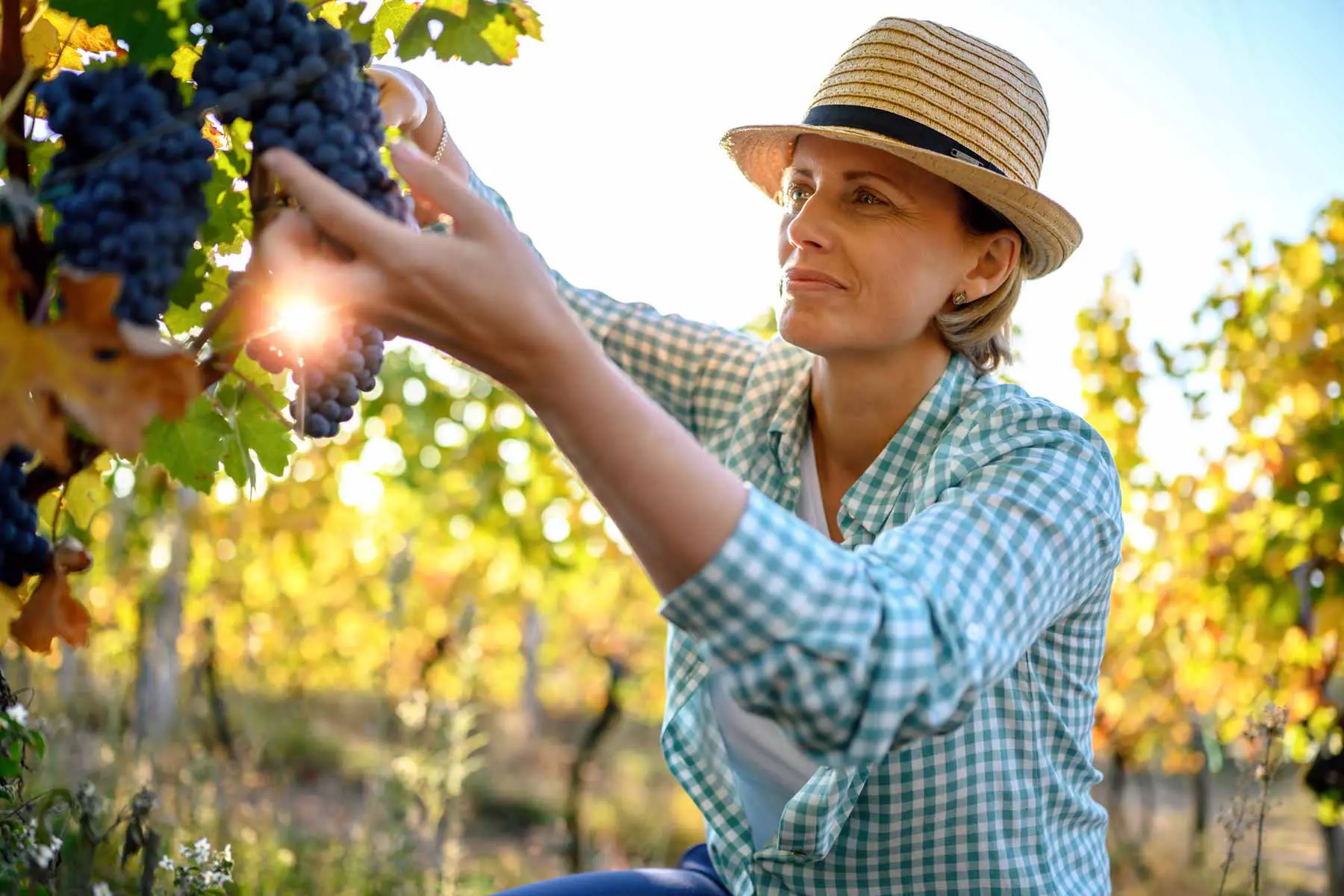
Fıçılarda kullanılan meşe ağaçlarını konuşacaksak önce kıtalar ve teruarlar açısında karşımıza çıkan temel farklılıkları ve toasting işleminin çerçevesini çizen hatırlatmalarımıza bakalım.
Türsel ve Jeo-Botanik Ayrım: Quercus Petraea ve Quercus Alba
Meşe fıçının şaraba olan etkisini belirleyen ilk ve en kritik faktör, fıçının üretildiği meşe ağacının botanik türü ve büyüdüğü ormanın toprak/iklim yapısıdır. Fransız meşesi çoğunlukla “Quercus petraea” ve “Quercus robur” türlerinden üretilir. Bu ağaçlar, Fransa’nın Allier, Nevers veya Tronçais gibi serin, sık dokulu ormanlarında son derece yavaş büyür. Sonuç olarak, odunun gözenek yapısı, yani halka sıklığı, son derece dar ve narin olur; bu da şaraba milimetrik bir mikrooksijenasyon sağlarken, yapısal tanenleri ve baharatlı aromaları (karanfil, sedir ağacı) sıvıya son derece yavaş ve entegre bir biçimde geçirir. Öte yandan, Amerikan meşesi olan “Quercus alba”, Kuzey Amerika’nın daha sıcak ve nemli bölgelerinde hızla büyüdüğü için çok daha geniş gözenekli ve gevşek bir odun lif yapısına sahiptir. Bu fiziksel fark, fıçıdan şaraba çok daha agresif, frapan ve tatlı aromaların, özellikle vanilin ve Hindistan cevizi laktonlarının hızla transfer olmasına yol açar.
Toasting Sanatı: Isıl İşlem ve Odunun Kimyasal Dönüşümü
Fıçı tahtalarının bükülmesi ve dezenfekte edilmesi aşamasında uygulanan yakma/kavurma, şarap dünyasında bilinen adıyla toasting derecesi, fıçının şaraba vereceği aromatik paleti bir ressam gibi şekillendirir. Fıçının iç kısmında yakılan hafif (Light Toast), orta (Medium Toast) veya yoğun (Heavy Toast) ateş odunun hücre çeperindeki selüloz, hemiselüloz ve lignin yapılarını termal olarak parçalar. Bu piroliz süreci sonucunda ligninin parçalanmasıyla “vanilin” açığa çıkarken, hemiselülozun karamelize olması şaraba tereyağı, karamel ve fırınlanmış ekmek tonları kazandırır. Hafif yakılmış bir fıçı şarabın meyvemsi karakterini ve asiditesini ön planda tutarken, yoğun yakılmış (Heavy Toast) bir fıçı şaraba isli, kahve, bitter çikolata ve füme karakterini aşılar. Dolayısıyla önolog, sadece bir meşe türü seçmez; aynı zamanda asmanın sunduğu meyve karakterine uygun bir ısıl işlem derecesini de milimetrik olarak tasarlar.
Fıçının şarap üretim çizgisindeki yeri aslında çok net. Yaşanan depolama ve sevkiyat sorunları için başvurulan çözümlerden birisi olmuş: ahşap fıçı. Daha önce amforaların üstlendiği görev fıçılara geçmiş. Fıçılar bu görevi yüzyıllar boyunca sürdürmüşler. Bugünün şarap üretiminde fıçının daha farklı bir yerde olduğunu görüyoruz. Zaten fıçının tarihsel evrimiyle ilgili geniş bir yazıyı daha önceki bloglarımızdan birinde işlemiştik. Bu yazıda daha çok fıçıda kullanılan meşenin menşei itibarıyla farklılıklarının şaraba etkilerini anlamaya çalışacağız.
Şarap üretimine daha yakın olanlarla fıçı hakkında konuşmaya başladığınızda, iki ana eksende konuştuğunuzu fark edersiniz. Bu eksenlerden ilki genç fıçı mı, yaşlı fıçı mı olduğudur. İkinci eksen coğrafyadır. Çoğunlukla da Fransız ve Amerikan meşe fıçılarının gündeme geldiğini görürsünüz.
Biraz daha geniş bir perspektiften bakacak olursak, aslında meşe ağaçları da cinsleri ve yetiştikleri yerler açısından üzümlerle paralellik gösterir. Yani meşe ağaçları da teruvarla şekillenirler. Bu yanlarıyla belli coğrafyalarda yetişen meşe ağaçları, şaraba katkıları açısından öne çıkar. Yukarıda atıfta bulunduğumuz iki eksene eklenecek pek çok başka etken de vardır belki, ama nihayetinde bütün bu hammaddeyi işleyen insan olduğuna göre fıçı üretiminin şarabın tamamlayıcı sektörlerinden birisi haline gelmesi, o ülkede şarap sektörünün taşıdığı önemle ilişkilidir. Bu yazıda Türk fıçılarından söz edemiyor olmayı en önemli üzüntülerimden birisi olarak düşünebilirsiniz. Eğer bizim şaraba bakışımız ve şarabı konumlandırdığımız yer hak ettiği gibi olsaydı, inanıyorum ki Anadolu meşelerinin de yetkin örneklerini konuşuyor olacaktık.
Meşe fıçının şarap dünyasında depolama ve sevkiyattan lezzete katkıda bulunan bir yere evrilmesi daha yakın tarihlere rastlıyor. Bugünün şarap severinin şaraptan beklediği ipeksi, kadifemsi yumuşaklığa meşe fıçının katkısı fark edilince, üreticilerde meşe fıçı kullanma eğilimi artıyor. Bu aşamada üreticiler, her ülkenin ürettiği meşe fıçıların şaraba farklı katkılarda bulunduğunu gözlemliyorlar. Amerikan meşeleri güçlü, topraksı ve baharatlı yanlarıyla öne çıkarken, Fransız meşeleri zarif tanen ve çiçeksi katkılarıyla kendilerini hissettiriyorlar. Macar meşeleri vanilya ve sedir ağacı ağırlığını daha çok hissettiriyor.
Winemakers unanimously agree on the depth and complexity that oak barrels add to wine. Perhaps we should think of this effect as the depth and dynamism added by percussion instruments to a beautiful melody. Winemakers working with the same wine but using barrels from different countries observe that the contribution of the barrel varies significantly depending on the type of oak. However, they don’t feel the need to prefer one over the other. They believe that each has its own beauty, and it’s best to leave the decision to the palate. A producer working with Zinfandel grapes mentions that American oak creates caramel and smoky effects, while French oak reflects vanilla and burnt flavors, and Hungarian barrels add spice.
Şarap yapımcılarının altını çizdiği bir başka eksen de kullanımda ölçülü olmak. Meşe fıçısının şarabın önüne geçmesinin en büyük tehlike olduğu konusunda hepsi fikir birliği içinde. Meşeden beklenen katkı yerine meşeden ibaret bir şarap ortaya çıktığında, bu büyük bir fiyasko oluyor.
Fransız, Amerikan ve Macar meşelerinin yanı sıra Romanya, Avusturya ve Slovenya’nın da özgün meşe fıçı üretimleri var. Her birinin sağladığı nitelik ve fiyat avantajı birbirinden farklı, ama hepsi de şaraba kendince bir zenginlik katıyor.
There is still much more to say about barrels. Let’s continue this topic in another post.
Meşe fıçılarının o sık dokulu gözeneklerinden süzülen mikro-oksijenasyon mucizeleri, fıçı yakma derecelerinin kimyasal dönüşümleri ve enoloji bilimi ilginizi çekiyorsa, blogumuzdaki diğer nitelikli teknik araştırmalarımıza da göz atabilirsiniz:
Fıçıdan süzülen o tatlı vanilin ve sert tanenlerin, asmanın kendi bünyesindeki dikey asidite ve alkolle kadehte kurduğu o evrensel duyusal dengenin matematiksel analizini okumak için Şarapta Denge Kavramı: Asidite, Alkol ve Tanen Matrisi derin başvuru kılavuzumuzu ziyaret edebilirsiniz.
Farklı meşe fıçılarda olgunlaştırılan şarapların, kadehten yükselen o frapan aroma moleküllerinin beynimizin rasyonel süzgeçlerini tamamen pas geçerek amigdala ve hipokampusa sızıp insan zihninde nasıl bir zaman yolculuğu başlattığını okumak için Proust Fenomeni: Şarapta Koku Hafızası ve Belleğin Gücü nöro-gastronomi çalışmamızı inceleyebilirsiniz.
Fıçının şaraba katacağı o karmaşık duyusal potansiyeli belirleyen asıl ilk aşamayı; asmanın fıçıya girmeden önce bağ bozumu zamanlamasıyla kazandığı o fenolik asit ve şeker dengelerini keşfetmek için Bir Üzümün Üç Hali: Farklı Şarap Stilleri ve Enoloji stilistik enoloji rehberimize göz atabilirsiniz.
Geçmişten günümüze şarabı saklamak, fermente etmek ve oksijenden korumak adına kullanılan o amforaların, killi toprak gözeneklerinin ve fıçıların o asırlık tarihsel ve teknolojik rekabetini görmek için Şarabın Oksijenle İmtihanı: Amforanın 1000 Yıl Süren Saltanatı arkeo-enoloji yazımıza bakabilirsiniz.