Ekolojik bağcılığın en çok karıştırılan iki büyük akımını incelerken, organik vitikültür ve biyodinamik tarımın teknik sınırlarını mercek altına alıyoruz. Şarabın doğumu bağda başlar, bu hep dile getirdiğimiz bir hatırlatma girişi. Ama bu sadece bir sürecin başladığını anlatmaz. Bu süreçte tutulan birbirinden farklı yolların sonucu olarak önümüze gelen kadehteki yansımaları önemlidir. Bunlar saptanması kolay özellikler olmadığı için her zaman bizi meşgul etmeye devam edecek başlıklardır.
Sentetik Kısıtlamasından Kozmik Bütünlüğe Uzanan Ayrım
Organik ve biyodinamik bağcılık felsefeleri, endüstriyel tarımın sentetik kimyasallarına karşı aynı cephede yer alsa da, toprağa ve asmaya yaklaşımları açısından çok keskin bir kavramsal ayrışma yaşarlar. Organik bağcılık, özü itibarıyla “savunmacı ve kısıtlayıcı” bir modeldir; bağdaki sentetik gübreleri, kimyasal pestisitleri ve sistemik ilaçları tamamen yasaklayarak toprağı korumayı amaçlar. Ancak biyodinamik tarım, bu kısıtlamaların çok daha ötesine geçerek “etkin ve bütünsel” bir kozmik felsefe inşa eder. Biyodinamikte bağ, kendi kendine yeten, yeryüzü ve gökyüzü ile elektromanyetik bağlar kuran yaşayan tek bir canlı organizma (makroorganizma) olarak kabul edilir. Organik bağcılık toprağı kirletmemeye odaklanırken, biyodinamik vitikültür özel homeopatik preparatlarla (Demeter standartlarındaki boynuz ve şifalı ot karışımları) toprağın mikrobiyolojik ve enerjik yapısını aktif olarak canlandırmayı hedefler.
Sertifikasyon Sınırları: Yasal Organik Logolardan Demeter Güvencesine
Tüketicinin kadehine süzülen şarabın arkasındaki ekolojik dürüstlüğü tescilleyen sertifikasyon mekanizmaları da bu iki ekol arasında net sınırlar çizer. Organik şaraplar, her ülkenin kendi ulusal tarım bakanlıkları veya uluslararası akredite organik denetim kuruluşları (Avrupa Birliği Yaprak Logosu gibi) tarafından yasal mevzuatlara göre denetlenir. Biyodinamik şarap üretimi ise, devlet mekanizmalarından bağımsız, küresel çapta çok daha katı ve tavizsiz kurallara sahip olan “Demeter” veya “Biodyvin” gibi özel birlikler tarafından tescillenir. Bir bağın Demeter sertifikası alabilmesi için organik tarım kurallarına uyması yetmez; bağ bozumu takviminin Maria Thun kozmik döngülerine göre yönetilmesi, mahzende kükürt (sülfit) oranlarının organik sınırlardan dahi çok daha aşağıya çekilmesi ve mayalanmanın yalnızca yerel yabani suşlarla spontan yürütülmesi şart koşulur.
Before the journey of the grape, which starts in the vineyard, the terroir determines how the final product, the wine, will take shape. Let's just briefly touch on this broad topic by stating that terroir is the combination and synthesis of all the environmental conditions (geographic location, soil structure, rainfall and temperature, topography, and many other factors) where the vineyard is located.
Bağ olarak kullanılacak alanın hangi zirai yaklaşımla işleneceği kararı üreticinindir. Bu karar, sonunda ortaya çıkacak olan ürünün etiketindeki ayırt edici unsurlardan birisi olacaktır. Üretim teknikleri arasından iki tanesi bu yazı dizimizin konusu. Önce bu tekniklerden kurallara bağlı olan ve koşulların objektif kurumlar tarafından denetlenip sertifikaya bağlandığı organik tarım ve organik şarap üretimine bakalım.
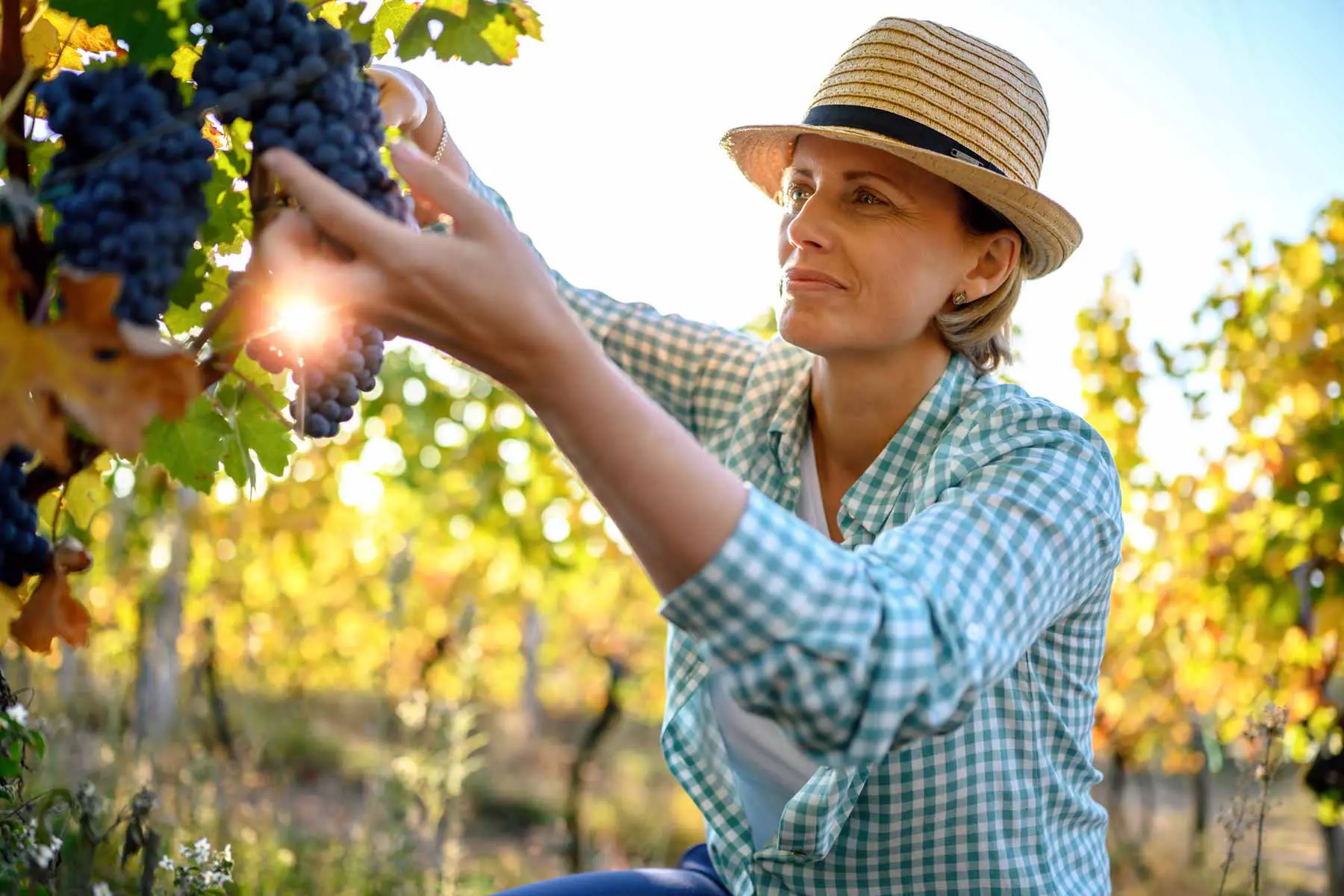
Organik bağcılık yapacak olan işletmelerin yola çıkarken yapacakları ilk iş topraklarının organik tarıma uygunluğunu saptamak. Daha önceden işlenmiş tarımsal arazilerin nasıl kullanıldığı ve toprak yapısının organik tarım kriterlerine uygun olup olmadığı bu aşamada saptanıyor. Pek çok arazı dikim öncesi organik tarıma uygun hale getirilmek üzere ön çalışma yapılmasını gerektiriyor. Üzümün sertifikayla organik olduğunu ifade etmek için bağımsız değerlendirme kuruluşlarından onay almak gerekiyor. Sertifika düzenleyen kuruluşlar bağda tarım zararlılarıyla mücadelede kimyasal ilaç kullanılmadığını ve verim artırmak için gübreye yer verilmediğini belli aralıklarla denetliyorlar.
Organik şarap üretimindeki kısıtlamalar, bağdaki uygulamalara göre daha toleranslı. Bu konuda tüketici sağlığını gözetmeye yönelik tedbirlerin üretim esnasında kullanılması mümkün. Ama bu da sınırsız değil. Örneğin, fermantasyon aşamasında sülfit kullanımına izin veriliyor ama kırmızı şarap için litreye 0,1 gram, beyaz şarap için de 0,15 gram eklenebiliyor.
Yukarıda sıraladığımız genel çerçevede yer alan kuralların yarattığı zorluk bir yana, organik tarım ve şarapçılık yapacak işletmeler, mahsul verimliliği açısından da daha düşük miktarlarla yetinmeyi göze almak zorundalar. Çünkü verim artırmaya yönelik endüstriyel katkılara organik tarım izin vermiyor, başka alternatiflerle yetinmek zorundalar.
Şarap sever olarak, hepimizin aklında olan soru organik şarabın daha iyi olup olmadığı. Bu sorunun cevabı, istediğimiz kadar berrak olamıyor. Organik şarap üretenler daha zahmetli bir üretim süreciyle faaliyetlerini sınırlandırıyorlar. Bu açıdan üretimin her aşamasında titizlikle uygulanan kurallar, nitelikli şarap üretimi yapılmasında mutlaka iyileştirici bir rol oynuyor. Ama organik olması şarabı şahane yapmaya yetmiyor.
O zaman, niye organik şarabı tercih edelim sorusunun cevabı tamamen bireysel değer yargılarımıza bağlı. Üreticinin organik üretim yapmanın zorluklarına ve maliyetlerine katlanmasının iyi ürünle buluşma olasılığını artırdığı bir gerçek. Özellikle son dönemde iklim krizinin hepimizi daha duyarlı olmaya davet ettiğini düşünecek olursak organik şarabın bu arayışlarımıza daha yakın olduğunu da kabul etmemiz gerekir. Peki WAYANA’ya gelen konuklarımız arasında organik şarap kriteriyle şarap sipariş eden oluyor mu? Parmakla gösterilecek kadar az.
Önümüzdeki hafta biyodinamik tarımı ve şarabı konuşurken bu konuya tekrar döneceğiz.
Biyodinamik vitikültürün o bütünsel kozmik gücü ile organik bağcılığın yasal standartları arasındaki o keskin ayrımlar ve doğaya saygılı enoloji felsefeleri ilginizi çekiyorsa, blogumuzdaki diğer nitelikli teknik ve felsefi araştırmalarımıza da göz atabilirsiniz:
Bu kıyaslamanın kapısını aralayan; asmayı ve toprağı kozmik bir makroorganizma olarak gören Rudolf Steiner öğretilerini ve boynuz preparatlarının o homeopatik detaylarını derinlemesine okumak için Biyodinamik Şaraplar ve Sürdürülebilir Vitikültür konulu ilk monografimizi ziyaret edebilirsiniz.
Biyodinamik felsefenin mahzendeki o en saf, en dürüst ve “sıfır müdahale” yansıması olan yerel vahşi mayalarla spontan fermentasyonun küresel pazar büyüme grafiklerini incelemek için Doğal Şarap Segmentinin Büyüme Dinamikleri ve Sektörel Geleceği pazar analizimizi inceleyebilirsiniz.
Biyodinamik bağlarda korunan o aşısız, asırlık ve hibridizasyona direnen geleneksel biyoçeşitliliğin; endüstriyel tektipleşmeye karşı toprağın derinliklerinde saklanan en otantik “Franc de Pied” mucizelerini keşfetmek için Kapadokya’nın Volkanik Toprağı ve Bağcılık Üzerindeki Etkileri teruar analizimize göz atabilirsiniz.
Toprağın bu canlı, bütünsel ve sürdürülebilir mikro-fizyolojik yapısının, şarabı sıradan bir alkollü içecek olmanın ötesine taşıyarak onu nasıl yaşayan birer medeniyet ve kültürel hafıza anıtına dönüştürdüğünü görmek için Şarap Yalnız Alkollü İçecek Değildir: Kültürel Hafıza antropoloji yazımıza bakabilirsiniz.