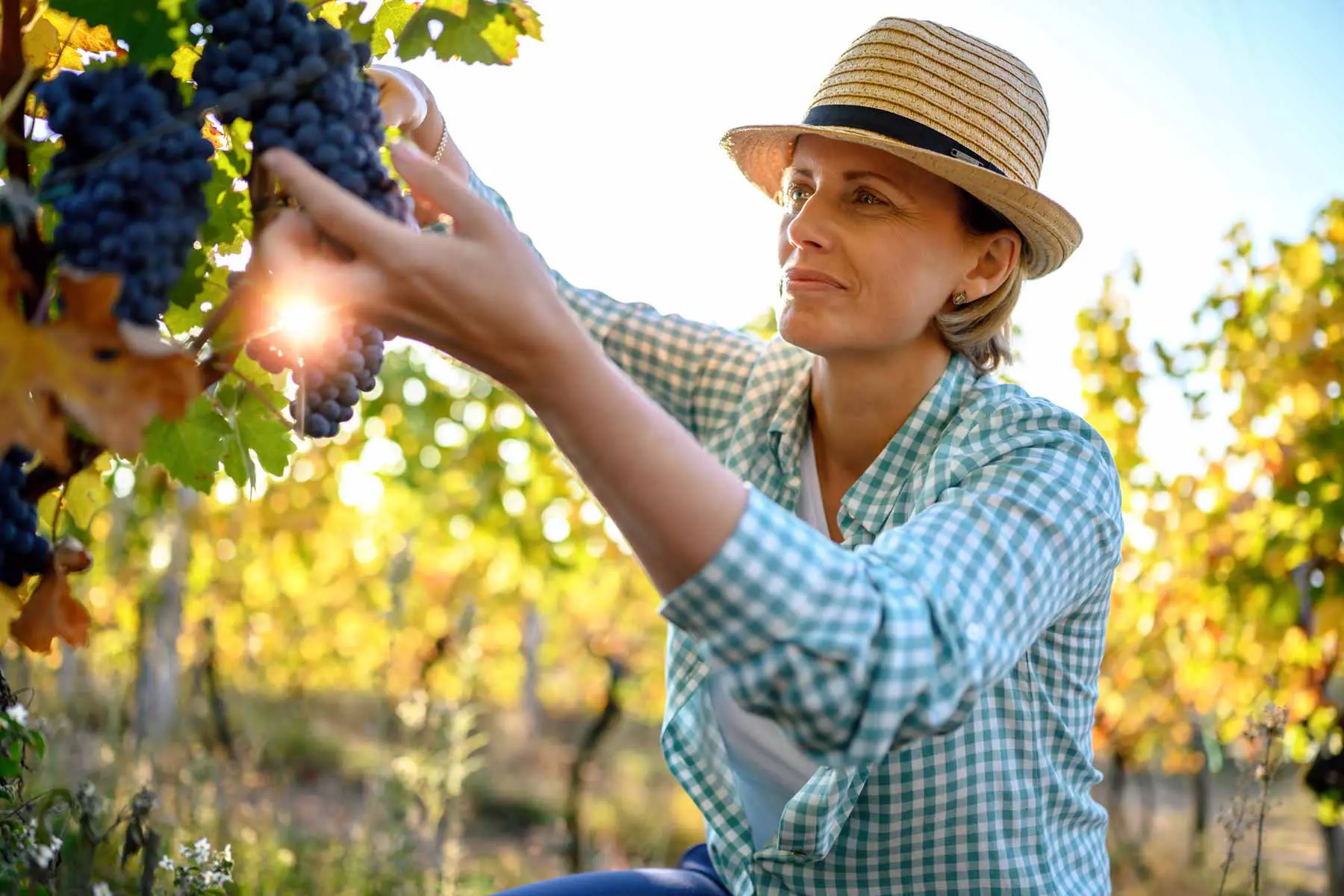
Yaşamımızı doğrudan etkilemeye başlayan iklimdeki değişimin tarımsal üretim üzerindeki etkileri toprakla uğraşan her kesimde endişe yaratıyor. WAYANA’nın işinin merkezinde şarap yer aldığı için iklim değişikliğinin bağlar ve bağcılık üzerindeki etkisinin kaçınılmaz bir biçimde şaraba yansıyacağı aşikâr. Üstelik değişim çok hızlı gerçekleştiği için karşılaşılan sorunlara anında doğru yanıtı bulmak mümkün olmuyor. Bu yanıyla üreticilerin riskli kararlar vermeleri ve sonuçlarına katlanmaları zorunluluğu ortaya çıkıyor. Durumun teknik boyutunu aşağıdaki iki paragrafta özetledik.
Teknolojik ve Fenolik Olgunluk Arasındaki Tehlikeli Makas
Küresel ısınmanın enolojik düzeydeki en büyük tehdidi, üzüm tanesindeki “teknolojik olgunluk” (şeker birikimi ve asidite düşüşü) ile “fenolik olgunluk” (tanen, renk ve aroma bileşenlerinin gelişimi) arasındaki o asırlık senkronizasyonun darmadağın olmasıdır. Yüksek sıcaklıklar ve yoğun güneş ışığı, salkımlardaki fotosentez hızını ekstrem düzeyde tırmandırarak tanedeki şeker oranını yapay bir hızla yukarı taşırken, serbest malik asitlerin solunum yoluyla hızla tükenmesine neden olur. Ancak, kırmızı şarapların gövdesini ve yaşlanma potansiyelini belirleyen kabuk ve çekirdek tanenleri (fenolik bileşenler) bu hıza ayak uyduramaz. Sonuçta önologlar, ya fenolik olarak olgunlaşmamış, yeşil ve agresif tanenlere sahip üzümleri erken hasat etmek ya da tanenlerin olgunlaşmasını beklerken potansiyel alkol oranı yüzde 15-16’yı aşmış, asiditesi tamamen çökmüş hantal meyvelerle çalışmak gibi tehlikeli bir enolojik ikilemle baş başa kalırlar.
Bağcılıkta Klimatik Adaptasyon ve Mikroklimatik Göç Dalgaları
Yükselen küresel sıcaklık eğrileri, şarap üreticilerini bağ yönetimi ve teruar seçimi konularında radikal ve koruyucu adaptasyon stratejilerine zorlamaktadır. Kısa vadede bağ sıralarında uygulanan yaprak seyreltme işlemlerinin azaltılması, salkımların güneş yanıklarından korunması için gölgeleme filelerinin kullanılması ve kuraklık stresine karşı akıllı damlama sulama otomasyonlarının devreye alınması geçici birer kalkandır. Ancak uzun vadede, küresel enoloji haritası felsefi ve coğrafi bir göç dalgasına sahne olmaktadır. Üreticiler artık diri meyve asiditesini ve o asil aromatik tazeliği koruyabilmek adına bağlarını bin metreyi aşan yüksek rakımlı dağ yamaçlarına taşımakta, kuzey yarımkürede daha soğuk kuzey yamaçları tercih etmekte ya da kuraklığa ve sıcağa doğal olarak dirençli kadim, yerel endemik varyetelerin gen kaynaklarına sığınmaktadır.
Asmanın Bir Sezonu
İdeal koşullar altında baktığımızda, üzümün bir sezon içinde yaşadığı büyüme aşamalarını kabaca aşağıdaki zaman akış çizelgesi biçiminde düşünmek yanlış olmaz. Başlangıç zamanını tabiatın uyanması olarak düşünürsek hafta bazında bağlardaki değişimi şöyle sıralayabiliriz:

Week 1: Flowering
The vines complete their initial budding. Tiny, greenish grape flowers begin to form the foundation of the clusters.
Weeks 2-3: Fruit Set
The flowers transform into fruit, yielding acidic, green, small, and firm berries about 2-3 mm in size.
Weeks 4-6: Berry Growth
The berries absorb water and round out, reaching a diameter of 5-8 mm. Their acid content remains high.
Weeks 7-8: Skin and Acid Development
The skins thicken and start to slightly change color. The insides remain firm and acidic, with low sugar levels.
Weeks 9-10: Color Change
Red and black grapes darken, while white grapes turn yellow. Sugar levels rise, acidity drops, and the berries begin to soften.
Weeks 11-14: Sugar Accumulation and Ripening
Şeker tutumu hızlanır, kabuk elastikleşir, taneler büyür. Şeker artarken asit düşmeye devam eder. Aromalar belirginleşmeye başlar, teruvar etkisi ortaya çıkmaya başlar.
Weeks 15-18: Pre-Harvest
The berries fully ripen. The balance of sugar and acidity reaches its optimal level. The texture of the berries softens, aromas peak, and the skins are resilient enough to resist external factors.
Weeks 19-20: Harvest
Typically, white wine grapes are harvested earlier, while red wine grapes are harvested later.
Final Thoughts
Genel olarak 120 gün kabul edilen üzümün olgunlaşma süresi sıcak havaların etkisiyle 100 güne kadar gerileyebilir, serin yıllarda 130 güne kadar uzayabilir. Başka faktörler aynı kalmak şartıyla, bağcılar daima uzun sezonun üzüm niteliğine olumlu katkıda bulunduğunu kabul ederler. Nitekim, fizyolojik olarak bakıldığında, uzun olgunlaşma sürecinin tanen gelişimine katkısı çok belirgindir. Seçkin bir olgunlaşma dönemi yaşamış olan üzümlerden elde edilecek şarapların kompleks aroma ve tatlar ortaya çıkararak başarılı olma şansı çok daha yüksektir.
Küresel iklimin sıralamada en başa konulması gereken özelliği sıcaklık seviyelerinde gözlenen yükseliştir. Bunun bağlar ve üzümler üzerindeki doğrudan etkisi hasat süresinin erkene gelmesi ve üzümün olgunlaşma süresinin kısalmasıdır. Bu saydıklarımız ülkemizde 2024 yılı bağcılığının en önemli sıkıntıları oldu. 2024 yılında yetiştirilen üzümler ülkemizin neredeyse bütününde normal sürelerinden bir ila üç hafta önce hasat edildi. Bu kısalmanın yarattığı değişimin hangi boyutta olduğunu ve bu üzümler işlendiğinde elde edilecek şaraplarda nasıl etkiler yaratacağını önümüzdeki yıldan itibaren görmeye başlayacağız.
Elbette, şarap üretiminde deneyimli ekiplerin geçmiş sıcak yıllarda yaşadıklarından çıkardıkları sonuçlar ve alternatif teknik çözümler şarapların beklentileri karşılayacak düzeyde olmasını muhtemelen sağlayacak. Ama hatırda tutmamız gereken şey şarap yapımının en önemli parçasının üzümün kendisi olduğudur. Şarap dünyasında herkes tarafından kabul gören ‘İyi üzümden kötü şarap yapmak mümkün ama kötü üzümden iyi şarap yapmak mümkün olmaz’ deyişi boşa söylenmemiş. Kısalan olgunlaşma sürecinin şaraptaki etkileriyle hepimiz yakında tanışacağız.