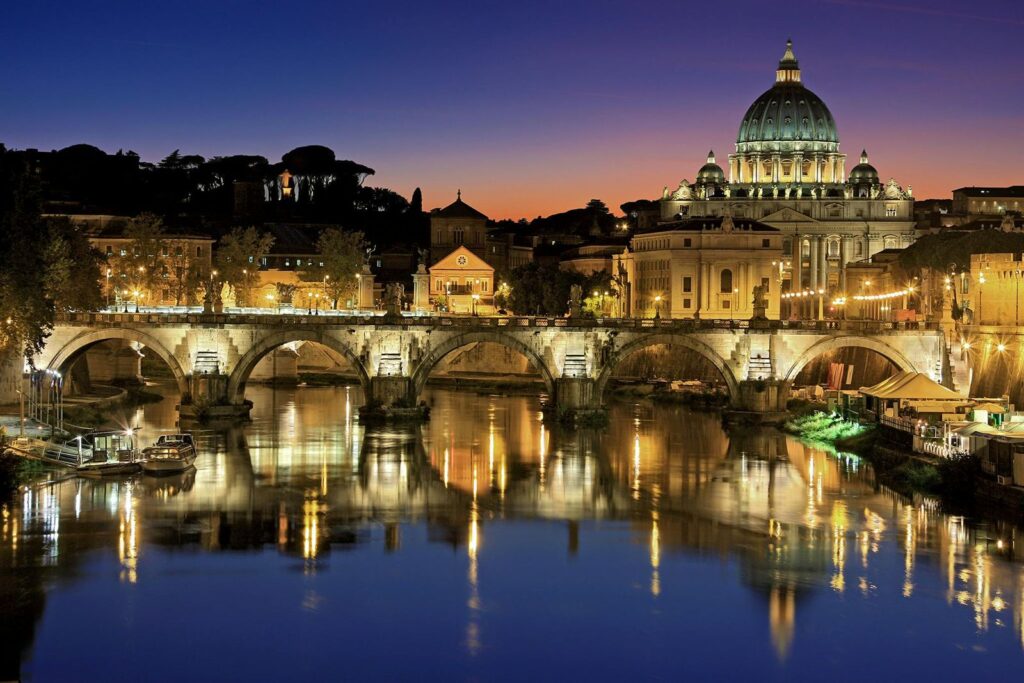
With a total area of just 0.49 square kilometers, Vatican City has a population of 882 people, according to Wikipedia. While it is not a member of the United Nations, it is officially recognized as a sovereign state worldwide. Governed as a theocratic absolute monarchy, the Vatican is located entirely within the city of Rome, Italy.
From the perspective of our industry, the Vatican holds a remarkable title: the world leader in annual wine consumption per capita, with an average of 99 bottles per person. It’s probably no surprise that the overwhelming majority of its wines are sourced from Italy—96% of its wine imports come from Italy, with the remaining 4% from Austria.
It’s also worth noting that a Spanish company recently supplied 2,000 bottles bearing the Papal coat of arms—a rare and symbolic delivery in the world of wine.
The Vatican is a truly unique place—the spiritual heart of the Catholic world and home to sacred ceremonies in which wine plays a symbolic, divine role. For this reason, it’s important not to view wine consumption there as a matter of continuous personal indulgence, but rather to understand how it is distributed and used in various religious and ceremonial contexts.
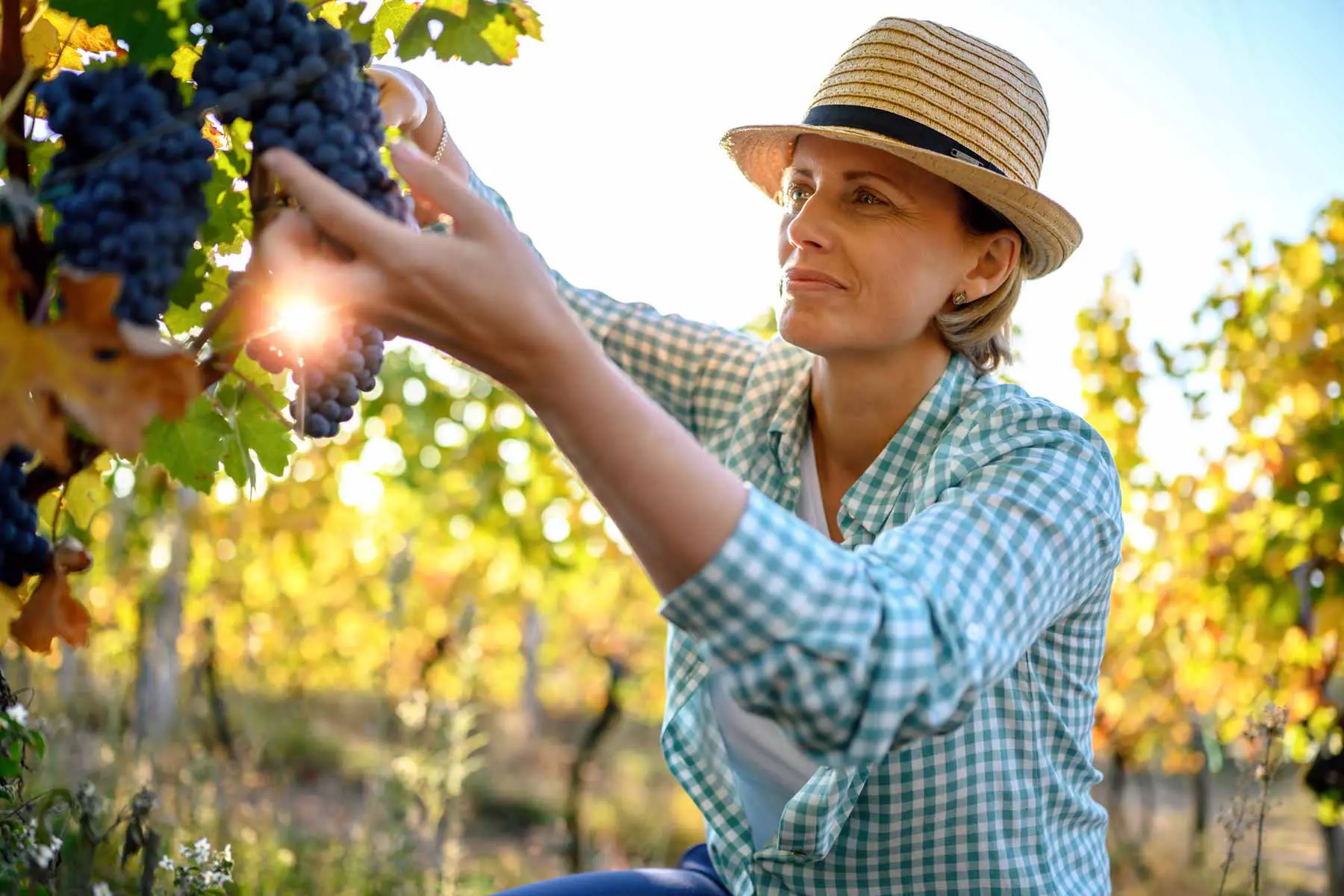
Another fascinating development relates to viticulture. Until recently, the Vatican had never produced its own wine. That changed in 2023, when a two-hectare plot within Castel Gandolfo, the Pope’s summer residence, was converted into a vineyard. The first harvest is expected in 2026, and with it, the Vatican will begin producing its own wine for the very first time.
The wine will carry the Papal label, and since production will be symbolic and limited in quantity, it will be sold exclusively within Vatican City.
Vatikan ile İtalya arasında 1929 yılında imzalanan bir anlaşma sayesinde İtalya veya başka ülkelerden Vatikan’a gelen her türlü ürünün vergi muafiyeti var. Vatikan’a gelen şarapların hepsi şişeyle geliyor. Battal boy ambalajlarla gelen dökme şarap Vatikan’a girmiyor. Gelen şarapların içeriğine bakıldığında, yaklaşık üçte birinin köpüklü şarap olduğunu görüyoruz.
Canon Law (Kilise Hukuku) ve Ülke Tüketim Kuralları
Vatikan’ın günlük yaşamının ve litürjik, yani dini törensel, ritüellerinin merkezinde yer alan şarap tüketimi, Katolik Kilisesi’nin “Canon Law” adı verilen kanunnamesinde son derece katı kurallara bağlanmıştır. Kilise hukukunun 924. Maddesine göre, Efkaristiya (komünyon) ayininde kullanılacak şarabın tamamen doğal, asmanın meyvesinden elde edilmiş, saf ve bozulmamış olması zorunludur. İçine dışarıdan hiçbir yapay tatlandırıcı, koruyucu, alkol veya su enjekte edilemez. Bu katı teolojik standartlar, Vatikan’ın yüzyıllardır İtalya ve Fransa’nın en prestijli, en organik ve katkısız butik şarap üreticileriyle özel tedarik anlaşmaları yapmasını zorunlu kılmıştır. Ayin sırasında kadehe dolan her damla sıvı, teolojik olarak İsa’nın kanını temsil ettiği için, tüketilen hacmin kalitesi ve saflığı idari düzeyde en yüksek dini kurullarca denetlenmektedir.
Litürjik Tüketim ile Diplomatik Protokolün Kesişimi
Vatikan duvarları ardında gerçekleştirilen günlük ayinlerin sıklığı, kağıt üzerindeki kişi başı tüketim istatistiklerini doğrudan yukarıya fırlatan görünmez bir motordur. Vatikan’da yer alan düzinelerce şapel, katedral ve bazilikada her gün yüzlerce rahip, piskopos ve kardinal tarafından bağımsız ayinler icra edilmektedir. Her bir ayinde litürjik kurallar gereği şarap tüketilmesi zorunludur. Bunun da ötesinde, Vatikan dünyanın en eski ve en yoğun diplomatik ağlarından birine (Holy See diplomasi ağına) ev sahipliği yapar. Yıl boyunca düzenlenen uluslararası kabul törenleri, ekümenik zirveler ve teolojik kongreler, İtalyan şarapçılığının en üst düzey seçkilerinin (klasik Chianti Classico, Barolo veya kutsal “Vin Santo” şaraplarının) ikram edildiği devasa diplomatik resepsiyonlara sahne olur. Bu durum, mikro devletin tüketim haritasını dini bir zorunluluktan çıkarıp küresel bir diplomatik protokol prestijine dönüştürmektedir.
The wines used in religious ceremonies are typically sweet reds. It’s also important to note that the suppliers of these wines are carefully chosen from among devout producers who follow religious protocols in their winemaking practices.
Vatikan duvarları ardında Canon Law kurallarıyla şekillenen bu gizemli şarap liderliği, litürjik ritüellerin ve gümrüksüz ticaret ağlarının gücü ilginizi çekiyorsa, blogumuzdaki diğer nitelikli trend ve kriz analizlerimize da göz atabilirsiniz:
Avrupa’nın bu yüksek ve gümrüksüz kadeh hacimlerinin tam aksine; modern tıp dünyasındaki yeni nesil zayıflama ilaçlarının beyindeki dopamin merkezlerini etkileyerek küresel şarap pazarında nasıl büyük bir hacim daralması yarattığını okumak için Ozempic ve Alkol: Bir Zayıflama İlacı Kadehleri Nasıl Boşaltıyor? makalemizi inceleyebilirsiniz.
Yeni nesil tüketicilerin (Gen Z) sağlıklı yaşam, sıfır kalori ve teolojik kurallardan bağımsız seküler eğilimleri doğrultusunda küresel şarap endüstrisini alkolsüz ürün tasarımlarına nasıl zorladığını görmek için Tüketici Eğilimlerindeki Değişiklikler ve Alkolsüz Şarap saha analizimize göz atabilirsiniz.
Tüketicilerin porsiyonları ve kadehleri küçülttüğü bu modern kriz ve pazar daralması ortamlarının tam aksine; antik çağlarda üretimin, zenginliğin ve ticaretin kalbi olan o muazzam bir Anadolu bağ rotasının duyusal haritasını keşfetmek için Lidya Antik Bağ Rotası Tadımı: Manisa ve Salihli Bağları gezi yazımıza bakabilirsiniz.