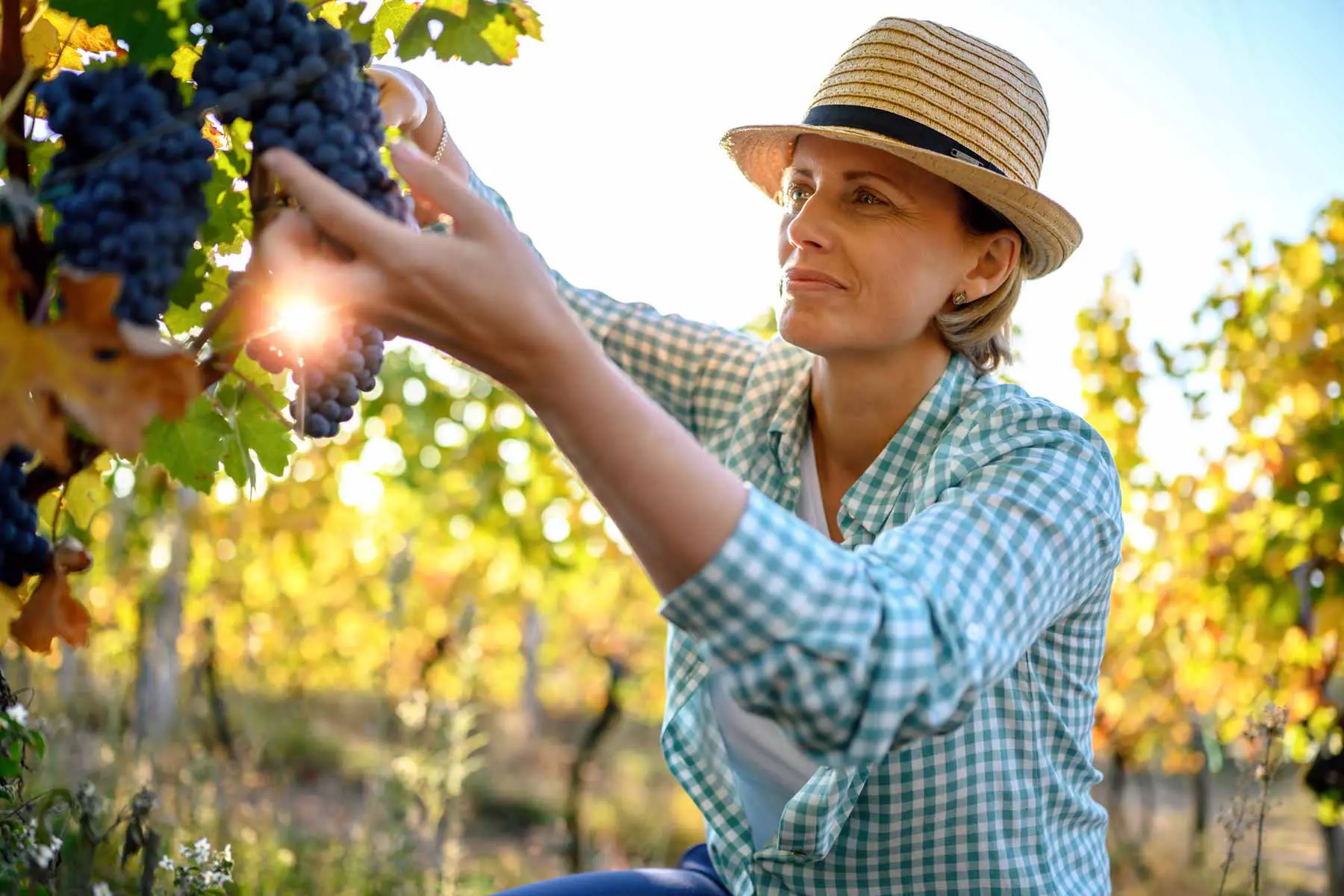
You’ve just swirled your wine, inhaled its bouquet, and taken a thoughtful sip. But did it ever cross your mind—who (or what) tended the vines that gave life to the grapes in your glass?
Bir yandan iklim değişiminin getirdiği belirsizlikler, öte yandan bağda çalışacak insan bulmanın giderek zorlaşması şarap dünyasını yeni iş birliği arayışlarına itiyor. Binlerce yıl boyunca nesilden nesile aktarılarak canlı tutulup geliştirilen ve artizan yanıyla bir cazibe merkezi olan şarap yapımının yeni oyuncuları arasında artık robotlar var. Elbette işin içine robotun girmesi şarapçılığın ruhunu ortadan kaldırmıyor; en azından şimdilik.
Don’t worry—the soul of winemaking isn’t going anywhere. Not yet, at least. But it’s time we take a closer look at the quiet revolution happening in the vineyard rows.
The New Pruning Master
Bağcılığın en zor ve zahmetli işlerinden birisi asmaların budanmasıdır. Asmaların yapraklarının döküldüğü soğuk kış aylarında yapılan budama, bahardaki canlanma öncesindeki en önemli işlemdir. Daha önceleri deneyimli bağcıların yapabildiği bu işi artık aynı yetkinlikle uygulayabilen robotik kollar var. Üstelik yapay zekâ ve güçlü görsel araçların yardımıyla şaşırtıcı bir beceriye sahipler.
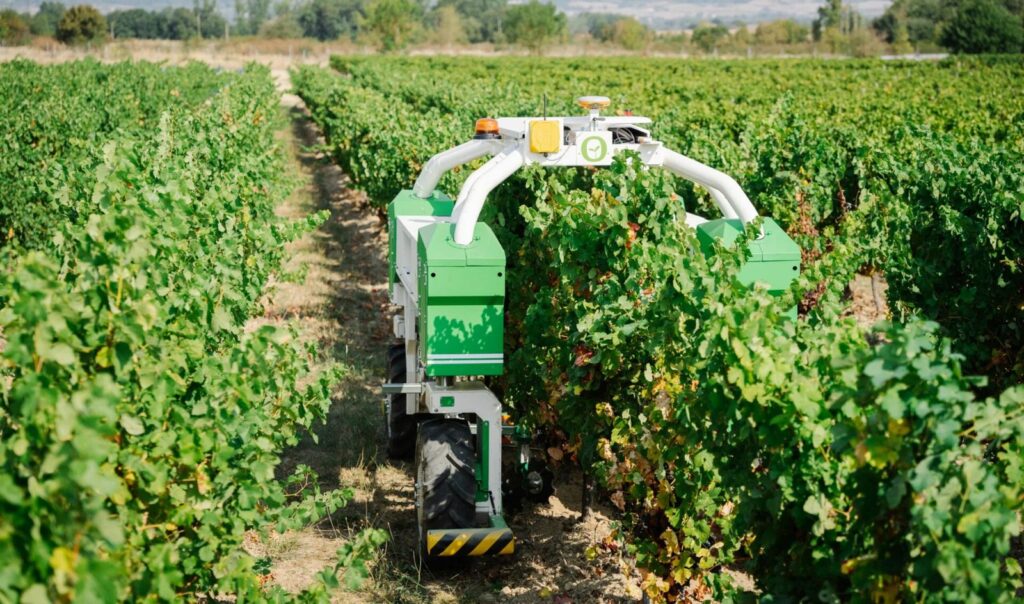
Bağlardaki asma sıraları boyunca hareket eden yeni nesil robotlar nereyi kesmeleri gerektiğini hata yapmadan bulabiliyor. Sonuçta çok küçük bir ekiple asmaların hatasız budamasını yapmak artık mümkün.
The Weed Hunter
Chemical weed control is becoming a thing of the past. Mechanical weed-removal robots glide between the vines, gently uprooting weeds without disturbing the soil. Some even use lasers to eliminate weeds with pinpoint accuracy.
But they don’t just weed. These robots can also assess soil health and pass along insights to the vineyard management team—like a quiet agronomist that never sleeps.
E-Eyes for Disease and Pests
Vines are living organisms, and like all living things, they face threats. Powdery mildew, botrytis, and other invaders can devastate a crop if left unchecked. This is where robotic vision steps in.
Autonomous units equipped with thermal and hyperspectral cameras patrol the vineyard, spotting signs of infection long before the human eye would notice. Think of them as silent sentinels, keeping the vines safe.
The Canopy Manager
Producing quality grapes isn’t just about survival—it’s about finesse. Thinning leaves, managing shoots, ensuring the right amount of sun exposure… it’s intricate work.
Now, robotic systems are stepping in to take on these delicate tasks. Vine by vine, they scan and evaluate the canopy, applying targeted adjustments to optimize growth and grape quality.
Smart Sprayers (a.k.a. E-Spray)
Instead of blanket spraying the entire vineyard, autonomous sprayers now apply treatments only where they’re needed, and only in the exact dose required. Thanks to GPS guidance, real-time data, and automation, these smart systems reduce both chemical and water usage dramatically. It’s precision with a conscience.
Robotic Harvesting: The Final Frontier
Ve en önemlisi, üzümlerin toplanmasında artık robotik çözümler bağlara girmeye başladı. Üzümlerin hassasiyeti ve hasat zamanının doğru seçilmesinin zorluğunu hesaba katacak olursak, bu alan ürün geliştirmek açısından oldukça zorlu.
Vision-based systems and soft-touch mechanisms are starting to appear in vineyards, offering a glimpse of what’s to come. It’s not yet widespread, but the technology is evolving fast.
Yapay Zekalı Sensörler ve Otonom Bağcılık Dinamikleri
Bağ sıraları arasında otonom olarak hareket eden yeni nesil robotlar, yalnızca mekanik birer iş gücü değil, aynı zamanda veri toplayan birer mobil laboratuvardır. LiDAR (ışık tespiti ve uzaklık ölçümü) sensörleri ve multispektral kameralarla donatılmış bu otonom araçlar, her bir asmanın yaprak yoğunluğunu, klorofil seviyesini ve su stresini milimetrik olarak haritalandırır. Yapay zekâ algoritmaları, asmanın hangi dalının budanması gerektiğini veya hangi salkımın ne zaman ideal olgunluğa (fenolik olgunluk) ulaşacağını saniyeler içinde hesaplar. Bu yaklaşım, bağın genelinde tek tip bir ilaçlama veya gübreleme yapmak yerine, sadece ihtiyacı olan asmaya nokta atışı müdahale edilmesini sağlayan “hassas bağcılık” modelini doğurur. Sonuç; kimyasal kullanımının minimuma indiği, su kaynaklarının korunduğu ve teruarın saf karakterinin asma sağlığı üzerinden kadehe en kusursuz biçimde aktarıldığı sürdürülebilir bir ekosistemdir. Lidar uygulamalarını arkeoloji dünyasında yarattığı harikalardan biliyorduk, buna şimdi bağcılık da eklendi.
İş Gücü Krizine Teknolojik Çözüm: Budama ve Hasat Otomasyonu
Küresel şarap endüstrisi, özellikle son yıllarda ciddi bir nitelikli işgücü kriziyle karşı karşıya kalmaktadır. Kış aylarının o dondurucu soğuğunda yapılması zorunlu olan hassas kış budaması (pruning) ve yaz sonundaki zamana karşı yarışan hasat dönemi, insan emeği için hem fiziksel hem de lojistik açıdan yıpratıcı süreçlerdir. Geliştirilen otonom budama robotları, hidrolik kolları ve makine öğrenmesi sistemleri sayesinde asmanın odunsu dokusuna zarar vermeden, göz sayılarını doğru hesaplayarak budama işlemini insan hassasiyetinde gerçekleştirebilmektedir. Gece hasadı gibi şarabın kalitesini doğrudan etkileyen (üzümlerin düşük sıcaklıkta toplanmasını sağlayan) ama insan gücü için lojistik olarak zorlayıcı olan operasyonlar, bu otonom araçlar sayesinde kesintisiz ve firesiz bir şekilde tamamlanabilmektedir. Robotik teknolojiler, bağcılığın geleneksel ruhunu yok etmek bir yana, onu iklim krizinin ve değişen sosyoekonomik dengelerin yıkıcı etkilerine karşı koruyan teknolojik bir zırh işlevi görmektedir.
Final Thoughts
Bilgi teknolojileri, robotik uygulamalar ve yapay zekânın entegre uygulamaları bugüne kadar sınırlı alanda kullanım olanağı olan çözümleri yeni bir düzleme taşıyor artık. Elbette bağlar ve şarapçılık da bundan nasibini alıyor ve almayı sürdürecek. Bazıları deneysel, bazıları denenmiş çözümler olarak gördüğümüz robotik uygulamalar, hiç şüphe yok ki bağlarda iş görme yöntemlerimizi önümüzdeki yıllarda çok değiştirecek. Bütün bu gelişmelerle insanın süreç ve ürünlere katkısı çok daha rafine bir yerde yoğunlaşacak.
In this new era, the human touch won’t disappear—it will shift. From repetitive labor to refined decision-making. From muscle to mastery. And that’s something worth raising a glass to.
Bağ sıraları arasında otonom teknolojilerin gücüyle şekillenen bu akıllı bağcılık devrimi ve mahzen otomasyonları ilginizi çekiyorsa, blogumuzdaki diğer nitelikli teknik araştırmalarımıza da göz atabilirsiniz:
Bağdaki bu otonom robot devriminin mahzen mimarisindeki o bir diğer teknolojik izdihamını; konveksiyon akımlarıyla şarabın gövdesini ipeksileştiren o avangart kapları okumak için Şarap Küreleri: Üretim Hattının Yeni Oyuncuları teknik monografimizi ziyaret edebilirsiniz.
Şarap dünyasındaki bu fütüristik ve mekanik arayışları; toprak, mikroklima, topografya ve insan müdahalesi gibi tüm geleneksel somut parametrelerle harmanlayarak rasyonel bir denkleme döktüğümüz başyapıtımız için Teruar Nedir? Matematiksel Bir Formülle Açıklanabilir mi? yazımızı inceleyebilirsiniz.
Endüstrinin bu robotik ve steril otomasyon dayatmalarının tam aksine; doğayı tahakküm altına almayı reddederek asmanın kendi yaban hayatıyla dengesini kurmasını savunan ekolojik manifestomuz için Kendi Yolunu Bulan Tarım: Doğal Bağcılık ve Permakültür çalışmamıza göz atabilirsiniz.
Küresel ölçekte gelişen bu yeni nesil teknolojilerin ve değişen üretici vizyonlarının, modern dünyada pazar alışkanlıklarını baştan yaratma ya da alkol oranlarını düşürme süreçlerine yansımalarını görmek için Tüketici Eğilimlerindeki Değişiklikler ve Alkolsüz Şarap kriz analizimizi okuyabilirsiniz.