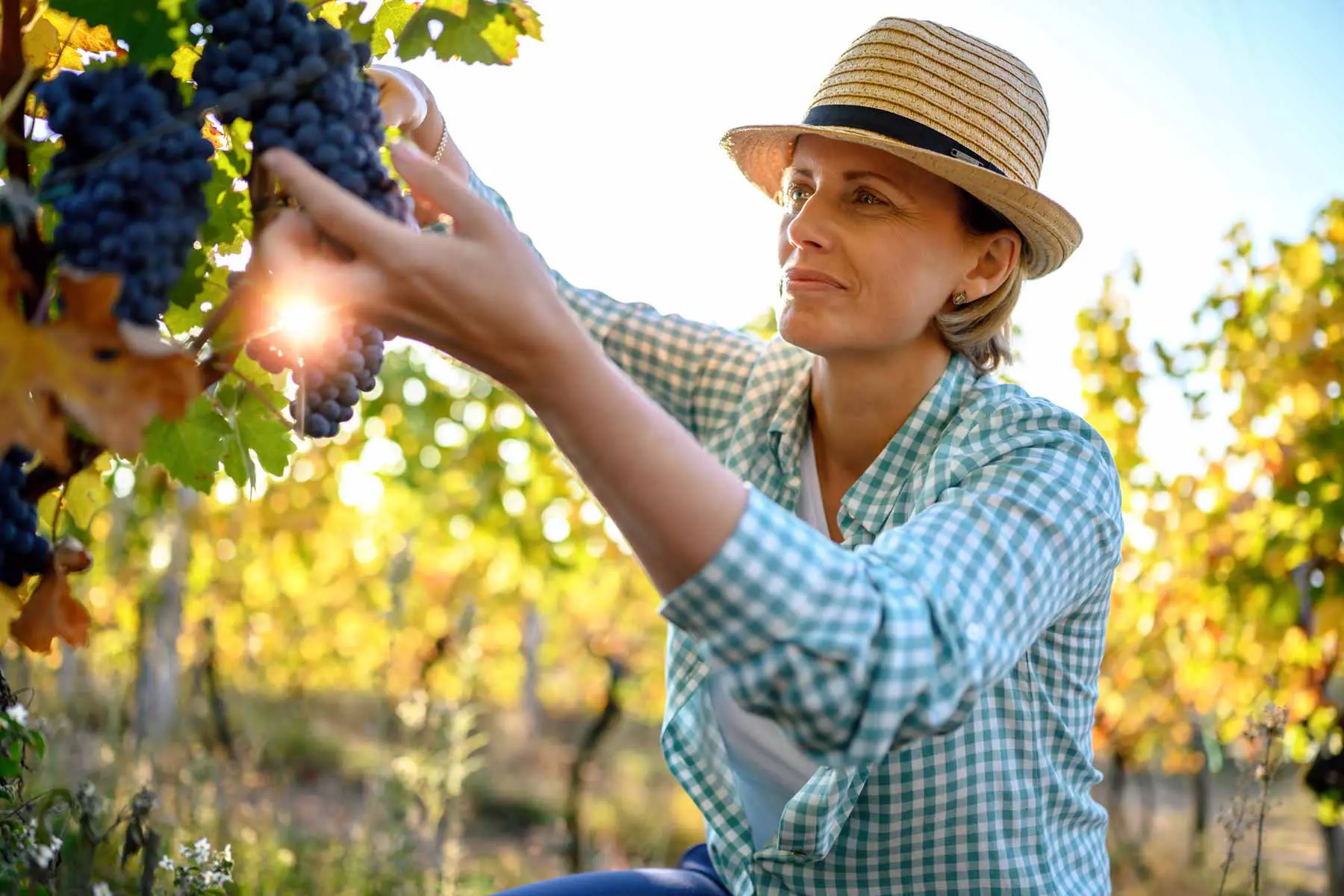
Vezüv Yanardağı’nın külleri altında donup kalan topraklar, bugün deneysel arkeoloji projeleri sayesinde antik bağcılık kültürünün yaşayan bir laboratuvarına dönüşüyor. Arkeoloji dünyasının en etkileyici ziyaret noktalarından birisi olan Pompeii, bu kez şarap dünyasını heyecanlandıran yeni bir girişime ev sahipliği yapıyor.
Deneysel Arkeoloji ve Antik Roma Bağ Projesi
Roma dönemi şarapçılığının yeniden hayata geçirilmesini amaçlayan projenin şarap sürecinin sorumluluğunu taşıyan iş ortağı, Campania Bölgesi üreticilerinden Feudi di San Gregorio Şaraphanesi.
The goal is both ambitious and inspiring: to recreate a complete winemaking process—from vineyard to cellar—using methods true to the Roman era, and to do it entirely within the archaeological site itself.
Feudi di San Gregorio was a natural choice as a partner, known for its deep-rooted work with indigenous grape varieties of Campania. At the heart of the project is Pierpaolo Sirch, who oversees production, alongside Professor Attilio Scienza, representing the academic dimension of the project. Together, they’re on a mission to bring out the finest expressions from these ancient grape varieties, reconnecting us with centuries-old viticultural heritage.
Antonio Capaldo, President of the group behind Feudi di San Gregorio, highlights the meaningful link between culture and agriculture:
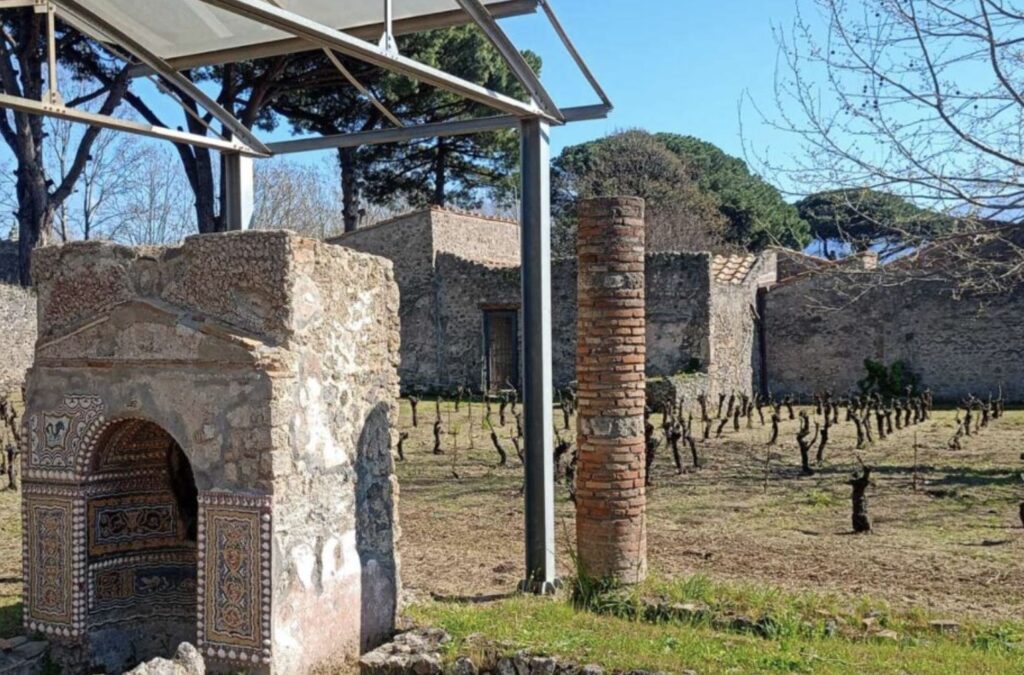
“The Pompeii Archaeological Park is one of the world’s most significant cultural landmarks and a symbol of our region. We’re proud to be part of a project that bridges our past with our present.”
Capaldo emphasizes that this is a long-term undertaking—not a quick return venture, but one that requires serious investment and deep commitment. What matters most, he says, is not immediate commercial success, but creating a sustainable legacy for future generations.
The foundation of this project lies in scientific groundwork. Since the 1990s, the Research Center within Pompeii Archaeological Park has conducted botanical studies on the site’s historic vineyard plots. These efforts are twofold: to identify ancient grape varieties, and to understand and revive traditional Roman viticulture techniques.
Gabriel Zuchtriegel, the director of the Park, highlights the initiative as part of a broader agricultural archaeology program. While viticulture and winemaking are central, he notes that olive cultivation is also being explored in parallel. Perhaps the most valuable outcome of all will be the social and cultural projects that will eventually grow out of this living experiment.
Deneysel Arkeoloji ve Villa dei Misteri Projesi
Pompeii surlarının içinde ve çevresinde yükselen bu yeni bağ projesi, sadece romantik bir turizm hamlesi değil, dünya çapında bir deneysel arkeoloji ve ampelografi başarısıdır. İtalyan Kültür Bakanlığı ve Campania bölgesinin köklü üreticilerinden Mastroberardino iş birliğiyle yürütülen bu restorasyon çalışmasında bilim insanları, antik şehrin küller altında kalmış villalarında (özellikle meşhur Villa dei Misteri’de) asma köklerinin bıraktığı boşlukları alçı kalıplarla doldurarak iki bin yıl önceki dikim sıklıklarını ve terbiye sistemlerini milimetrik olarak tespit ettiler. Antik döneme ait fresklerden ve Plinius gibi Romalı yazarların metinlerinden yola çıkılarak, o dönem Pompeii bağlarında baskın olan antik Piedirosso ve Sciascinoso üzüm varyeteleri tam olarak aynı noktalarda yeniden toprakla buluşturuldu. Bugün bu antik bağlardan elde edilen şaraplar, iki bin yıllık bir genetik ve coğrafi hafızanın modern kadehlerdeki yaşayan en somut kanıtıdır.
Antik Bağların Dönüşü Üzerine: Zamanı Tatmak
Pompeii’de yeniden doğan bu antik bağlar ve Mastroberardino’nun muazzam projesi üzerine konuşurken, şöyle bir soru geliyor insanın aklına: “İki bin yıl önceki topraktan, aynı antik yöntemlerle bugün üretilen bir şarabı tatmak nasıl bir duygu? Gerçekten zaman yolculuğu gibi mi?”
Bu soru, aslında WAYANA olarak bizim de her kadehte aradığımız o teruar felsefesinin tam kalbine dokunuyor. Pompeii’nin o meşhur volkanik küllerle harmanlanmış zengin mineralli toprağında yeniden hayat bulan Piedirosso üzümleri, bugün antik Roma’da olduğu gibi pişmiş toprak amforalarda ve olgun gövdeli yapısıyla işleniyor. Kadehe dolan sıvı; ahududu, erik ve koyu baharat tonlarının yanı sıra, Vezüv’ün o dumanlı, tütsülü ve tuzlu karakterini buram buram taşıyor. Bu bağlardan çıkan şarabı yudumlamak sadece bir içki tüketmek değil, M.S. 79 yılında zamanın donduğu o taverna sofralarına oturup Plinius ile aynı kadehi paylaşmak, yani zamanın ve toprağın kendisini tatmaktır.
So maybe now, we can start to see Pompeii not just as a city frozen under the ashes of Vesuvius, but as a place where life—history, nature, and culture—can flourish again. Isn’t that wonderful?
Pompeii surları içinde iki bin yıl sonra yeniden yeşeren bu antik bağ projesi, volkanik teruarların yaşayan hafızası ve deneysel arkeolojinin büyüleyici gücü ilginizi çekiyorsa, blogumuzdaki diğer nitelikli araştırmalarımıza da göz atabilirsiniz:
Bu yazının devamı niteliğindeki Vezüv’ün patladığı o trajik günde mahzenlerin, taşlaşmış amforaların ve antik Campania şarap ticaret ağlarının nasıl aniden donup kaldığını ele aldığımız temel metnimiz için Pompeii Antik Şarap Kültürü ve Vezüv’ün Külleri Altındaki Mahzen çalışmamızı ziyaret edebilirsiniz.
Pompeii’nin volkanik Campania topraklarının kadehe üflediği o tuzlu ve dumanlı mineral gücün bir benzerini; bugün Kapadokya’nın volkanik tüf topraklarında gömülü antik küplerde vahşi mayalarla yaşatan o avangart üretici ekolünü okumak için Gelveri VIII. Dionysos Sempozyumu ve Amfora Şarapçılığı saha monografimizi inceleyebilirsiniz.
Antik çağların o yoğun, ballı ve amforalarda saklanan felsefesinden, modern laboratuvarların milimetrik ölçümlerine kadar uzanan kadehteki o görsel dönüşümü izlemek için Şarapta Renk Kavramının Tarihsel Seyri araştırmamıza göz atabilirsiniz.
Çevresel dengelerin hoyratça bozulmasının, tarımsal yıpranmanın ve ekolojik krizlerin antik çağlarda koskoca bir Akdeniz medeniyetini ve onun bağcılık kültürünü nasıl trajik bir çöküşe sürüklediğini rasyonel derslerle okumak için Truva: Çevresel Yıpranma, Çöküş ve Çıkarılacak Dersler tarihsel analizimize bakabilirsiniz.