
WAYANA KİTAP Dizisi:
WAYANA’yı yalnızca şarap servis eden bir işletme olarak hiç düşünmedik. Elbette şarap servisiyle kazanç elde edip varlığını sürdürmesi, bu işin ön şartı. Ama iş sadece buna indirgenecek olsaydı, bu işin bizim hayata bakışımızı ve beklentilerimizi karşılaması mümkün olmazdı. Onun için WAYANA şarap kültürünü önemseyen ve bu bakış açısıyla farklılaşan bir işletme olma yolunda ilerlemeye çalışıyor. Şarapla ilgili kitaplar denildiğinde akla hemen teknik kitaplar geliyor. Ama biz, sizlere WAYANA KİTAP dizisi ile şarapla ilgili kitaplar arasında farklı bir yaklaşım sunuyoruz.
Hepimizin diline pelesenk olan ve şarabın binlerce yıllık geçmişinden dem vuran bir üslup vardır. Ama bu kadar atıfta bulunduğumuz ve kıymetli olduğundan kuşku duymadığımız bu değerin muhafazası ve geliştirilmesi konusunda çok da gayret ettiğimiz söylenemez. Kültür, ancak sahiplenilirse ve içselleştirilirse varlığını sürdürebilir ve gelişebilir. Ülkemizde bunları hayata geçirmenin önünde önemli engeller var. Bunların en başında siyasi iklim var. Alkol, dolayısıyla şarap karşıtı olmanın siyasi bir avantaj sağlayacağı fikri ve bu fikri destekleyen politikalar, şarabı bir kültür ögesi olarak görmemizin önündeki en büyük engeller. Ama tarih bize siyasi iklimlerin değişimi konusunda umut veriyor. Bizim de sabırla beklemekten başka çaremiz yok.
Peki durum böyleyse, hiçbir şey yapmadan mı bekleyeceğiz? Bizim buna cevabımız elbette hayır. Gücümüzün yettiği, olanaklarımızın el verdiği ölçülerde WAYANA’ya ve ona hayat veren bizler, yaptığımız işin hakkını vermek için var gücümüzle çalışıyoruz. Bu çalışmalardan bir tanesi, bu yazının konusu olan WAYANA KİTAP projemiz.
WAYANA KİTAP dizisi projesi nedir?
Şarap kültürünü, yaşamın içine sızmış ve onun ayrılmaz bir parçası olmayı başarmış, entegre olmuş unsurlar gibi görmemiz gerekir. Şiirlerde karşımıza çıkan dizeler, edebi eserlerdeki tasvirlerin bir parçası olan anlatımlar, ressamların kompozisyonlarını tamamlayan öğeler, türkülerde ve şarkılardaki lirikler şarabın kültürel yanını gösterir. Bu yanıyla şarap kitapları başlığındaki yayınlardan daha farklı bir tarif yaptığımızı kolayca anlamış olmalısınız. İşte WAYANA KİTAP dizisini, yaşamın içine sızmış bu rafine hazineleri sizlerle buluşturmak için hayata geçirdik.
WAYANA KİTAP dizisi: İçinde Şarap Geçen Eserler Dizisi
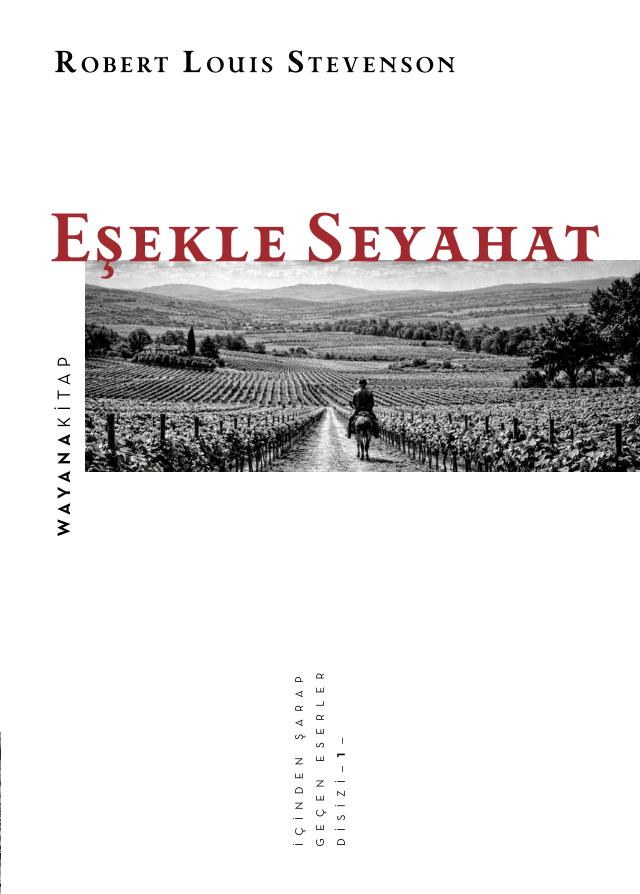
The name of the series makes our intention perfectly clear. The books in this series are not wine books in the conventional sense, nor were they written by authors who set out to write about wine. They are works in which wine appears naturally, almost incidentally, within the broader narrative. The first book in the series is a travelogue by Robert Louis Stevenson: Travels with a Donkey.
Kitabın özgün adı “Travels with a Donkey in the Cévennes”. Yazarın 1878 yılında Fransa’nın Cévennes bölgesinde yaptığı geziden sonra yayınladığı bir kitap. Kitapta, Stevenson’ın gezisi esnasındaki gözlemleri arasında bağlar, bağcılar ve şarap da var. Bunlar kitabın içinde çok küçük yerler tutuyor, ama yaşamın ayrılmaz bir parçası olduğunu okurken hissediyorsunuz. Yazarın gezi tarihleri, Avrupa’nın filoksera adıyla tanınan asma hastalığının pençesinde kıvrandığı ve Avrupa bağlarının neredeyse yok olmanın eşiğine geldiği döneme rastlıyor. Yazar bu yıkımın etkilerini birkaç cümleyle ama çok etkileyici bir biçimde kayıt altına alıyor.
WAYANA KİTAP Dizisi İçinde Yayınlanan Kitapların Özellikleri
All the works selected for this series belong to the public domain under Turkish copyright law, which stipulates that the rights to a work become public seventy years after the author’s death. However, our task is not merely to republish these works.
Bu dizi için seçtiğimiz eserlerin hepsini tam içeriğiyle yayınlıyoruz. Yabancı yazarların eserlerini ulaşabildiğimiz orijinallerinden Türkçeleştiriyoruz. Burada en önemli avantajımız, artık çok yetkinleşen yapay zekâ uygulamalarını kullanabiliyor olmamız. Elbette, ver orijinal metni, kopyala yapıştır kadar sıradan bir süreç değil bu işlem. Redaksiyon esnasında dokunduğumuz yerler oluyor. Ama eğer bu denli güçlü bir yapay zekâ desteği olmasaydı, bu işe niyetlenmemiz mümkün olmazdı.
For Travels with a Donkey, the first book in the series, we prepared additional sections alongside the main text: an Introduction, a Conclusion, and a “Notes for the Curious” section, borrowing the title from Attila İlhan. At the very end of the book, we also included a five-day travel itinerary, in case some readers might wish to follow in Stevenson’s footsteps.
WAYANA KİTAP dizisi içinde yayınlanan kitaplar e-Kitap
Türk yasaları dijital yayıncılık konusunda esnek. Basılı kitap yayıncılığı yapılmadığı sürece yayınevlerinin tâbi oldukları kurallardan muafız. Ama pek çoğumuz fiziki kitapları tercih ediyoruz (ve tercih etmekte haklıyız). Bu kitap sever dostlar için de çalışmalarımız devam ediyor. Eğer kitapların basılı örnekleri ortaya çıkarsa, elbette hemen haberiniz olacak.
WAYANA Book dizisi içinde sizleri neler bekliyor?
WAYANA KİTAP dizisi kapsamında yürüttüğümüz bu edebi ve tarihsel vitikültür araştırmalarında, dünya edebiyatının köşe taşlarını ve içinde şarap geçen nadide eserleri tek tek incelemeye devam ediyoruz. İşte serimizin yakın dönem planı ve mercek altına aldığımız diğer başlıklar:
Robert Louis Stevenson: Eşekle Seyahat (Cévennes dağlarında şarap, teruar ve sofra kültürü).
Henry James: Edebi eserlerinde Avrupa şarap kültürünün ve aristokrasinin gastronomiye yansımaları.
George Saintsbury: Şarap tarihçiliğinin ve enoloji literatürünün klasikleşmiş notları.
John Ruskin: Sanat, mimari ve doğanın vitikültürle kesiştiği o derin estetik bağlar.
Her yeni çeviri ve edebi inceleme ile genişleyecek olan WAYANA KİTAP dizisi, şarapla ilgili kitaplar arayan tüm okurlar için yaşayan, dinamik bir dijital kütüphane olmaya devam edecek.
Purchasing the e-Books
WAYANA KİTAP dizisi kapsamında yayımlanan eserlere WAYANA Wine Bar WhatsApp grubu üyeleri ücretsiz olarak erişebiliyor. Anlayacağınız üzere, WhatsApp grubunun üyesi olmak kitaplara erişmek için yeterli. Sınırlı miktarda basılı örnek üretilmesi de planlanıyor. Basılı örnekler hayata geçerse, elbette duyuracağız.
Final Word
WAYANA KİTAP dizisi, tahmin edeceğiniz gibi, gelir beklentisiyle yaptığımız bir iş değil. Yaban üzümünün kültür üzümüne evrildiği, binlerce yıl boyunca şarabın uygarlıkların ayrılmaz bir parçası olduğu Anadolu topraklarının ileride tekrar şaraplarıyla anılan bir yer olacağından kuşku duymayan bizlerin, yaptığımız işe verdiğimiz değeri anlatan bir kültür girişimi. Dileriz şarap kültürüne bizim verdiğimiz değerin bir benzerini, kitapları okuyarak verecek şarap severler buluruz.
WAYANA KİTAP dizisinde yayınlanan kitaplarla ilgili yazılarımıza aşağıdaki linklerle ulaşabilirsiniz:
Into the Heart of France with Henry James: History in a Traveller’s Glass
George Saintsbury: Akademinin Zirvesinden Mahzenin Derinliklerine