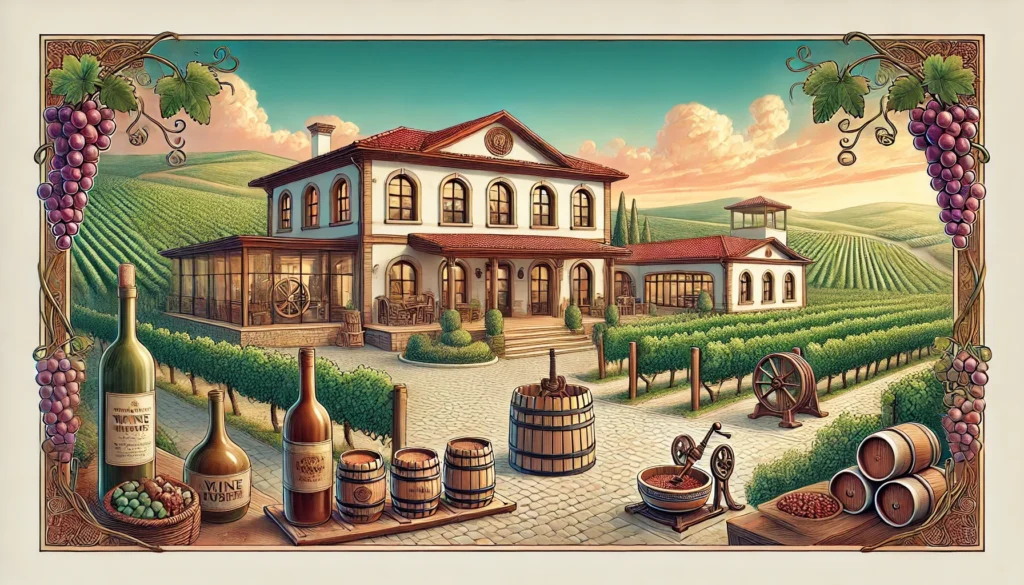
Anadolu’nun binlerce yıllık asma köklerindeki somut kültürel mirası geleceğe taşırken, kurulan her bağımsız müze yapısının toplumsal hafızayı tazelediğini görürüz. Uzun süredir yapmak isteyip Murat Yankı’yla zamanı ayarlayarak yapamadığımız Asmadan Bağcılık Müzesi ziyaretimizi sonunda yapabildik. Bu yazıyı bu şaraba değer veren şarap severlerin bu önemli girişime dikkat çekmesi arzusuyla kaleme aldık. Umarım bu arzumuz gerçekleşir.
Asmadan, şaraplarını zevkle servis ettiğimiz üreticilerden birisi. WAYANA menüsünde çok sayıda şarap çeşidine yer veriyoruz. Fiyat ve nitelik açısından son derece güçlü şarapları var. Ama bizim gönlümüzü fethettikleri esas yer Asmadan Bağcılık Müzesi.
Asmadan Bağcılık Müzesi turu öncesinde bağcılık ve şarap müzelerinin arkasındaki felsefeye kısaca göz atalım.
Endüstriyel Arkeoloji ve Koruyucu Müze Mirası
Bir bağcılık müzesi, yalnızca geçmişte kullanılan eski tarım aletlerinin sergilendiği statik bir depo değil; daha ziyade insanlığın doğayı işleme ve dönüştürme serüvenini belgeleyen bir endüstriyel arkeoloji merkezidir. Bu müzelerin çatısı altında korunan asırlık ahşap cendereler, el yapımı budama bıçakları, bakır ilaçlama pompaları ve toprak amforalar tarım tarihinin etnografik hafıza kartları niteliğindedir. Antik çağlardan Sanayi Devrimi’ne kadar uzanan süreçte bağ işçilerinin, sepet örücülerinin ve fıçı ustalarının geliştirdiği bu geleneksel teknik araçlar, asmanın ve insanın binlerce yıllık ortak ekolojik mücadelesini gözler önüne serer. Somut kültürel mirasın bu şekilde kurumsal bir kimlikle korunması, yeni nesil bağcılara ve şarap yapımcılarına tarihsel bir zemin ve zanaat etiği aşılamaktadır.
Somut Olmayan Kültürel Mirasın Yaşayan Hafıza Mekanları
Modern müzecilik anlayışı, sergi salonlarındaki vitrinlerin ötesine geçerek somut olmayan kültürel mirası —yani kuşaktan kuşağa aktarılan bağ bozumu ritüellerini, yerel bağcılık terminolojisini ve asırlık üretim sırlarını— yaşatmayı hedefler. Bağcılık müzeleri; kurulan dijital arşivler, düzenlenen sözlü tarih çalışmaları ve tematik tadım atölyeleri sayesinde, toprağın ve asmanın belleğini modern kent kültürüyle buluşturan yaşayan birer sosyal merkeze dönüşür. Antik Likya, Hitit veya Frig bağ rotalarından toplanan arkeolojik buluntuların ve amfora kırıklarının bu mekânlarda doğru bir tarihsel anlatıyla sunulması, Anadolu’nun dünya vitrinindeki “bağın anavatanı” kimliğini akademik düzeyde tahkim etmektedir. Geçmişin araçları geleceğin üretim vizyonunu aydınlatan en güçlü ışık kaynaklarıdır.
Şarap tarihini yazarken Türkiye topraklarını bu çalışmanın merkezine yerleştirmek gerekir. 800 yıl öncesine kadar şarabın merkezinde yer alan Anadolu ve Trakya toprakları, son dönemde bu merkezi rolünü kaybetmiş olsa da, son yüz yıllık dönemde açığını kapatmak için yine büyük gayret gösterdiği hummalı bir çalışmaya girdi. Türkiye’nin şarap tarihindeki merkezi rolünün en önemli göstergelerinden bir tanesi, Ankara Anadolu Medeniyetleri Müzesi’nin dünyanın şarap objeleri açısından en zengin müzesi olmasıyla kolayca anlaşılır.
Her ne kadar ülkemizin basit siyasi kaygılarla şaraba yüklediği olumsuz bakış açısı bu konuda çalışma yapılmasını duraksatmış olsa da, sahip olduğumuz bu hazine ve zamanı gelince bu konuda çok ses getirecek çalışmaları yapacak akademik kadrolarımız da var. Dileriz zaman bizi haklı çıkarır.
The Asmadan Viticulture Museum is a project brought to life under the curatorship of Murat Yankı, a visionary who has long dreamed of such a museum. The initiative was made possible thanks to the support of Asmadan Wines, which has taken the lead in realizing this project as a civic contribution. By integrating this museum into its winery complex, boutique hotel, and restaurant, Asmadan became the first institution in the world to establish such a comprehensive facility.
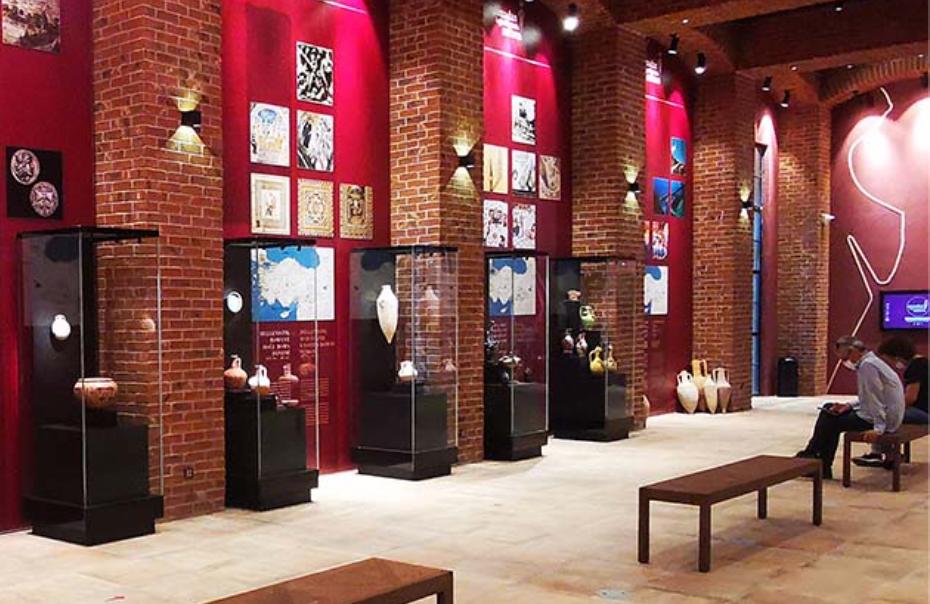
Müze Anadolu’da şarabın tarih içerisindeki seyrini son derece derli toplu anlatan nefis bir yerleşime sahip. Müzede yer alan eserlerin yaklaşık yarısı, asılları diğer müzelerde bulunan replikalardan oluşuyor; kalanlar da müzenin kendi olanaklarıyla satın aldığı gerçek arkeolojik eserler. Yasalar gereği Asmadan Bağcılık Müzesi Truva Müzesi’ne bağlı bir tüzel kişilik.
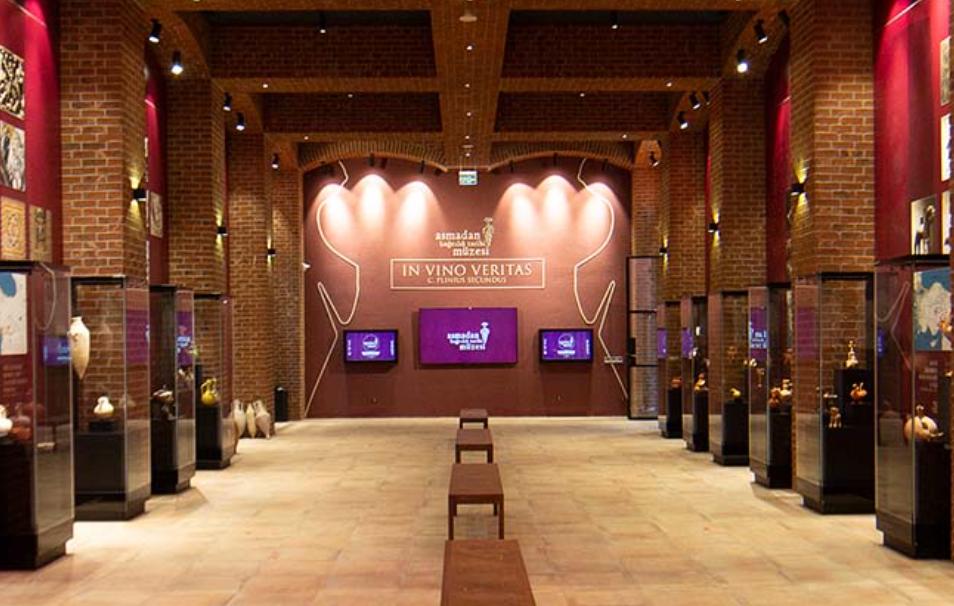
Bir salondan oluşan müze Anadolu’da şarap tarihinin ilk somut buluntuları olan Neolitik (Cilalı Taş) Dönem’den başlayarak tarihin farklı dönemlerine topluca bakmamızı sağlıyor. Müzenin sağladığı en önemli hizmetlerden birisi, bu tarihsel dönemlerde ülkemizin sınırları içinde şarapla ilgili buluntulara veya kayıtlara ulaşılan antik yerleşim yerlerinin nerelerde olduğunu gösteren haritalardır. Bu haritalara baktığınızda Anadolu ve Trakya’nın nasıl her devirde bir şarap diyarı olduğunu görüp heyecanlanmamanız mümkün değil.
Ülkemizde en eski yabani üzüm çekirdekleri Çayönü adını taşıyan yerleşim yerinde bulunmuş. Çayönü’ndeki ilk yerleşimin günümüzden neredeyse 10.000 yıl öncesine kadar uzandığını düşünürsek, asmanın yolculuğunun nasıl bir geçmişe sahip olduğunu kolayca anlarız. Ancak şarabı insanın kendisinin düzenlediği bağlarda yetiştirdiği evcil asmalarla yapmasına bakacak olursak, bizdeki en eski buluntular Kurbantepe Höyüğü’nden elde edilmiş. Orada bulunan üzüm çekirdekleri bizi, günümüzden 6000 yıl öncesine götürüyor.
The museum is located in the Eceabat district of Çanakkale. Looking back at its historical roots, we find that the ancient settlement in this area was called Maydos. Today, Maydos remains an active archaeological site, where excavations are still ongoing. One of the most fascinating aspects of Maydos is its rich history spanning eight different historical periods. Much like Troy, with its nine layers of civilization, Maydos showcases a continuous timeline of human settlement. In the coming days, a selection of artifacts unearthed from Maydos will be exhibited at the Asmadan Viticulture Museum, further enriching its historical narrative.
Şarap turizmi, kendi başına güçlü bir ilgi odağı olma gücüne sahip. Bu cazibeye bir şarap müzesi ziyareti eklediğiniz zaman sizi çok daha derinden etkileyen zengin bir deneyime kavuşuyorsunuz. Gezi planlarınızı yaparken içine hem şarabı hem şarap müzesini katmak için Asmadan’da bir durak vermeyi ihmal etmeyin.
Antik amforaların, asırlık ahşap cenderelerin ve geleneksel zanaat araçlarının etrafında şekillenen bu yaşayan müze vizyonu ve bağcılık tarihi mirası ilginizi çekiyorsa, blogumuzdaki diğer nitelikli kültürel ve bölgesel araştırmalarımıza da göz atabilirsiniz:
Müzelerde korunan bu antik amfora ve küp mirasının, bugün Kapadokya sınırlarında toprağa gömülü devasa kvevri kaplarında vahşi mayalarla tamamen doğal şarapçılık yapmak adına nasıl yaşayan birer enoloji enstrümanına dönüştüğünü görmek için Gelveri VIII. Dionysos Sempozyumu ve Amfora Şarapçılığı saha monografimizi ziyaret edebilirsiniz.
Geçmişin bu köklü üretim hafızasının, Cumhuriyet’in ilk yıllarından beri Kapadokya’nın o meşhur volkanik tüf topraklarında kesintisiz bir bağcılık öyküsü yazan o en deneyimli aile çınarı eliyle nasıl günümüze taşındığını okumak için Turasan: Kapadokya’nın En Deneyimli Üretici Firması ve Tarihi üretici incelememizi inceleyebilirsiniz.
Anadolu’nun bu binlerce yıllık bağ kültürü mirası içinde, yok olmanın eşiğinden dönerek Beypazarı’nın o korunaklı mikroklimatik nehir havzasında yeniden hayat bulan o çok sürpriz yerel varyeteyi keşfetmek için Aksümbül: Beypazarı’nın Sürpriz Üzüm Çeşidi ve Özellikleri ampelografik çalışmamıza göz atabilirsiniz.
Müzelerdeki o asırlık statik şişeleme ve mantarlama araçlarının aksine; modern enoloji tesislerinde şarap kalitesini ve şişe ömrünü korumak adına azot gazlarıyla yürütülen o hassas endüstriyel kalite kontrol teknolojilerini okumak için Şişeleme Teknikleri: Şarap Kalitesini Belirleyen Son Aşama teknik kılavuzumuza bakabilirsiniz.