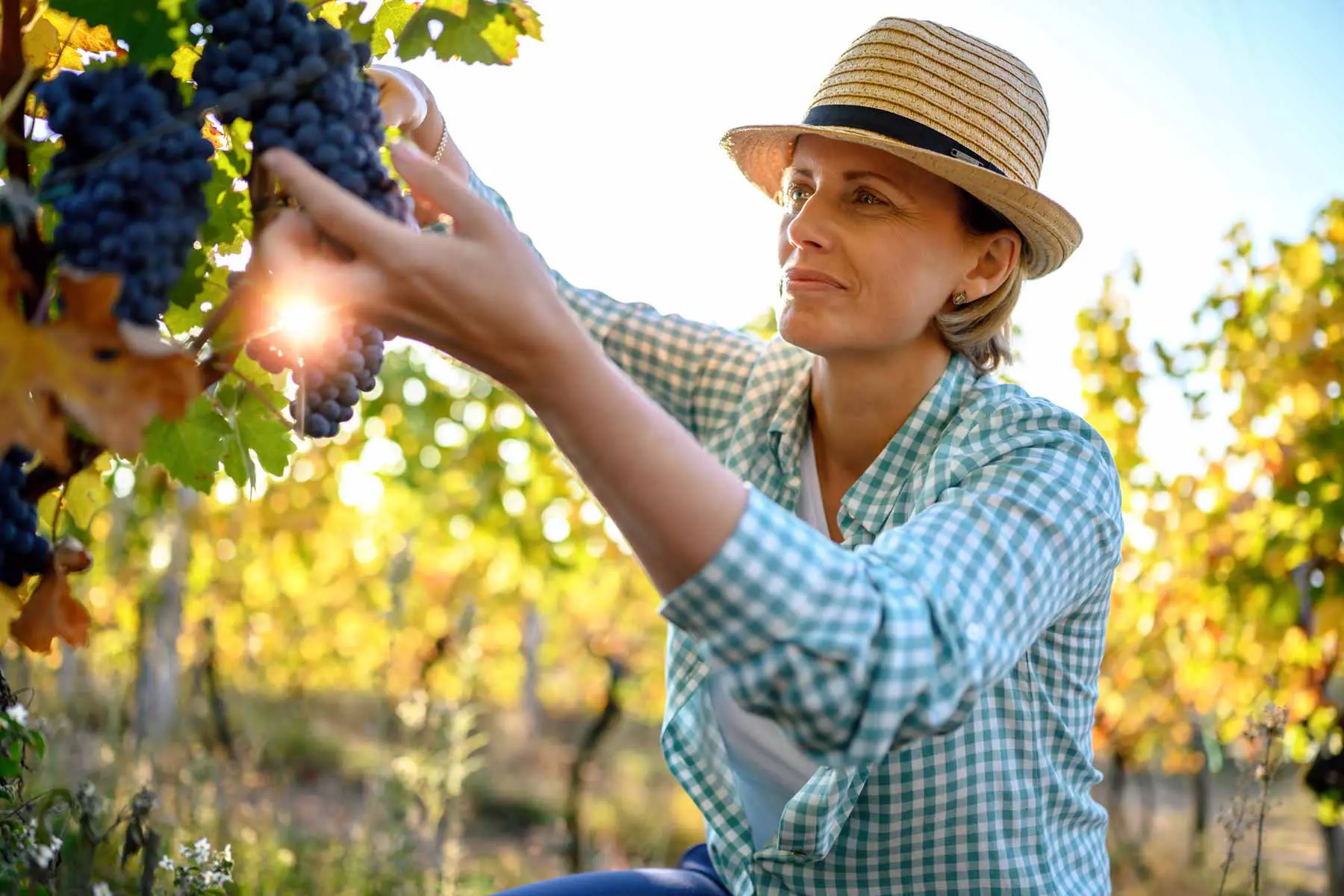
For years, red wine has been etched into our collective memory as the sole representative of “real” wine, luxury, and maturity—immortalized in poems, films, and dinner tables. Yet over the past two decades, wine lovers around the world have begun to turn their glasses in a different direction. Kathleen Willcox’s observation—“White wine is leaving red wine in the dust”—is not merely a passing trend, but a signal of a deeper structural shift.
According to global production data, red wine’s share has declined from 48% in the early 2000s to 43% today, while white wine has overtaken it since 2013, now commanding 49% of the market. So how is this “White Renaissance” reflected in our own glasses, here at home?

Anatolia’s White Gems: The Awakening of Grapes
While Uruguay makes headlines with Albariño, we are experiencing a similar momentum through Anatolia’s ancient white varieties. In an era where climate change is putting pressure on vineyards, our local grapes that preserve acidity and offer freshness are stepping into the spotlight:
- Emir: With its volcanic character, vibrant acidity, and mineral backbone, it is the first name that comes to mind when one speaks of “coolness.” Beyond its volcanic identity, Cappadocia adds another defining trait: altitude.
- Narince: A grape that reaches out to the world from Tokat, embodying both structure and elegance—the “serious” side of white wine. Its versatility allows it to shine both in fresh expressions and more mature, layered styles.
- Muscat of Bornova: With its aromatic richness, it has become a gateway for a new generation entering the world of wine, and a staple of modern tables. Almost as if it whispers that you are standing in a garden of flowers, while its lively acidity offers relief in warmer days.
These grapes pair seamlessly with our evolving culinary habits—from heavy meat dishes to seafood, from meze culture to Far Eastern cuisine.
Breaking the Rules: Chilled Reds
This movement toward lightness is not limited to whites. One of the most exciting returns in the wine world is the rise of chilled reds. Challenging the long-standing belief that red wine must be served at room temperature, this approach brings a refreshing new perspective to spring and summer drinking.
Low-tannin, fruit-forward, high-acidity red grapes reveal an entirely different personality when served at 12–14°C. Denizli’s Çalkarası, Thrace’s elegant Papaskarası, or Ankara’s lively Kalecik Karası redefine the idea of a “summer red” when slightly chilled. Preserving the depth of red while offering the freshness of white, this style becomes the most intelligent choice for seasonal transitions.
Why Now?
Three key forces lie behind this transformation:
- Climate: A warming world naturally pushes us toward fresher, higher-acidity wines.
- Gastronomy: Our tables are getting lighter. Sushi, seafood, and olive oil-based dishes call for the acidic lift of whites and chilled reds rather than the weight of tannic reds.
- Economy and Speed: Whites and young reds reach the consumer directly, without the time and cost of oak aging, offering immediacy and freshness.
We Meet at WAYANA on May 17
This transformation in wine is not something to simply read about—it must be experienced. With its new format, WAYANA’s 2026 Spring-Summer Tasting is designed precisely for this purpose.
On May 17, our selection will reflect this rising trend: refreshing whites and rule-breaking chilled reds. Together, we will seek the taste of spring—and the promise of summer—in our glasses.
Prepare your glass to explore the freshest expressions of a new generation of winemaking. Leave behind the weight of red, and set sail toward the lightness of white and rosé.
The future is white and cool;
the future lies in the native vineyards of Anatolia.