Aklınızdan çeşitli yorumlar geçebilir: “Allah akıl versin bu parayı veren adama” veya “Afiyetle içsin” veya “Vay canına!” bu yorumlardan ilk akla gelenler olabilir, sözgelişi. Ama bizim yazımız Savagnin Blanc (savanyen blan olarak okunur) üzümünün laboratuvar analizlerinde ortaya çıkan tarih çizgisi hakkında.
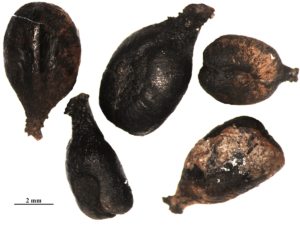 Fransa’da yürütülen arkeolojik kazılarda elde edilen üzüm çekirdekleri, şarap sever atalarımızın menülerinde yer alan şarapları anlamamız açısından büyük önem taşıyor. Şarabın geçmişte manastırların denetimindeki bağlarda yetişen üzümlerle yapıldığı bilindiği için manastır bölgelerindeki kazılar özel bir önem taşıyor. Kazı esnasında ele geçen çekirdekler hızlıca dondurularak DNA yapısının korunmasına çalışılıyor.
Bu konuda yapılan araştırmaların sonuç raporu olarak kaleme alınan bilimsel bir makaleden, 28 çeşit üzüm çekirdeği üzerinde yapılan DNA testlerinin ilginç sonuçlarını öğreniyoruz. Bunlardan bir tanesi de bu yazımızın konu başlığı olan Savagnin Blanc üzümü. Fransa’nın Orléans bölgesindeki bir manastırın atık çukurunda bulunan bir çekirdeğin analizi sonucunda bugünkü Savagnin Blanc üzümüyle yüzde yüz örtüştüğü anlaşılmış. Bulunan çekirdeğin 1050-1200 yılları arasına tarihlendiğini düşünecek olursak, bin yıl önce yetiştirilen üzümün bugünkü torunlarına kadar hiçbir değişikliğe uğramadan gelmesi zaten çok heyecan verici.
During the research, it was revealed that another grape seed, which was found to date back to 1800 years ago, showed a change limited to only one generation compared to today's Mondeuse Blanche grape. When scientists make DNA comparisons, they can determine how many generations of difference the changes that occur in the organism over time cause.
Genetik araştırmaların ortaya çıkardığı somut sonuçlar şarap dünyasındaki şehir efsanelerinin bazılarını efsane olmaktan çıkarıyor. Örneğin, Amerikalıların gözde şaraplarından Zinfandel üzümüyle İtalyanların Primitivo üzümünün aynı üzüm olduğu bu araştırmalarla açıklığa kavuştu.
WAYANA Şarap Menüsü’nde yalnız Türk şaraplarına yer verdiğimiz için bu yazıdaki örnekleri sizlere sunmak şimdilik mümkün değil. Bizim ülkemizde benzer çalışmaların ortaya çıkaracağı sonuçları önce sizin tatmanız için elden geleni yapacağımızdan kuşkunuz olmasın.
Her şeye rağmen eski şarapların lezzetlerinin tam olarak nasıl olduğunu herhalde hiçbir zaman anlayamayacağız. Asmaların yetiştiği bağların bulunduğu bölgelerdeki değişim, modern dünyanın ürün verimliliğini artırmak için uyguladığı, kimi zaman gözü kara yöntemlerin etkisi ve şaraba eklenen koruma veya lezzet amaçlı katkılar bu geçmiş şarabı keşfetme isteğimize izin vermiyor. Ama yeni bilgilere ulaşmanın sonu yok. Onun için aramaya devam etmekten başka çare yok.
Savagnin Blanc’ın o Jura fıçılarında şekillenen peçe altındaki mucizesi, sıvının endüstriyel filtreleri reddeden o yaşayan organik dokusu ve asırlık köklerin jeolojik dehası ilginizi çekiyorsa, blogumuzdaki diğer nitelikli araştırmalarımıza da göz atabilirsiniz:
Savagnin’in o yapay müdahalelerden uzak, sıvıyı kendi yaşayan ritmine bırakan zanaatkar doğası gibi; şarap üretiminde de sıvının o yaşayan ipeksi koloidal dokusunu mekanik agresif mikron filtrelerle dikey olarak koparmadan durultmanın o hassas felsefesini öğrenmek için Şarapta Filtrasyon Nedir? Filtresiz Şarapların Sırrı enoloji çalışmamızı ziyaret edebilirsiniz.
Jura’nın marn topraklarında asırlardır genetik pürüzsüzlüğünü koruyan bu efsane gibi; kendi coğrafyamızda Karadeniz esintileri ile İç Anadolu karasallığının çarpıştığı o sarp geçiş teruarlarında kalın kabuk mukavemetiyle hayatta kalan o diğer asil siyah inciyi keşfetmek için Merzifonkarası: Amasya Havzası’nın Canlı Yerel Üzümü varyete monografimizi inceleyebilirsiniz.
Kapadokya Havzası’nın Erciyes külleriyle şekillenmiş o sürreal volkanik tüf teruarında, orijinal kökleri üzerinde asırlardır filokseraya meydan okuyarak tıpkı Savagnin gibi çelik gibi keskin, fıçısız ve duru bir mineral asidite omurgası inşa eden o asil beyaz kraliçeyi görmek için Emir: Kapadokya’nın Volkanik ve Canlı Yerel Üzümü jeolojik çalışmamıza göz atabilirsiniz.
Savagnin Blanc gibi dünyanın en entelektüel ve niş şarap pratiklerini zanaatkar birer kâşif gibi incelemek yerine; sadece fahiş fiyat etiketlerine ve ezberlenmiş rekolte puanlarına sığınarak masada yapay bilgi hiyerarşileri kurmaya çalışan o bilmiş kitleyi harika bir ironiyle sarsan Ukala Şarap Meraklısı Nasıl Olur? Snobizm Eleştirisi sosyo-psikolojik makalemize bakabilirsiniz.