Neuroscience, Emotions, and the New Language of the Glass
Wine Is Not Tasted in the Mouth, but in the Mind The Bridge Between Taste, Smell, and the Brain
Wine Is Not Tasted in the Mouth, but in the Mind The Bridge Between Taste, Smell, and the Brain
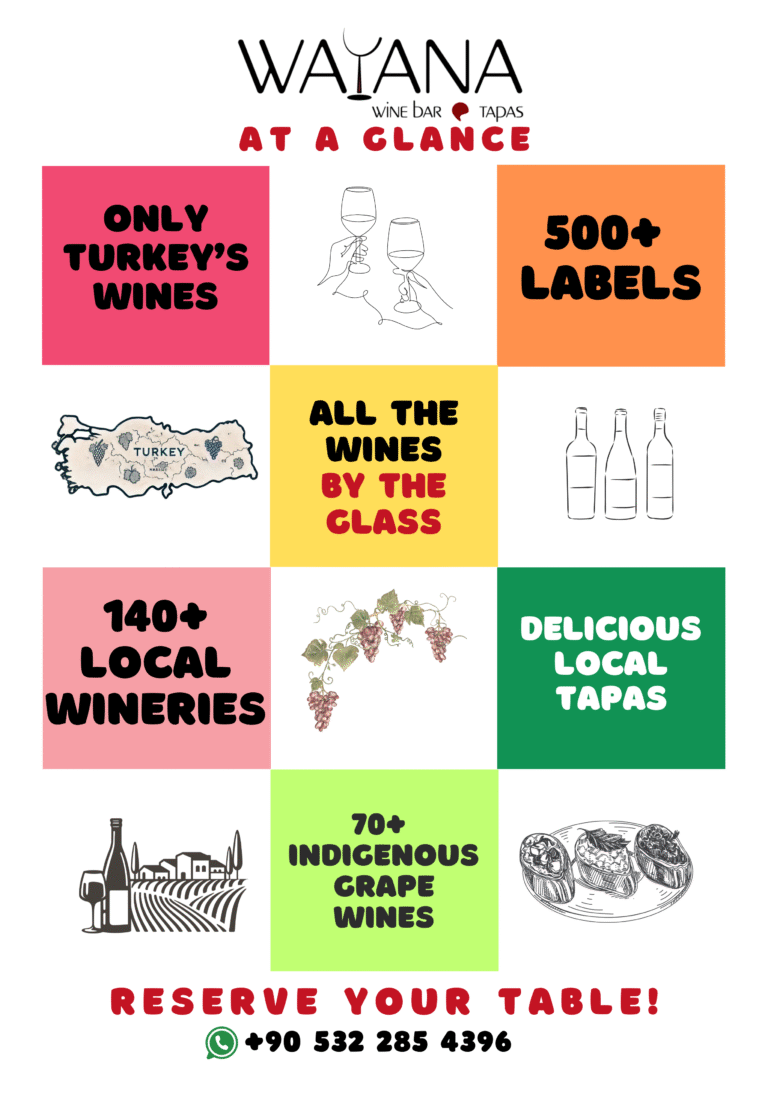
On the afternoon of Monday, July 18, 2022, we opened the doors of WAYANA.

What kind of impact does it have when the continuous growth of a product consumed regularly for over half a century comes to a halt and begins to decline?
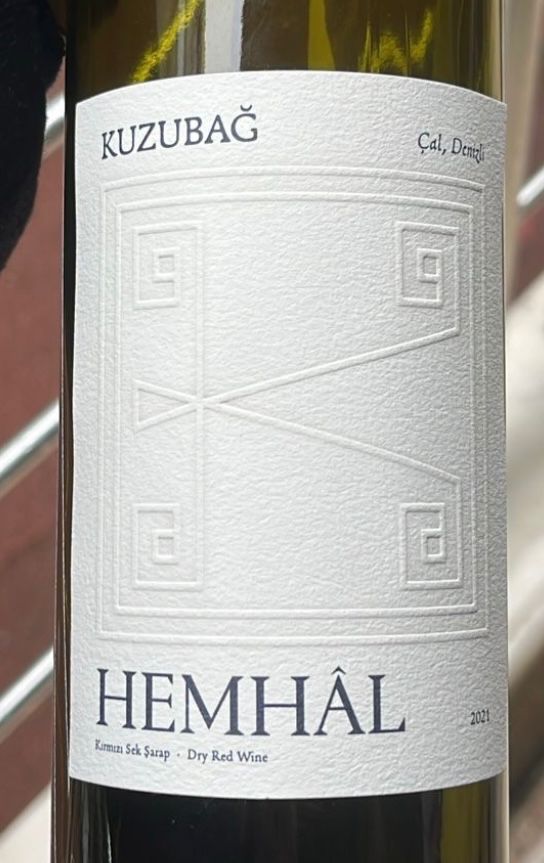
The text below was written by Aslı Kuzu, second-generatioWineryn representative of the family behind Kuzubağ Wines.
During the 1980s, when Nick was a successful restaurateur, we would argue about the wine prices.

At the beginning of July, we joined an online session where the guest speaker was İrem Eren. Eren currently lives in Spain and is considered one of the most knowledgeable experts in the field of dealcoholized wines.

In February 2025, wine critic Jamie Goode attended the Pinot Noir 2025 conference held in Christchurch, New Zealand.

A Grandchild Visit, A Wine Tasting, and Notes from Japan When you have a grandchild, crossing to the other side of the world to see them doesn’t feel daunting at all.

We recently had the opportunity to attend a vertical tasting event organized by Kavaklıdere, hosted for wine industry professionals and narrated by the winery’s production team.

Originally from France, Chardonnay is now found in almost every wine-producing country in the world and is also one of the most widely planted grape varieties. Its widespread presence


