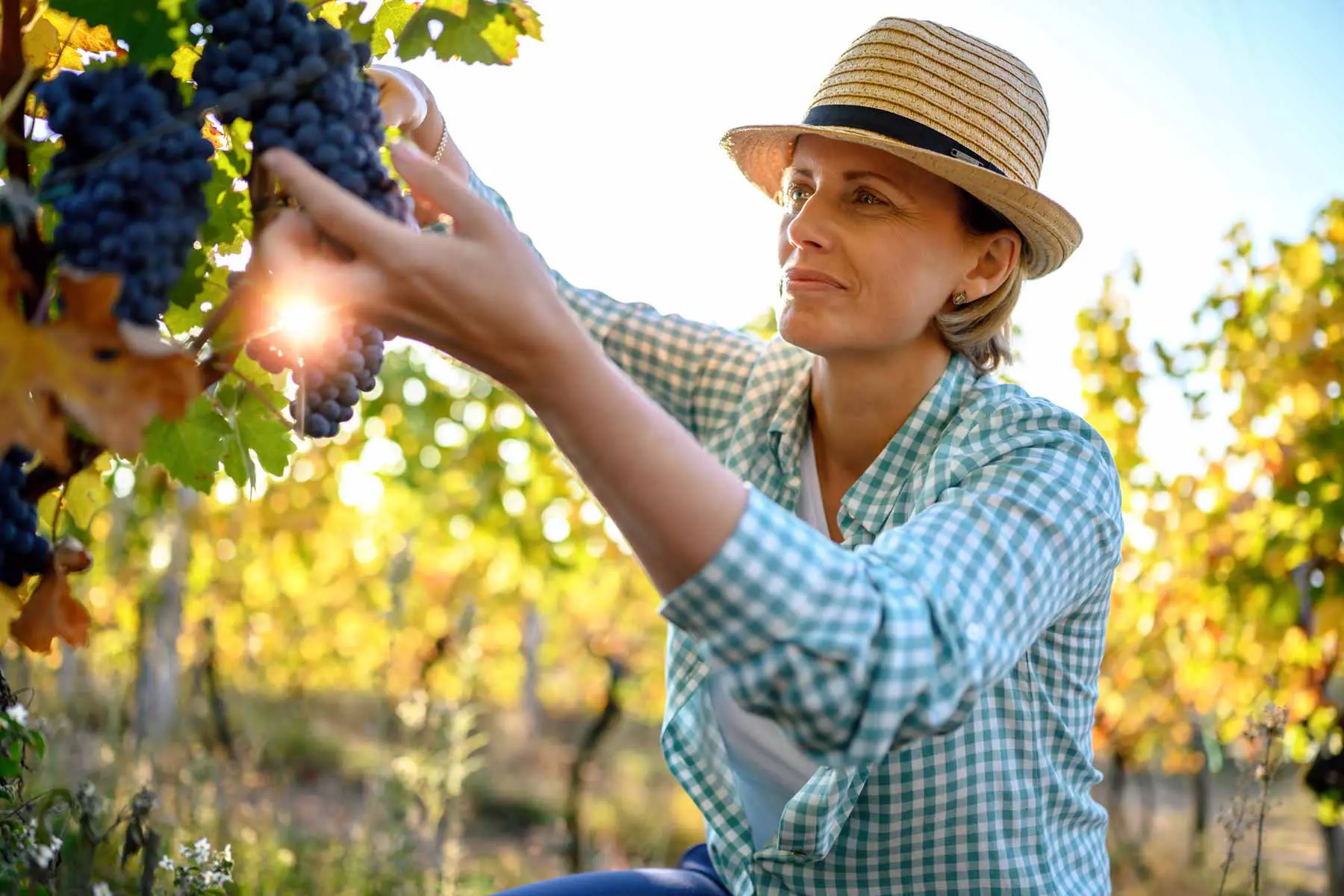
Anadolu topraklarında butik bağcılığın geleceği, sadece küresel çeşitleri üretmekten değil, bu coğrafyanın saklı kalmış her bir kadim üzüm varyetesini yeniden keşfetmekten geçiyor. 2025 yılı Nisan ayında Likya’nın Elmalı tesislerine yaptığımız çalışma gezisinde Burak Özkan’la birlikte, henüz üretimi tamamlanmamış yeni seri şarapların tadımlarını yapmıştık. Daha sonuna varmamış olmalarına rağmen hepsi karakter sahibi, denemeye değer örneklerdi. Bu tattıklarımızla ilgili merakla beklediğimiz ve takip ettiğimiz iki başlık vardı:
- By the time July (2025) came and bottling began, would we encounter surprising differences in the final tastings?
- Üzümlerin Ankara’da yürütülen DNA çalışmalarının sonuçları büyük ölçüde alınmış, yerli üzüm bankası kayıtlarıyla karşılaştırılmıştı. Cevabı henüz alınmayan İsviçre analizlerinin sonucunun da şişeleme zamanına kadar tamamlanması bekleniyordu. Acaba gelecek sonuçlar nasıl olacaktı?
Gezimizden sonra Burak’la ara ara haberleştik ama görüşme fırsatımız olmadı. Tâ ki Ağustos ayının ilk günlerinde telefonum çalıncaya kadar. Burak heyecan içinde İsviçre sonuçlarının da eline ulaştığını ve üzümlerin hepsinin nihaî sonuçlarının artık ortaya çıktığını söylüyordu. Sonuçları bana hızla özetledi. O kadar heyecanlıydı ki benim not almama fırsat olmadan konuşma bitmişti. Elbette, heyecan bulaşıcı; ben de en az onun kadar heyecanlıydım. Benden, kendisi açıklayıncaya kadar bilgileri paylaşmamamı istedi. Zaten yakışık alan da buydu. Ben de kendisi açıklayıncaya kadar bekledim. Bu yazıyı da Burak’a verdiğim söze sadık kalıp, kendisi açıklamayı yaptıktan sonra yayınlamak üzere sakladım.
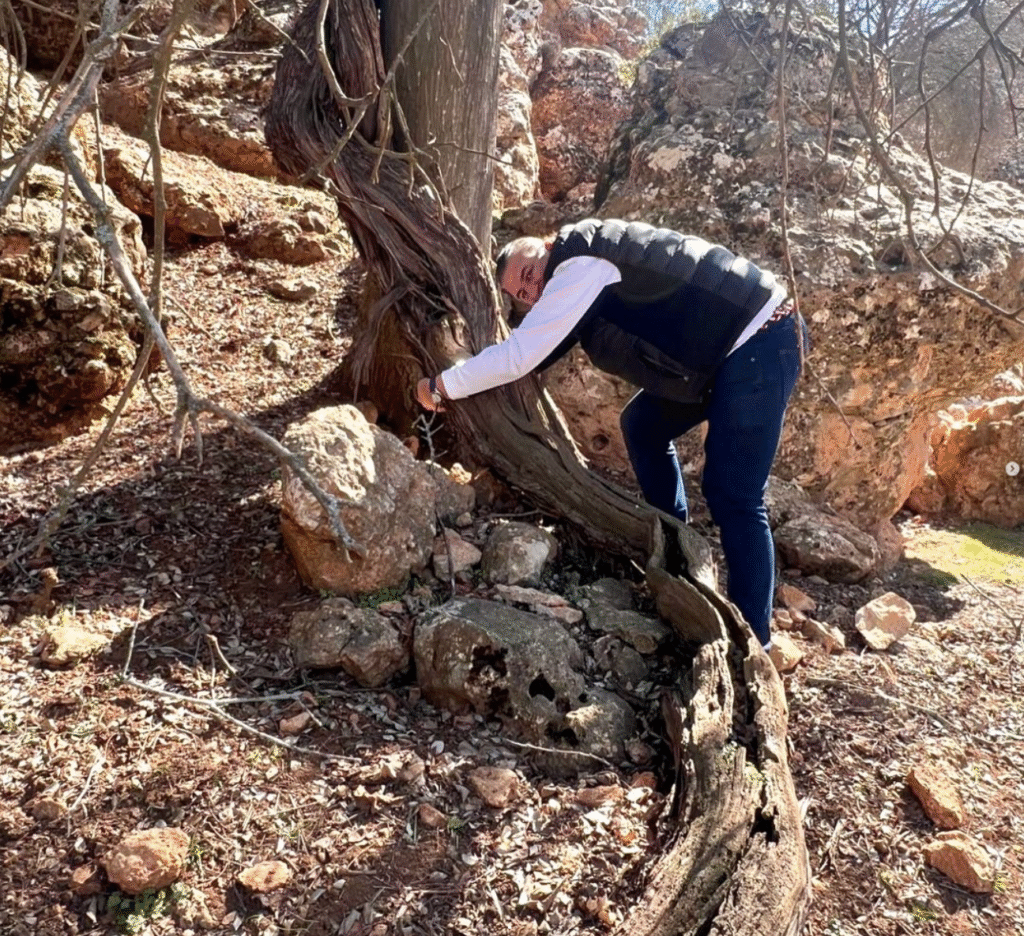
Kısa Bir Hatırlatma
Likya Şarapları’nın kurulması fikri otuz yıl öncesine uzanıyor. Özkanlar, Antalyalı bir aile, esas uğraşları da ziraat değil, ailenin bağcılık geçmişi yok. Bu nedenle var olan bağların değerlendirilmesiyle başlayan bir yolculuk değil bu. Burak Özkan’ın şarapçılığı esas işi olarak seçmesiyle başlıyor Likya Şarapları’nın öyküsü. Bu süreçte sezgisel kararlar önemli bir yer tutuyor. Daha sonra kardeşi Doruk Özkan’ın katılması ve kendiliğinden oluşan iş bölümüyle pazarlama ve satışı Doruk’un üstlenmesi, şirketin büyümesinde çok önemli bir paya sahip oldu.
Elmalı, where Likya is based, has a viticultural past—place names in the region still bear witness to it. But after the population exchange of the early 20th century, winemaking in the area came to a halt. Sitting at 1,100 meters above sea level, with snowy, cold winters, Elmalı is far removed from the “sun and sea” image most people associate with Antalya.
1990’larda ilk bağ alımlarını yapan Özkan ailesi, aslında bölgenin ilk şarapçılık girişimcisi ve hâlâ da tek girişimci olarak işlerini sürdürüyor. Bağ yatırımları başladıktan sonra iş adım adım gelişmeye başlıyor ve o zaman Anadolu’nun kaybettiği üzümler Burak Özkan’ın dikkatini çekiyor. Hemen ekleyelim: Likya’nın ilk göz ağrısı Acıkara’nın farkına varılmasını, bu asmanın varlığını bilen bir yöre insanının rehberliğine, Burak Özkan’ın da bu asmanın izini sürüp yıllarca sürecek bir geliştirme sürecini başlatmasına borçluyuz.
Sonrasında elde ettiği her ipucunu yeni üzümlere ulaşmak için kullanıyor Burak. Bazıları hayal kırıklığı oluyor elbette, ama bugün ortaya çıkan tabloya baktığımızda emeklerin boşa gitmediğini görüyoruz.
Likya’nın Yaşama Döndürdüğü Üzümler
When Likya first invested in vineyards, the aim was likely quite different from what it became. I remember telling Burak that the richness of what they had achieved now deserved to be recorded in book form, as part of their institutional memory. He agreed. With more than thirty years behind them and a collection of revived grapes that keeps growing, the time has clearly come.
It began with Acıkara and has since expanded into a series of varieties that we now have the privilege to taste. Here is the list of grapes revived or reintroduced by Likya, alongside the DNA findings that confirmed their identities. They fall into three groups:
Kayıp Çeşitlerin Peşinde: Likya ve Yerel Üzüm Mirası
ACIKARA:
Özgün DNA — adı yöresel olarak kullanılıyor.
ARYA ÖZKAN:
Özgün DNA — Likya Şarapları tarafından adlandırıldı; bu adla üzüm bankası kayıtlarına işlendi. Bu isimle kullanımı sürecek.
FERSUN:
Özgün DNA — Likya Şarapları tarafından bulunduğu köyün adı verildi; bu adla üzüm bankası kayıtlarına işlendi. Bu isimle kullanımı sürecek.
LİKYA ATEŞİ:
Özgün DNA — Likya Şarapları tarafından adlandırıldı; bu adla üzüm bankası kayıtlarına işlendi. Bu isimle kullanımı sürecek.
LİKYA IŞIĞI:
Özgün DNA — Likya Şarapları tarafından adlandırıldı; bu adla üzüm bankası kayıtlarına işlendi. Bu isimle kullanımı sürecek.
TESADÜF:
Özgün DNA — Likya Şarapları tarafından adlandırıldı; bu adla üzüm bankası kayıtlarına işlendi. Bu isimle kullanımı sürecek. TESADÜF adıyla kullanımı sürecek.
VERA ÖZKAN:
Özgün DNA — Likya Şarapları tarafından adlandırıldı; bu adla üzüm bankası kayıtlarına işlendi. Bu isimle kullanımı sürecek.
YAPIK:
Özgün DNA — Likya Şarapları tarafından yalnızca tek kök olarak bulundu, bu adla üzüm bankası kayıtlarına işlendi. Bu isimle kullanımı sürecek. Şarabın ticari kullanıma sunulması için yaklaşık üç yıllık bir süreye ihtiyacı var.
Sofralık Olarak Bilinen Ama İlk Kez Likya Tarafından Şarap Olarak İşlenen Üzümler:
BÜZGÜLÜ:
Kayıtlı DNA — İsviçre üzüm bankası kayıtlarında sofralık olarak kayıtlı üzümü ilk kez Likya Şarapları şarap olarak işledi. Bu isimle kullanımı sürecek.
ÇALIBAĞ-MAZGAL:
Yörede yetişen ve bilinen üzüm — Farklı yörelerde iki ayrı adla tanınan sofralık üzümleri ilk kez Likya Şarapları şarap olarak işledi. Bu isimlerle şarap üretimi sürüyor.
TİLKİ KUYRUĞU:
Yörede yetişen ve bilinen üzüm — İlk kez Likya Şarapları şarap olarak işledi. Bu isimle şarap üretimi sürüyor.
DNA Analizleri Sonucu Düzeltilen Üzümler
ALTINCI HİS-GERME SİYAHI:
Likya’nın Altıncı His olarak isimlendirdiği üzümün DNA analizleri Germe Siyahı olduğunu ortaya çıkardı. Bundan sonra üzüm GERME SİYAHI, şarap adı ALTINCI HİS olarak kullanılacak.
ALİTARIK-SKYLOKLİMA:
Likya’nın AliTarık olarak isimlendirdiği üzümün DNA analizlerinin SKYLOKLİMA olduğunu ortaya çıkardı. Bundan sonra üzüm adı SKYLOKLİMA, şarap adı ALİTARIK olarak kullanılacak.
Likya Bilgesi-OĞLAK KARASI:
Likya’nın Likya Bilgesi olarak isimlendirdiği üzümün İsviçre’de yapılan DNA analizleri Oğlak Karası olduğunu ortaya çıkardı. Bundan sonra üzüm ve şarap adı OĞLAK KARASI olarak kullanılacak.
Final Word
Hepimizin yaşadığımız topraklara karşı vazifelerimiz var. Yalnızca bu toprakların sefasını süren değil, gelecek kuşaklara karşı yükümlülüklerimizi de yerine getiren bireyler olmak yakışır hepimize. Burak Özkan, kurucusu olduğu Likya Şarapları’nın çatısı altında yürüttüğü çalışmalarla yaşadığı topraklara karşı görevini yerine getiriyor. WAYANA olarak emeklerinin karşılıksız kalmamasını yürekten diliyoruz. Likya sayesinde tanıştığımız üzüm ve şarapların, bunlara değer veren dostlarla buluşması için bizim de elimizden geleni yapacağımıza kuşkunuz olmasın.
Thank you, Likya Wines. Thank you, Burak.
Likya’nın Türk bağcılığına kazandırdığı o kadim yerel üzüm çeşitleri, Elmalı teruarının saklı hazineleri ve ampelografik keşif yolculukları ilginizi çekiyorsa, blogumuzdaki diğer köklü araştırmalarımıza da göz atabilirsiniz:
Bu kayıp çeşitleri arama ve tescilleme mücadelesinin sahada birer şölene dönüştüğü o büyük buluşmaların retrospektifleri için Likya Tadımı: Gün Yüzüne Çıkan Üzümlerin Öyküleri ve Nadir Üzümler Tadımı yazılarımızı inceleyebilirsiniz.
Anadolu’nun bu saklı yerel gen mirasının tamamını ve Türkiye genelindeki 90’a ulaşan şaraplık yerel üzüm çeşitlerimizin coğrafi dağılımını görmek için Anadolu’nun Teruar Haritası: Türkiye’nin Bağ Bölgeleri ve Şaraplık Yerel Üzümlerimizin Sayısı 90’a Ulaştı rehberlerimize göz atabilirsiniz.
Fransız meşe fıçılarla kurulan klasik omurgayı, tıpkı Likya gibi yerel ve yenilikçi dokunuşlarla harmanlayan bir diğer vizyoner Ege üreticisinin felsefesini okumak için 7Bilgeler: Klasik Omurga ve Yerel Yenilikçi Yaklaşımlar analizimizi inceleyebilirsiniz.
Yerel üzümlerin tescili, korunması ve gelecekte küresel apelasyon sistemleri karşısında nasıl bağımsız birer marka gücüne dönüşeceğini tartıştığımız Tradition or Constraint? The Appellation System at a Crossroads ve A Kind of New Appellation: Volcanic Origin strateji yazılarımızı ziyaret edebilirsiniz.