Turkey’s Wine Policy from 1966 to the Present
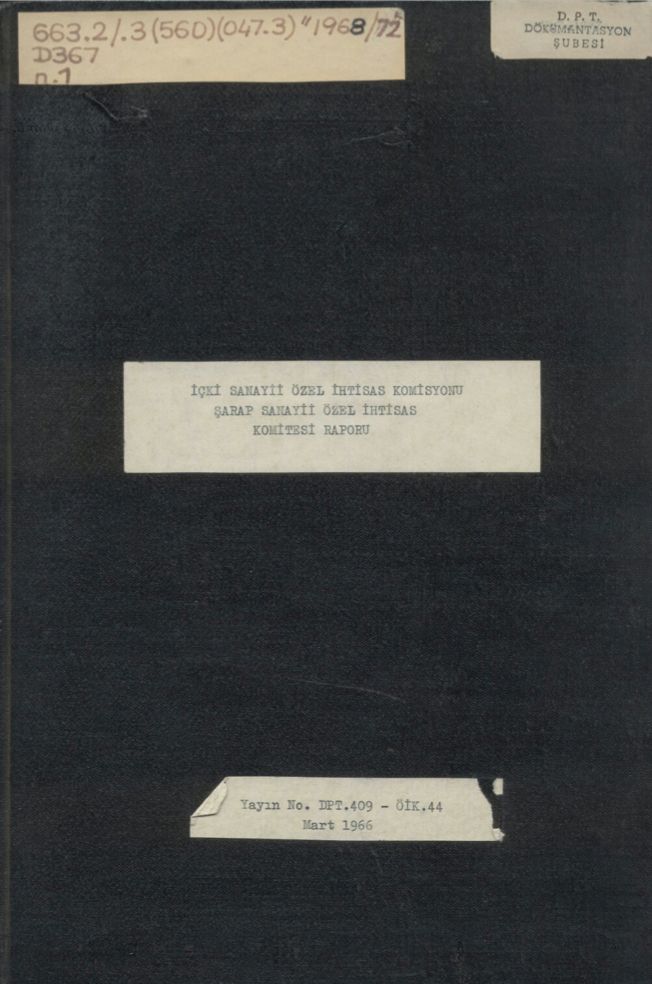
Bir ülkenin tarımsal ve endüstriyel geleceğini inşa ederken, geçmişte ortaya konan her büyük vizyon çalışması bugünün üreticilerine ışık tutacak dersler barındırır. 1966 yılı Mart ayında Devlet Planlama Teşkilatı (DPT) tarafından yayımlanan “Şarap Sanayii Özel İhtisas Komitesi Raporu”, yalnızca bir sektör analizinden ibaret değil, aynı zamanda Türkiye’nin şarap üretimi konusundaki potansiyeline dair derinlikli bir vizyon belgesi. Bugün, bu tarihi belgeye yeniden bakmak, geçmişin hangi hedeflerini gerçekleştirebildiğimizi ve hangilerini yolda kaybettiğimizi anlamak açısından son derece öğretici. Neydik, ne olabilirdik, ne olduk sorularının cevabını aramak ve değerlendirmek açısından rapor bize bir fırsat sağlıyor.
Türkiye Bağcılık Tarihinde Unutulan Büyük Tarımsal Vizyon
The report traced Anatolia’s central role in the history of viticulture and winemaking — from the Hittites to the Romans, from Lapseki to Tokat. This heritage is not just a story of the past, but an untapped potential that still remains underutilized.
In the 19th century, during Europe’s phylloxera crisis, Turkey became a crucial supplier, exporting more than 7 million liters annually. Yet by the 1960s, despite state intervention, the industry was still fragmented, underdeveloped, and technologically weak. The DPT report stepped in at this critical juncture.
1966 Raporundaki Tespitler
Problems identified:
Teknik donanım eksikliği:
Şaraphanelerin çoğu küçük, dağınık ve ilkel ekipmanlarla çalışıyor.
Kalitesiz ham madde:
Bağcılar, şarap üreticisinin istediği kaliteye değil, kendi ürettiği üzüm çeşidine odaklanıyor.
Vergi ve mevzuat yükü:
Şarap, keyif maddesi kategorisinde değerlendirildiği için yüksek vergilendiriliyor.
Kooperatif eksikliği:
Bağcılar ile üreticiler arasında doğrudan bir örgütlenme yok; aracı sistem hâkim.
Yetersiz kamu kontrolü:
Şarap üretimi, denetim ve kalite açısından sistematik bir yapıya sahip değil.
Recommendations included:
- Support for grape selection and improvement
- State-backed demonstration vineyards and nurseries
- Promotion of cooperatives and collective marketing
- Recognizing wine as a food product, backed by education and public messaging
- Export-oriented growth, with emphasis on coastal production hubs
Peki Bugün Ne Durumdayız?
Positive developments:
- Rising interest in indigenous grapes like Kalecik Karası, Narince, Boğazkere
- Growth of boutique wineries, with more emphasis on quality
- Producers with technology investments reaching international standards
- Successful examples of regional collaboration (e.g., Urla, Elazığ)
Persistent challenges:
- Taxation policy unchanged: wine remains under heavy excise
- No state incentives, subsidies, or promotional budgets
- Complex regulations; even obtaining a production license is burdensome
- Domestic consumption remains low, hindered by cultural perceptions
Kaybolan Vizyonu Yeniden Hatırlamak
The 1966 DPT report showed that Turkey was not only rich in climate and history, but also capable — with the right planning — of becoming a major voice in the global wine industry. Yet that vision was never pursued. Strategies that could have propelled the sector forward were neglected or forgotten.
Today, despite better conditions than in the 1960s, the most basic principles remain unfulfilled:
- Legally recognize wine as a food product
- Provide technical, financial, and educational support to producers
- Launch national and international campaigns for Turkish viticulture
- Revive cooperative and cluster models
- Integrate wine into gastronomy, cultural, and tourism policies
Rapor Sonucu: Geçmişin Işığında Geleceği Kurmak
The 1966 report made it clear: with determination, Turkey could climb to prominence in the global wine sector. It offered a roadmap — but for sixty years, the roadmap has gone largely unread.
Şimdi Ne Yapabiliriz?
Geçtiğimiz hafta “Ufukta Işık Var mı?” başlığıyla bir çağrımız olmuştu. Bu çağrı, 60 yıl önce hazırlanmış DPT raporundaki pek çok başlıkla paralellik gösteriyor. Kamunun desteği olmadan bazı başlıklar için bir şey yapamayız. Ama bir de şöyle düşünün: İşletmelerimiz bugün faaliyetlerini sürdürürken, kamunun bize sağladığı herhangi bir imkân zaten yok. Tersine, ülkenin kaynak eksikliğini tamamlamak için işletmelerin taşıması gereken yük artmaya devam ediyor.
Yaptığımız işleri, sektörün ortak kazanımlarını da gözeten yaklaşımlarla yapmamızın bile büyük etkisi olacağını kendi deneyimlerimiz bize gösteriyor. WAYANA şarap servisine odaklanan bir işletme. Bunu yaparken tedarikçilerimizin her birinin temsilcisi gibi davranmak bize zor gelmiyor. Yeni açılan bir işletmenin şarabını bizim Merhaba Şarabımız için kullanıp konuklarımızın bu yeni üreticiyi tanımalarını sağlamak bizi mutlu ederken işletmenin bilinirliğini artırıyor. Var olan şarap ve bağ rotalarının yanı sıra daha ortaya çıkmamış aday rotaları da tanıtmak ve beklenti yaratmaktan kaçınmıyoruz. Her şişenin ve şarabın arkasında yatan hikâyeleri şarap severlerle buluşturmak, konuklarımızın şarabın alkollü bir içecekten daha fazlası olduğunu fark etmelerini sağlıyor.
Her işletmenin kendi faaliyetini yürütürken sektör çıkarlarını gözetmesi ve geliştirmesi mümkün. Gereken tek şey kolektif gücün değerli olduğunu anlamak ve buna değer vermek. Ortak çıkarlarımızın illa fiyat etiketi olması gerekmiyor. Yalnızca bakış açımızın değişmesi ve genişlemesi gerekiyor. Yani vizyon sahibi olmak gerekiyor.
Every business in the sector can play a role in advancing collective interests while pursuing its own. The key is to recognize the value of shared strength. Common interests don’t always need to have a price tag — sometimes all it takes is a broader perspective.This may sound naïve. But for us, this is the path that allows us to say, with honesty: “We did everything we could.”
And we invite you to walk it with us.
Türkiye bağcılık tarihinin bu tozlu raflarında kalan vizyon belgeleri, geçmişten bugüne uzanan devlet politikaları ve kaçırılan büyük katma değer fırsatları ilginizi çekiyorsa, blogumuzdaki diğer köklü araştırmalarımıza da göz atabilirsiniz:
Bu tarihi raporda hedeflenen vizyonun aksine, modern dönemde karşımıza çıkan yasal sınırlamaları ve ülkenin ıskaladığı küresel turizm potansiyelini tartıştığımız Genişletilmiş Alkol Yasakları ve Türkiye’nin Kaçırdığı Katma Değer analizimizi okuyabilirsiniz.
Cumhuriyet’in ilk yıllarındaki bu arayışlardan binlerce yıl önce, Neolitik Dönem’den bu yana tarımın ve bağcılığın bu topraklarda doğduğu o ilk kadim sınırları keşfetmek için Şarabın Doğduğu Yer: Bereketli Hilal ve Şarap Tarihi başyapıtımızı inceleyebilirsiniz.
Geçmişte kaçırılan o büyük makro vizyonların aksine, bugün yerel düzeyde birleşerek harikalar yaratan modern butik üreticilerin somut kalkınma başarılarını görmek için Çal Bağ Yolu Rehberi ve Çal Karası Sempozyumu 2026 saha günlüklerimizi ziyaret edebilirsiniz.
Antik çağlardaki çevre ve tarım yönetim hatalarının koca bir kentin çöküşünü nasıl hazırladığını ekolojik derslerle okumak için Truva: Çevresel Yıpranma, Çöküş ve Çıkarılacak Dersler tarihsel çalışmamıza göz atabilirsiniz.