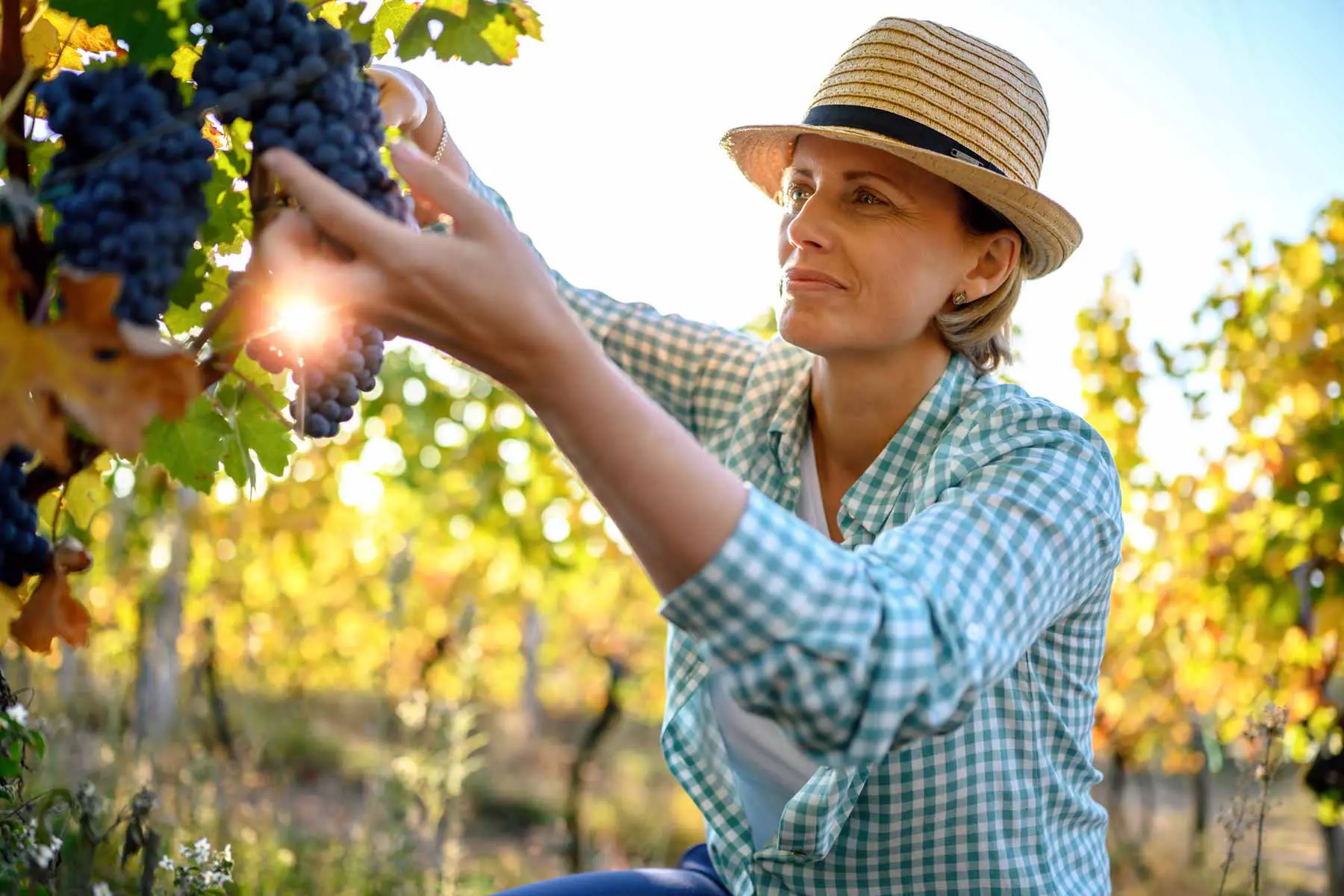
Antik medeniyetlerin mirasını geleceğe taşımak ve asmanın kökenlerini dünyaya anlatmak için küresel ölçekte bir kültür rota projesi kurgulamak en büyük hayalimizdir. Başlığı Martin Luther King’in “I Have A Dream – Bir Hayalim Var” gibi koymak da aslında mümkün. İtalya ve Slovenya’daki üreticilerin “Senza Meja” girişimi, şarabın sınırları aşan bir kültür köprüsü olabileceğini hepimize gösteriyor. Avrupa Konseyi çatısı altındaki kültür rotaları arasında yer alan ve WAYANA olarak bizim de bir parçası olduğumuz Iter Vitis, bunun kurumsal örneği.
These initiatives symbolize the determination of producers in different countries to share the same vineyards, the same traditions, and the same future. We too can dream of something similar for our own geography: a route connecting the very places where wine was born… Eastern Anatolia, Georgia, Armenia, and perhaps Azerbaijan. Wouldn’t that be something?
This is not merely a wine tourism idea—it is a cultural pathway that recalls humanity’s oldest common heritage. For these lands are where humankind first met the vine, and where grapes first became wine.
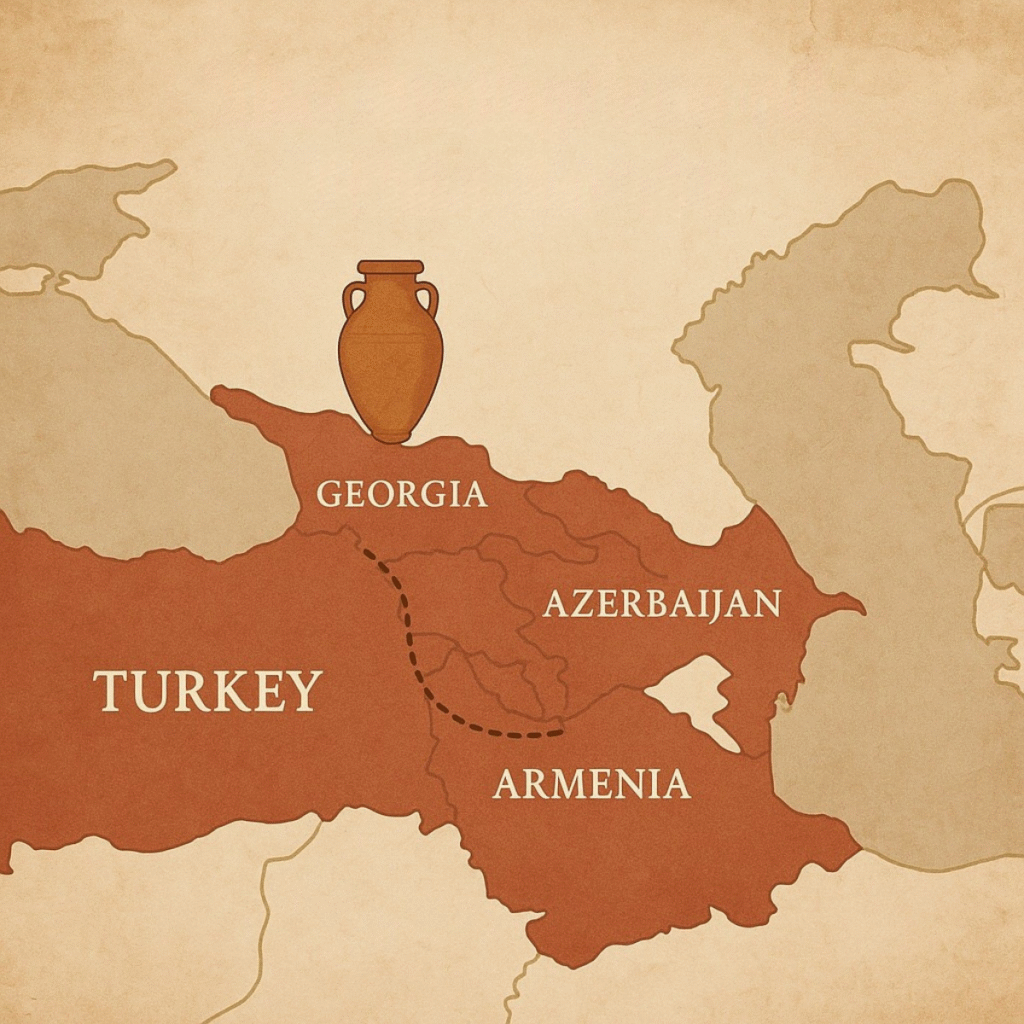
Kadim Topraklar ve Geleceğin Kültür Rota Projesi
Archaeological evidence tells us that the origins of viticulture and winemaking stretch back to 6000 BCE. Wine traces found in Georgian clay jars, the world’s oldest known winery unearthed in Armenia’s Areni-1 cave, and Urartian vineyard inscriptions and irrigation systems in Eastern Anatolia all point to this region as a “land of firsts.”
Gürcistan:
With its 8,000-year-old qvevri tradition, Georgia is known worldwide as “the cradle of wine.” The qvevri method was inscribed on UNESCO’s Intangible Cultural Heritage list in 2013.
Ermenistan:
The Areni-1 cave houses the oldest known winemaking facility (c. 4000 BCE), complete with stone vats, grape presses, and storage vessels.
Doğu Anadolu:
The role of vine and wine in Hittite rituals, Urartian inscriptions, and sophisticated irrigation systems all demonstrate the deep roots of viticulture here.
Azerbaycan:
Archaeological finds in Shaki and Ganja trace wine history back 4,000–5,000 years. Though interrupted in the Soviet era, these traditions are being revived after independence.
The Route: A Journey Through the Birthplaces of Wine
Doğu Anadolu – Urartu’nun İzinde
The irrigation canals and vineyard inscriptions left by the Urartians around Lake Van show how advanced viticulture was in antiquity. (And by the way—never call it a “lake” to the locals; for them it is the sea.) On the northern shore lies Erciş, home to the grape that bears its name: Ercişkarası. Cultivated for over three millennia, Ercişkarası unites the modern wine lover with the Urartian of long ago.
The famous folk song of Van captures this legacy:
“O süsem, o sümbül, o gül o bağındır… Edremit Van’a bakar
İçinde Şamran akar.”
Those lines refer to the 54-kilometer-long irrigation canal built in Urartian times—known as the Shamram canal.
Today, Eastern Anatolia continues to carry this heritage: Elazığ’s Öküzgözü and Boğazkere, Diyarbakır’s Boğazkere. Turkish winemakers are reviving forgotten grape varieties year after year, bringing them back into our glasses. And many more still wait their turn. Modern wineries reinterpret this ancient legacy, pairing wines with gastronomy and inviting today’s enthusiasts to taste both tradition and innovation.
Gürcistan – Qvevri’nin Kalbi
In Kakheti, qvevri winemaking is more than a technique—it is a way of life. Clay jars buried in the earth for fermentation link past and present, producing unique flavor profiles unlike any other. Visitors discover not only wine, but also Georgian hospitality and the rich culture of the supra feast.
Ermenistan – Areni’nin Mağarası
The Areni-1 cave in Vayots Dzor contains the world’s oldest known winery. Six-thousand-year-old stone vats and presses reveal wine’s earliest chapters. Today, wines made from the Areni Noir grape embody this heritage in modern form. Each year, the Areni Wine Festival transforms the region into a cultural hub, blending history with contemporary expression.
Azerbaycan – Yeniden Doğan Gelenek
In Shaki and Ganja, traces of vineyards attest to Azerbaijan’s deep roots in wine culture. Though industrialized during the Soviet period, winemaking here is being reborn through boutique producers. Local varieties such as Madrasa are once again finding their place on the stage.
The Cultural Value of the Route
Such a route would bring together not only winemakers, but also historians, gastronomes, artists, and travelers. Europe’s “wine routes” offer tourism experiences, but here the meaning would be deeper: this would be a journey into humanity’s oldest wine traditions.
- Tourism: Introducing the region as a new and unique destination.
- Culture: Highlighting shared heritage and identity.
- Diplomacy: Serving as a cultural bridge of cooperation and peace across borders.
Conclusion: From Dream to Reality
The Birthplace of Wine Route could be more than a dream. It could be a journey that tells not only the story of vineyards and wines, but also of cultures, languages, and tables shared.
In Europe, wine routes are part of modern tourism. In our geography, such a route would reveal the very first vineyards of humanity. Perhaps this is what we need most: not a path into the shadows of the past, but a road that points toward a shared table in the future.
Kafkaslar’dan Anadolu’ya uzanan bu vizyoner şarap rotası hayali, asmanın ilk evcilleştirildiği Bereketli Hilal toprakları ve tarihsel mirasın turizmle birleştiği büyük projeler ilginizi çekiyorsa, blogumuzdaki diğer köklü araştırmalarımıza da göz atabilirsiniz:
Bu hayali rotanın tam kalbinde yer alan coğrafi sınırları, Neolitik Dönem’den bu yana asmanın biyomoleküler izlerini ve tarihin en eski bağlarını incelediğimiz Şarabın Doğduğu Yer: Bereketli Hilal ve Şarap Tarihi başyapıtımızı okuyabilirsiniz.
Şarap arkeolojisinin dünyadaki en büyük otoritesi olan Patrick E. McGovern’ın bu topraklarda bulduğu ilk kimyasal kanıtları ve antik şarap kaplarının gizemini anlamak için Patrick E. McGovern: A Life in the Footsteps of Wine Archaeology makalemizi inceleyebilirsiniz.
Bu tür kadim ve uluslararası nitelikteki büyük rota projelerinin Türkiye ayağında hayata geçmiş en somut, başarılı yerel kalkınma örneğini görmek için Çal Bağ Yolu Rehberi saha günlüğümüzü ziyaret edebilirsiniz.
Doğanın, tarımın ve çevre dengesinin antik çağlardaki büyük medeniyetlerin kaderini nasıl belirlediğini ekolojik kanıtlarıyla okumak için Truva: Çevresel Yıpranma, Çöküş ve Çıkarılacak Dersler analizimize göz atabilirsiniz.