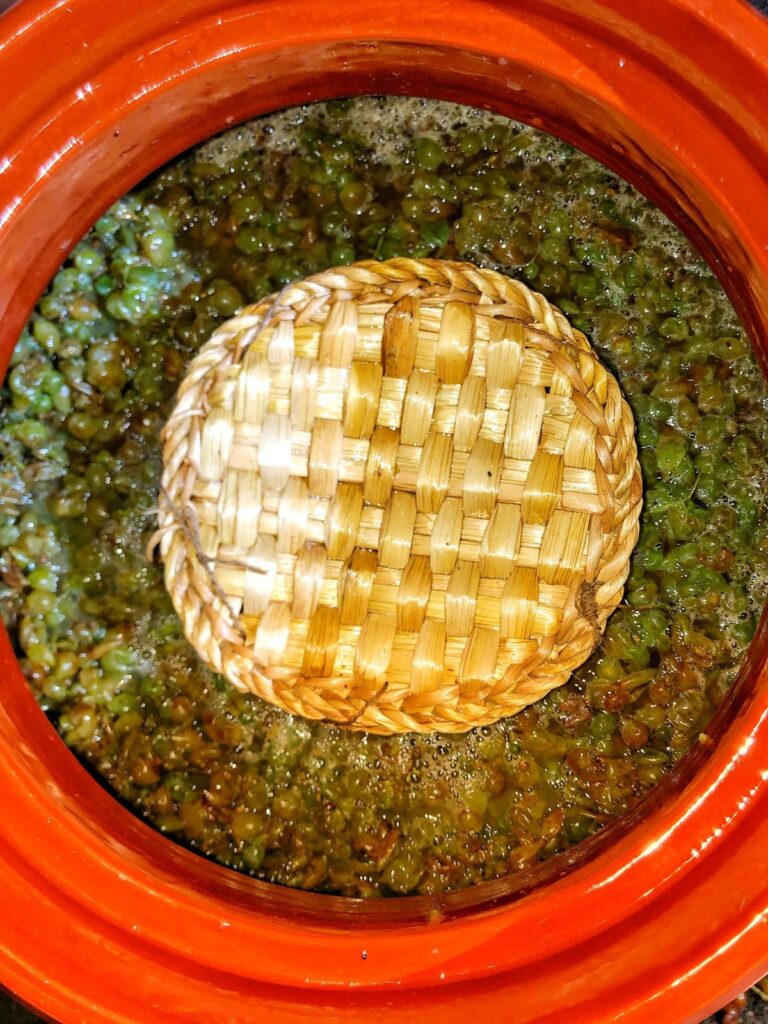
Crushing Grapes with Feet: Primitive or Quality?
No one in their right mind would deny the contributions of technology to wine production. If we briefly look back and refresh our memory, the scientific principles behind fermentation...

No one in their right mind would deny the contributions of technology to wine production. If we briefly look back and refresh our memory, the scientific principles behind fermentation...

One of the key criteria for proficiency in the wine world must surely be blend management. The characteristics that wines obtained from different grapes have on their own...

The history of the grapes that give us today's wines extends far back beyond the history of the human species. Science, tracing the trail of fossilized grape seeds...

Perhaps at the forefront of the wine-loving groups that WAYANA values are those who make wine at home. What distinguishes home winemakers from professional producers...

There are ordinary observations in our daily life. For example, when we take a bite of an apple and set it aside, we see the white area where we bit turn brown when we pick it up again.

The tablets of the Hittites, who left deep marks on the lands of Anatolia, are of great value for us to understand the role of viticulture and wine in this ancient civilization.

It is well known that wine contains alcohol. However, the fact that wine is often lumped into the same broad category as other alcoholic beverages just because it contains alcohol is actually a significant...

Those who step into the world of wine will encounter the expression 'vitis vinifera' somewhere in their wine journey. Vitis vinifera is the scientific name of the wine grape vine to which we owe our common pleasure, wine.

We revise the WAYANA Wine Menu approximately every two months. One of the parts that excites us the most is adding wine producers that we could not include on the menu until then. Some wines are sold out and have no continuation.

Persian: Cānāver noun A wild creature that lives in fairy tales and legends. It is derived from ‘CANI VAR’, which is formed by combining ‘can’ (life) and the suffix ‘aver’, becomes ‘It has a life’ which is also ‘alive’.