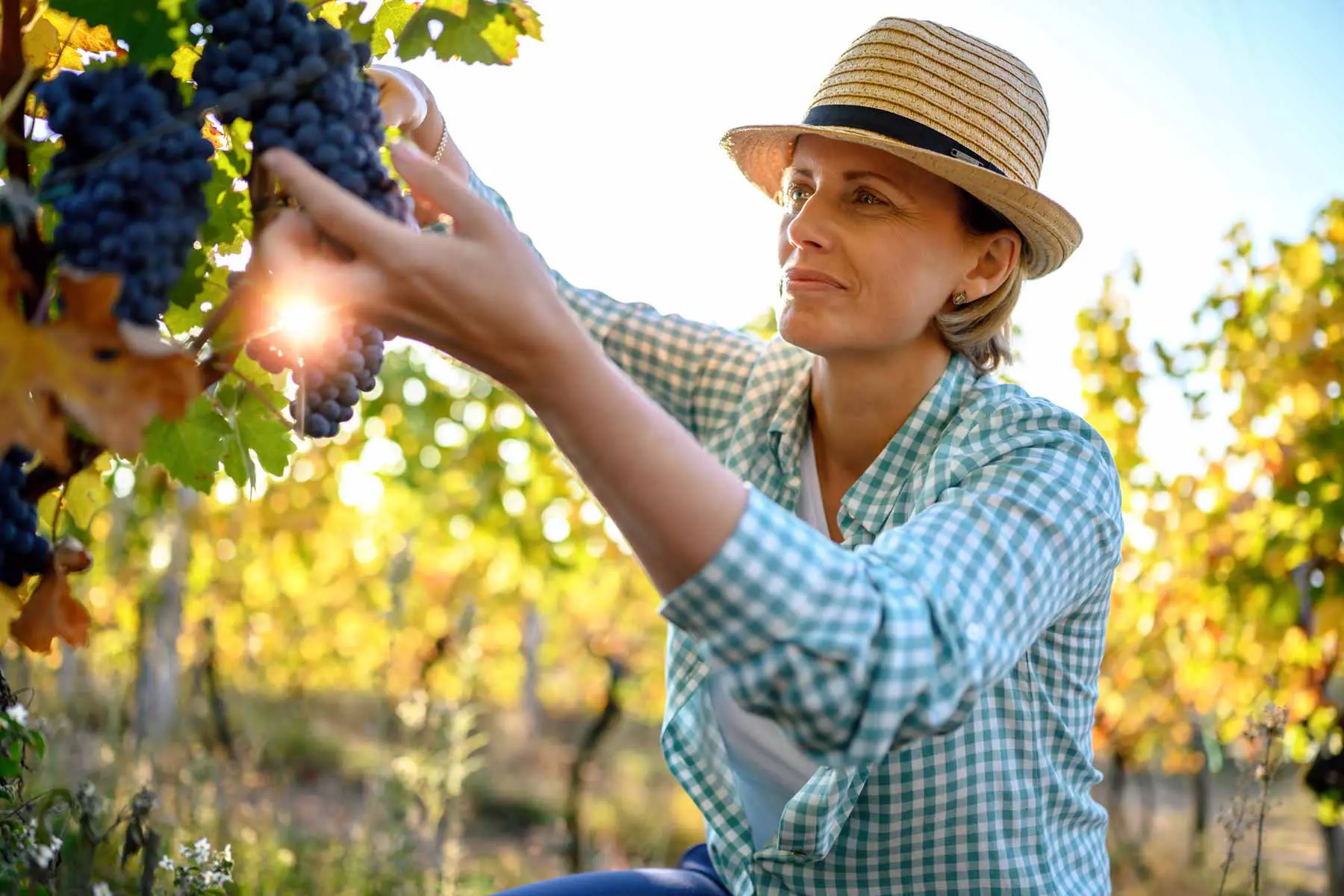
Küresel iklim krizi yeryüzündeki en asil bağ teruarlarını tehdit ederken, şarap dünyasının öncüleri geleceği kurtaracak radikal adımlar atıyor. İçinde bulunduğumuz dönem, artık küresel ısınmanın olasılık değil, günümüzün gerçeği olduğunu bilimsel olarak hepimize gösterdi. Bu konuda yaratılmış olan farkındalığa rağmen başarılı bir mücadele verilemeyeceği de aslında ortaya çıktı. İnsan türünün doymak bilmeyen iştahına uygun olarak geliştirdiği düzenin hep daha çok üretmek ve daha çok tüketmek olduğunu ve gelişmenin ölçümünü de bu bağlamda yaptığımızı düşünecek olursak, kısa süreli kazanımlarımızdan vazgeçemeyeceğimiz ortaya çıkıyor.
Isınan Teruar: Alkol ve Asit Matrisinin Yıkıcı Kayması
İklim krizinin bağlar üzerindeki en doğrudan ve en yıkıcı etkisi, üzüm salkımlarının fenolik olgunlaşma döngüsündeki o narin dengenin hızla bozulmasıdır. Artan ortalama sıcaklıklar ve güneş radyasyonu, asmanın fotosentez hızını tırmandırarak tanelerdeki şeker oranını (dolayısıyla potansiyel alkol seviyesini) hızla yukarı çekerken, şaraba diri karakterini ve dikey asiditesini veren o malik ve tartarik asitlerin sıcaklık baskısıyla hızla erimesine (solunmasına) yol açar. Sonuç olarak, geleneksel Bordeaux zarafetini ve yıllanma potansiyelini simgeleyen o narin alkol-asit-tanen dengesi, yerini hantal, alkolü damakta yakan, gövdesi gevşek ve dikey tazeliğini tamamen yitirmiş “aşırı olgun” şarap profillerine bırakma tehlikesiyle karşı karşıyadır. Bu klimatolojik kayma, asırlık kupaj formüllerinin ve şato kimliklerinin gelecekte tamamen tektipleşerek kimliksizleşmesini tetikleyen en büyük enolojik tehdittir.
VitAdapt Projesi ve Klasik Apelasyon Kurallarının Kaçınılmaz Esnemesi
Bordeaux 2050 vizyonunun ve Fransız Ulusal Tarım, Gıda ve Çevre Araştırma Enstitüsü (INRAE) tarafından yürütülen “VitAdapt” projesinin arkasındaki asıl devrimci hamle, bölgenin asırlardır sarsılmayan muhafazakâr apelasyon (AOC) mevzuatını bilimin ışığında esnetmeyi başarabilmesidir. Bilim insanları, gelecekteki kuraklık ve sıcaklık senaryolarına karşı dayanıklılık gösterecek 80’den fazla alternatif üzüm varyetesini deneysel bağ parsellerinde yıllarca gözlemlemiştir. Bu rasyonel verilerin sonucunda, Bordeaux Şarap Birliği (CIVB), kuraklığa muazzam adapte olabilen ve dikey asiditesini en aşırı sıcaklarda bile koruyan Portekiz kökenli asil Touriga Nacional ile Alvarinho gibi yeni üzüm çeşitlerinin Bordeaux kupajlarında sınırlı oranda (yüzde 10’a kadar) kullanılmasına resmi olarak onay vermiştir. Bu esneme, küresel ısınmaya karşı sadece nostaljik ağıtlar yakmak yerine, asmanın o milyonlarca yıllık genetik çeşitlilik kalkanını kuşanarak geleceği bugünden tasarlayan son derece gıpta edilecek bir tarımsal adaptasyon zaferidir.
Bu yazının konusu olan Bordeaux 2050 projesine bakarken, Yeni ve Eski Dünyalardan birer devlet başkanının, Trump ve Macron’un iklim düzenlemesine dönük Paris Mutabakatı’na ilişkin açıklamaları önüme geldi. Trump Paris Anlaşması’ndan çıkarak bundan böyle yükümlülükleri konusunda sorumluluk taşımayacaklarını fütursuzca dile getiriyordu. Macron, Avrupa’nın bu konudaki kararlılığını sürdürmeye devam edeceğinin altını çiziyordu. Aynı geleceği paylaşacak olduğumuzu düşünecek olursak, fikir birliği olmadığı sürece insanlığın küresel iklim değişikliği konusunda şansı fazla değil. En azından görünüm böyle
We wanted to take a closer look at a project launched in France, which accepts that this change is inevitable and prepares for the situation that will face the wine industry. Bordeaux 2050, which is also the title of our article, is planned, as the name suggests, to focus on the impact of global warming on vineyards and wines, which is only thirty years from now.
Fransa’daki Grand Cru sınıfında yer alan şarap üreticilerinden Château La Tour Carnet, havacılık teknolojilerini kullanarak 2050 simülasyonuyla yetiştirilen deneysel bir bağ alanı oluşturmuş. Projenin hedeflerinden bir tanesi Cabernet Sauvignon ve Merlot gibi bordo kupajında yer alan temel üzümlerin, değişen iklim koşullarında nasıl değişimlere uğrayacağını gözlemek.
Deneysel bağda sıcaklık değişimlerinin etkilerini anlayabilmek için uçaklardaki ısıtıcı kablolarına benzeyen donanım yardımıyla asmaların özsuları daha yüksek ısıya maruz bırakılıyor. Projenin sorumluluğunu üstlenen bitki bilimci Julien Lecourt, bu uygulamayla hasat zamanının 15 gün ile 3 hafta arasında değişerek öne geldiğini söylüyor. Aslında bağcılığın ve şarapçılığın esasını teruvar teşkil eder, ama sıcaklık değişimine odaklanan bu proje teruvar özelliklerini göz ardı ediyor.
Within the scope of the project that started in 2013, 84 different grape varieties were planted in the vineyard. Likewise, a production line was created to process each grape in order to turn the small amounts of grape production grown in the vineyard into wine. In other words, there is a micro-scale wine production facility that produces 84 types of wine. They determined their first priority to be red wines; They work on both the main grapes in the blend (such as Cabernet Sauvignon, Cabernet Franc, Merlot, Petit Verdot) and more southern varieties such as Tempranillo and Touriga Nacional. The first question they are trying to answer is whether the accepted identity of the classic Bordeaux blend today is truly in danger. It is also questioned whether it is possible to get support from other grape varieties to preserve the unique identity of the Bordeaux blend.
The effects of temperature changes on vineyard diseases, changes in productivity and aromatic properties are also closely monitored. Although it is aimed to obtain premium level wines from each grape variety included in the project, it seems that some varieties will never reach the desired maturity when the warmer climate conditions take place. It is obvious that the grapes that manage to ripen under new climate conditions will be the grapes that will be processed in the future.
We also learn that the winery finances a doctoral program together with the University of Bordeaux within the scope of the project. We will follow up Bordeaux 2050 Project and share the developments with you.
Hayal-i yel eser serde, / Efendim nerde, ben nerde
Bordeaux’nun o asırlık asmalarını iklim krizinin yakıcı etkilerinden kurtarmayı hedefleyen bu muazzam VitAdapt vizyonu, asma adaptasyonları ve geleceğin enoloji projeksiyonları ilginizi çekiyorsa, blogumuzdaki diğer nitelikli teknik araştırmalarımıza da göz atabilirsiniz:
İklim krizine karşı asmaları korumak adına sentetik kimyasalları tamamen reddeden; bağları kozmosun, ayın ve ekolojik preparatların o uyumlu gücüyle buluşturan dikey tarım felsefesini incelemek için Biodynamic Wines ekoloji kılavuzumuzu ziyaret edebilirsiniz.
Bordeaux’daki bu büyük vizyoner bilimsel adımlar gibi, bağların ve şarap sektörünün kurtarılmasında üniversitelerin, DNA gen haritalarının ve ampelografi enstitülerinin üstlendiği o hayati rolleri okumak için Akademinin Bağlar Üzerinden Şarap Sektörüne Kattıkları bilimsel ortaklık yazımızı inceleyebilirsiniz.
Fransız üreticilerin iklim krizine karşı kükürt kısıtlamalarıyla, sentetik kimyasalları tamamen dışlayarak doğaya en yakın, en çıplak ve en dürüst yöntemlerle geliştirdiği avangart felsefeyi görmek için WAYANA Natürel Şaraplar Menüsünü Güncelledik! kurumsal yazımızı keşfedebilirsiniz.
Milyonlarca yıllık jeolojik felaketleri ve kitlesel yok oluşları aşarak günümüze ulaşan asma familyasının o büyüleyici evrimsel mukavemetini ve dinozorların sahneden çekilmesiyle başlayan o büyük yeşil zaferini öğrenmek için Dinozorlar ve Asmalar: Asma Familyasının Evrimsel Kökenleri paleobotanik çalışmamıza bakabilirsiniz.