Kerasus’la ilgili ilk bilginin bir sosyal medya yazışmasında karşıma çıktığını hatırlıyorum. Genç bir şarap tutkununun şarabın neden Karadeniz Bölgesi’nde de üretilmediğini sorgulamasıyla başlayan ve yaptığı çalışmalarla bunun pekâlâ olabileceğini gösteren cesur bir girişim olarak kaydetmiştim. Bu yılın Nisan ayında Gelveri’nin ev sahipliğinde yapılan Diyonisos Sempozyumu’nda Gizem’le kısa bir sohbet etmiş, yeni ürünlerle ilgili görüşmek üzere ayrılmıştık. Haziran ayı başında Kerasus’un Melez 1 ve Melez 2 olarak adlandırdığı iki şarabının hazır olduğunu öğrendik. Şaraplar elimize ulaştıktan sonra da detayları Gizem’den dinlemek üzere bir görüşme gerçekleştirdik. Bu yazıda bu sohbette aldığımız bilgilerin bir özeti var.
Ama ondan önce Türkiye’de mikro üretici olmanın ne anlama geldiğine birlikte bakalım.
Endüstriyel Tektipleşmeye Karşı Zanaatkâr Mahzenlerin Mukavemeti
Anadolu bağcılık sahnesinde küçük ve bağımsız bir üretici olmak, yalnızca butik ölçekte bir tarım faaliyeti yürütmek anlamına gelmez; bu, büyük endüstriyel kartellerin ve yüksek bütçeli tesislerin pazara dayattığı o risksiz, steril ve sıkıcı tektipleşmeye karşı dikey bir kültürel mukavemet biçimidir. Büyük endüstriyel tesisler, her yıl tam olarak aynı tadı veren, raflarda kusursuzca parlayan ve kitle iletişim kanallarına uygun pürüzsüz formüller tasarlarken, zanaatkâr mahzenler mevsimlerin getirdiği doğal dalgalanmaları, iklimin dürüst sürprizlerini ve toprağın çıplak karakterini birer kusur olarak değil, sahiplenmeleri gereken birer kimlik ve özgünlük belgesi olarak kabul eder. Küçük üretici, mahzenindeki her fıçıya ve her tanka ticari birer emtia gözüyle değil, arkasında devasa bir el emeği ve adanmışlık yatan birer yaşayan organizma titizliğiyle yaklaşır.
Mikro-Teruar Yönetimi ve Sektörel Geleceğin Çeşitlilik Kalkanı
Butik üreticilerin asıl kurucu gücü, devasa tarım arazileri yerine “mikro-teruar” adı verilen, özel toprak ve iklim koordinatlarına sahip narin bağ parsellerinde gösterdikleri o yüksek ampelografik hassasiyettir. Büyük ölçekli üretimin radarına girmeyecek kadar az sayıda kalmış endemik salkımları korumak, asırlık kütüklerin sesine kulak vermek ve az miktardaki şırayı minimum müdahaleyle natürel olarak işlemek ancak bu butik tutkuyla mümkündür. Bağımsız üreticiler Türkiye’nin o tektip endüstriyel üzüm kuşatmasına karşı en hayati biyoçeşitlilik kalkanını oluştururlar. Bu zanaatkârların mahzen kapılarından süzülen her özgün şişe, şarap kültürünün o elitist ve ulaşılamaz duvarlarını yıkarak onu çok daha dürüst, çoksesli, hikâyesi olan ve yaşayan çağdaş bir deneyim alanına dönüştürmektedir. WAYANA, bu bağımsız zanaat kalelerine açtığı o muazzam alanla, bu kıymetli mukavemetin en sadık lojistik ortağı ve vitrinidir.
Gizem’e Karadeniz bölgesi şarabıyla ilgili merakının Karadenizli olmasıyla ilgisi olup olmadığını sordum. Karadenizli olduğunu ama bu merakın esas sebebinin bu olmadığını söyledi. Kerasus’un bu alandaki çalışmaları üç yıl önce başlamış. Esas öncelikler bölgenin üzüm varlığını anlamak ve bu üzümlerden hem büyük miktarlara ulaşmayan üretimler yapmak hem de asmaların kendi kontrollerinde yetişebileceği bağ alanı oluşturmak. Üretim yaptıkları üzümlerin çelikleriyle oluşturdukları bağ alanı aynı zamanda bir koruma istasyonu görevi üstlenecek.
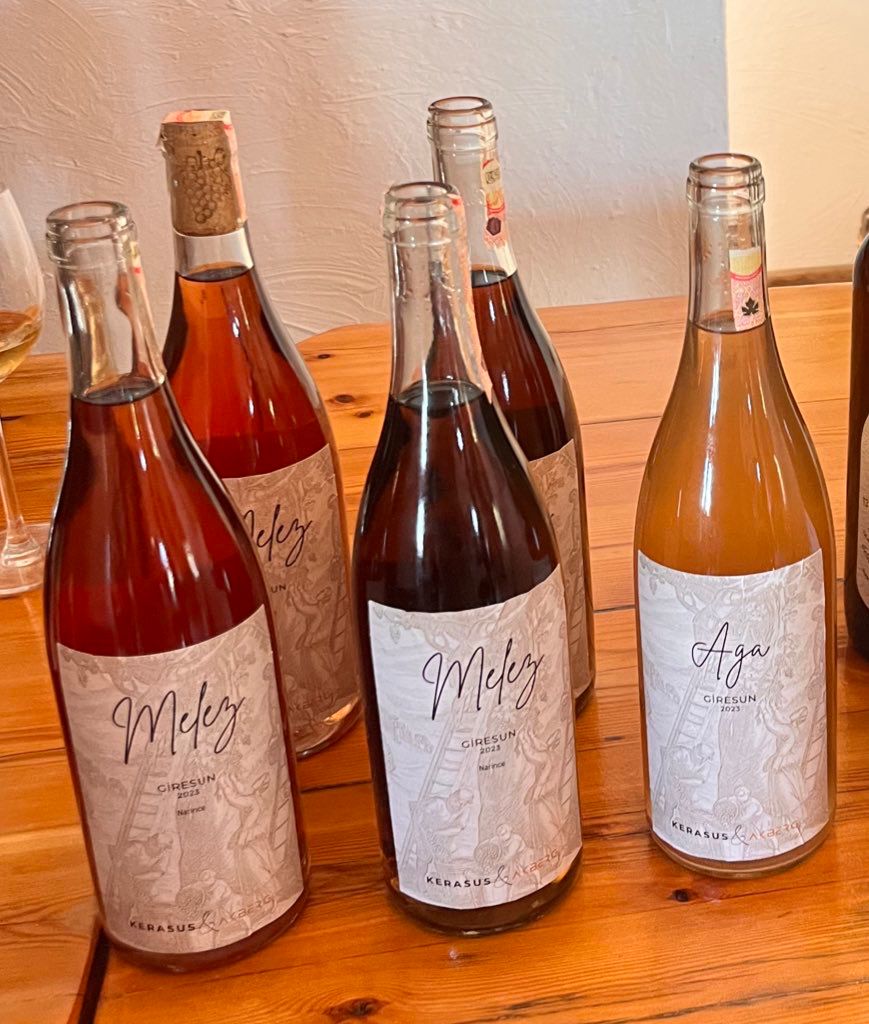
Bu sene ürettikleri Melez 1 ve Melez 2 şaraplarının şırası Narince üzümüne ait. Aslında iki şarap arasında üretim metodu, üzüm şırası ve maya kullanımında fark yok: Narince üzüm şırası uzun (7 ay) süren bir maserasyon sürecine tabi tutuluyor. Bu sürenin ilk yedi günlük bölümünde Karadeniz Bölgesi’nin sıra dışı İsabella üzümünün kabukları, güçlü doğal maya deposu olmaları sebebiyle fermantasyonun başlangıcında tankın içinde yer alıyor. İki kabuk türünün birbirine karışmaması ama geçirgenliğin sağlanması için kendilerinin tasarlayıp uyguladıkları fındık elyafından bir çeşit sepet kullanılıyor. Yedinci günün sonunda sepet, içindeki İsabella kabuklarıyla beraber fermantasyon tankından çıkarılıyor ve Narince yalnız kalıyor.
İsabella üzümü için sıra dışı dedik; bunun nereden kaynaklandığını da kısaca özetleyelim. Önce genel bir bilgi. Bugün şarap yapımında kullanılan üzümlerin asmalarının bilimsel aile adı Vitis vinifera. Bu ailede yer alan asmalar insan tarafından yüzyıllar süren uzun bir süreç sonunda yetiştirilebilir ve ehil formata kavuşturulmuştur. Bu asmaların atasının bilimsel adı Vitis vinifera sylvestris, yani yabani asma. Kadehlerimizde bizimle buluşan şarapların neredeyse tamamı bu Vitis vinifera ailesinin üyeleri. İsabella ise bu aileye değil, Vitis labrusca adı verilen ve şarap yapımına uygunluğu Vitis vinifera’ya göre daha az elverişli olan bir ailenin üyesi. İsabella üzümünden yapılan şaraplar henüz yüksek kalitede değil. Ama şarap sabır işi; bu sürecin sonunda ortaya çıkacak örnekler belki de bir gün bizi şaşırtacak.
Melez 1 ve Melez 2 arasındaki fark aslında natürel şarap üretimi boyunca içinde kabukların yer aldığı karışımın karıştırılmasıyla ilgili. Melez 1’de günde iki kez yapılan karıştırma işlemi Melez 2’de günde üç kereye çıkarılmış. Böylelikle karışımların oksijenle farklı miktarlarda buluşmasının meydana getireceği değişimin ne olacağını anlamaya çalışmışlar. Bu denli küçük bir fark bile günde iki kez karıştırılan şarabın daha genç ve taze kimliğe, üç kez karıştırılanın ise olgunlaşmanın daha çok hissedildiği bir yapıya kavuşmasını sağlamış.
Melez 1 ve Melez 2’den 60’ar şişe üretilmiş. WAYANA’nın Natürel Şarap Menüsü’nde yer verdiğimiz şarapların konuklarımızla tanışması için özel bir çalışma yapmayı planlıyoruz. Hem yabancı hem Türk şarap sever konuklarımızın bu genç girişimci ikilinin heyecanlarına ortak olması, projenin sürdürülebilir olmasını desteklemesi ve yok olmaktan kurtarılarak geri kazanılan üzümler için yaratılmaya çalışılan farkındalığın parçası olması çok önemli. Bu hazırlığımız tamamlanınca WAYANA’lı şarap severlerin de parçası olacakları özel bir set seçeneği olacak. Ayrıntıları paylaşacağız.
We wish success to Gizem and her partner Berat, in this project. We will follow and share the further stages and new examples of the project.
Türkiye’de yapılması zor işlerden birini yürüten şarap üreticileri hakkında daha geniş bilgi almak isterseniz, Türkiye’de Şarap Üreticileri: Antik Mirastan Modern Dönüşüme yazımızı inceleyebilirsiniz.
Kerasus’un deneysel hasır kurutma teknikleri ve bağımsız zanaatkarlık felsefesi ilginizi çekiyorsa, blogumuzdaki diğer nitelikli araştırmalarımıza da göz atabilirsiniz:
Kerasus gibi vizyoner butik üreticilerin ve asma genetiği üzerine çalışan o asil bilim insanlarının ortak çabalarıyla kurtarılan; Amber, Dişi Mercan ve Müşküle gibi 11 nadir varyetemizin o muazzam ticari mahzen serüvenlerini okumak için Anadolu Mirası Üzümlerden Sonradan Hatırlananlar: İlk Kez Ticari Şarap Olan 11 Kayıp Çeşit enolojik atlasımızı ziyaret edebilirsiniz.
Kerasus mahzenindeki o kural tanımaz “Melez” serisi gibi, endüstriyel manipülasyonları tamamen reddeden ve gücünü sadece yerel yabani mayalardan alan avangart doğal şarapların küresel pazar yükseliş trendlerini incelemek için Doğal Şarap Segmentinin Büyüme Dinamikleri ve Sektörel Geleceği pazar analizimizi inceleyebilirsiniz.
Büyük endüstriyel tesislerin risksiz, steril formüllerinin aksine, kadehteki asıl duyusal zenginliğin o %99’luk su-alkol bazında değil, Kerasus’un inatla peşinden koştuğu o %1’lik görünmez mikro-bileşenlerde saklı olduğunu kanıtlayan kimyasal analizimizi okumak için Şarapta %1 Etkisi: Duyusal Analiz ve Mikro Bileşenler felsefi çalışmamıza göz atabilirsiniz.
Ağır idari-yasal baskılara, dikey tanıtım yasaklarına ve endüstriyel kartellerin kuşatmasına direnemeyerek kapılarına kilit vurmak zorunda kalan girişimcilerin o trajik sektörel yalnızlığını anlamak için Bir Şaraphanenin Otanazisi: Sektörel Bir Ağıt ve Veda sosyolojik saha analizimize bakabilirsiniz.