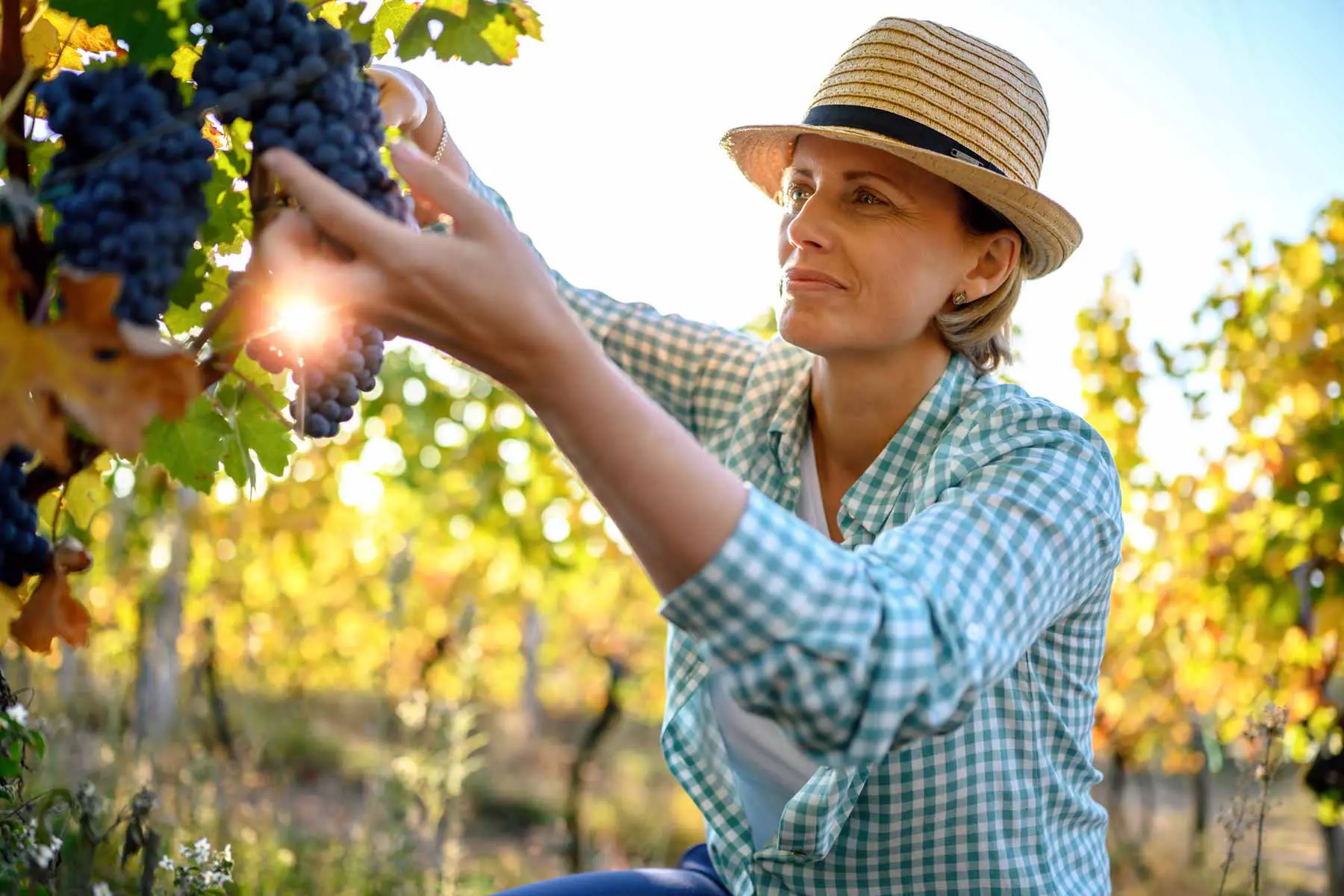
Prof. Dr. Hüseyin Karataş's Presentation at the 3rd Kök Köken Toprak Event
Anadolu’nun o paha biçilemez antik bağ topraklarında yerel üzüm mirasını korurken, akademi ve bilim dünyası asmanın geleceğini yeniden şekillendiriyor. Kök Köken Toprak, ülkemizde üvey evlat muamelesi gören şarap endüstrisinin yoluna devam etmesini yüreklendiren bir sivil oluşum. Bu sivil oluşumun bir araya getirdiği farklı formasyonlardaki profesyonellerin sahip oldukları birikimleri şarap dünyasının mensuplarıyla paylaşmaları katılımcıların en büyük kazancı oldu. Bunlar arasından iki tanesini daha geniş bir çerçevede ele alacağız. İlki Dicle Üniversitesi Ziraat Fakültesi öğretim üyesi Prof. Dr. Hüseyin Karataş’ın liderliğinde yürütülen bir proje.
Yazı başlığı çok uzundu; kısaltmak zorunda kaldık. Devamı ‘Prof. Dr. Hüseyin Karataş’ın 3. Kök Köken Toprak Etkinliği’ndeki sunumu şeklindeydi. Sunuma konu olan projenin resmî adı “Öküzgözü ve Boğazkere Üzüm Çeşitleri Klon Seleksiyonu”. Ana fikir okunduğunda anlaşılsa da, işin özeti verimlilik, dayanıklılık, kalite performansı gibi çeşitli kriterler ışığında hangi Öküzgözü ve Boğazkere örneklerinin benzerlerinden daha iyi sonuç verdiğini saptamak. Hüseyin Bey sunumunda üç alt başlığa yer vermiş. Bunların ilki sunumun da başlığı olan “Öküzgözü ve Boğazkere Üzüm Çeşitleri Klon Seleksiyonu”. İkinci başlıkta “Yabanî Asma Gen Kaynakları” var, üçüncüsü de “Diyarbakır İlinde Bağcılık Alanında Yapılan Diğer Akademik Çalışmalar”.
Ülkemizde bugüne kadar 40 çeşit üzümde klon seleksiyonu yapılarak en uygun örneklerin seçildiğini öğreniyoruz. Bu bizi sevindirirken aynı zamanda da düşündürüyor: Kayıtlı 1.400’den çok üzüm çeşidi olduğunu, ayıklandıktan sonra geriye hâlâ 800’den çok çeşit kaldığını biliyorsak, geriye kalanların durumu ne? Hüseyin Bey’in projesi benzer çalışmanın Öküzgözü ve Boğazkere için yürütülmekte olduğunu, yani en azından üzüm çeşidinin 42’ye ulaşacağını anlıyoruz, ama içimiz buruk.
Klon seçiminde projenin Elazığ ve Diyarbakır’daki seçilmiş bağlarla iş birliği içinde yürütüldüğünü, verimlilik parametrelerinin ve meyve bileşenlerinin analiz özetlerinin nasıl değerlendirildiğini ve bu çalışmalar sonucunda seçilen 25’er adet adayın üniversitenin bünyesinde kurulan beş dekarlık Klon Seleksiyonları parsellerinde kendilerinin denetiminde yetiştirileceğini öğrendik. Hüseyin Bey, projenin ikinci aşamasında bu seçilenler arasından şıralık ve şaraplık üçer klonun tespit edileceğini ve bunlardan da damızlık parselleri kurulacağını anlattı.
Tarım, üreterek ve işleyerek gelir elde etmek için yapılan bir faaliyet. Bu projedeki bileşenler açısından baktığımızda, bağdan başlayarak yapılacak üretimin niteliği son ürün olan şaraptaki istikrar ve kalitenin elde edilmesi açısından en önemli aşama. Bağcının hastalıklara dirençli, tane yapısı ve içeriği beklentiyi karşılayan ve teruvarıyla uyumlu asmalara sahip olması herkesin kazançlı olabileceği bir ortak zemin oluşturacak. Öküzgözü, uluslararası dünyada kendinden söz ettiren en değerli şaraplık üzümlerimizden birisi, belki birincisi. Geç bile olsa, bu çalışmada yer alması yüreğimize su serpiyor. Boğazkere, şaraplık Türk üzümleri arasında en karakteristik olanıdır. Onun da bu yapılan çalışmayla geleceği garanti altına alınıyor.
The Wild Grapevine Genetic Resources project conducted by Hüseyin Karataş together with his colleague at the same faculty and his wife Dilek Karataş is of great importance. Turkey is one of the eight countries that still host wild grapevines that have managed to preserve their existence to this day. In the presentation that summarized the domestication of wild grapevines by humans and their transformation into a cultivated grapevine throughout history, it was emphasized that new solutions could be developed, especially in terms of adaptation to changing climate conditions, by using existing wild grapevines. The fact that 30 of the wild grapevines that the academic couple identified around Diyarbakır and Elazığ during their work have been taken under protection in the vineyard area within the university is as valuable as a treasure.
Ampelometri ve DNA Profili: Asmanın Akademik Kimlik Kartı
Üniversitelerin ziraat fakülteleri, biyoloji kürsüleri ve araştırma enstitüleri bünyesinde yürütülen mikrosatelit (SSR) DNA analizleri, Anadolu’nun o asırlık ama sahipsiz kalmış yerel asma çeşitlerine bilimsel ve uluslararası düzeyde geçerli birer kimlik kartı kazandırmaktadır. Yüzyıllardır farklı yörelerde farklı isimlerle (sinonimlerle) anılan ya da tamamen unutulmaya yüz tutan asmalar, akademinin yürüttüğü genetik haritalama çalışmaları sayesinde taksonomik olarak doğru şekilde konumlandırılır. Bu DNA profillemeleri, asmaların atasal kökenlerini ve evrimsel bağlarını rasyonel bir biçimde ortaya koyarken, bir üzümün ticari olarak tescillenip koruma altına alınabilmesi için gereken en temel hukuki ve bilimsel altyapıyı inşa eder. Akademi, asmanın genetik şifresini çözerek zanaatkâr üreticiye bağında ne ektiğini tam olarak bilme ve bu yerel mirası küresel pazarda özgün, korunan bir değer olarak sunma hakkı vermektedir.
Üniversite-Üretici Koalisyonu: Mikro-Teruarlardan Ticari Mahzenlere
Akademinin bağlar üzerindeki bir diğer paha biçilemez katkısı, üniversitelerin bünyesindeki deneysel araştırma bağlarında ve enoloji laboratuvarlarında gerçekleştirilen mikrovinifikasyon, yani litreler bazında çok küçük ölçekli deneysel şarap üretimi çalışmalarıdır. Sektördeki bağımsız üreticilerin varlığından yeni haberdar olunan kayıp bir üzüm çeşidini doğrudan ticari ölçekte dikip fermente etmesi devasa bir finansal risk barındırırken, akademisyenler bu asmaları koruma altındaki deneme bağlarında yetiştirerek asmaların uyanma zamanını, hastalıklara direncini, salkım yapısını ve şıra potansiyelini yıllar süren gözlemlerle raporluyor. Bu bilimsel veriler, zanaatkar üretici ile buluştuğunda; hangi üzümün hangi toprak yapısına (mikro-teruara) dikilmesi gerektiği, dikey asidite dengelerinin nasıl korunacağı ve en ideal fermentasyon sıcaklıkları önceden tasarlanmış olur. Üniversitelerin bu yol gösterici bilimsel feneri, Anadolu’nun o saklı kalmış zengin sıvı mirasının derme çatma denemelerden kurtulup dünya standartlarında nitelikli birer başyapıt olarak ticari mahzenlerde can bulmasını sağlar.
Üniversitenin çiftçiler ve tarım sektörünün diğer çalışanlarıyla kurduğu ilişki, verdiği eğitim ve sorunlar için geliştirdiği çözümler hepimizi çok sevindirdi. Ülkenin içinde bulunduğu bu zorlu dönemde Hüseyin Bey ve kendisi gibi düşünenlerin bulunması gelecek için taşıdığımız umutları tekrar canlandırdı.
We salute all the academics who continue to carry out these studies with both professional meticulousness and sincerity in the person of Hüseyin Karataş.
Üniversitelerin o bilimsel enstitülerinde tescil edilen yerel asmalar, asma genetiğinin sunduğu o paha biçilemez tarihsel meşruiyet ve bilimsel enoloji dünyası ilginizi çekiyorsa, blogumuzdaki diğer nitelikli teknik araştırmalarımıza da göz atabilirsiniz:
Akademinin ve vizyoner üreticilerin iş birliğiyle yürütülen bağ restorasyon çalışmalarının birer meyvesi olan; Amber, Dişi Mercan, Mecidiye ve Müşküle gibi 11 nadir üzümümüzün ilk kez ticari olarak kadehlerle buluşma hikayesini okumak için Anadolu Mirası Üzümlerden Sonradan Hatırlananlar: İlk Kez Ticari Şarap Olan 11 Kayıp Çeşit enolojik atlasımızı ziyaret edebilirsiniz.
Akademik araştırmaların asmanın kökenlerini tarih öncesine, Kretase Dönemi’nin o devasa sürüngenler dünyasına kadar taşıyan o büyüleyici paleobotanik fosil çekirdek kayıtlarını ve evrimsel ekolojiyi incelemek için Dinozorlar ve Asmalar: Asma Familyasının Evrimsel Kökenleri paleobotanik yazımızı inceleyebilirsiniz.
Asmanın bu topraklardaki kurduğu köklü tarihsel meşruiyetin, bundan binlerce yıl önce Hitit İmparatorluğu hiyerarşisinde nasıl kurumsal bir bağcılık disiplini ve dikey devlet yasalarıyla korunduğunu keşfetmek için Dünyanın İlk Master of Wine’ı GAL GEŞTİN ve Hitit Şarap Tarihi kurumsal tarih analizimize göz atabilirsiniz.
Akademik enoloji laboratuvarlarında çözülen o büyüleyici duyusal illüzyonlardan birini; kadeh kenarında süzülen “şarabın bacakları”nın arkasındaki o rasyonel yüzey gerilimi gradyanlarını (Marangoni etkisini) fizik kurallarıyla öğrenmek için Şarabın Bacakları ya da Şarabın Gözyaşları: Gözyaşlarının Fiziksel Sırrı akışkanlar mekaniği çalışmamıza bakabilirsiniz.