Uniformity, ordinariness—what younger generations like to call “boring”—has become the unavoidable standard of our time. Under the pressure of competing priorities, products designed to meet needs efficiently but lacking any real distinction have taken over. Wine, inevitably, is part of this landscape.
We hear this conversation often, and perhaps we occasionally find ourselves saying it too:
“In some country, they sell wine for 2 euros in supermarkets—and it’s actually not bad.”
Given the financial pressures we all live under, this sentiment feels entirely familiar. Yet we rarely consider the stages that product has gone through before it reaches us.
This is not a cost-focused article, but it should push us to think. As rational individuals, we might begin by admitting to ourselves that the price we are offered is, in fact, unrealistic. Some may follow this realization with a deeper analysis and reconsider their purchasing decisions. The vast majority, however, will skip this questioning altogether, place the “great value product” into their basket, and move on without a second thought.
A few months ago, in our newsletter series on “Celebrity Wines,” we mentioned Avaline, the brand co-founded by Cameron Diaz. The core promise behind Avaline’s global success was not so much about taste, but about being “clean” and “transparent.” Today’s conscious consumer, who carefully reads the ingredient list of packaged foods line by line, is gradually bringing that same scrutiny to the glass.
So why has a search for transparency suddenly emerged in a drink we have known for thousands of years as simply “grapes”? The answer lies in the fine line between the technological comfort offered by modern winemaking and the wild, unpredictable nature of the vineyard. Let’s walk that grape-scented path together.
The Silence of Fifty Years Ago
Let’s go back fifty years. On a wine label, beyond the region, the producer, and perhaps the grape variety, you would find very little information. The absence of an “ingredient list” was not neglect, but an assumption: wine came from the vineyard, and what it contained was embedded in that year’s sun, rain, and the calloused hands of the grower. The label was an identity card, not a technical sheet.
But the industrial food revolution did not pass wine by. In order to extend shelf life, ensure consistency from bottle to bottle, and deliver a “fault-free” product, many new actors entered the kitchen of modern winemaking.
Listening to the Voice of Terroir
We often speak of three pillars that define wine: grape, terroir, and human. In this discussion, two stand out—terroir and human. Let’s begin with terroir, shaped by the rules of nature.
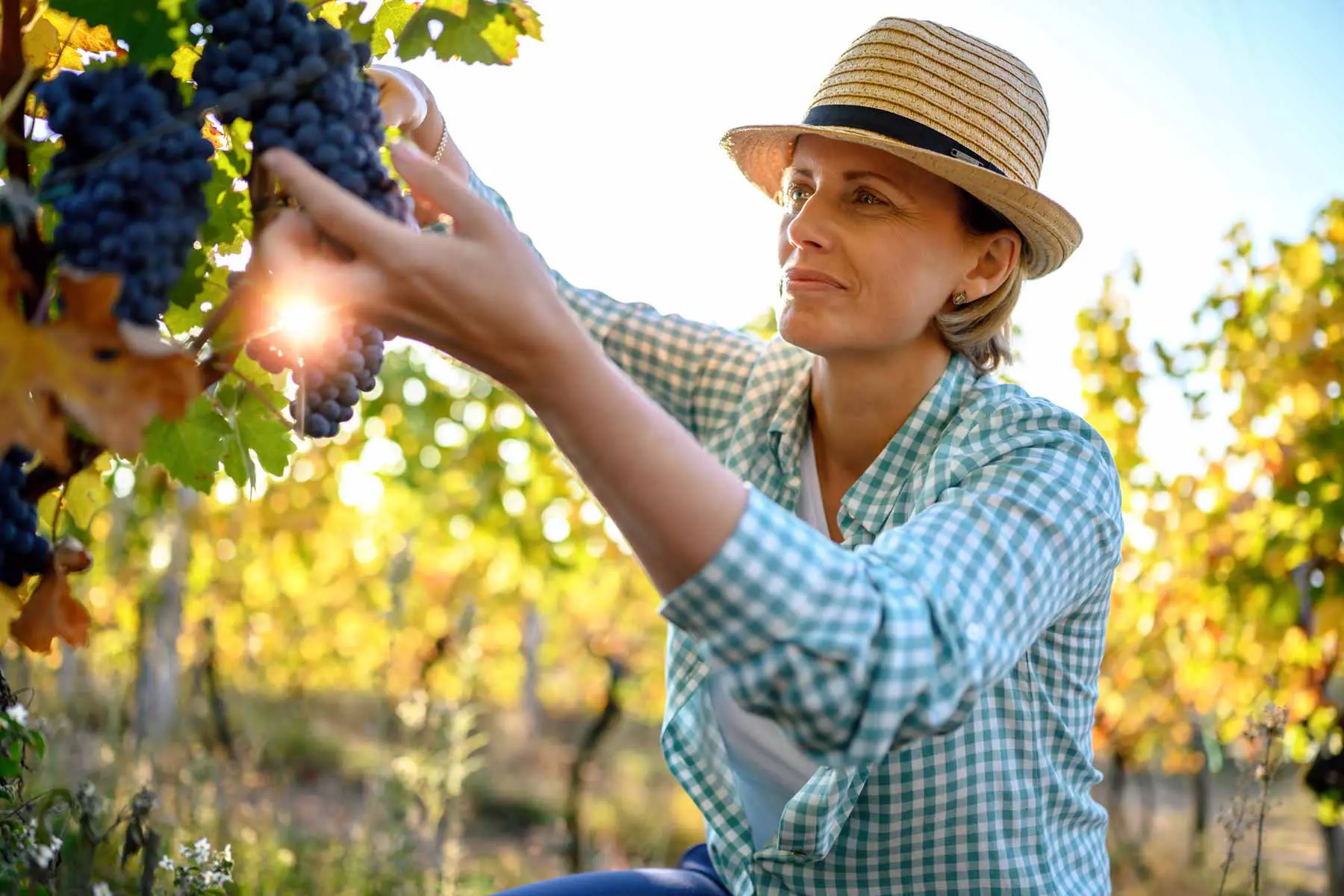
Terroir is a macro force defined by variables beyond our control, leaving us only limited room for intervention. On one hand, there is soil structure, formed over millions of years. On the other, climate conditions shaped by ever-changing meteorological patterns. Together, they determine both the grape grown in the vineyard and the wine produced from it.
The fundamental principle of wine—“great wine can only come from great grapes”—reminds us that human influence over grape quality is minimal compared to the power of terroir. This is precisely why certain vintages stand out, becoming legendary and remembered for years.
The Human Factor and the Architects of Standard Taste
Now let’s turn to the human element—the tools and methods developed to shape wine.
In a modern business world where scale is unavoidable, the greatest fear of a wine brand is variability. A wine bought from a supermarket shelf is expected to taste the same as it did last year. To meet this expectation, wine is sometimes “constructed” with laboratory precision:
- Aromatic Yeasts: Instead of relying on wild yeasts, industrial strains are used to inject specific flavor profiles such as “tropical fruit” or “green pepper.”
- Intervention Tools: Concentrated grape musts to deepen color, tartaric acid additions to adjust balance, and intensive filtration techniques to achieve perfect clarity.
All of these make wine more “drinkable” and more “marketable.” But there is a cost. As interventions increase, wine moves away from being a product of its terroir and becomes an object of technological design.
For consumers seeking familiar flavors, the grape variety itself becomes irrelevant. What matters is the consistency of the expected taste. Additives play a crucial role in maintaining this standard.
This is precisely where brands like Avaline gain momentum. Their emphasis on “transparency” is, in part, a response to these hidden interventions.
Low-Intervention Wines and the Beauty of Imperfection
At the other end of the spectrum lies the world of low-intervention, or what is commonly referred to as natural wine. Here, the philosophy is clear:
“Wine is made in the vineyard, not in the cellar.”
These wines are not always clear. They may lack the polished, sterile fruit profiles we are used to. But what you taste is the raw expression of that year’s sun, the minerals in the soil, and a tradition that spans thousands of years.
Think of the wines produced by Syriac families in Mardin, made without commercial concern, or local Anatolian examples crafted through ancient methods. In such cases, there is no need for an ingredient list—because the liquid in the glass is already the story itself.
Whose Choice Is It?
Today’s consumer stands at a crossroads.
On one side are industrial wines—offering the same smooth, predictable experience every time, yet built upon layers of technical intervention. On the other are wines shaped by appellation rules or low-intervention practices—sometimes surprising, sometimes challenging, but always honest.
At WAYANA, we believe wine is a storyteller. For us, transparency is not just a chart on a label, but the honesty of the journey from vineyard to glass.
The choice, as always, belongs to your values and your palate.
But the next time you take a sip, consider this:
Are you listening to nature’s voice from that particular year—
or to the flawless composition of a technological kitchen?