A Rare Grape and Its Exquisite Wines
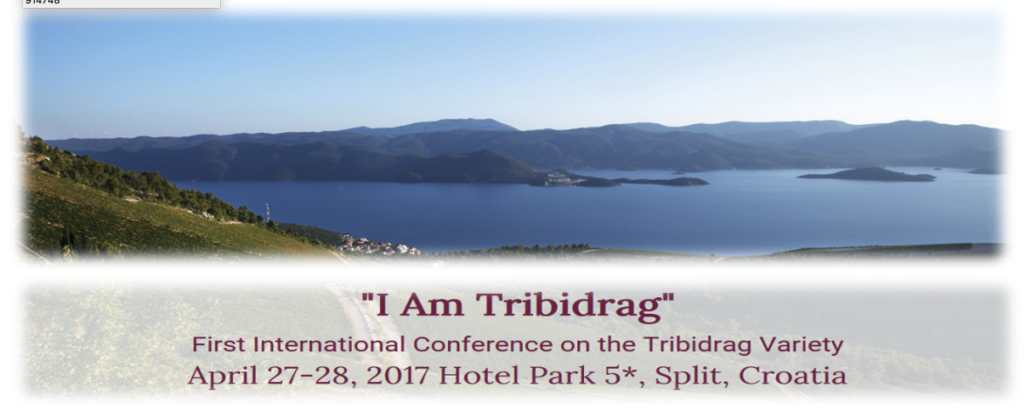
Today, we will explore a grape that is grown in small quantities in our country and the exquisite wines it produces. California is undoubtedly aware of how lucky it is to have such a grape, but our story begins in the 14th century—on the Adriatic coast.
The island of Tribidrag, located just off the coast of Split, Croatia, is the homeland of the Zinfandel grape—also known by its original name, Crljenak Kaštelanski (Red Grape from Kaštela) or Croatian Tribidrag.
Two of the biggest mysteries in the wine world could easily be: “How did Zinfandel make its way to California, and how did it get its name?” DNA fingerprinting analyses conducted at UC Davis (University of California, Davis) have confirmed that Zinfandel, Croatian Tribidrag, and Italian Primitivo are genetically identical.
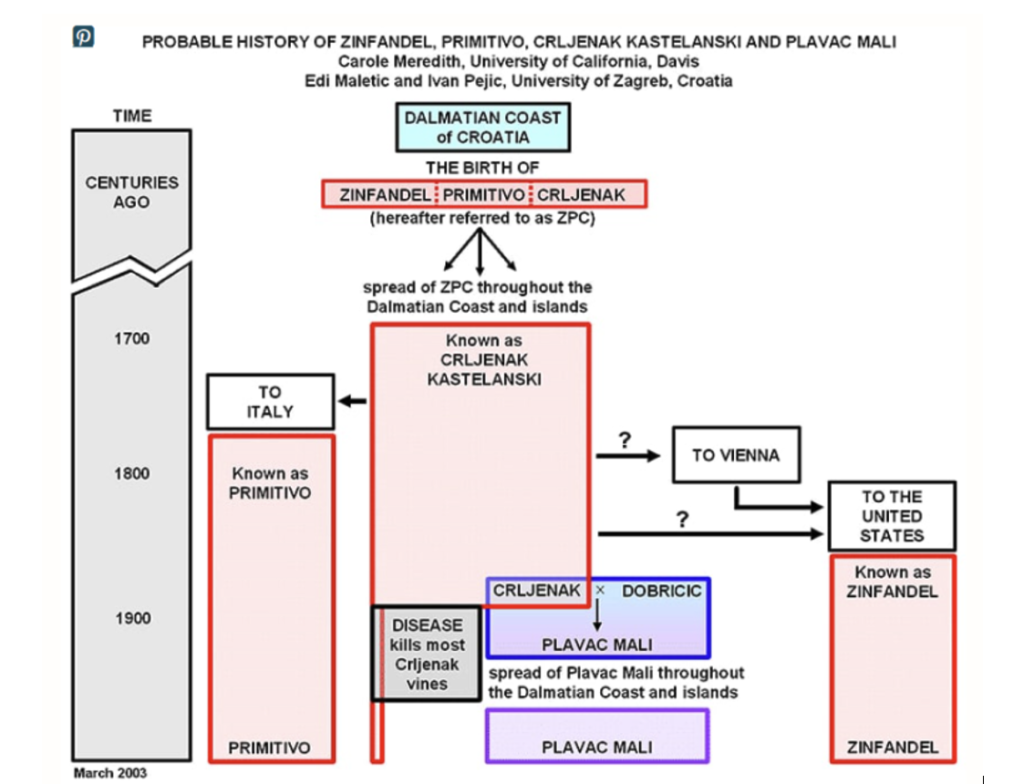
The story of Zinfandel’s journey to America began in the late 1820s when cuttings were brought in a suitcase from the Austrian Imperial Vine Collection and planted in nurseries on Long Island and New York. These vines eventually made their way to California during the Gold Rush era of the 1840s, when many settlers moved westward. It is believed that the name Zinfandel also originates from the Austrian Empire (Tzinifándli).tzinifándli) düşünülmektedir. 1857’de Kuzey Amerika’da Kuzey Napa’daki Oak Knoll bağında ilk defa şarap yapımı için kullanıldı. Bu hikâye UC Davis ve Zagrep Üniversitesinden araştırmacıların aşağıdaki çalışmasında özetlenmektedir.
The first recorded Zinfandel wine was produced in 1857 at the Oak Knoll vineyard in Northern Napa, California. This journey has been documented by researchers from UC Davis and the University of Zagreb.
Meanwhile, Zinfandel’s twin, Primitivo, has been cultivated in the Puglia region of Italy for centuries. With approximately 50,000 acres of Zinfandel vineyards in California, Puglia ranks second in the world with around 20,000 acres dedicated to Primitivo cultivation.
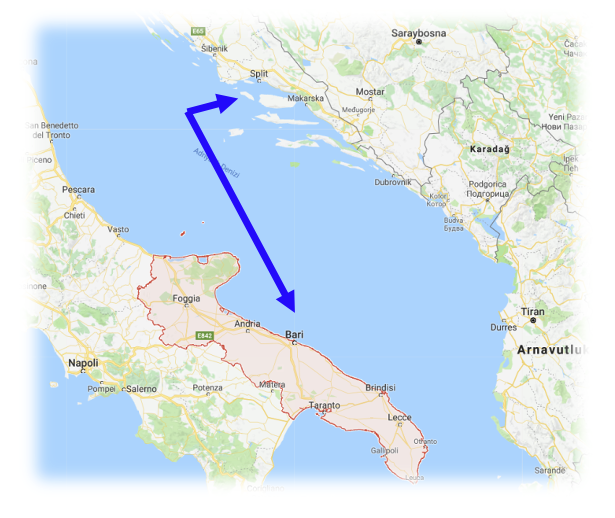
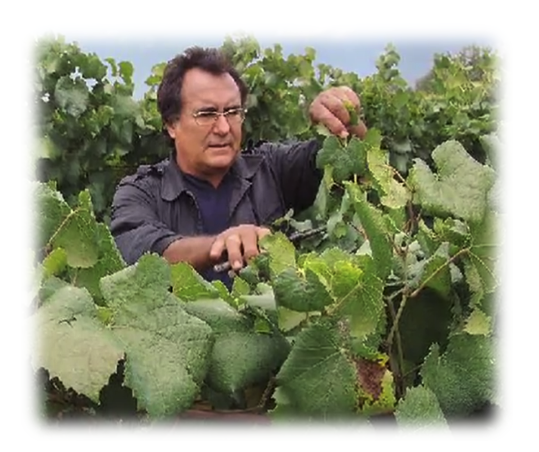
Puglia, located in the heel of Italy’s boot, is home to Bari, its capital, and Lecce, another major tourist destination. When looking at the map, it’s easy to see how the grape traveled from Croatia to Puglia.Puglia is also home to many famous wineries and vineyard estates, including that of renowned Italian tenor Albano Carrisi. His “Tenute Al Bano” estate in Cellino San Marco serves as a wine retreat and resort.’Tenute AlBano’’ adlı tatil köyüne ve şarap bağlarına da ev sahipliği yapması.
Listening to Al Bano’s unforgettable songs like “Nel Sole,” “Bianca di Luna,” or his duets with Romina Power (“Felicità” and “Libertà”) while sipping a glass of Primitivo could easily become the highlight of your day! https://tr.hotels.com/ho403520/tenute-al-bano-cellino-san-marco-italya
America’s Zinfandel Craze
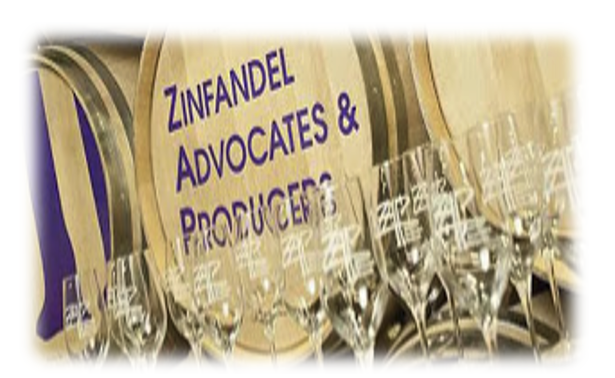
For Americans, Zinfandel is almost a national grape—it has been embraced to such an extent that they have even formed a non-profit association called Zinfandel Advocates and Producers (ZAP).
Affectionately referred to as “ZIN”, this grape has thousands of fans who come together every year in San Francisco for Zinfandel tasting festivals. ZAP also organizes seminars and educational programs to promote Zinfandel.
Characteristics of the Zinfandel Grape
Among all wine grape varieties, Zinfandel has some of the largest berries, but it ripens inconsistently. On the same cluster, some berries can be large and fully mature, while others remain small and underdeveloped.
Sonoma winemakers have even given this phenomenon a name: “Hens and Chicks.”
At harvest, it is common to find some dried-out berries and some that are still underripe, which, rather than being a drawback, can actually enhance the wine’s complexity—adding acidity from the underripe berries and a subtle sweetness from the dried ones.
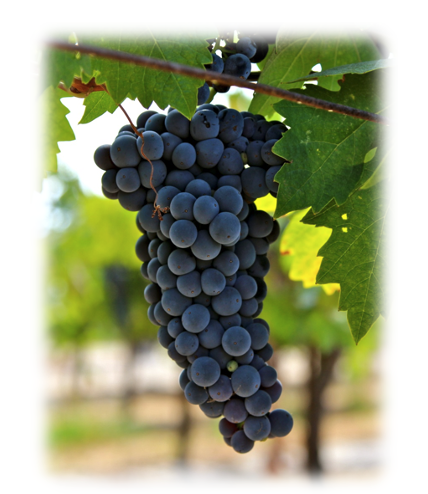
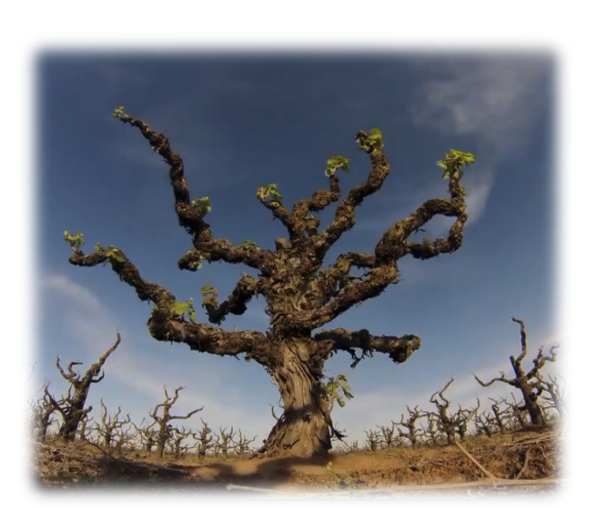
Zinfandel is a grape that produces full-bodied, high-acidity, medium-soft tannin wines dominated by intense fruit aromas. Like the Grenache (Garnacha) grape, it can also have a high alcohol content, with some wines reaching 17% ABV.
Its fruit aromas include raspberry, cherry, blackberry, blueberry, black currant, black plum, fig, apricot, and cranberry. Additionally, anise, licorice, black pepper, and smoky notes are among the detectable flavors.
The best Zinfandel-producing subregions in California include:
• Napa Valley
• Lodi
• Dry Creek Valley (Sonoma)
• Russian River Valley (Sonoma)
While Zinfandel is often produced as a single-varietal (monovarietal) wine, it is sometimes blended with Cabernet Sauvignon, Merlot, and Shiraz.
A Bit About Puglia
Puglia (known as Apulia in English-speaking countries) is a wine region in the southernmost part of Italy, home to Primitivo, Sangiovese, Negroamaro, and Trebbiano grapes.
It is also one of Italy’s most important olive oil-producing regions, accounting for half of the country’s total production. Today, Puglia is home to over 30 DOC appellations and 6 IGT/IGP-designated wineries.
The primary regions for Primitivo cultivation are Manduria and Gioia del Colle—you’ll frequently see these names on wine labels.As wine lovers, you already know how to choose the perfect bottle, so I won’t guide you in that regard. However, if you ever find yourself in Puglia, don’t miss the opportunity to enjoy a glass of Primitivo while gazing at Domenico Modugno’s statue in Polignano a Mare, or sip a Negroamaro in Alberobello while admiring the famous Trulli houses—an experience that will elevate your enjoyment to the fullest.
Food Pairings
Zinfandel pairs exceptionally well with: • Barbecue meats (especially lamb) • Cheddar & goat cheese • Roasted tomatoes & red peppers📌 Serving Temperature: 17ºC (62.5ºF)
Until we meet again with another fascinating grape variety!
M.Vedat EĞİLMEZ