Karolenj hanedanlığından bu yana ayakta duran eski bir manastır mirası, şarap dünyasının en asil ve en uzun kesintisiz üretim serüvenini simgeler. 862 yılında Benedikt rahipleri tarafından kurulan Stavelot Manastırı’nın sakinlerinin şarap üretmeye yaklaşık 1000 yılı civarında başladıkları tahmin ediliyor. Bu tarihin ne anlama geldiğini anlamak için kısa bir tarih yolculuğu yapmaya ne dersiniz?
Mosel’in Sarp Yamaçları: Mika/Şeyl Teruarının Termal Gücü
Staffelter Hof’un tam 1180 yılı aşkın süredir Kröv köyünde, Mosel Nehri’nin o sarp ve dramatik virajlarında hayatta kalmasını sağlayan yegâne enolojik mucize, bölgenin benzersiz mika ve şeyl (slate) toprak yapısında saklıdır. Mosel’in neredeyse dik açıyla gökyüzüne tırmanan o meşhur sarp bağ yamaçları, güneş ışınlarını dik açıyla toplarken, toprağın üzerini kaplayan bu koyu renkli taş katmanları, gün boyunca emdikleri ısıyı gece boyunca asmaların köklerine geri yansıtır. Mosel Nehri ise devasa bir ayna vazifesi görerek güneş ışınlarını yamaçlara doğru ikiye katlar. Bu doğal termal regülasyon, kuzey enlemlerindeki bu serin iklimde Riesling asmalarının fenolik olarak kusursuzca olgunlaşmasını sağlarken, şaraba o meşhur dikey asiditeyi, çelik gibi keskin mineral dokuyu ve adeta zamanı donduran o muazzam yıllanma potansiyelini hediye eder.
Klasikten Avangarda: Jan Matthias Klein ve Natürel Devrim
Bugün Staffelter Hof, yalnızca görkemli tarihiyle övünen statik bir müze kuruluşu değildir; aksine, yedinci kuşak zanaatkar enolog Jan Matthias Klein liderliğinde, Mosel’in o en muhafazakâr kalbinde dikey bir “natürel şarap” devrimi yürütmektedir. Şaraphane 2011 yılından bu yana ekolojik ve biyodinamik tarım pratiklerini benimseyerek, kimyasal gübre ve pestisitleri bağlarından tamamen temizlemiştir. Mahzende ise, endüstriyel durultma ajanlarını, filtrasyon mekanizmalarını ve her şeyden önemlisi sülfit (kükürt) takviyelerini tamamen dışlayan, gücünü sadece yerel yabani mayalardan alan avangart, filtrelenmemiş, canlı ve sıra dışı “doğal” stiller (Pet-Nat’lar, turuncu şaraplar) tasarlanmaktadır. Dünyanın en eski aktif şaraphanesi, bugün geçmişin o asil manastır geleneklerini geleceğin ekolojik ve müdahalesiz enoloji felsefesiyle birleştirerek küresel natürel şarap sahnesinin en parıltılı öncülerinden biri olarak parlamaktadır.
1000 yıl öncesine baktığımızda Selçuklu Devleti’nin daha yeni yeni tarih sahnesine çıktığını görüyoruz. Osmanlıların ortaya çıkmasına daha üç yüz yıl var. Avrupa kıtasının büyük bir bölümünü Şarlman yönetiyor. Vikinglerin Atlantik Okyanusu’nu aşma girişimleri daha henüz başlıyor.
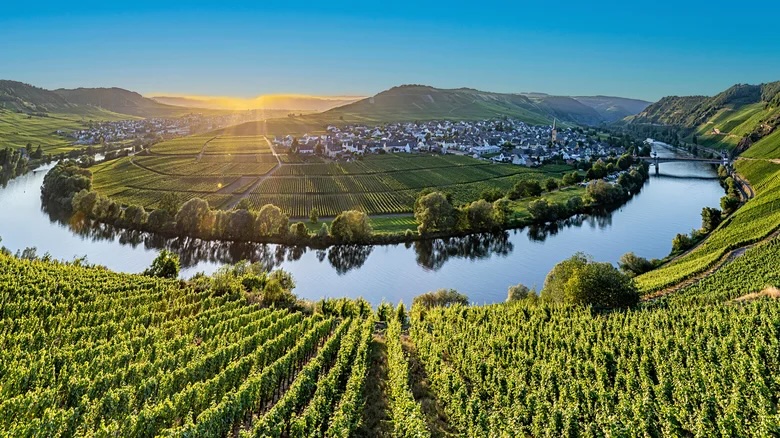
Manastırın bulunduğu bölgede zaten şarap yapıldığı bilindiği için dönemin valisi, bölgenin akarsuyu olan Mosel Irmağı kıyısındaki bağlık alanı manastıra tahsis ediyor ve sistematik şarap üretimi de başlamış oluyor. Yüzyıllar boyunca devam eden bu düzen Fransız Devrimi’nin gerçekleşmesiyle kesintiye uğruyor ve bağlar ve şaraphane devlet kontrolüne geçiyor. 1805 yılında Peter Schneider bağları satın aldı. Schneider’in torunları şarapçılığı sürdürmüşler. Sülalenin yedinci nesil üyesi Jan Matthias Klein’ın şaraphanenin başına geçmesiyle radikal bir değişim yaşanır ve üretim yönteminde köklere dönülmeye karar verilir. Yani, şarap üretiminde katkı maddelerinin eklenmesine son verilir.
Klein’in natürel şaraplara olan ilgisi farklı kıtalardaki şaraphanelerde çalıştığı dönemlerin kendisine armağanı. Bu deneyim ve gözlemlerinin sonucu olarak attığı ilk adım, bağların organik kimliğe dönüştürülmesi. Mosel Vadisi’ndeki dik alanların bu konsepte uygun olduğunu fark eden Klein, kendisi gibi düşünen şaraphane işletmecilerinin yer aldığı bir konsorsiyuma dahil olur. Sertifika süreçlerinin tamamlanmasından sonra şaraphane vahşi mayayla üretilen, kükürt kullanılmayan, filtreleme yapılmayan natürel şaraplar üreten bir kimliğe bürünür. Ürettikleri şaraplar arasında köpüklü şaraplar, Ice Wine ve fortifiye (likör) şaraplar gibi stillere yer veriyorlar.
Şaraphaneye hayat veren Stavelot Manastırı, artık bir müze ve kültür merkezi olarak görev yapıyor. Klein ailesinin bir önceki kuşağı 1962 yılında tesisin bulunduğu yere iki odalı küçük bir konuk evi eklemiş. Geçen zaman içinde oda sayısını yediye çıkarmışlar. Yıl boyunca bulundukları bölgenin hem gastronomik hem turistik özelliklerini işleyen etkinliklerle yoğun bir program geliştirmişler, üretimlerine paralel olarak. Seyahat etmeyi seven, tercihleri bağlar arasındaki tesisler olan, natürel şaraba gönül veren şarap severler için ilginç bir deneyim olabilir.
Staffelter Hof’un o sıkı mika gözeneklerinden süzülen bin yıllık asil miras, Karolenj manastır gelenekleri ve Jan Matthias’ın o kural tanımaz natürel şarap felsefesi ilginizi çekiyorsa, blogumuzdaki diğer nitelikli teknik ve tarihsel araştırmalarımıza da göz atabilirsiniz:
Staffelter Hof’un mahzeninde uygulanan ve endüstriyel girdileri, sentetik kimyasalları tamamen reddeden o avangart sıfır müdahale felsefesini WAYANA mahzeninde nasıl yaşattığımızı görmek ve güncellenmiş kartımızı incelemek için WAYANA Natürel Şaraplar Menüsünü Güncelledik! kurumsal yazımızı ziyaret edebilirsiniz.
Antik manastır mahzenlerinden çok daha geriye, asmanın kökenlerini Kretase Dönemi’nin o devasa sürüngenler dünyasına kadar taşıyan o büyüleyici paleobotanik fosil tohum keşiflerini ve evrimsel ekolojiyi incelemek için Dinozorlar ve Asmalar: Asma Familyasının Evrimsel Kökenleri paleobotanik çalışmamızı inceleyebilirsiniz.
Yeryüzünde bin yılı aşkın süredir ayakta duran bu asil şaraphane gibi, antik çağlardan bu yana neredeyse hiç değişmeden günümüze ulaşan o en eski zanaatkar üretim metodolojilerini; insan tabanının o narin enolojik yumuşaklığını ve mekanik basınca karşı çekirdek koruma sırlarını keşfetmek için Üzümün Ayakla Ezilmesi: İlkellik mi, Kalite mi? mekanik kimya manifestomuzu inceleyebilirsiniz.
Şarabın oksijene karşı zamana meydan okumasını sağlamak ve onu sirkeleşmekten korumak adına cam şişelerden ve mantarlardan binlerce yıl önce kullanılan o antik killi amforaların görkemli tarihsel yükselişini okumak için Şarabın Oksijenle İmtihanı: Amforanın 1000 Yıl Süren Saltanatı arkeo-enoloji yazımıza bakabilirsiniz.