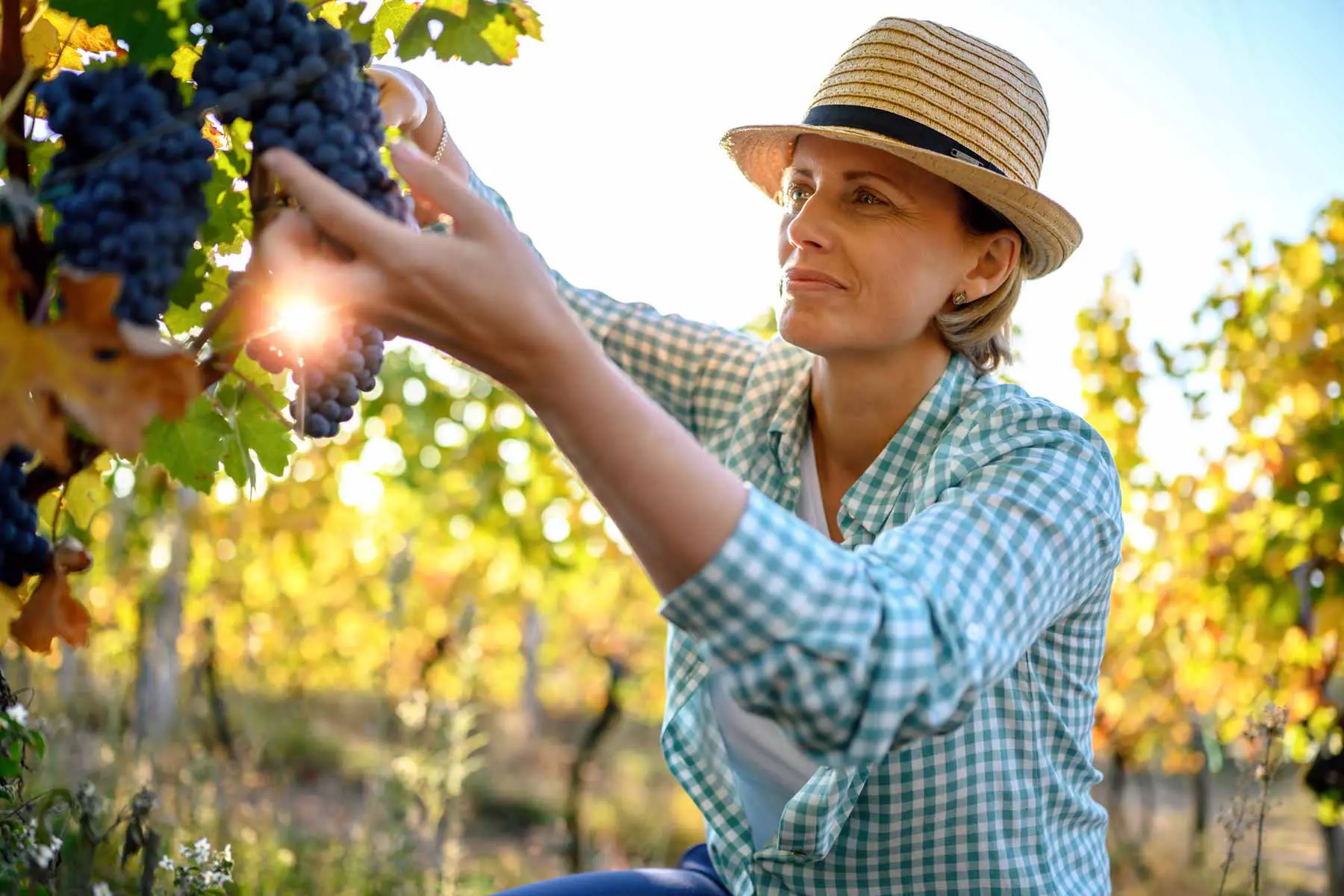
There is no need to emphasize the importance of meticulously managing every step of a wine’s journey, which begins in the vineyard. From the very start, decisions regarding soil structure, grape variety selection, and vine planting set the course for this long and delicate process. Every choice made along the way serves a single purpose: to create an exceptional product.
After successfully navigating all previous stages, even a small mistake during bottling can jeopardize this effort, potentially diminishing the wine’s quality and aging potential. For this reason, we have dedicated this article to the technology used in the bottling process. We have compiled an overview of the different solutions, how they diverge from one another, and which methods are preferred at different production scales for those interested in this crucial aspect of winemaking.
Şişe: Kısa Tarihçe
Şarapların şişelerde saklanması, şarap tarihinin uzunluğuna bakacak olursak, çok eski değil. Her ne kadar camın ortaya çıkışı Fenikeliler dönemine kadar uzansa da, ticari kimlik kazanması Venedikliler zamanında mümkün oluyor. Bugünkü anlamda dayanıklı şarap şişeleri ilk kez 1600’lerde İngiltere’de ortaya çıkıyor.
By the 1700s, bottle shapes similar to those widely used today became common. The introduction of cork closures during this period made it possible to produce long-aging wines. In the 1900s, industrial glass production led to the standardization of wine bottles, making them more uniform and accessible for widespread use.
Şişe Temizliği Kilit Unsur
Şarabın son aşaması olan şişeleme öncesindeki ilk ve hayati işlem hijyendir. Şişelerin dolum öncesinde kusursuz bir biçimde temizlenmesi gerekiyor.
Şarabın organik, dolayısıyla canlı bir sıvı olduğunu hatırlayalım. Bu sıvıda yer almasına göz yumduğumuz kimi mikroorganizmalar şarabın üretimindeki bütün emeğin yok olmasına sebep olabiliyor. Bunun için dolum öncesinde sterilizasyon işin olmazsa olmazı. Önce işin biraz teknik kısmına göz atalım.
Çözünmüş Oksijen Yönetimi ve İnert Gaz Battaniyesi
Şişeleme hattındaki en büyük enolojik tehdit, sıvının atmosferik havayla temas etmesi sonucu meydana gelen kontrolsüz oksijen transferidir. Şişeleme esnasında şaraba sızan “Çözünmüş Oksijen”, asmadaki o taze meyve aromalarının hızla körelmesine, şarabın renginin kahverengiye dönmesine ve erken yaşlanmasına neden olur. Bu krizi önlemek adına modern tesislerde “İnert Gaz Battaniyesi” tekniği uygulanır. Şarap şişeye dolmadan milisaniyeler önce, boş camın içine azot ($N_2$) veya argon ($Ar$) gibi koruyucu gazlar basılarak içerideki hava tamamen tahliye edilir. Dolum tamamlandığında ise mantar basılmadan hemen önce şişe boynundaki o kritik boşluğa yeniden inert gaz enjekte edilir. Oksijensiz bir sığınak yaratmak, mahzenin asırlık potansiyelini şişenin içinde kilitlemenin yegâne formülüdür.
Mikrobiyolojik Stabilizasyon ve Steril Membran Filtrasyonu
Şişeleme aşaması, şarabın dış dünyaya ve bakteriyel risklere açık olduğu son köprüdür. Eğer sıvı içinde mikroskobik düzeyde bile canlı maya veya asetik asit bakterisi kalırsa, bu mikroorganizmalar şişenin içinde yeniden fermantasyonu başlatarak tortu oluşumuna, gazlanmaya ve şarabın sirkeleşmesine yol açar. Bu riski bertaraf etmek için şişeleme monoblok hattına giren şarap, 0.45 mikron gözenek çapına sahip “Steril Membran Filtrelerden” geçirilir. Bu hassas mekanik bariyer, şarabın gövdesini ve rengini oluşturan o asil makromoleküllere zarar vermeden, potansiyel tüm zararlı mikroorganizmaları fiziksel olarak hapseder. Filtrasyonun ardından mantarlama makinesinin çenelerinden şişeleme odasının hava sirkülasyonuna kadar tüm hat, yüksek sıcaklıkta buharla (SIP – Sterilization in Place) tamamen sterilize edilir. Teknik kusursuzluk, duyusal kusursuzluğun tek teminatıdır.
Şişe Dolum Teknolojileri
After bottle cleaning, the next step is filling, where technological choices come into play. For large-scale wine production, there are two primary filling methods:
- Seri üretim yapan işletmelerin şarap dolumunda tercih edebilecekleri iki yöntemden birisi havasız ortamda dolum yapılmasıdır; böylelikle oksijen temasının önlenmesi;
- İkinci yöntem önce azot veya argon gazıyla doldurulan şişeye, daha sonra şarabı doldurarak şarapla gazın yer değiştirmesi ve oksijen temasının önlenmesi.
In the first method, vacuum (oxygen-free) filling, when the bottle is placed into the filling machine, the vacuum system activates, extracting the air inside the bottle through a vacuum pump. Once the air is completely removed, wine is introduced into the bottle, ensuring that no air bubbles remain inside. şişe dolum makinesine yerleştirildiğinde vakum sistemi çalışmaya başlar ve şişenin içindeki hava vakum pompası tarafından emilerek dışarıya atılır. Havası alınan şişeye şarap doldurulduğu için içeride hiç hava kabarcığı kalmaz. Oksijen teması olmayacağı için şarabın oksidasyon riski minimum olur. Bu yöntemi premium şarap üreticileri tercih eder.
İkinci yöntem, dolumun inert gaz dediğimiz azot veya argonla yapılmasıdır. Bu işlemde şişe dolum makinesine yerleştirilmeden önce içine gaz püskürtülür. Bu gazlar şişe içindeki oksijeni dışarıya iter. Yalıtılmış bir haznenin içinde havayla temas olmadan şarabın gazla dolu şişeye dolumu yapılır. Böylece oksijen temasının en aza inmesi sağlanır. Kapak veya mantar yerleştirilmeden hemen önce son kez gaz püskürtülerek son oksijenin de uzaklaşması sağlanır.
WAYANA’dan kısa bir hatırlatma
Nitrogen (N₂) and argon (Ar) gases do not react with oxygen, Böylece şişelerdeki şarabın uzun süre korunması mümkün olur. Argon gazı, azottan daha ağırdır; bu nedenle oksijen girişini engellemede daha da etkilidir. Biliyorsunuz WAYANA’nın en önemli özelliklerinden birisi bütün şaraplarımızı kadehle servis etmemiz. Kadehle servis ederken kullandığımız gaz argondur. Argon gazı sayesinde şişenin mantarını çıkarmadan içinden şarabı kadehe almamız ve eş zamanlı olarak boşalan yere gaz basmamız, şişede kalan şarabın oksijenle temasını önler.
Yani, argon gazı kullanan dolum sistemleriyle bizim kullandığımız araçlar yakın akraba
Şişeleme monoblok hattında inert gaz enjeksiyonu ve membran filtrasyon mekanizmalarıyla şekillenen bu koruyucu enoloji disiplini ilginizi çekiyorsa, blogumuzdaki diğer nitelikli teknik araştırmalarımıza da göz atabilirsiniz:
Şişeleme aşamasında oksijeni dışarıda bırakma mücadelesinin bir adım sonrasında; kadehteki aromaları korumak adına market raflarındaki o tehlikeli floresan lambaların ultraviyole dalga boylarına karşı yürütülen spektral savaşı okumak için Işık Çarpması ve Şeffaf Şişeler: Kaliteli Şarap Nasıl Bozuluyor? koruyucu ambalaj kılavuzumuzu ziyaret edebilirsiniz.
Şişelenen şarapların karadaki tüm klasik kav, ambalaj koruması ve sabit sıcaklık kurallarını tamamen geride bırakarak, denizin derinliklerindeki o mutlak karanlığa, basınca ve okyanus gelgitlerinin ritmine teslim edildiği su altı mahzenlerini keşfetmek için Deniz Dibinde Şarap Yıllandırma: Su Altı Mahzenleri çalışmamıza göz atabilirsiniz.
Şişeleme aşamasında şarabın yapısını korumak adına harcanan endüstriyel çabaların aksine; fıçı mahzenlerinde klasik müzik yayını yaparak ses frekanslarının yarattığı kinetik enerjiyle maya otolizini hızlandıran fütüristik yaklaşımları okumak için Şarap Üretiminde Müziğe Yer Var Mı? Fıçı Mahzeninde Akustik Kimya avangart enoloji yazımıza bakabilirsiniz.
Bağ bozumu zamanlamasını milimetrik yöneterek alkol oranlarını kontrol altında tutmanın ve şişeleme öncesinde damakta asidite ile kuru madde özütünü harmanlayabilmenin o modern formüllerini incelemek için Erken Hasat ve Gövdeli Şarap Mümkün Mü? Enoloji Çözümleri bilimsel analizimizi inceleyebilirsiniz.