Modern şarapçılık dünyasında fermantasyon ve olgunlaştırma süreçlerini yeniden şekillendiren fütüristik bir küre tasarımı, mahzen mimarisinde geometrinin gücünü öne çıkarıyor. Şarap, tarihsel köklerinden ve gelenekselliğinden güç alan bir dünyadır. Bu nedenle, ona dair her yenilik, kolay kolay kabul görmez. Yeni özellikleriyle öne çıkan, farklılık iddiası taşıyan çözümlerle karşılaşmak bu sektörde pek sık yaşanmaz.
Take, for instance, the recent rise of non-alcoholic wines. With their bold redefinition of what wine is, they’ve sparked lively debates across the wine world.
But today, we’re not talking about what’s in the wine— We’re talking about what it’s made in. Let us introduce you to one of the most curious newcomers in winemaking: Wine Globes — the transparent vessels challenging centuries of convention.
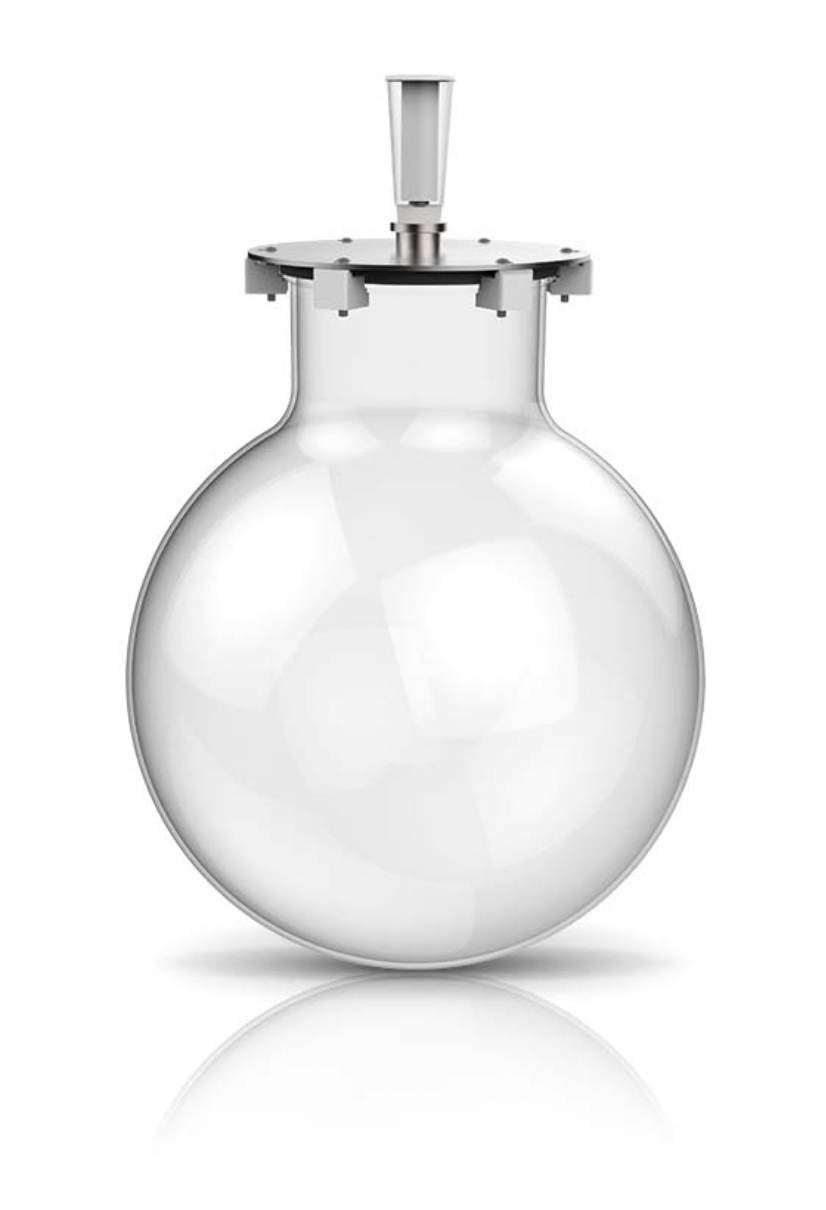
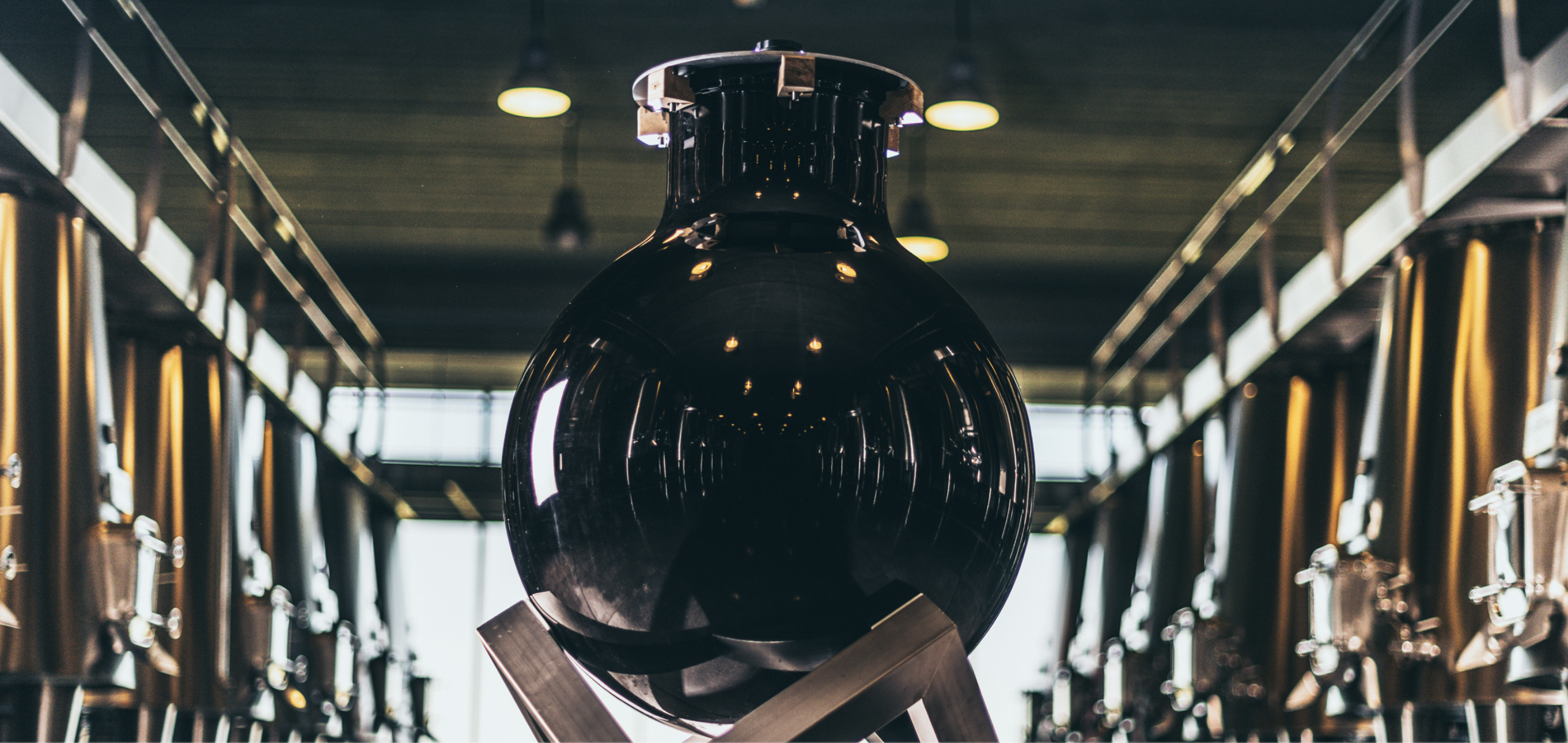
Wine globes, or glass globes as they’re often called, are large, round vessels made of neutral glass. Winemakers use them to ferment and age wine without altering its aromatic character. Because glass is chemically inert, it leaves the wine untouched—no flavor, no influence, just pure reflection.
But how do these transparent globes compare to oak barrels, stainless steel tanks, or clay amphorae? Let’s take a quick look at how various fermentation and aging vessels stack up:
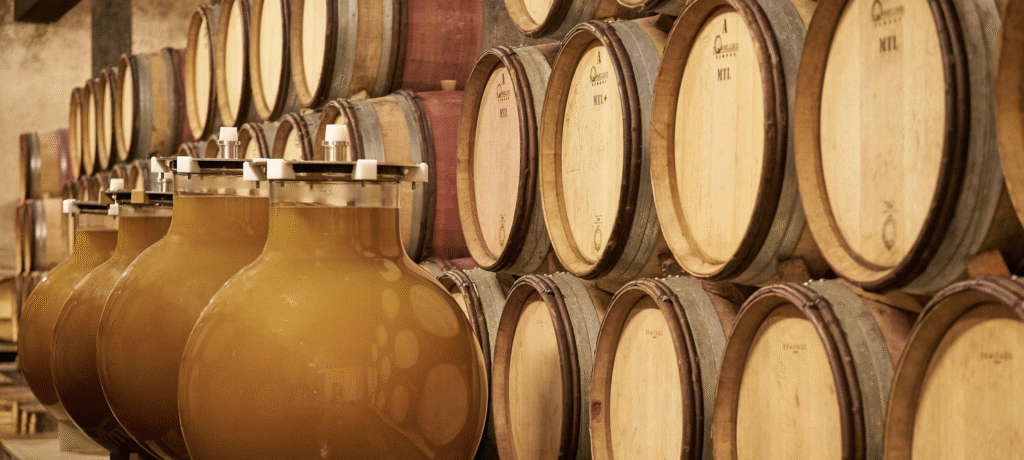
Meşe Fıçı
+Enhance aroma complexity
+Mikrooksijenizasyonla şarabın yumuşamasına katkıda bulunur.
–Imposes its own identity—alters the wine’s native character
–Yılda yıla değeri kayba uğrar; pahalı bir çözümdür.
Paslanmaz Çelik Tank
+Hygienic, economical, and easy to control
+Great for preserving acidity and fruit
–Adds nothing—no character, no soul
–Soğuk bir yapıda, yani ruhsuzdur.
Amfora
+Nefes alabilen geleneksel yapıları şarabı yumuşatır.
+May impart a sense of minerality
–Yapısı gözeneklidir; hijyeni sağlamak zordur.
–Kırılgandır; maliyeti yüksek olabilir.
Cam Küre
+Nötr yapıdadır; üzümü aynen yansıtır.
+Oksijen teması neredeyse yoktur; tazeliği korur.
+Şeffaflık gözlem yapmayı kolaylaştırır.
–Isı kontrolü daha zordur.
–Fragile and requires delicate handling
Kusursuz Geometri: Konveksiyon Akımları ve Küre
Şarap kürelerinin ve beton yumurtaların mahzen mimarisinde yarattığı devrimin arkasında yalnızca estetik bir tercih değil, tamamen fiziksel ve hidrodinamik yasalar yatar. Geleneksel silindirik paslanmaz çelik tanklarda veya köşeli kaplarda, fermantasyon sırasında açığa çıkan ısı ve gazlar köşelerde durgun alanlar yaratır. Ancak kusursuz küresel veya yumurta formundaki bir kapta, sıvının içindeki sıcaklık farkları doğal konveksiyon akımlarını (dairesel iç hareketleri) tetikler. Bu sürekli ve mikro düzeydeki döngüsel hareket, “bâtonnage” (tortu karıştırma) işlemine gerek bırakmaksızın, ölü maya hücrelerini, yani tortuyu (lees) sürekli havada asılı tutar. Maya otoliziyle açığa çıkan manoproteinler şarabın tanen molekülleriyle bütünleşerek kadehe sıra dışı bir ipeksilik, gövde zenginliği ve damakta uzun süren kremsi bir doku armağan eder.
Mahzen Teknolojisi Üzerine: Kürenin Geleceği
Bar tezgahında bu fütüristik küreler ve beton tanklar üzerine konuşurken, konuklarımızdan biri o can alıcı soruyu sordu: “Meşe fıçıların bin yıllık o aromatik büyüleyiciliğini, vanilya ve baharat dokunuşlarını bu soğuk beton veya seramik küreler gerçekten ikame edebilir mi?”
Bu soru, modern şarapçılıkta “meyve saflığı” (fruit purity) ile “ahşap etkisi” arasındaki o büyük felsefi ayrımın tam merkezine oturuyor. Şarap küreleri ve beton yumurtalar, meşe fıçıların aksine, şaraba dışarıdan üçüncül aromalar (vanilya, hindistan cevizi, tütün) enjekte etmez. Ancak seramiğin veya nefes alabilir özel beton blokların gözenekli yapısı, tıpkı meşe gibi şarabın dışarıdan kontrollü bir şekilde mikrooksijenasyon almasını sağlar. Sonuç; ahşap aromalarıyla maskelenmemiş, üzümün yetiştiği toprağın teruar imzasını (mineralitesini, asiditesini ve saf meyve karakterini) en çıplak haliyle yansıtan, ama paslanmaz çelik kadar da köşeli ve hırçın olmayan, olgun ve dengeli şaraplardır. Küreler fıçının yerini almıyor; üzümün kendi öz sesini kadehe taşıyan üçüncü bir yol açıyor.
Hangi şaraplarda kullanımı önerilir?
Kürelerin özelliklerinin başında nötr yapıları geliyor. Özellikle natürel şarap üretiminde benimsenen ‘üzüme ve şaraba minimum müdahale’ yaklaşımı, şarap kürelerinde tam karşılık buluyor. Ayrıca kullanan üreticiler, aromatik beyazların ve hafif gövdeli kırmızıların da şarap küreleriyle çok iyi sonuç verdiğini dile getiriyorlar.
Nasıl ortaya çıktı?
Şarap kürelerini geliştiren, aynı zamanda kendileri de üretici olan Paetzold ailesi. İlk kez 2010’lu yıllarda (şarap dünyası için bebek demek) ortaya çıkan Şarap Küreleri önce küçük üreticiler arasında kendisine yer edindi. Amforaların etkilerini şaraplarında görmek istemeyen üreticiler arasında da yaygınlaşmaya başladı.
Kimler kullanıyor? Hacimleri ne?
Today, about 500 producers worldwide have incorporated wine globes into their winemaking. They come in various sizes—from 25 liters to 400 liters, with 220 liters being the most popular. (Interestingly, this is nearly identical to the standard 225-liter oak barrel.)
Ülkemizde kullanan var mı?
Yes. At least one producer we know of in Turkey has made wine globes an essential part of their process: VASBOS Wines, based in Assos. Their Grenache, which we proudly serve at WAYANA, was born inside a wine globe.
Keep that in mind when you visit.
Kusursuz geometrinin gücüyle mahzen teknolojisini yeniden şekillendiren bu fütüristik küreler, mikro-oksijenasyon süreçleri ve şarabın yapısal evrimi ilginizi çekiyorsa, blogumuzdaki diğer nitelikli teknik araştırmalarımıza da göz atabilirsiniz:
Kürelerin şaraba dışarıdan aroma katmadan nefes aldırma felsefesinin tam aksine; geleneksel meşe fıçıların iç yüzeylerine uygulanan o gölgede kalmış fırınlanma derecelerinin şarabın kimyasına kattığı aromatik zenginliği okumak için Fıçıların Gölgede Kalan Boyutu: Toasting teknik monografimizi inceleyebilirsiniz.
Modern kürelerin ve fütüristik beton yumurtaların aksine; Kapadokya Güzelyurt’ta toprağa gömülü antik amforalar ve geleneksel küpler içinde vahşi mayalarla hayat bulan o en çıplak doğal şarapçılık ekolünü görmek için Gelveri VIII. Dionysos Sempozyumu ve Amfora Şarapçılığı saha analizimize göz atabilirsiniz.
Şarap dünyasındaki bu teknolojik arayışları, mekanik müdahaleleri ve mahzen kurgularını; toprak, mikroklima ve topoğrafya gibi tüm doğal parametrelerle bir araya getirip rasyonel bir matematiksel denklemle formüle ettiğimiz başyapıtımız için Teruar Nedir? Matematiksel Bir Formülle Açıklanabilir mi? yazımızı ziyaret edebilirsiniz.
Küresel ölçekte gelişen bu yeni nesil mahzen teknolojilerinin ve değişen üretici vizyonlarının, modern dünyada alkol oranlarını düşürme veya tüketici alışkanlıklarını baştan yaratma süreçlerine olan yansımalarını okumak için Tüketici Eğilimlerindeki Değişikliklerและ Alkolsüz Şarap kriz analizimize bakabilirsiniz.