Anadolu topraklarında yüksek rakım bağcılığının ve mikroklimatik zenginliklerin izini sürerken, her coğrafi bölge yapısının asma köklerine apayrı bir karakter üflediğini görürüz. Nisan ayları, önceki aylarda uyanan tabiatın etrafımızdaki bitki örtüsünü gözle görünür bir biçimde yeşil ağırlıklı tonlara büründürdüğü, yaşama sevincimizin kendiliğinden yükseldiği zamanlardır. En azından bu satırları kaleme alan bendeki yansıması böyle olur.
It’s also a season that brings a special kind of energy to the world of wine. Spring is the perfect time to visit vineyards and producers. And in April 2025, one of those journeys took us to the highlands of Antalya—specifically to the town of Elmalı, home to Likya Winery.
Bu yazı dizisini iki bölüm halinde düzenledik. İkinci yazıyı buradan okuyabilirsiniz.
Likya is a name that has graced our menus since 2015—first at BEPPE, and then continuously at WAYANA. This time, we visited them at the source. And we’re glad we did.
Toroslar’ın Eteğinde Yüksek Rakım Bağcılığı ve Elmalı Bölge Yapısı
Likya Winery planted its first vines back in the 1990s, and today the Özkan family’s story perfectly reflects the familiar wine-world narrative of “a family devoted to the land.”
Led by elder brother Burak Özkan and joined by his brother Doruk, the family pursued a vision:
to offer the millions of visitors who come to Antalya wines made from the region’s very own terroir.
A Closer Look at Elmalı
Elmalı is located in the Antalya province, northwest of the city center, sitting at around 1,100 meters above sea level. For locals, it represents the traditional Turkish practice of escaping the heat by “heading to the highlands” during the summer months. While our visit focused on vineyards and wine, one can’t help but notice the greenhouses dominating the landscape. Elmalı is one of Turkey’s largest tomato producers.
The town is also home to the Elmalı Hoard—a priceless collection of ancient silver coins unearthed during illegal excavations in 1984. Once smuggled abroad, the hoard was eventually returned to Turkey after years of legal effort, and now resides in Antalya’s museum collections.
The Scale That Never Froze
Teruvarın bileşenlerinden birisi elbette toprak yapısı. Asma bitkisinin çok önemli bir özelliği var. Mücadeleci kimliğiyle çok verimli topraklarının peşinden koşan değil, köklerinin derine ulaşmasına izin veren, meyvelerini de, hayat bulduğu toprağın sunduklarına göre şekillendiren bir yapıya sahip.
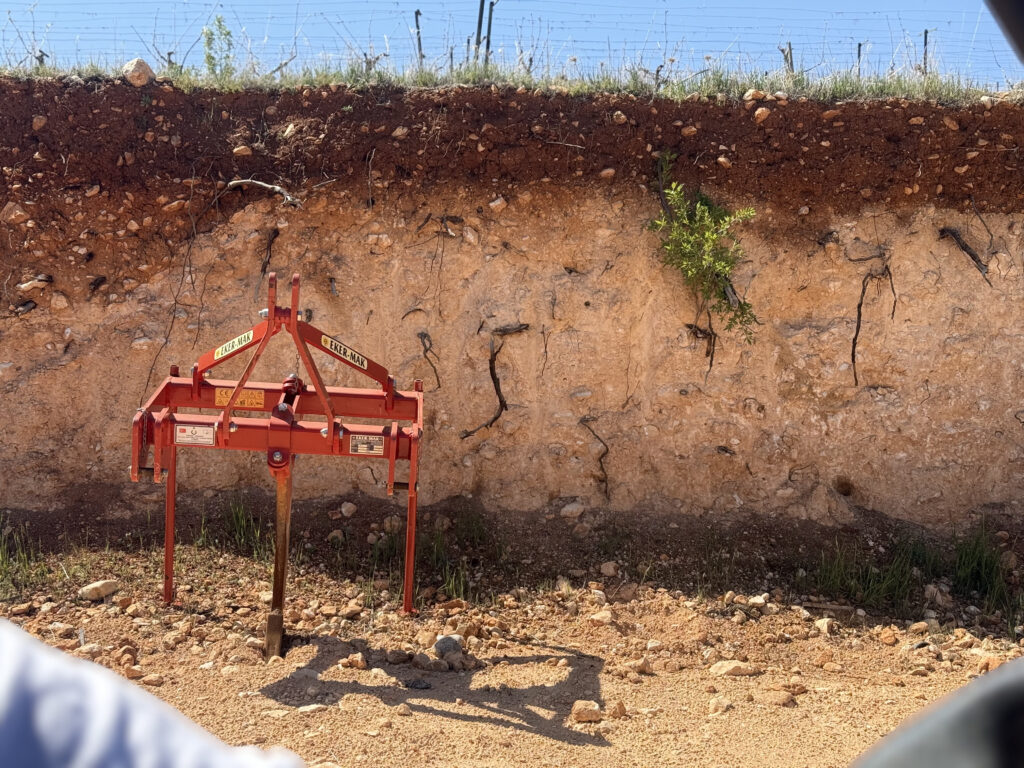
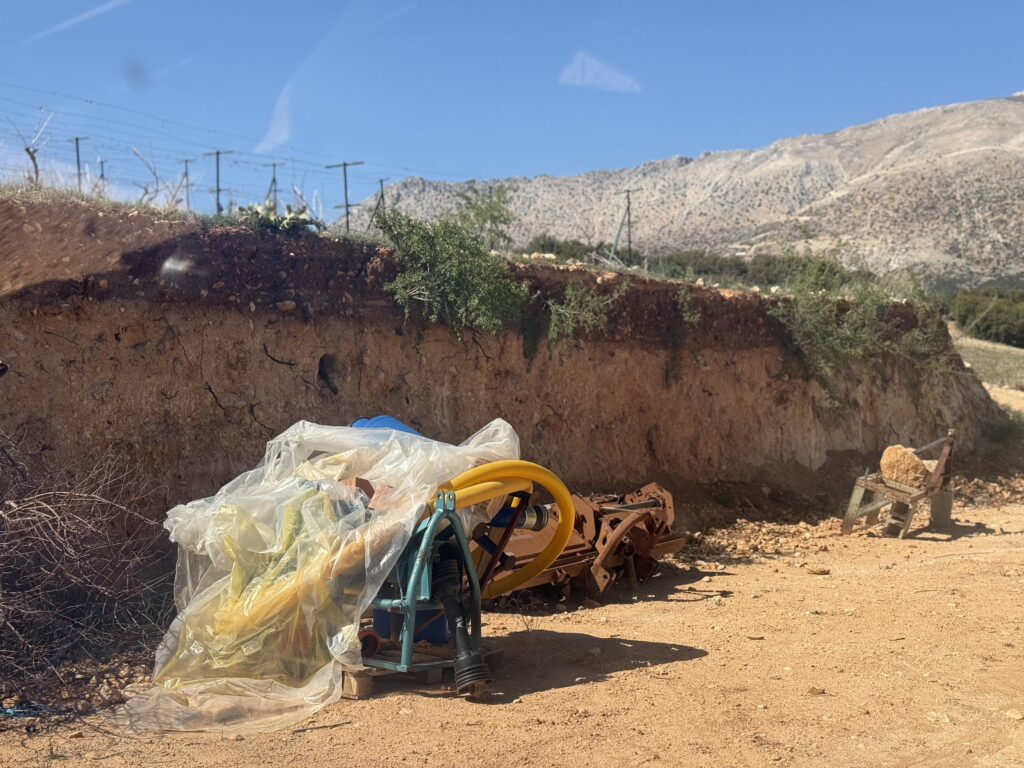
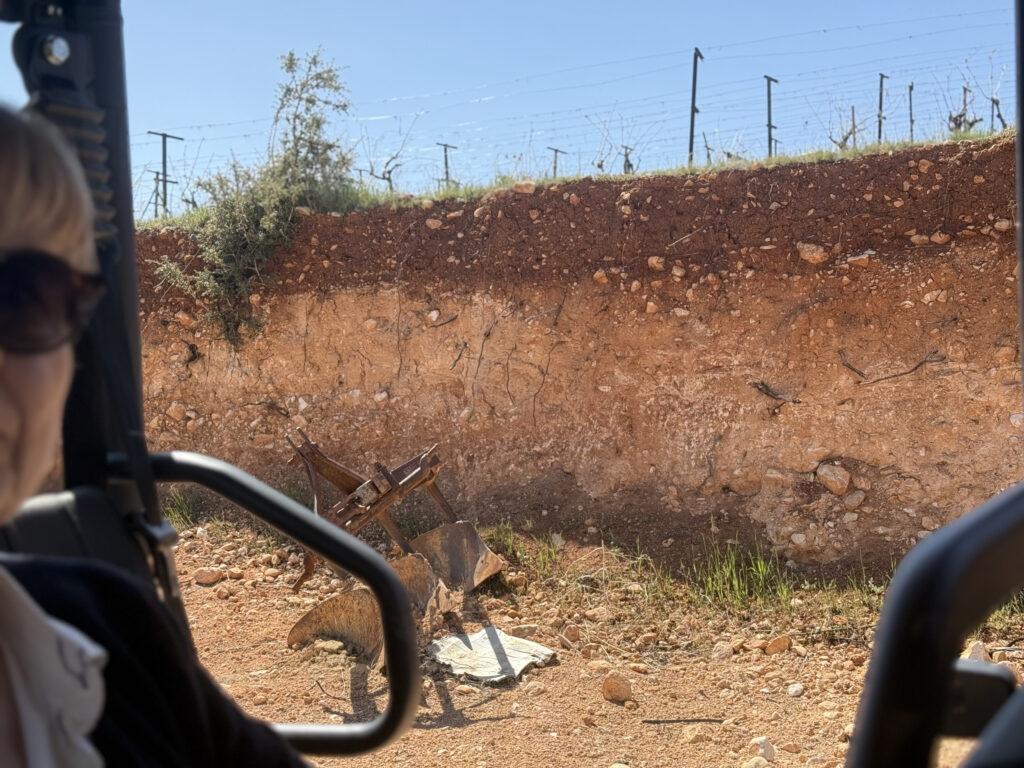
Likya’nın üretim tesisinin ve bağlarının aynı yerde olduğunu söylemiştik. Yazıya eşlik eden toprak kesit resmini, tesisin genişletme çalışmaları esnasında yapılan hafriyat alanında çektik. Resme baktığınızda toprak yüzeyinin hemen altında kireçtaşlı katmanın aşağıya doğru uzandığını kolayca görebilirsiniz.
“Because all the others freeze in winter,” the landowner said. “This one works year-round. When the others fail, people come here.” Burak calls this his “moment of realization.” “That was when I understood what this land could mean for viticulture.”Deep-Rooted Vines Terroir begins beneath your feet. And the vine, with its stubborn yet graceful nature, doesn’t chase after fertile lands. Instead, it thrives when its roots are allowed to go deep—shaped by the geology that cradles it. At Likya, both the vineyards and winery share the same site. During expansion work, we captured a photo of the soil profile, clearly showing a layer of limestone stretching beneath the surface. This is one of the soil types most favored by grapevines.
Boğazkere: 200 Days to Maturity
Ülkemizin en ilginç karaktere sahip üzümlerinden birisi Boğazkere. Bilenler de bilmeyenler de olabilir, onun için hatırlatmakta fayda var: Boğazkere aslen Diyarbakır üzümü. Diyarbakır’ın sert iklim koşullarında hayat bulan bu sıra dışı üzüm, Likya’nın Elmalı bağlarında da yetişiyor. Nasıl sonuç verdiğini sorduğumuz zaman, Burak Özkan’ın cevabı olgunlaşma süresine ilişkin sorunun cevabını da verdi: ‘Bizim Boğazkerelerimizin hasat yapılıncaya kadar geçirdiği süre 200 gün.’ WAYANA’da Diyarbakır’ın yanı sıra Trakya, Denizli, Muğla ve Elmalı yörelerinin de Boğazkere üzümlerinden yapılan şarapları var. Bu uzun olgunlaşma süresinin Boğazkere şarabını nasıl farklılaştırdığını, WAYANA’ya geldiğinizde karşılaştırmanızı öneririz.
Elmalı bağlarındaki asmaların uyanması ve meyve vermesindeki tarihlere bakınca ‘geççi’ bir bölge olduğu hemen anlaşılıyor. Son hasadın Kasım ayına kadar uzaması da bunun zaten açık ispatı. Gece ve gündüz sıcaklık farkını da bu özelliğe eklediğimizde, bölge hemen parlıyor. Olgunlaşma sürecinin uzaması ve gece-gündüz ısı farkları arasında anlamlı bir fark olmasının, üzüm tanesinin içerik kalitesi arasında doğrudan bir ilişki olduğu bilinen bir gerçek. Bu ilişkinin yansımalarını zaten üretilen şaraplarda görmek mümkün.
Does Elmalı Have a Winemaking History?
Elmalı’yla ilgili kayıtlarda Osmanlı döneminde şarapçılıkla ilgili bir faaliyet bilgisine rastlanmıyor. Ama bölgede yaşayan gayrimüslim azınlığın Elmalı’ya bağlı Bağköy’de yerleşik olduğunu yine kayıtlar arasında görebiliyoruz. Bu bilgiyi, Likya Şarapları’nın satın aldığı arazilerin eski adları arasında Manastır Bağı olmasıyla da ilişkilendirdiğimizde, aslında kayıtlarda yer aldığını görmesek bile, bölgede bir bağcılık geçmişi olduğunu çıkarsamak yanlış olmaz.
Şimdi daha gerilere gidelim. Bölgenin bundan iki-üç bin yıl öncesinden günümüze ulaşan buluntuları bambaşka şeyler söylüyor. Bunun için, önce son derece minyon olmasına rağmen doyurucu bir anlatım gücüne sahip Elmalı Müzesi’ni ziyaret etmekte fayda var.
Sergilenen eserler arasında yer alan toprak kadehler ve sürahilerin hem törenlerde hem de günlük yaşamda şarap için kullanılmış olması büyük bir olasılık. Ayrıca Elmalı’yı çevreleyen geniş arazi üzerindeki yüzey taramalarında yerleri tespit edilen şarap imalathanelerinin varlığı, bölgede bağcılık ve şarapçılığın anlamlı bir geçmişinin olduğunu gösteriyor.
Final Word
Likya Şarapları’na yaptığımız çalışma gezisiyle ilgili bir blog dizisi çıkacağını doğrusu düşünmemiştik. Ama o yoğun çalışma içinde biriktirdiklerimize bakınca, kayda geçirmemiz gereken bilginin bir blog yazısına sığmayacağı da ortaya çıktı. Bu serinin ilk yazısını şimdiye kadar adı geçmeyen Elmalı Teruvar’ına ayırdık.
So we begin this series with Elmalı, a terroir that has remained in the shadows for far too long.
Blog dizisinde bir sonraki başlık, Likya Şarapları’nın bölgenin zamanla kaybolmuş üzümlerini ortaya çıkarmak için yürüttüğü zorlu mücadeleyle ilgili olacak. Blog yayınlandığında WAYANA Bülten’de duyurusunu yapacağız. Meraklı şarap severlerin şimdiden haberi olsun.
But one thing is certain: Elmalı’s long-overlooked potential is now part of the conversation. We hope this piece sparks further research into the region’s winemaking legacy. Perhaps this very series will become a starting point for a broader revival. And if that’s the case— we think it’s worth raising a glass.
Toroslar’ın bu unutulmuş yüksek rakım platosunda gerçekleşen jeolojik rönesans, Elmalı’nın saklı toprak kodları ve teruarın kadehteki sarsıcı yansımaları ilginizi çekiyorsa, blogumuzdaki diğer nitelikli araştırmalarımıza da göz atabilirsiniz:
Elmalı teruarının bu saklı coğrafyasında, yüksek rakımın sunduğu mesoklima avantajıyla yok olmanın eşiğinden kurtarılan Acıkara ve Arya Özkan gibi asil endemik kırmızılarımızın duyusal saha notları için Toros Dağlarının Unutulmuş Üzümleri: Elmalı Teruarı çalışmamızı ziyaret edebilirsiniz.
Kapadokya’nın o amforalara ve küp şarapçılığına can veren, Elmalı’nın kalkerli yapısının aksine tamamen volkanik tüf ve tüf jips kırılımlarından beslenen o bir diğer büyüleyici antik teruarını keşfetmek için Gelveri VIII. Dionysos Sempozyumu ve Amfora Şarapçılığı monografimizi inceleyebilirsiniz.
Şarap dünyasındaki bu soyut, coğrafi ve romantik teruar anlatılarını; toprak, mikroklima, topografya ve insan müdahalesi gibi tüm somut değişkenleri bir araya getirerek rasyonel bir matematiksel denklemle formüle ettiğimiz başyapıtımız için Teruar Nedir? Matematiksel Bir Formülle Açıklanabilir mi? yazımıza göz atabilirsiniz.
Elmalı gibi antik çağlardan modern dünyaya uzanan bu zengin bağ rotalarının, Salihli ve Manisa civarındaki o bir diğer zengin altın parçasını modern butik üreticilerin kadehleriyle adım adım keşfettiğimiz tadım notları için Lidya Antik Bağ Rotası Tadımı gezi yazımıza bakabilirsiniz.