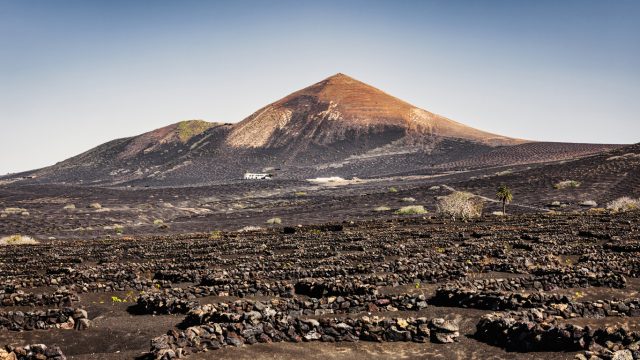
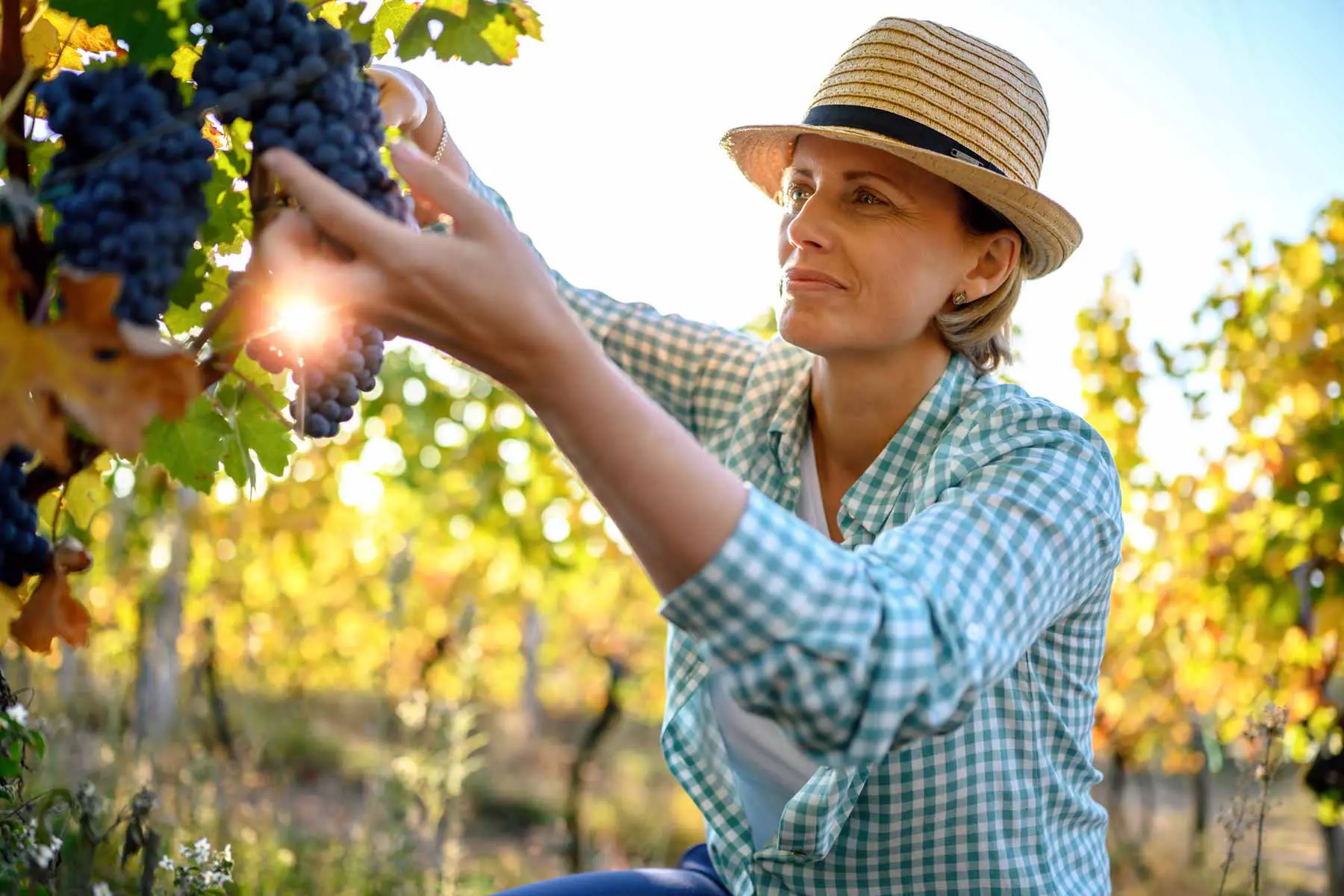
Global şarap endüstrisinde teruar kavramı yeniden şekillenirken, artık sadece coğrafi sınırlar temel alan geleneksel apelasyon modelleri değil, toprağın jeolojik kökeni de bağımsız tescil hareketlerine dönüşüyor. Şarap dünyasının aslında her zaman bir parçası olan ama öne çıkması için uygun koşulların olgunlaşmasını bekleyen başlıklar vardır. Bunlar arasında ‘Old Vine’ konseptinin kabul görmesi, Natürel Şarapların başlı başına bir kategori olması ilk akla gelenler. Uzun süredir özgün toprak yapısıyla şarap severlerin dikkatini çeken volkanik bölgelerin ayrı bir sertifikasyonla karşımıza çıkmasını da bu başlıklara eklenen en son halka olarak kabul edebiliriz.
Küresel Şarap Dünyasında Yeni Bir Apelasyon Devrimi
Let’s hear the story from John Szabo, MS, author of Volcanic Wines, who played a key role in shaping this category:
“This movement has been gaining strength for a long time. It used to be a niche category, but especially after the first International Volcanic Wine Conference in 2018, I began to see growing interest from the trade. Volcanic wines offer a wonderful storytelling opportunity for producers, retailers, and sommeliers. It’s a hook, a way to spark curiosity.
And in June, the first label for wines of volcanic origin was created. This will really help consumers notice volcanic wines and actively seek them out.
The certification is open to any producer in the world. It’s similar to an appellation. Once the soils are analyzed and the wines certified, they can carry the seal on their bottles.”
Volcanic Wine Certification
The nonprofit association VINORA, based in Auvergne, France, has launched a certification program to define volcanic wines, subject them to rigorous scientific analysis, and attach economic value to the term “volcanic wine.”
Established in 2019, the initiative is backed by a scientific committee of volcanologists, researchers, and winemakers. The committee ensures that wineries using the label have scientifically validated terroirs and that their vineyards grow on recognized volcanic soils (basalt, trachyte, andesite, pozzolan, etc.).
In the words of VINORA president Jean-Baptiste Deroche: “Volcanic origin is not a marketing concept; it is a seal of authenticity that distinguishes wines born from truly volcanic terroirs or proven volcanic influence. Since 2019, our work has confirmed that wines from volcanic soils have their own geological and sensory identity, and greater resistance to drought. The label offers a tasting experience—smoky notes, salinity, marked freshness, minerality—that goes beyond grape variety or appellation.”
So far, around 30 wineries worldwide have obtained the “Volcanic Origin” label.
Enormous Diversity
As Deroche points out, volcanic wines may share certain taste lines, but volcanic soils are anything but uniform. Describing them as a single entity is like calling everything simply “blue.” Age, elevation, rainfall, and proximity to the sea all shape their character.
Some volcanic regions are well known—Spain’s Canary Islands, Sicily’s Etna, and California’s Lake County. Others, such as Alsace in France or Veneto in Italy, are celebrated in different ways. Even within a single region, soils can vary dramatically from vineyard to vineyard.
Jacopo Maniaci, general manager at Tenuta di Fessina on Mt. Etna, explains:“ “We have at least 20 soil variations in our vineyards. Each slope has a different history. The north is sandy and fragmented, the higher altitudes are rocky, the lower ones thinner. The eruptions have created a unique, incredibly complex landscape.”
At Rovittello, their headquarters, 11 hectares include two soil types—rocky and sandy—dating back 15,000 years. By contrast, Etna’s east side is very young: the Valle del Bove collapsed 9,000 years ago and is still regenerating soils through constant volcanic activity. The south is the oldest part, millions of years old, where clay and limestone appear.
Szabo adds: “Three-million-year-old volcanic soils can be rock-hard and devoid of organic matter, while 1,000-year-old ones can be full of it. Not every volcanic soil grows great grapes, of course. But wines from the right volcanic soils share distinct qualities—and that’s what people are responding to.”
Strengths in the Vineyard and Glass
Almanya Baden’de Konrad Salwey, volkanik kökenli ve lös-kireç karışımı topraklarda Pinot Grigio, Pinot Blanc, Pinot Noir ve Chardonnay yetiştiriyor. Volkanik toprak 12 milyon yıl önce oluşmuş. “Çok yağmur yağdığında bile %70 eğimli bağlarda erozyon sorunu yaşamıyoruz,” diyor.
In California’s Lake County, 10,000 acres of vineyards sit at 350–1,000 meters on one-million-year-old volcanic rocks and newer deposits.
Megan Hoberg of the Lake County Winegrape Commission notes:“Our volcanic origins are younger and more geologically active. Grapes develop thicker skins and denser phenolics. The wines are high in acidity, firm in structure, and distinctly mineral.”
Jonathan Walters of Brassfield Estate adds: “These wines beg for food. Our Rhône varietals give dark fruit, mineral tones, and an amazing saline edge.” In Oregon’s Dundee Hills, volcanic Jory soils date back 15–17 million years. Jackson Holstein of Granville Wine Co. says: “If you don’t reduce canopy early, yields suffer. But if you do, the fruit quality is much better. These soils demand precision.”
The Challenges of Volcanic Soils
Despite their strengths, volcanic soils make life hard for growers. Hoberg points out: “Excellent drainage limits vigor and creates small, concentrated berries. But rocky, uneven terrain makes work more labor-intensive.”
Santorini’de Gaia Wines’in kurucusu Yiannis Paraskevopoulos ise %100 volkanik topraklarda şiddetli kuraklıkla mücadele ediyor: “Toprakta kil yok, organik madde yok. Su tutamıyoruz. İyi yıllarda bile verim düşük. Son üç yılda hasat felaket seviyesinde; olması gerekenin onda biri.”
Still, he is hopeful: “Assyrtiko is a warrior grape. Even here, it produces extraordinary wines. And with EU support, we’re building a water treatment plant to irrigate vineyards. It’ll be running in five years.”
Salwey, though not facing drought on that scale, admits volcanic soils struggle more than loess in dry years: “They’re tougher to farm, but the wines show incredible character. They’re also easy to market—exciting and accessible.”
Volcanic Wines in Turkey
When we say volcanic regions, Cappadocia immediately comes to mind. Thanks to its volcanic identity, the phylloxera louse never penetrated, allowing indigenous vines to survive.
Viticulture here has been continuous. Producers like Kavaklıdere and Turasan, along with many smaller ones, keep the tradition alive. We don’t yet know how they view the certification system, but in terms of distinctiveness, it’s certainly worth exploring.
Manisa’nın Kula ilçesi de volkanik toprakla kaplı. Keza oradaki üreticimiz Yanık Ülke de volkanik sertifikasyon koşullarına sahip.
Time will tell whether Turkish producers will take that step.
The Future of Volcanic Wines
Volcanic vineyards make up just 2% of the world’s wine, but their impact far exceeds their share.
As Maniaci from Etna puts it: “Dry farming is tough, but the benefits outweigh the hardships. Drainage is excellent, minerals act like natural fertilizers, crater dust constantly renews the soil. The profile is unique: low pH, high acidity, low alcohol, sharp and fresh.”
In other words, exactly what today’s wine world is craving: a simple, powerful story—distinctive, easy to understand, and with the added bonus of lower alcohol.
Volcanic Origin hareketinin getirdiği jeolojik vizyon, volkanik toprakların şaraptaki mineral yansımaları ve apelasyon sistemlerinin geleceği ilginizi çekiyorsa, blogumuzdaki diğer stratejik araştırmalarımıza da göz atabilirsiniz:
Bu yeni hareketin delip geçtiği o katı eski dünya kurallarını ve coğrafi işaret krizlerini okumak için Gelenek mi, Pranga mı? Apelasyon Sistemi Yol Ayrımında analizimizi inceleyebilirsiniz.
Toprağın, jeolojinin ve mikroklimanın asmayla kurduğu o muazzam bağın Türkiye genelindeki yansımalarını kuşbakışı görmek için Anadolu’nun Teruar Haritası: Türkiye’nin Bağ Bölgeleri rehberimize göz atabilirsiniz.
Doğal ve organik döngülerin, bu tür spesifik toprak yapılarında üreticilere getirdiği felsefi ve pratik sınırları anlamak için Vineyard Naturalness: Principles and Challenges makalemizi okuyabilirsiniz.
Teruar kavramının ve bağcılığın bilimsel/akademik geleceğinin Türkiye’deki en büyük buluşmasında nelerin tartışıldığını görmek için Kök Köken Toprak 2026 Konferansı içeriğimizi ziyaret edebilirsiniz.