Part I – The Prisoner Case: How a Wine Became a Cult Brand
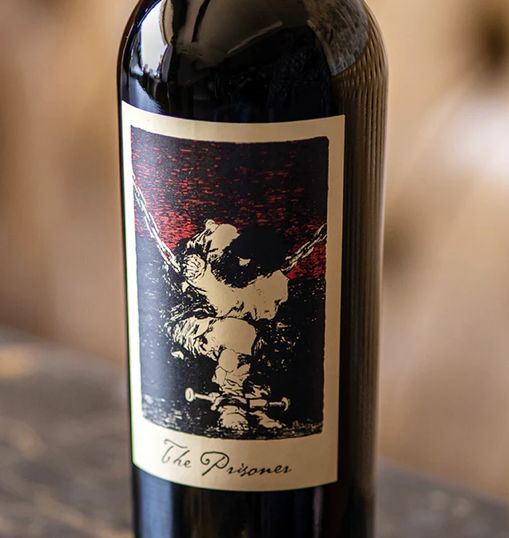
Küresel şarap endüstrisinde ezberleri bozmak ve Prisoner gibi kitleleri peşinden sürükleyen kült bir marka yaratmak, sadece iyi şarap üretmenin çok ötesinde bir vizyon gerektirir. 2000 yılında şarap üreticisi Dave Phinney tarafından kurulan The Prisoner Wine Company, en başından itibaren kuralları yıkmayı seçti. Tek bir soylu üzüm çeşidine odaklanmak yerine, alışılmışın dışında güçlü kırmızı kupajlar üretti: Zinfandel, Cabernet Sauvignon, Petite Sirah, Syrah ve Charbono.
The brand’s trajectory demonstrates that in today’s wine world, excellence is not defined solely in the vineyard or cellar. It is also about how producers differentiate themselves through narrative, identity, and consumer connection.
The Prisoner: Kült Markadan Çıkarılacak Sektörel Dersler
At the Vine to Mind Symposium (2024), The Prisoner was used as a case study for how a winery can strategically leverage data:
Birinci taraf verisi:
Aracı kurumlara bel bağlamak yerine, tüketici verilerini doğrudan toplayarak tercihleri ve davranışları anlama.
Yapay zekâ ile kişiselleştirme:
Bu verileri kullanarak ölçeklenebilir şekilde sadakati pekiştiren deneyimler yaratma.
Marka değerinin sürdürülebilirliği:
Sadakatin kırılgan olduğu, rekabetin küresel olduğu bir sektörde tüketiciyi birey olarak görmenin uzun vadeli hayatta kalma stratejisine dönüşmesi.
In short, The Prisoner shows how a winery can weave together three threads—strong brand identity, storytelling, and data-driven consumer engagement—to carve out a cult status in a crowded marketplace.
Part II – A Roadmap for Turkish Wine Producers
Turkey’s wine producers share the same ambition as their global peers: to make the best possible wine. Yet survival depends on more than what happens in the vineyard. The Prisoner story points toward a roadmap that can be adapted to our own context:
Ayırt Edici Bir Kimlik Yaratın
Endemic grape varieties and Anatolia’s millennia-old viticultural heritage are unmatched assets. Labels, names, and stories can express this uniqueness in ways that resonate both locally and internationally.
Seyahat Eden Hikâyeler Anlatın
Mythology, terroir, and cultural narratives are not just background—they are tools for building a recognizable brand. Like The Prisoner’s visual boldness, Turkish producers can let their history and geography become part of the wine’s personality.
Veriyi İlişkilere Dönüştürün
Consumer data doesn’t have to mean intrusive algorithms. It can be as simple as recording tasting notes, building wine clubs, or offering digital badges. Used thoughtfully, these touchpoints transform one-time buyers into long-term companions.
Ruhu Kaybetmeden Ölçeklenin
Growth is essential, but the key is to preserve the authenticity of local grapes and traditions. Expansion into new markets should amplify, not dilute, the qualities that make Turkish wines distinctive.
Topluluk Yaratın, Sadece Müşteri Değil
Sustainable success comes from loyalty. Tastings, cultural events, and storytelling can create communities around Turkish wines—an approach that is not only economically resilient but also culturally enriching.
Conclusion
The Prisoner bize şunu hatırlatıyor: Bir şişe asla yalnızca cam içindeki sıvı değildir. O, kimliktir, kültürdür, ilişkidir ve marka işin en önemli ögesidir.
For Turkish wine producers, the challenge—and the opportunity—is to transform the country’s unique grapes and stories into brands that speak confidently to the world.
The Prisoner’ın ezber bozan küresel stratejisi, şarap pazarlamasının geleceği ve geleneksel kuralların ticari sınırları ilginizi çekiyorsa, blogumuzdaki diğer vizyoner analizlerimize da göz atabilirsiniz:
The Prisoner’ın delip geçtiği o katı Avrupa kurallarını, geleneksel bağcılık sınırlarını ve coğrafi işaret krizlerini okumak için Tradition or Constraint? The Appellation System at a Crossroads analizimizi inceleyebilirsiniz.
Sıradan ve güvenli ticari yolları reddederek, 500’den fazla yerel şarapla tek tipleşmeye karşı WAYANA’nın geliştirdiği özgün duruşu anlamak için Güvenli Ticari Alanı Reddetmek: WAYANA’nın 500 Şaraplık Bir Menüyle Tek Tipleşmeye Direnişi makalemize göz atabilirsiniz.
Sektörün ve tüketici alışkanlıklarının gelecekte nasıl radikal bir dönüşüm geçireceğini tartıştığımız vizyoner öngörüler için 2035’in Dijital Dünyasında Şarap Kültürü yazımızı okuyabilirsiniz.
Bir başka üreticinin kendisini konumlandırdığı sektörel pozisyonla kıyaslamak için Xander Soren Wines: Hedef Odaklı Strateji içeriğimizi ziyaret edebilirsiniz.