In mid-September, I received a call from Sabriye Yersel of Kızılgöl Vineyards. After a brief chat, she invited us to Kilis the following weekend to introduce the KILIS HERITAGE project. Although the notice was short, we decided to expand the format of the trip a little and said yes. We also added a Şanlıurfa leg to the journey—which deserves its own story—and set out when the day arrived.
For many of us, Kilis had long lived in our minds as if it were simply part of Gaziantep, so seeing it as a province in its own right takes some adjustment. We met our fellow invitees from Kızılgöl at Canbolad Mansion, the meeting point for the small group.
The “KILIS HERITAGE” Project
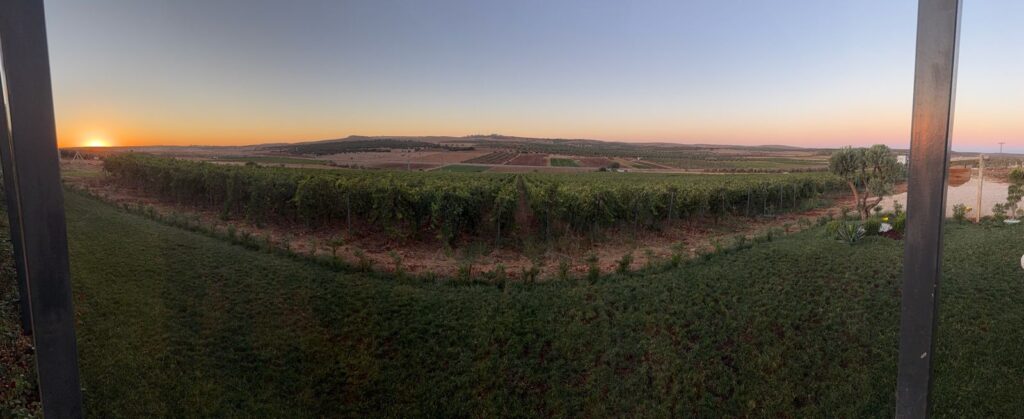
Before diving into the flow of the trip, it’s worth pausing to look at the project itself. KILIS HERITAGE was created by Kızılgöl Vineyards, which is part of a larger group also active in construction. Their decision was not to see wine production in isolation, but as part of an agrotourism initiative. The project embraces both the agricultural and tourism riches of Kilis as a whole.
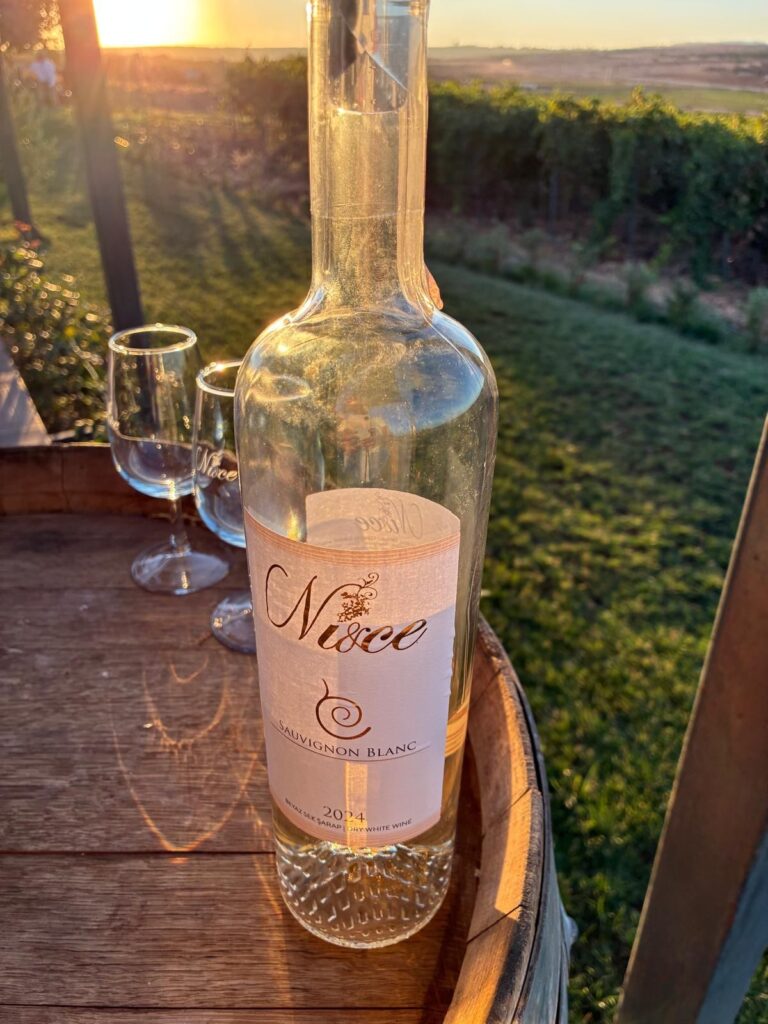
On the “agro” side are the vineyards producing wines under the Ni&ce label. Since the Kilis winery is not yet complete, the grapes are currently sent to Denizli for vinification. But the hardest part is already done: permits have been secured. Given the parent company’s expertise in construction, the remaining phases of the winery should move quickly. The plan is to vinify the 2026 harvest in the new facility.
The “tourism” side is just as colorful. Turkey’s culinary heritage has been receiving more attention in recent years, with many businesses deepening and modernizing regional traditions. Once Kilis separated administratively from Gaziantep, it gained an advantage in putting its own cuisine on display. We had the chance to encounter some of the first wave examples of this change.
The Journey Begins: A Light Lunch
Our small group’s first stop was a light lunch—our first step into Kilis cuisine. Our host in the kitchen was Chef Mehmet Ali, originally from Kilis. The meal began with lebeniye, a yogurt-based soup. In Kilis, it is served hot with meat; in other regions, it can be served cold and meatless. Next came a Kilis lahmacun. When we asked Mehmet Ali about the difference, he explained that the filling includes both onion and garlic. The surprise of the lunch was bumbar dolması (stuffed intestines). While usually boiled elsewhere, in Kilis they are fried—honestly, from now on it will be hard to eat them any other way.
Touring Kilis
After lunch, we walked through the Kilis Bazaar and visited the Kilis Museum, housed in a restored soap factory. The architectural traces of its earlier function are as interesting as the artifacts inside. The museum draws heavily from excavations at Oylum Höyük and offers a well-organized, not overwhelming experience. To be fair, the performance of the Ministry of Culture in both excavation sites and museums impressed us throughout this trip. In the midst of today’s challenging circumstances, the competence and order of these cultural services give us hope for the future.
Kilis Katmeri
One of our stops was Bekân Patisserie, still run by two brothers, famous for serving Kilis-style katmer. In conversation, we learned that Uğur Bey had graduated from what was then the Institute of Skilled Crafts (today’s Vocational High School). Listening to how this shaped the business was a reminder of the cultural richness embedded in such stories. The brothers inherited the craft from their father, and now their own children are continuing it. If this can evolve into a century-old establishment, it would be wonderful. Turkey’s record in sustaining such heritage businesses is not very strong, but much can still be done. The crucial point is maintaining traditional identity while ensuring economic sustainability. If KILIS HERITAGE manages even part of this balance, it will have fulfilled its mission.
A Reality of Kilis
This may surprise you: there are no restaurants in Kilis with licenses to serve alcohol. That doesn’t mean Kilislis don’t drink; it simply means consumption happens in private spaces, not in public establishments. One of our main goals on this trip was to connect Kilis cuisine with Ni&ce wines. For this reason, our dinner was held at the vineyard guesthouse, just outside the city center.
Kilis Cuisine
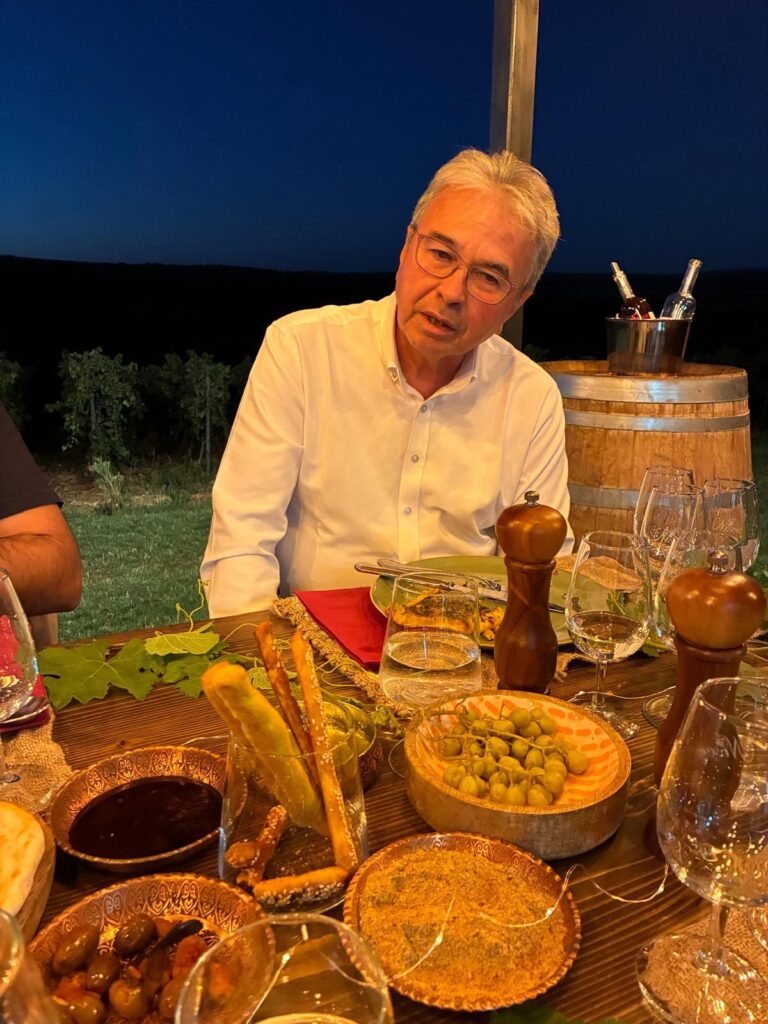
At the table, we first tasted examples of the region’s own green olives prepared with a tomato paste sauce, accompanied by the spice mix we know as zahter and the region’s olive oil. There was also a delicious pickle made from the local grape variety called Rumi (also spelled Urumi or Urum). As an alternative to bread, the region’s galeta-like baked good known as käke was part of the spread.
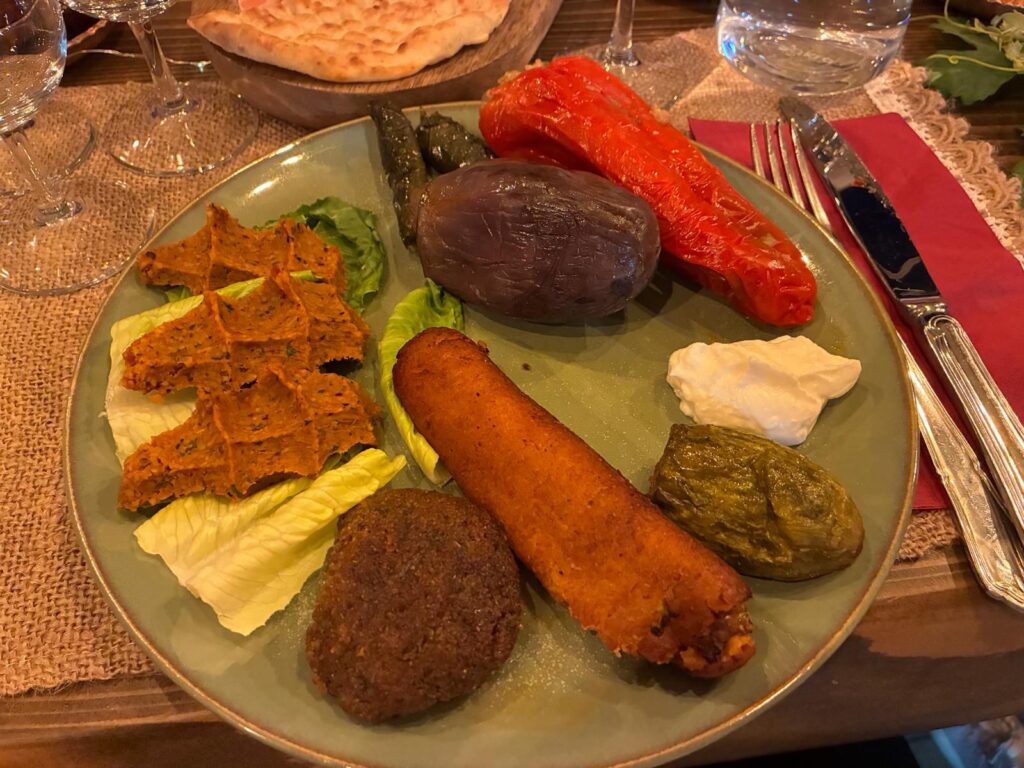
Next came the hot appetizers: çiğ köfte, kübbülmüşfiye, içli köfte, şıhılmahşi, stuffed peppers and eggplants, stuffed grape leaves, and the region’s pita.
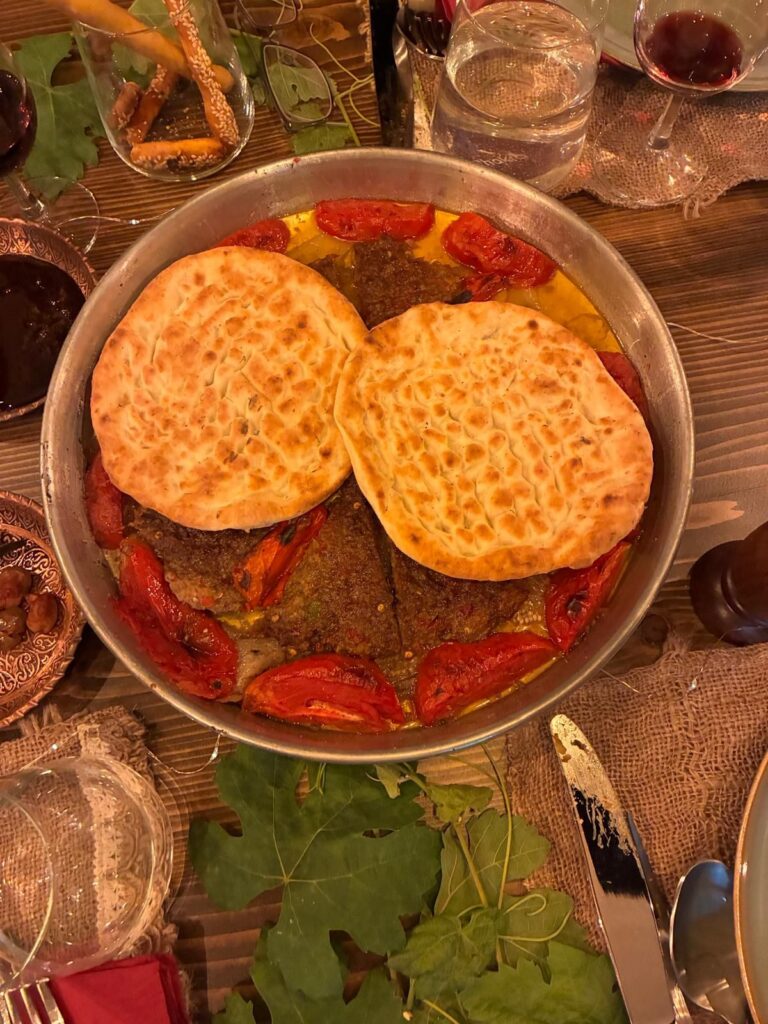
When you think of Kilis, the most iconic dish that comes to mind is Kilis Tava, a dish truly worth highlighting. Baked in the oven, it arrived at the table in a round tray and was served in triangular slices, still sizzling with bubbling fat.
For dessert, we had one of the region’s favorite sweets: Cennet Çamuru. Made with pistachios and clotted cream, it was a heavenly closure for those with a sweet tooth.
Considering that Ni&ce is a wine producer, of course pairing Ni&ce’s wine portfolio with these dishes was also important for us. While matching the range of wines with the savory dishes posed no problem, the dessert remained without a proper pairing. That will be a homework assignment for Ni&ce in the future.
Oylum Höyük – Aidesim Mozaikli Bazilika – Yesemek
The star of the second day was Prof. Atilla Engin, head of the Oylum Höyük excavations. Touring both the Höyük and the nearby Mosaic Basilica, followed by the Yesemek Open-Air Museum, with his guidance was a privilege. Each of these deserves its own detailed story.
Final Word
KILIS HERITAGE is one of the most meaningful projects a brand could choose to express itself. We hope more businesses will have both the resources and the vision to dedicate themselves to projects like this—projects that protect heritage while creating new opportunities for the future.