Part I – The Prisoner Case: How a Wine Became a Cult Brand
Founded in 2000 by winemaker Dave Phinney, The Prisoner Wine Company broke with convention from the very start. Instead of pursuing the prestige of a single noble variety, it leaned on bold, unconventional red blends—Zinfandel, Cabernet Sauvignon, Petite Sirah, Syrah, and Charbono. Just as striking was its use of art: the dramatic label design and the very name, The Prisoner, turned the bottle into an icon long before the wine itself was poured.
The brand’s trajectory demonstrates that in today’s wine world, excellence is not defined solely in the vineyard or cellar. It is also about how producers differentiate themselves through narrative, identity, and consumer connection.
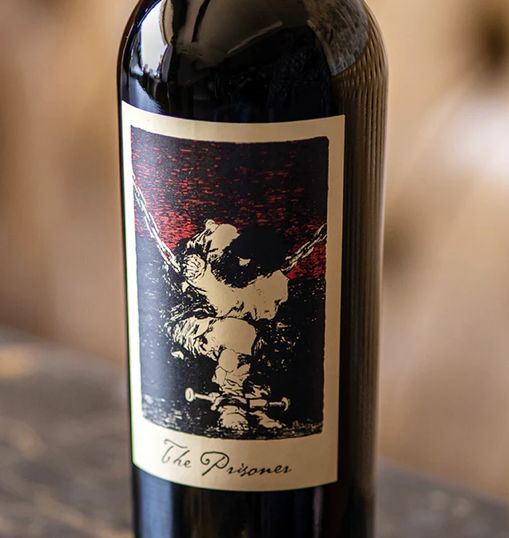
At the Vine to Mind Symposium (2024), The Prisoner was used as a case study for how a winery can strategically leverage data:
- First-party data: rather than relying on intermediaries, the company collects and uses its own consumer data to understand behavior and preferences.
- AI personalization: that data is transformed into tailored communication and experiences, reinforcing loyalty at scale.
- Sustainability of brand value: in an industry where loyalty is fragile and competition is global, treating consumers as individuals becomes a long-term survival strategy.
In short, The Prisoner shows how a winery can weave together three threads—strong brand identity, storytelling, and data-driven consumer engagement—to carve out a cult status in a crowded marketplace.
Part II – A Roadmap for Turkish Wine Producers
Turkey’s wine producers share the same ambition as their global peers: to make the best possible wine. Yet survival depends on more than what happens in the vineyard. The Prisoner story points toward a roadmap that can be adapted to our own context:
1. Build a Distinct Identity
Endemic grape varieties and Anatolia’s millennia-old viticultural heritage are unmatched assets. Labels, names, and stories can express this uniqueness in ways that resonate both locally and internationally.
2. Tell Stories That Travel
Mythology, terroir, and cultural narratives are not just background—they are tools for building a recognizable brand. Like The Prisoner’s visual boldness, Turkish producers can let their history and geography become part of the wine’s personality.
3. Turn Data into Relationships
Consumer data doesn’t have to mean intrusive algorithms. It can be as simple as recording tasting notes, building wine clubs, or offering digital badges. Used thoughtfully, these touchpoints transform one-time buyers into long-term companions.
4. Scale Without Losing Soul
Growth is essential, but the key is to preserve the authenticity of local grapes and traditions. Expansion into new markets should amplify, not dilute, the qualities that make Turkish wines distinctive.
5. Create Communities, Not Just Customers
Sustainable success comes from loyalty. Tastings, cultural events, and storytelling can create communities around Turkish wines—an approach that is not only economically resilient but also culturally enriching.
Conclusion
The Prisoner reminds us that a bottle is never just liquid in glass. It is identity, culture, and relationship.
For Turkish wine producers, the challenge—and the opportunity—is to transform the country’s unique grapes and stories into brands that speak confidently to the world.