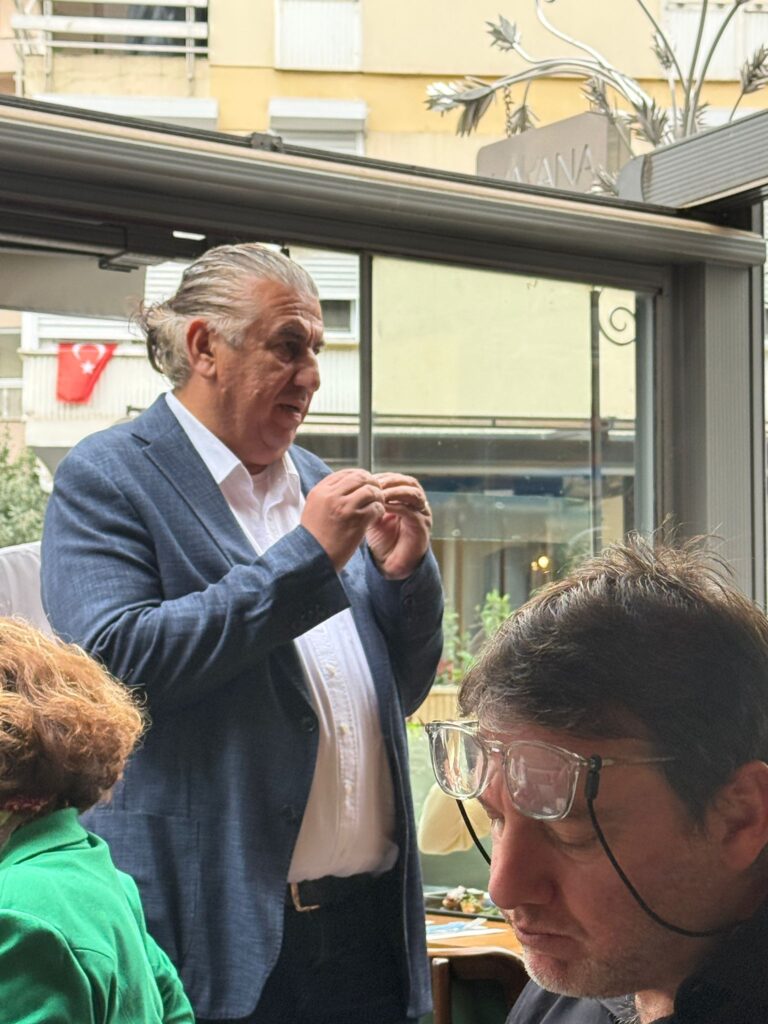
ÜRETİCİLER WAYANA’DA etkinlik serimiz şarap meraklılarıyla üreticilerin doğrudan ilişki kurmasını sağlayan önemli bir köprü görevi üstlendi. Bu serinin merkezinde tadım var. Konsepti ilk hayal ettiğimizde nasıl kabul göreceğini bilemediğimiz için biz de merak içindeydik doğrusu. Ama kurduğumuz hayal ve karşımıza gelen sonuç doğrusu çok uyumlu oldu. Bunun için çok mutluyuz.
“PRODUCERS AT WAYANA” Event Format
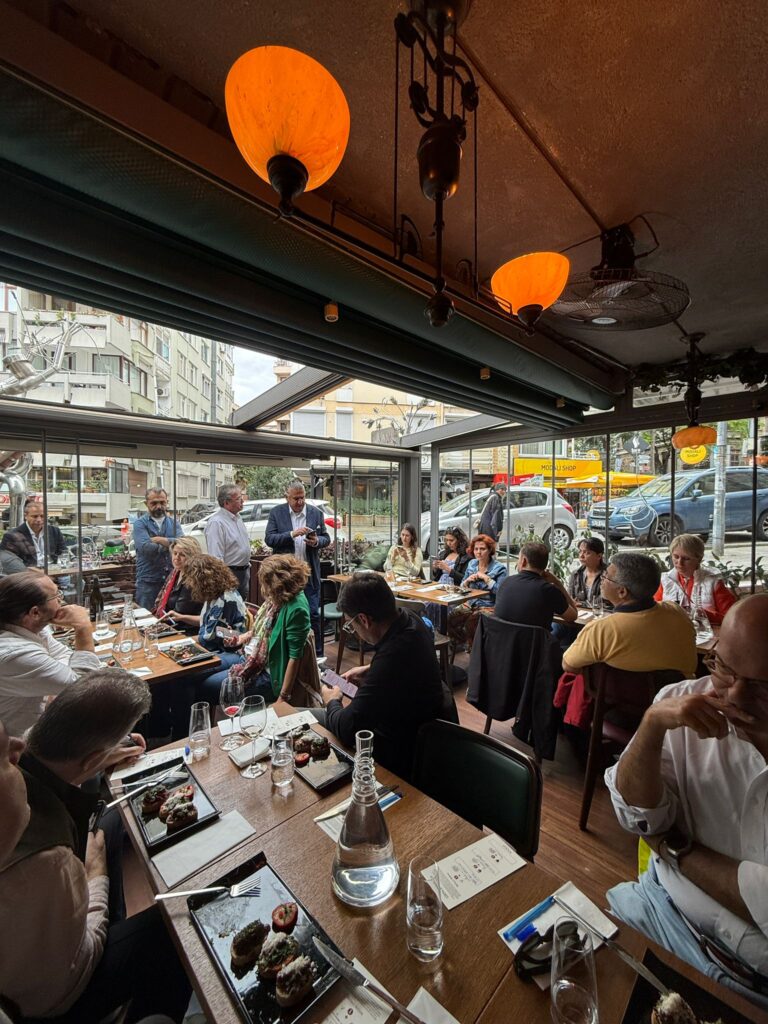
ÜRETİCİLER WAYANA’DA etkinliğinde konuk şarap üreticisinin yalnızca şaraplarını tatmıyoruz. Eğer üreticimizin katılması mümkün olmuşsa, onun ağzından hikâyesini, felsefesini, yaşadıklarını ve hedeflerini dinliyoruz. Eğer katılamamışsa, bunu en iyi biçimde aktarabilmek için biz üreticimizle bir arada zaman geçirip onun temsilcisi olarak bu görevi gerçekleştiriyoruz.
The program is held in two parts. In the first part, six wines chosen by the producer are paired with six selections from WAYANA’s tapas portfolio. If no suitable match exists, we create a brand-new tapas from scratch. This section is guided: both the wines and their stories are shared.
In the second part, we showcase 6 to 8 additional wines from the producer—those not featured in the first part—in an open tasting format. This also gives participants the chance to have personal conversations.
The event is designed to lay the foundation for a strong bond between wine lovers and producers.
September 28 – Likya Tasting
Eylül ayı etkinliği için Likya Şarapları’nı aradığımızda, firmanın kurucusu Burak Özkan yurt dışındaydı ama tarihte mutabık kaldık. Birinci bölümün içeriğini hızlıca belirledik. İkinci bölümü daha sonraya bıraktık. İlk bölüm Likya’nın prestij serisi Arkeo şaraplarına ayrılmıştı. Bunlar arasında yeni rekoltelerini tanımadıklarımız olduğu gibi, ilk kez şişelenmiş olan yepyeni üzümlerden yapılanlar da yer alıyordu. Dolayısıyla tapas eşleştirmesi için şarapların elimize ulaşmasını bekledik.
Şarap seti elimize ulaşınca hızlı bir tadım yaptık. WAYANA menüsünden beş örnek eşleşme için uygundu, ama altıncıyı yeniden tasarlamak gerekiyordu. Bunu Gaziantep mutfağının vişneli kebap yemeğinden uyarlamaya karar verdik. Şarabın lezzet profilindeki vişneyle bu eşleşme çok iyi sonuç verdi.
Elmalı Teruarı ve Unutulmaz Bir Tadım Hikâyesi
As the date drew near, we called Burak Özkan and told him that since it was harvest season, we would understand if he couldn’t attend. Yet in the middle of that intense period, he came all the way from Antalya to join us for both sessions of the tasting. This gesture meant a lot to us, and once again we are deeply grateful.
We opened the event with an introduction, then passed the stage to Burak. He spoke at length about the philosophy behind his relationship with grapes, the founding of Likya Wines, their journey with forgotten grape varieties, and the challenges and milestones along the way. Summarizing his insights for you feels like a responsibility we owe.
Likya Wines
Burak Özkan made a conscious choice to become a wine producer. There was no family tradition of viticulture before him. Growing up in Antalya, he sensed that the region’s rise as a tourism hub created an opportunity for a wine brand that could become part of the city’s gastronomy. Historically, viticulture did exist here, but during the Republican era, Elmalı—at 1100 meters above sea level—was not considered suitable for vineyards. Burak chose not to be swayed by such claims. In the 1990s, vineyard investments began, and because French grapes were in demand at that time, the first plantings included these varieties.
A Turning Point in Turkish Winemaking: 1990s and Beyond
O yıllardan sonra aslında Türk şarap sektöründe büyük bir hareketlilik başlar. Hem uzun yıllardır şarapçılık yapan yerleşik üreticilerin kendilerini yenilediklerini hem de başka alanlardaki birikimlerini şarap sektörüne aktarmayı tercih eden yeni girişimleri yan yana görüyoruz. 1990’larda ihtiyaç duyulan yabancı üzüm pazarı, kısa bir süre sonra çok kalabalık bir alan haline gelmiş.
Fresh Energy at Likya: Doruk Özkan
Her işletmenin elbette bir yapana ve bir satana ihtiyacı var. Dünyanın en iyi şarabını üretmek, bunun kendiliğinden satılacağı anlamına gelmiyor. (Bunu hâlâ kabul etmeyen binlerce üretici olması da başka bir yazının konusu olmalı.) Likya’nın en önemli avantajlarından birisi, üretime odaklanan Burak Özkan’ın pazarlamaya ve satışa odaklanan Doruk Özkan’ın katılması olmuş. Likya’nın bugünkü başarısının altında bu ekip-ailenin güç birliği yatıyor.
Rediscovering Forgotten Grapes
Burak tells of a pivotal moment when a local shepherd, known as “Ramazan Abi,” introduced him to the Acıkara vine just two kilometers from Likya. Cuttings were taken, nurtured like infants, and multiplied—launching a struggle that would last years.
Yeni bir asmanın rüştünü ispat etmesi için ihtiyaç duyulan süre yaklaşık on yıl. Bu sürenin sonunda elde edeceğiniz üzümün şaraba elverişli olup olmadığı da aslında bir bilinmez. Nitekim Likya’nın hayata döndürdüğü üzümlerden bazılarının sofralık karakterde olduğu ortaya çıkmış. Evet, yine bir üzüm kazandırılmış, ama bunun için harcanan emek ticari değer olarak geri dönmemiş. Ama bu da oyunun bir parçası.
Burak calls his quest for grapes “going hunting.” He describes it this way: “I don’t actually believe in coincidence. When I leave home, I tell my wife, ‘I’m going hunting.’ Village elders, headmen, shepherds—they’re my most important guides. Just as I move in search of grapes, I believe the grape too strives to reveal itself to me. It’s a meeting both sides desire.”
“Ben aslında tesadüfe inanmıyorum. Evden çıkarken eşime ‘Ben ava çıkıyorum’ deyip yola koyuluyorum. Muhtarlar, köyün yaşlıları, çobanlar en önemli rehberlerim. Nasıl ben üzümü bulmak için hareket ediyorsam, bence üzüm de varlığını sürdürmek için, kendisini bana göstermek için gayret ediyor. Bizimki iki tarafın da arzuladığı bir buluşma.”
Likya Arkeo Series Wines
Burak Özkan also guided the tasting of his own wines throughout the event. We jotted down a quick note to remind ourselves:
İlk şarabımız Likya Işığı adını taşıyan şaşırtıcı güzellikte bir beyazdı. Ülkemizin en karakteristik beyaz şaraplık üzümü olan Emir’le aynı ligde. İzleyen üç şarap, Likya Ateşi, Tesadüf ve Altıncı His (üzüm adı Germi Siyahı) düşük asitli, serin içmeye elverişli kırmızılardı. İklim değişimi yakın gelecekte bu şarapların aranan şaraplar olmasını sağlayacak. Son iki şarap Arya Özkan ve Acıkara, güçlü tanenlere sahip yoğun kırmızılardı.
Şarapların yapıldığı üzümlerin hepsinin DNA analizleri yapılmış ve özgün üzümlerin olduğu bilimsel olarak ortaya çıkmış. Yani bunlar ülkemizin kayıtlarına girecek ve üzüm portföyümüz daha da zenginleşmiş olacak.
Final Word
Likya Tadımı hem bize hem de katılımcılarımıza çok iyi geldi. Çünkü güzel şeyler duymaya, iyi haberler almaya ihtiyacımız var. Burak Özkan’ın misyon olarak benimsediği “Üzüm Avcılığı” yalnızca ona ve Likya’ya fayda sağlamıyor, hepimizi zenginleştiriyor. Önümüzdeki yıl üzüm genetiği konusunun bir numaralı ismi José Vouillamos’un Likya’ya gelmesi, Toroslar’ın ne kadar değerli bir endemik miras olduğunu ve Likya’nın bu mirasın ortaya çıkmasındaki rolünü gösteriyor. Tadım etkinlikleri de bu emeklerin şarap severlerle buluşmasındaki en etkili yol.
Has Burak finished his work now that he has revived so many grapes? (By the way, he’s close to twenty varieties already.) Of course not. The grape-hunting virus is in his blood, and he believes this is his path to immortality. Who could possibly stop him?
Türkiye’de yapılması zor işlerden birini yürüten şarap üreticileri hakkında daha geniş bilgi almak isterseniz, Türkiye’de Şarap Üreticileri: Antik Mirastan Modern Dönüşüme yazımızı inceleyebilirsiniz.
Likya’nın saklı Elmalı teruarı, gün yüzüne çıkan nadir üzümlerin öyküleri ve yerel çeşitlerin kadehteki büyük varoluş mücadelesi ilginizi çekiyorsa, blogumuzdaki diğer derinlemesine araştırmalarımıza da göz atabilirsiniz:
Bu tadımda kadehlerinize dolan o saklı türlerin dağ köylerindeki ilk zorlu arama ve tescil maceralarını okumak için Likya’nın Kayıp Üzümler Macerası: Bulmak Zor, Kayıt Altına Almak Daha Zor! saha günlüğümüzü inceleyebilirsiniz.
WAYANA çatısı altında bu nadir çeşitleri bir araya getirdiğimiz o büyük buluşmanın yansımaları için Nadir Anadolu Üzümleri: İlk Kez Ticari Şarap Olan 11 Kayıp Çeşit araştırmamıza göz atabilirsiniz.
Likya’nın bu etkinlikte sunduğu Merzifon Karası’nın kendi orijinal coğrafyasındaki neredeyse yok olmuş tarihsel izlerini sürmek için Merzifon Şarap Tarihi ve Kayıp Bağ Mirası makalemizi okuyabilirsiniz.
Anadolu’nun bütününe yayılan bu muazzam mikroklimatik ve coğrafi çeşitliliği kuş bakışı incelemek için Anadolu’nun Teruar Haritası: Türkiye’nin Bağ Bölgeleri içeriğimizi ziyaret edebilirsiniz.