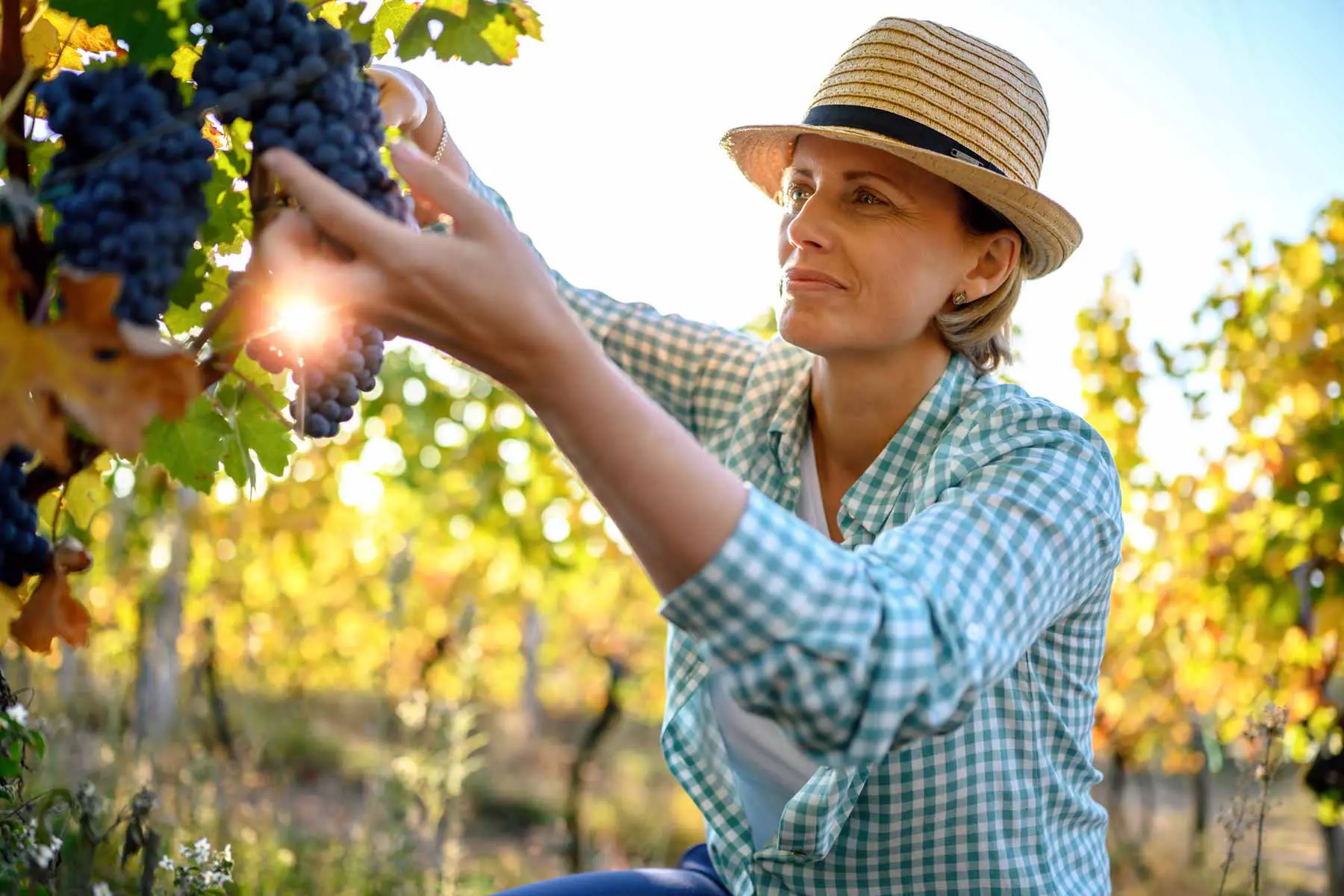
Phokaia, İzmir’in kuzeyindeki yerleşim yeri Foça’nın eski adı. Phokaia, tarihte denizciliğiyle bilinen bir şehir devleti. Şimdi denizciliğinin yanına bir şey daha eklemek gerekiyor: şarapçılığı.
And of course this has its reflection in popular culture: the Indiana Jones films are the perfect example, with their charismatic archaeologist and his mind-bending adventures. You could multiply the examples endlessly.
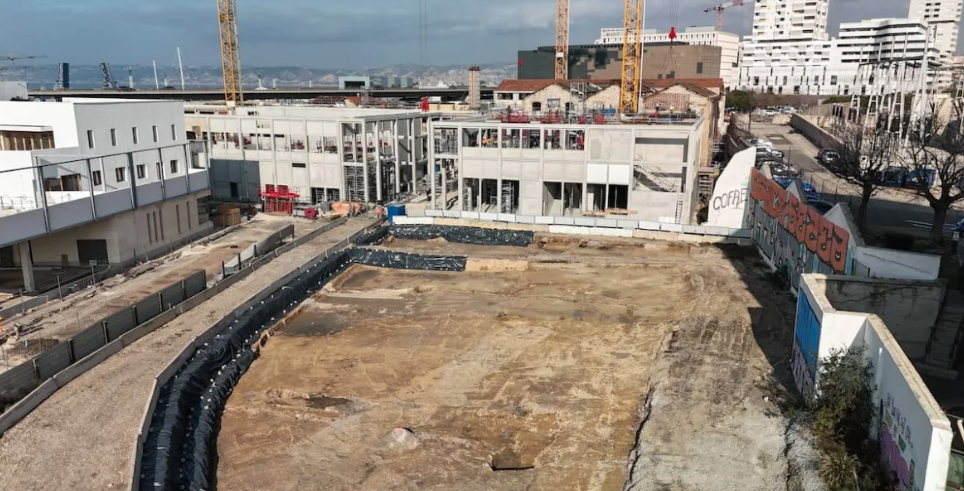
What Happened in Marseille?
INRAP, the National Institute for Preventive Archaeological Research, is responsible for recording France’s archaeological heritage before it disappears, conducting excavations, and transferring the findings to the public, museums, and researchers. During the excavations in Marseille, areas once used as vineyards were uncovered. Dating studies in the region showed that these vineyards were established around 2,600 years ago and continued in use for about 400 years.
Bizimle ne ilgisi var?
Bu tarih, Anadolu’nun batı kıyılarında İyonya kentlerinin ortaya çıkıp uygarlık ışığı olarak parladığı zamanlarla örtüşüyor. İyonya kentlerinin sayısının 12 olduğu kabul ediliyor ve her kentin öne çıkan farklı özellikleri var. Bunlar arasında denizciliğiyle öne çıkan bir tanesi var: Phokaia.
Phokaialılar Akdeniz’de çok geniş bir alana ulaşıp gittikleri yerlerde de kolonilerin kurulmasına ön ayak oluyorlar. Bu gittikleri yerlerden birisi o zamanki adıyla Massalia olarak adlandırılıyor, yani bugünkü Marsilya.
Anadolulu atalarımız gittikleri yerlere elbette kendilerinin değer verdikleri eşyaları, ürünleri de götürüyorlar. Phokaialıların götürdükleri arasında Ege kıyıları üzümlerinin yetiştiği asma fidanları var. Bu üzümlerden ilk akla gelen iki tanesi Bornova Misketi ile Foçakarası.
Remarkably, just as these varieties were on the verge of disappearing from our land, a handful of devoted explorers saved them. Thanks to their dedication, we can still grow these grapes and craft their wines today.
Enthusiasm Is Contagious
While doing my routine research and reading on the wine world, I came across a piece on the website I closely follow, wein.plus. It shared the very information I summarized above, and revealed that a French vigneron following this subject had taken steps to grow Anatolian grape varieties in the region again. Going further, he wondered: “Could we even establish a museum here?” Naturally, the excitement of this French vigneron quickly rubbed off on a Turk.
The First Connection
Bugünün elektronik platformları sayesinde aslında herkese ulaşmanın bir yolu var. Ben de bu yollardan birisini, LinkedIN’i kullanarak Fransız bağcı dostumuza ulaştım. Bizim heyecanımızı paylaştığımızı, projenin hayata geçmesi için yapabileceğimiz her şeyi yapmaya hazır olduğumuzu bilmesini istedim.
Guillaume will be coming to Istanbul in February. When he does, we’ll sit down together and explore how to chase this dream. Perhaps one day, the vines that left the Aegean shores 2,600 years ago will take root again in France. Perhaps the climate of fear surrounding the simple act of using the word “wine” in our country will one day be replaced by headlines announcing the Museum of Ancient Anatolian Grapes and Wines in France. Time will tell.
Bu haberin yankıları oldu mu?
Naturally, INRAP’s findings made the news in many places interested in the topic. Among the most notable were reports from our Greek neighbors. Disputes over cultural heritage never really end in this part of the world; tensions flare up now and then, only to settle again.
Ama dikkat çekici bir yanı var bu işin: Nedense bizim ülkemizdeki yayın organlarından hiçbirinde bu konuda bir hareket olmadı. Komşumuz Yunanistan, bu üzümlerin Yunan üzümü olarak gittiğini söyleme hakkını kendisinde görürken, biz bağlarımızda hal-i hazırda yetiştirdiğimiz üzümler konusunda neden acaba parmağımızı kaldırıp söz istemeyiz?
Our Curious Cultural Policy
Tarih anlatımımız, yaşadığımız toprakların üzerinde neredeyse bin yıldır var olduğumuzu bize dikte eder. Ama gerçek tarih bize bu topraklarda, diğer bütün coğrafyalarda olduğu gibi, misafir olduğumuzu gösterir. Yani hepimiz bulunduğumuz coğrafyayla bütünleşen ve o coğrafyanın bahşettiği tarih, kültür ve uygarlıkla yoğrulan insan topluluklarıyız.
Çanakkale Boğazı, dünya edebiyatının temelini oluşturan Homeros’un İlyada ve Odysseia destanlarının yaşandığı ve yazıldığı yer. Bu bir Anadolu tarihi ve destanı. Eğer biz yaşadığımız toprakların bu en değerli mirasını içselleştiremezsek, bu coğrafyanın elmasını, armudunu, üzümünü, şarabını nasıl içselleştireceğiz?
The same is true for Ionia, and for Lydia, Lycia, Commagene, Urartu, the Hittites… all historical cultures you can think of. We are the synthesis of all of them, and what a blessing that is.
Final Word
Yunan komşularımıza hiç kızmıyorum, doğrusu, onlar bu zenginliğe ortak olmalılar, çünkü aynı denizi paylaşıyoruz, aynı ortak geçmişten geliyoruz. Ulusalcılığın kalıplarına sıkışmak yerine yaşadığımız yerin her şeyini sahiplenmekten güzel ne var?