After agreeing on the tasting date with Seyit Bey, the founder of Paşaeli, the next step was to plan our pre-event visit to the winery. In truth, we always prefer to be hosted by someone from the production team. Spending time with the people who sign off on the vineyards, the harvest, and the decisions made during production helps us understand the entire process with real clarity. It also lets us see how deeply the stated philosophy of the winery aligns with its day-to-day realities.
Our host at Paşaeli’s production facility was Işık Gülçubuk, though shortly after we arrived, Tuba joined us too. This piece is the result of the four hours we spent in conversation with both of them.
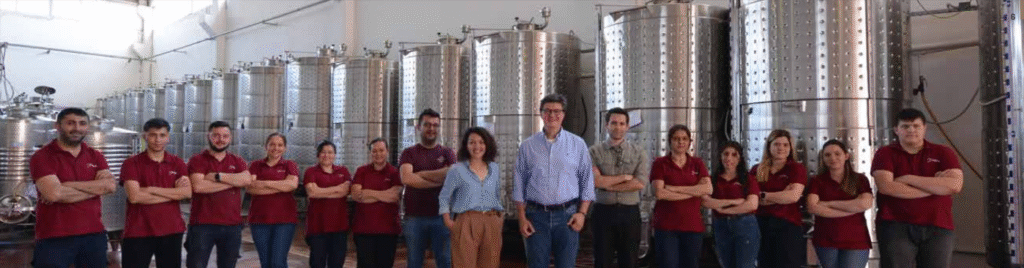
The Paşaeli Winery
In Turkish, the word şaraphane is used for “winery,” yet with its “hane” ending, it also evokes a warm sense of “home.” A place where wine lives. Maybe it’s just me, but şaraphane feels gentler than the mechanical connotations of “production facility.”
Işık and I first agreed on the date over the phone: Monday, November 17. I warned her in advance. These visits usually take three and a half to four hours based on my past experiences, and I told her I felt uneasy stealing that time from her workday. I truly do. But we also know how valuable these visits are for wine lovers who come to our events. They get to meet the producer in depth, and that matters.
Paşaeli’s facility is in Tire, inside an Organized Industrial Zone with a rather intriguing name: İbn-i Melek OSB. I flew to İzmir in the morning and headed straight to Tire.
The Facility
Most of the wineries I’ve visited are intertwined with their vineyards; in other words, château-style properties, as the French taught us to call them. Paşaeli, however, chose from the beginning to be located in an industrial zone. This is their second location after Kemalpaşa. To be honest, I had some hesitations beforehand. The image in my mind was colder, more rigid. Instead, I arrived at an industrial complex surprisingly warm in atmosphere, far softer than expected. It was a relief. I’ve never been fond of seeing wine treated like a factory product or reduced to “commodity.”
The Birth of Paşaeli
From afar, it may look like Seyit Karagözoğlu entered the wine world after catching the “wine virus,” but in fact he first started in wine importation. Not long after, the lion in his heart took over, and the journey that led to today’s Paşaeli began.
As we all know, companies ultimately take the shape of their founders. Looking back at Paşaeli’s past, you see a philosophy built on innovation and forward thinking. Like many producers, Paşaeli began with international varieties but soon realized the real treasure was at home. Thankfully so. Because the portfolio that gives Paşaeli its strength and direction today is built on these local grape riches.
Paşaeli’s Vineyards
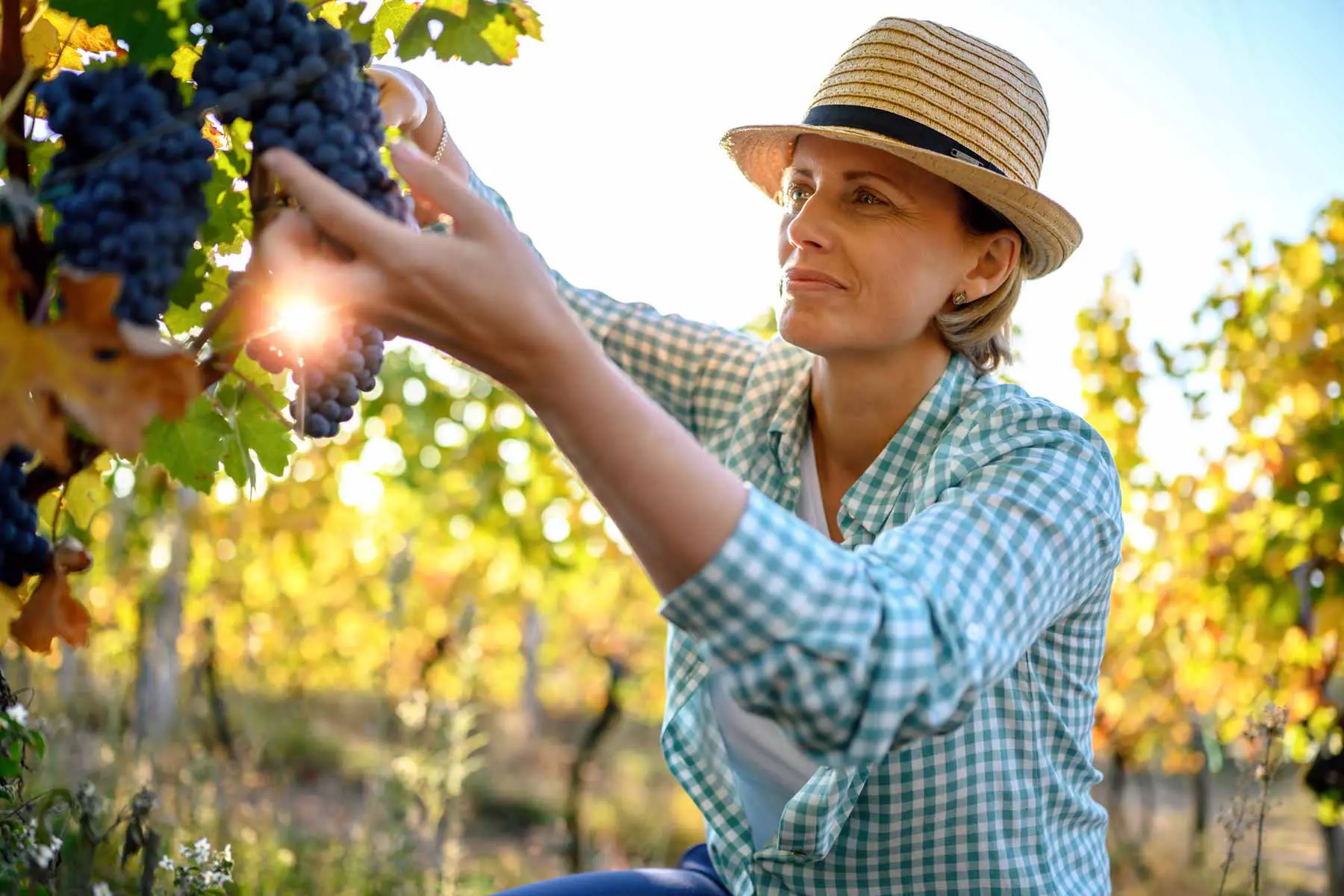
Paşaeli has vineyards in five regions across western Turkey. In Thrace, the neighboring vineyards in Hoşköy and Şarköy host Yapıncak and Kolorko vines. Kaynaklar in İzmir is where their international grapes grow, and their two major wines, K2 and Kaynaklar, come from these vineyards.
Their Çalkarası and Öküzgözü grapes come from three separate vineyards in Denizli-Çal, while in Çanakkale-Gedik, they grow Karasakız and Sıdalan. The first vineyards Paşaeli planted in Kaynaklar are now over twenty years old. The later vineyards were purchased and rehabilitated. Many of them now consist of vines over 35 years old, officially qualifying as Old Vines under international standards. In the increasingly challenging world of winemaking, this is one of Paşaeli’s defining strengths.
Paşaeli’s Wines
A look at their timeline shows an important shift not long after their early cuvées made from international grapes. Their local grape adventure began with Papaskarası and expanded with varieties then barely known: Yapıncak, Karasakız, and Kolorko. To these they added Çakal, a grape that had nearly vanished.
You also see their innovative spirit in the styles they explore. Turkey’s first pet-nat wines were made from Sıdalan and Yapıncak grapes. (Pet-Nat being the ancestor of sparkling wines.) Their naturally fermented wines, produced without added yeast, form a separate series in the portfolio.
The Emir grapes come from Cappadocia, and the Semillon from a remarkable vineyard in Tekirdağ—planted in 1923. Hearing that gives you chills.
When Işık told me that roughly 30% of their production is exported, I genuinely felt proud. The confusion and delight foreign wine lovers experience when pronouncing our grape names never fails to amuse me. It reminded me of what Austrians once told a producer friend of ours at an event in Vienna: “Turkish wines are a black hole for us. We have no idea what’s inside.” Paşaeli is one of those filling that “black hole” with light.
Final Word
On the surface, these visits are meant to help us introduce our guest producers to the wine lovers attending our events. And yes, that part is true. But over time we’ve realized something more: these visits are also expressions of our respect for producers who continue this work patiently and stubbornly in a country where making wine is becoming increasingly difficult.
To all the producers fighting this good fight with the kind of determination Paşaeli shows, we offer our affection and our admiration.